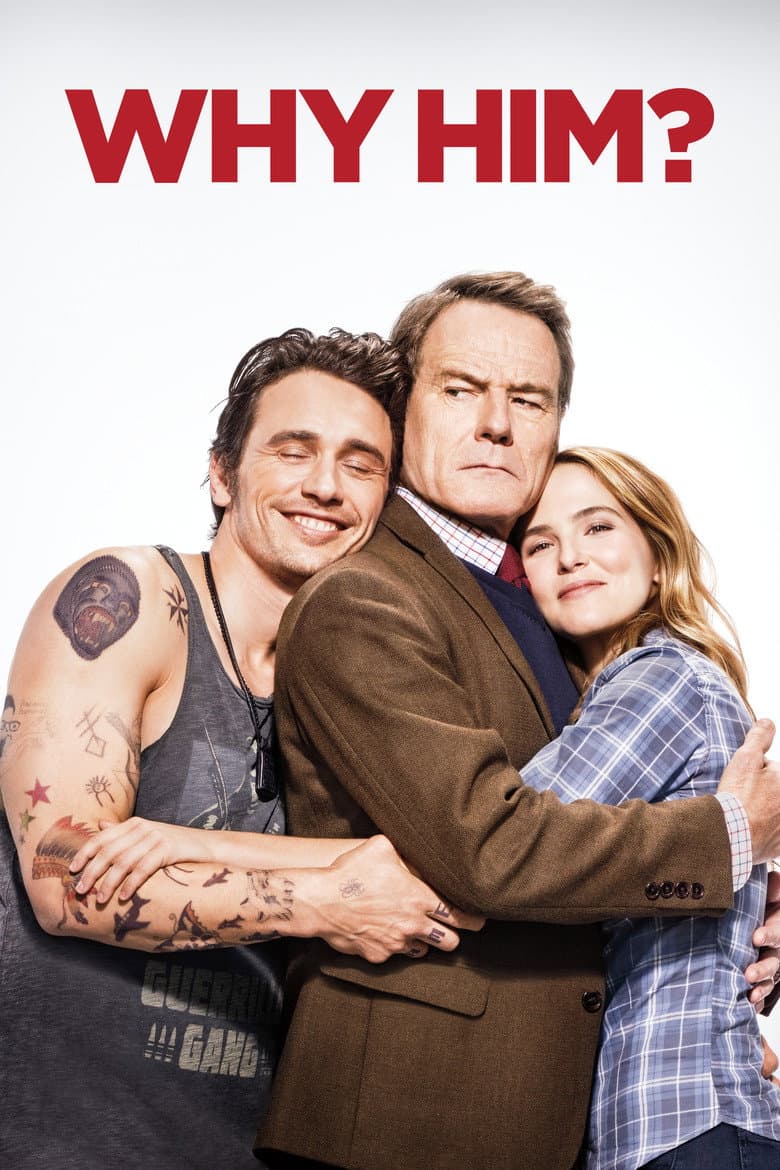
A protective Michigan printer named Ned Fleming goes to Stanford to visit his daughter Stephanie. There he meets her foul-mouthed, tattooed Silicon Valley boyfriend Laird, a video-game millionaire. The men clash over manners, class, and lifestyle as Laird seeks Ned’s blessing to propose. The story ends with mutual respect, Stephanie declining marriage for now, and the family business shifting into high-tech toilets.
The film is a standard raunchy studio comedy built on culture-clash humor, not identity-politics messaging. Jokes lean on crude language, sex gags, smart toilets, and tech-versus-print banter. There is no sustained activist or DEI dialogue, and the core plot stays father-versus-boyfriend rivalry and family reconciliation. Class and lifestyle fish-out-of-water comedy never becomes an attack on Western institutions as oppressive systems. Audience-visible woke content is effectively absent, and coverage did not treat the movie as agenda propaganda.
Community feedback
Was our 2% Woke rating accurate?
Breakdown
These are the editorial factors and ratings behind our score for Why Him?.
Woke representation / casting
Not present. The lead Fleming family and boyfriend roles match a Midwestern household and a Silicon Valley tech-bro setup. Supporting parts for Keegan-Michael Key and Cedric the Entertainer look like normal studio-comedy casting. They do not read as diversity-first or quota-style prominence.
0%
Woke political dialogue
Not present. The humor uses crude language, sex jokes, smart-toilet gags, and tech-versus-print banter. There is no lasting activist talk. There is also no DEI or identity-politics dialogue.
0%
Identity-driven story themes
Not present. The main story is a father and boyfriend rivalry about manners and family peace. Stephanie turning down a proposal is about personal timing. It is not a race, gender, or queer identity arc.
0%
Western institutional / cultural critique
Not present. The comedy is a square Midwest dad against freewheeling California wealth. That clash stays character farce. It does not attack patriarchy, Christianity, whiteness, or Western institutions as oppressive systems.
0%
Woke character or canon changes
Not relevant. This is an original screenplay. It is not an adaptation that rewrites established figures for identity reasons.
0%
Anti-woke backlash and complaints
Not present. Talk about the film focused on raunch, formula, and uneven laughs. There was no meaningful right-leaning or anti-woke campaign. People did not treat the movie as DEI or agenda propaganda.
0%
Creator track record context
Cached scores for key creatives are low. Hamburg is 7, Helfer is 0, and Hill is 12. Producers mostly sit in the single digits to low 20s, such as Stiller at 23. Their careers look like mainstream comedy work, not a documented activist pattern.
9%
Production
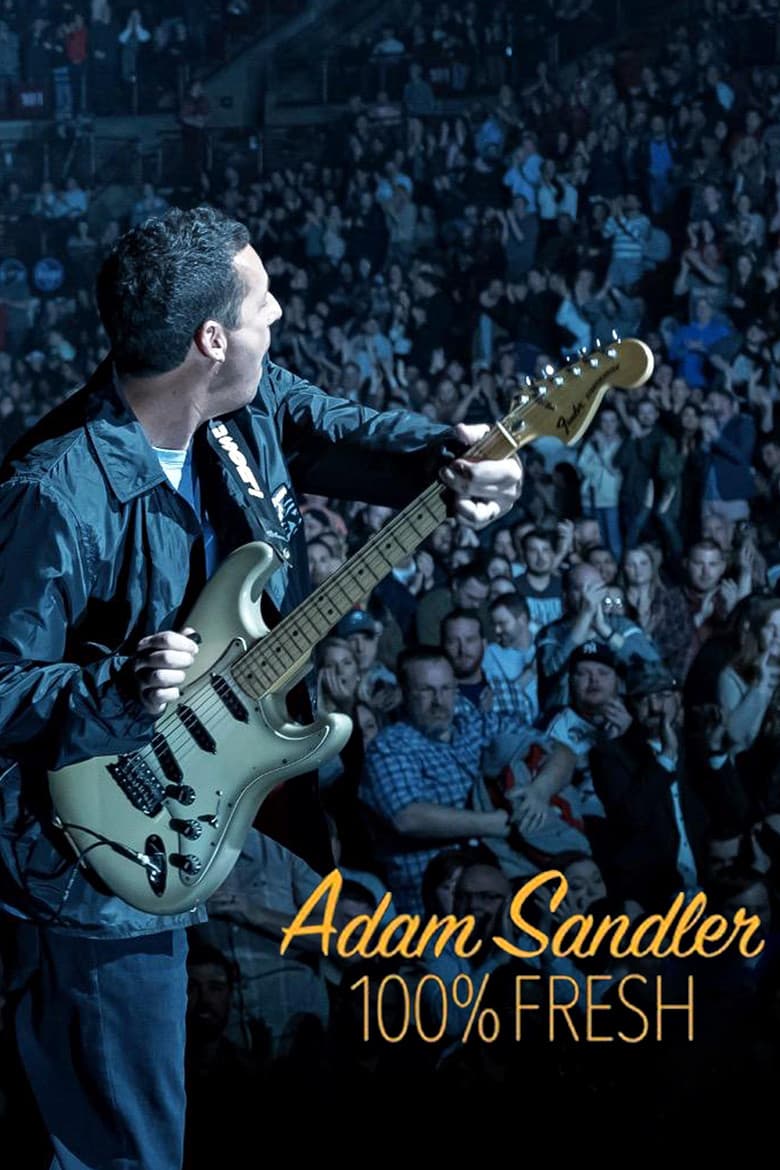
Movie · 2018
Adam Sandler takes his comical musical musings back out on the road, from comedy clubs to concert halls to one very unsuspecting subway station.
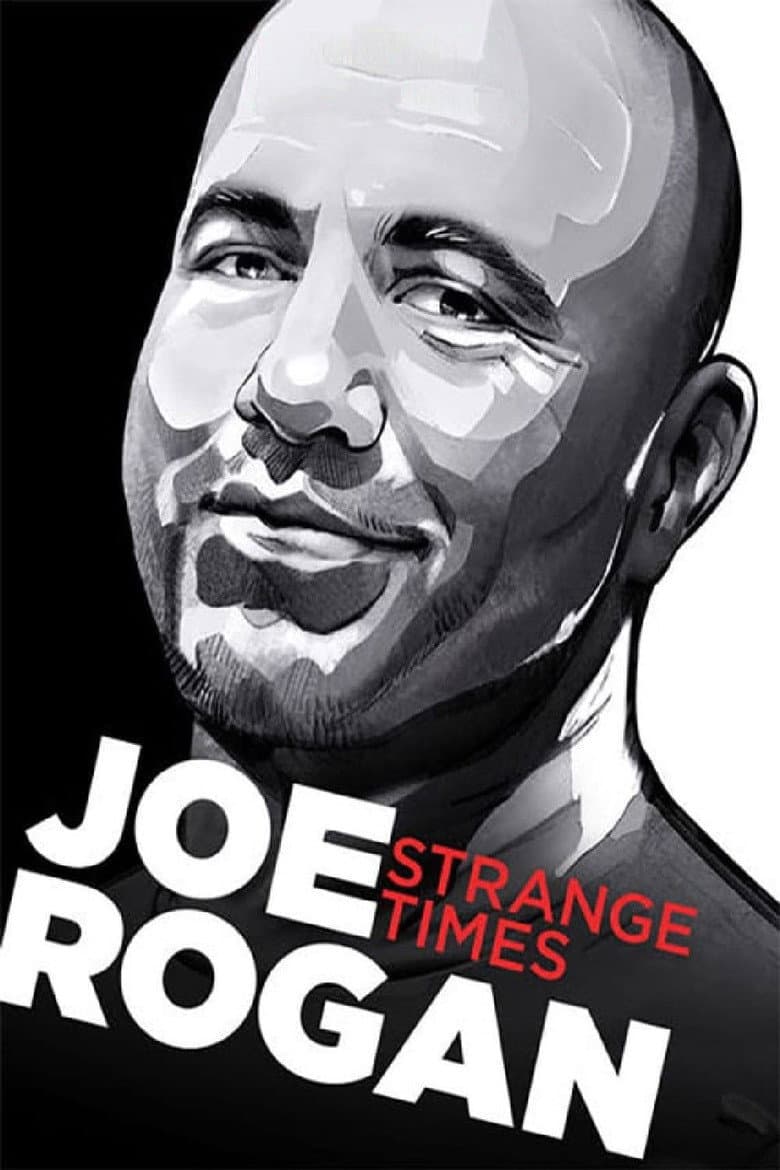
Movie · 2018
Outspoken as ever, comedian Joe Rogan takes on politics, pro wrestling, pot laws, cats, vegans and much more in a stand-up special shot in Boston.
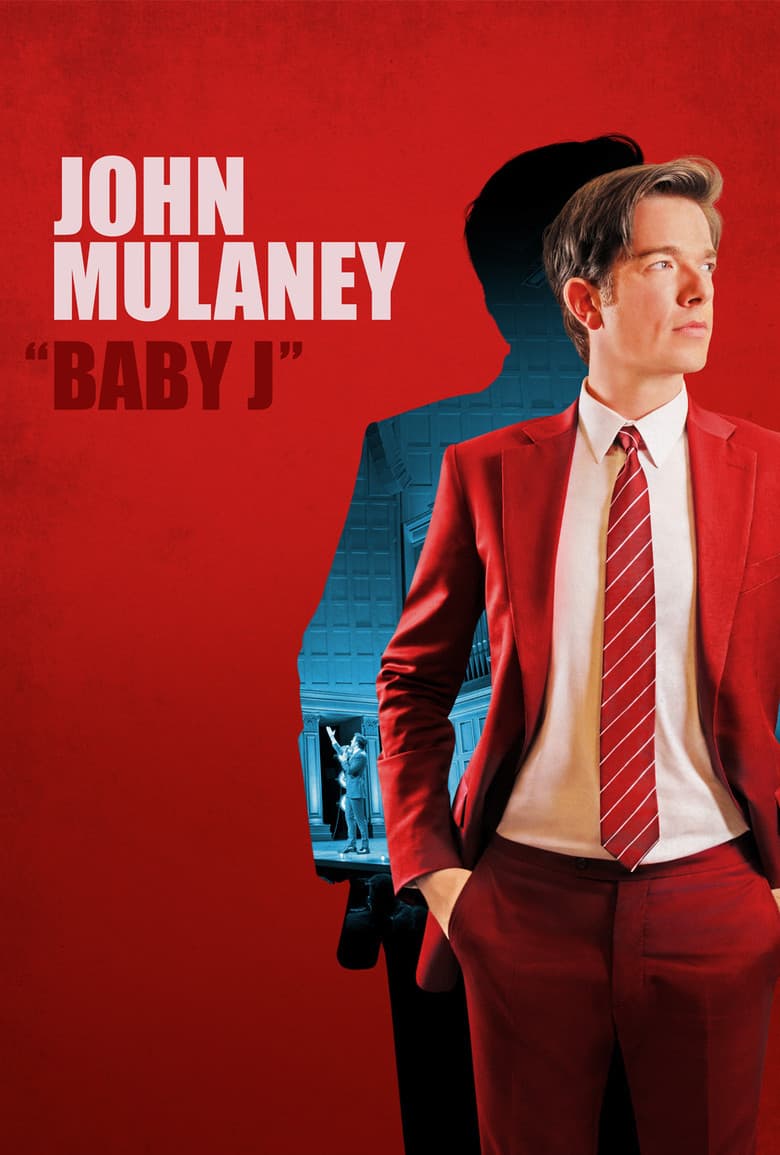
Movie · 2023
A chaotic intervention. An action-packed stay in rehab. After a weird couple of years, John Mulaney comes out swinging in his return to the stage.
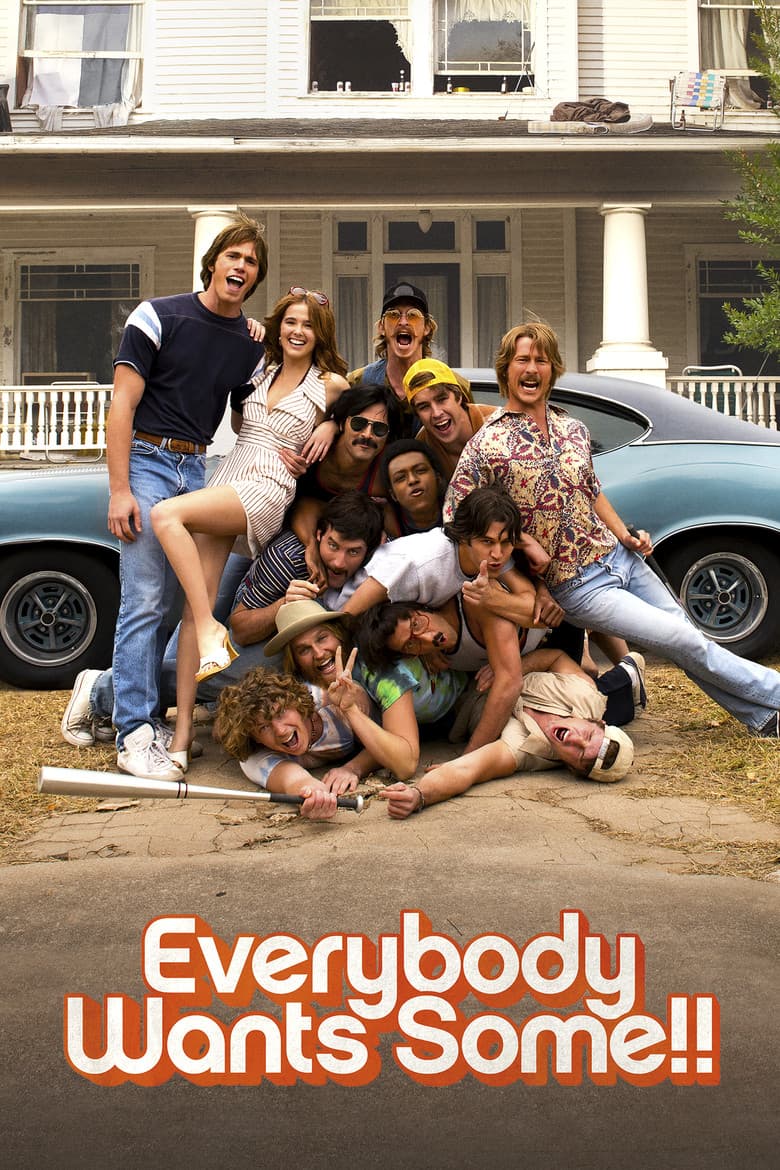
Movie · 2016
A comedy that follows a group of friends as they navigate their way through the freedoms and responsibilities of unsupervised adulthood.
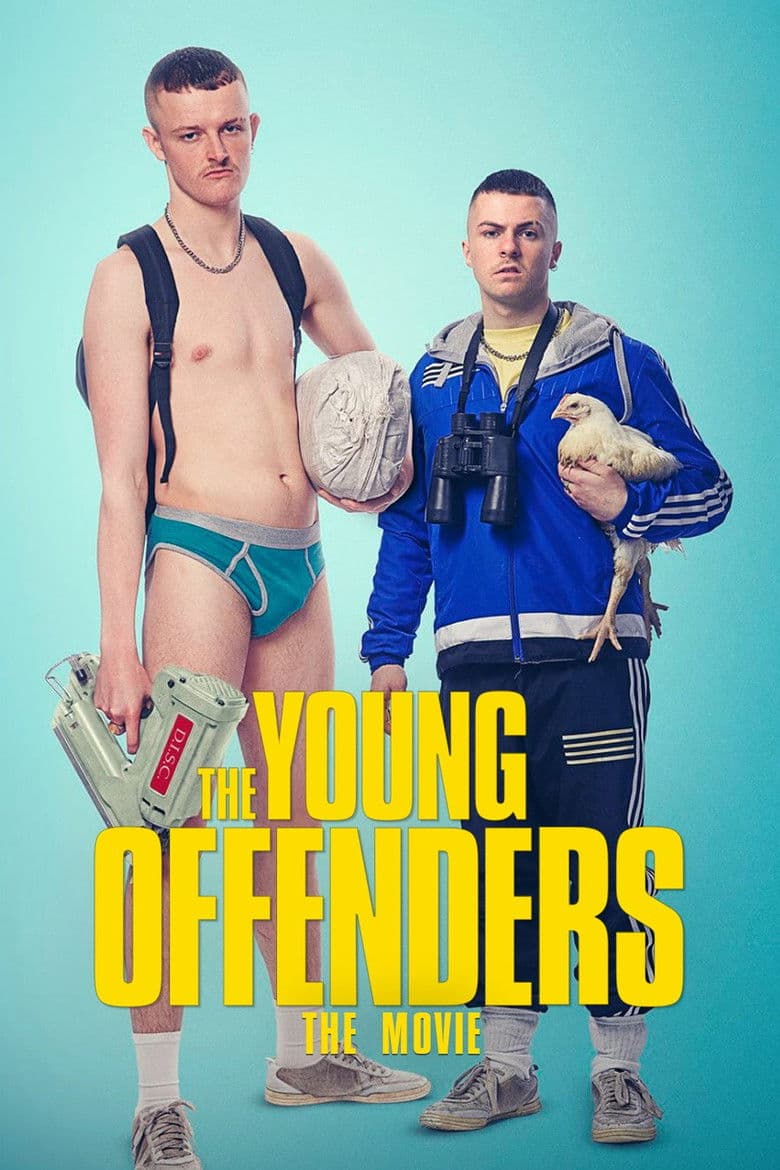
Movie · 2016
Two teenage boys from inner-city Cork steal bicycles and ride off on a 160km quest to find an unrecovered bale of cocaine worth 7,000,000 euros.
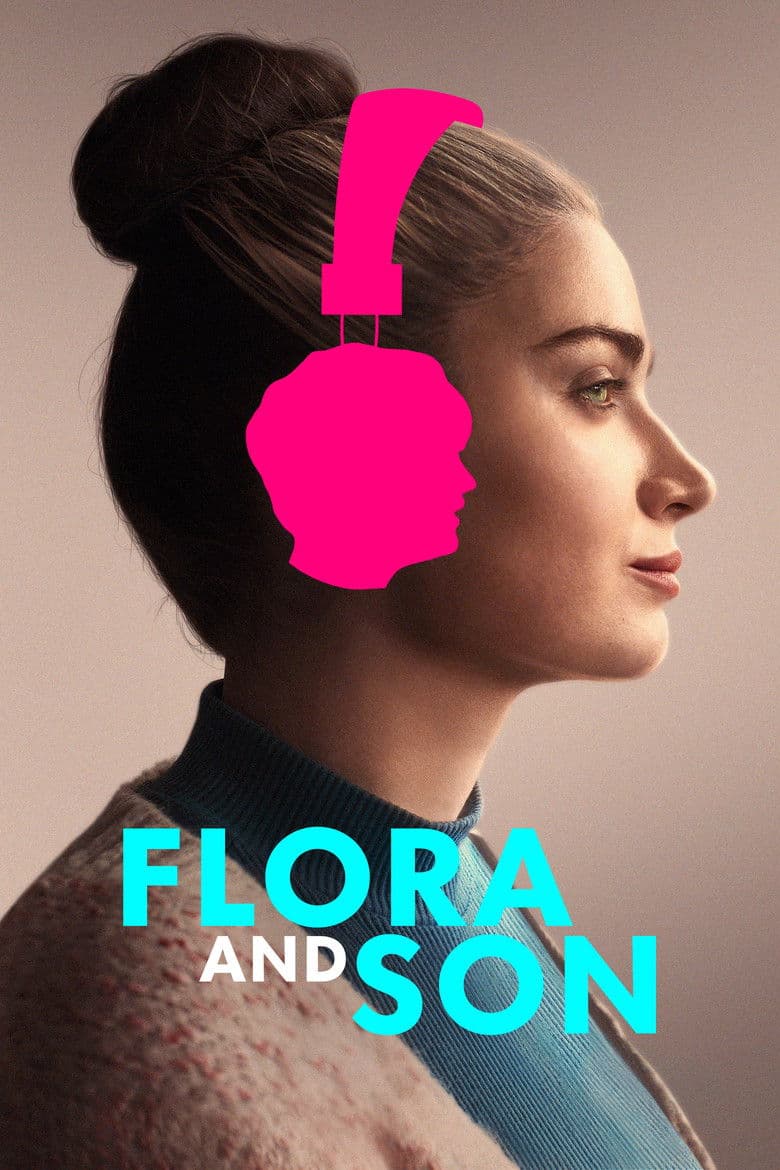
Movie · 2023
Single mom Flora is at a loss about what to do with her rebellious teenage son, Max. Her efforts to keep him out of trouble lead to a beat-up acoustic guitar, a washed-up LA…
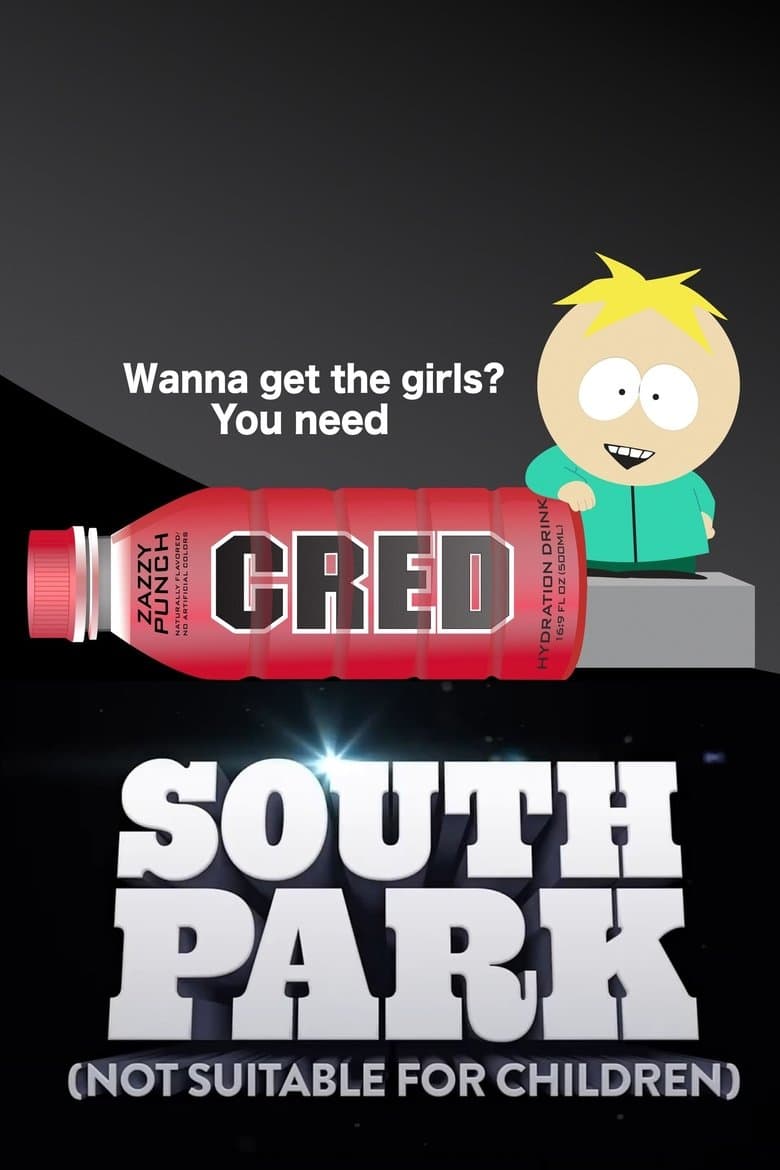
Movie · 2023
After it's discovered that a teacher at South Park Elementary has an OnlyFans page, Randy is compelled to take a closer look at the seedy underbelly of the world of online…
Movie · 2023
From his onstage tackle to the slap heard round the world, Dave Chappelle lets loose in this freewheeling and unfiltered stand-up comedy special.
