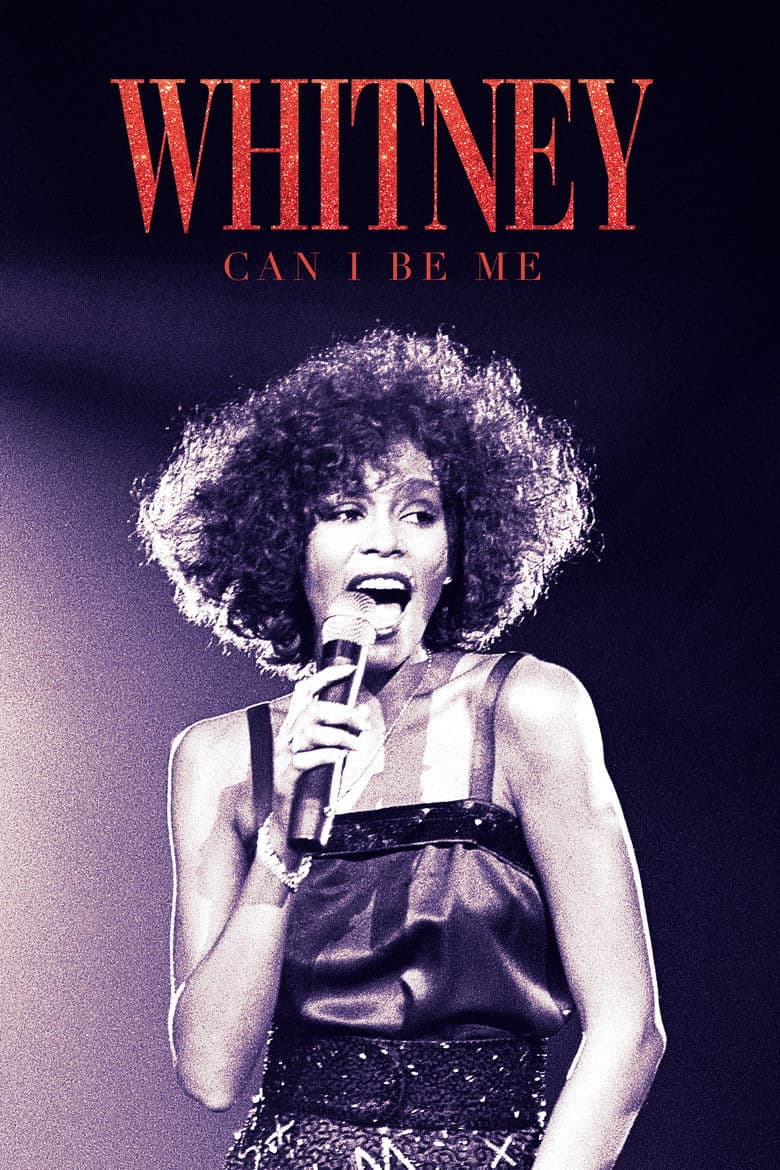
Whitney: Can I Be Me follows singer Whitney Houston from her church roots and rise in Newark to worldwide fame and her troubled final years. The film uses old performances, backstage footage, home video, and interviews with people who knew or worked with her. Houston struggles to match the polished public image built for her with the private person who feels trapped by family, fame, marriage, and addiction. The tone is sad and intimate, with strong concert moments beside painful scenes of decline.
The film gives clear weight to race and sexuality. It says Houston was shaped for white pop listeners and was pushed away from music that sounded too Black. It also returns to her close bond with Robyn Crawford and suggests that fear, family pressure, and religious disapproval helped keep that relationship hidden. These identity themes are important to the film’s main question, but the movie also spends much of its time on drug use, family control, Bobby Brown, and the cost of fame.
Community feedback
Was our 52% Woke rating accurate?
Breakdown
These are the editorial factors and ratings behind our score for Whitney: Can I Be Me.
Woke representation / casting
Not present. The documentary uses Whitney Houston, her family, friends, and former workers as real people. It does not build a fictional cast or present a diversity lineup.
0%
Woke political dialogue
Interviewees say the record company shaped Houston’s music for white listeners and rejected songs that sounded too Black. The film also includes comments about silence around lesbians in the black community and family disapproval of a possible relationship with Robyn Crawford. These points recur in the story, but the film has no long political speech and spends much of its time on fame, drugs, and family conflict.
42%
Identity-driven story themes
The film’s central question is whether Houston could live as herself instead of the polished star built for the public. It links her race, her bond with Robyn Crawford, and pressure from family and the music business to that struggle. The documentary treats questions about hidden sexuality and a forced public image as major causes of her pain. Addiction, marriage, and fame remain major subjects, so identity is central but not the whole story.
58%
Western institutional / cultural critique
The documentary says Arista shaped Houston’s music for white America and blocked material that sounded too Black. It presents the music business, fame, family control, and religious pressure as forces that used her success while limiting her choices. It also shows old attitudes about sexuality as harmful. The film does not make a broad attack on Western society or capitalism, so this factor stays moderate.
31%
Woke character or canon changes
The film makes no race or gender swap and changes no fictional character. It does, however, offer an identity-focused reading of the real Whitney Houston by suggesting that her bond with Robyn Crawford may have been romantic and that family and industry pressure helped hide it. Houston publicly denied being lesbian, and the film does not prove the claim. This makes the change a limited reinterpretation of a real person.
28%
Anti-woke backlash and complaints
Not present. The estate objected to permission and control, and some critics questioned the film’s sexuality claims. The supplied X pass found no anti-woke campaign, and wider coverage reviewed did not show complaints that the film was pushing woke or DEI politics.
0%
Creator track record context
Nick Broomfield’s past work includes films about power, marginalization, and public failures. Rudi Dolezal is mainly known for music films, while Marc Hoeferlin has a smaller human-rights and poverty focus. This film’s focus on race, sexuality, and pressure on Houston gives the social side of their work a clear link to the title, but the group does not show a strong DEI persona.
12%
Production
Movie · 2021
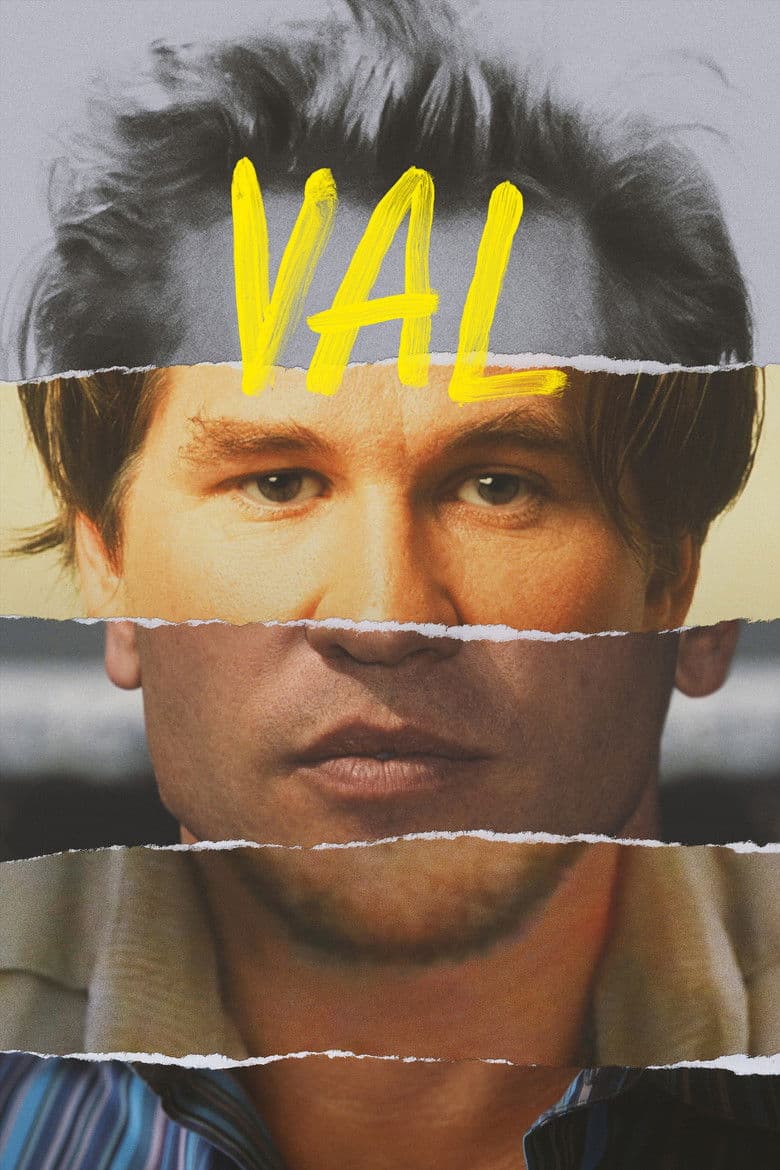
For over 40 years Val Kilmer, one of Hollywood’s most mercurial and/or misunderstood actors has been documenting his own life and craft through film and video.

Movie · 2023
A short kid from a Canadian army base becomes the international pop culture darling of the 1980s—only to find the course of his life altered by a stunning diagnosis.
Movie · 2022
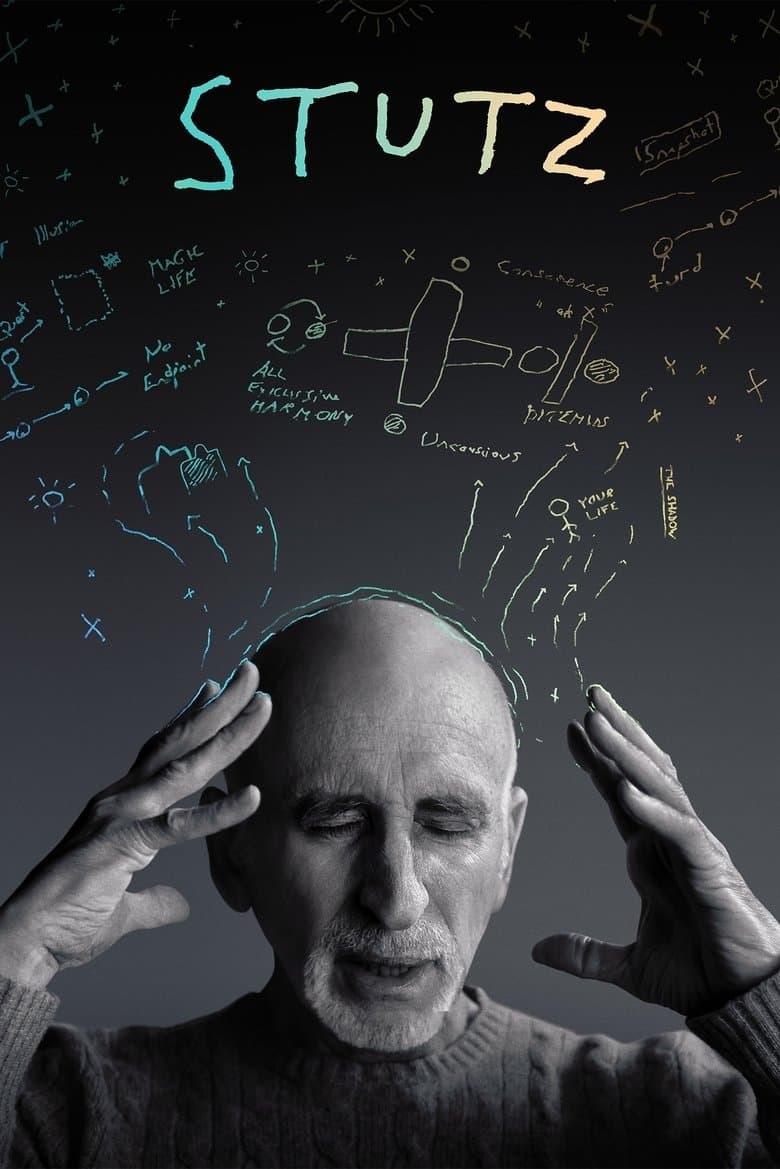
In candid conversations with actor Jonah Hill, leading psychiatrist Phil Stutz explores his early life experiences and unique, visual model of therapy.

Movie · 2022
The inspirational rise of SpaceX as well as Elon Musk's two-decade effort to resurrect America’s space travel ambitions.
Movie · 2021
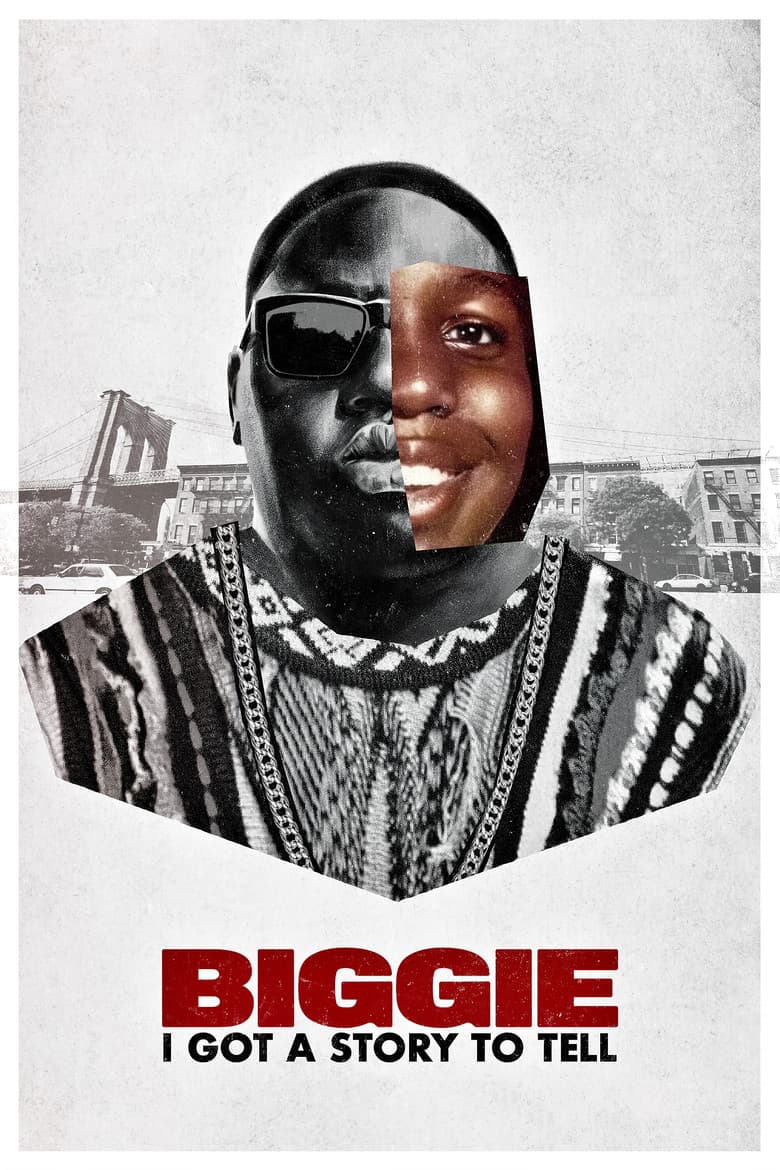
Christopher Wallace, AKA The Notorious B.I.G., remains one of Hip-Hop’s icons, renowned for his distinctive flow and autobiographical lyrics.
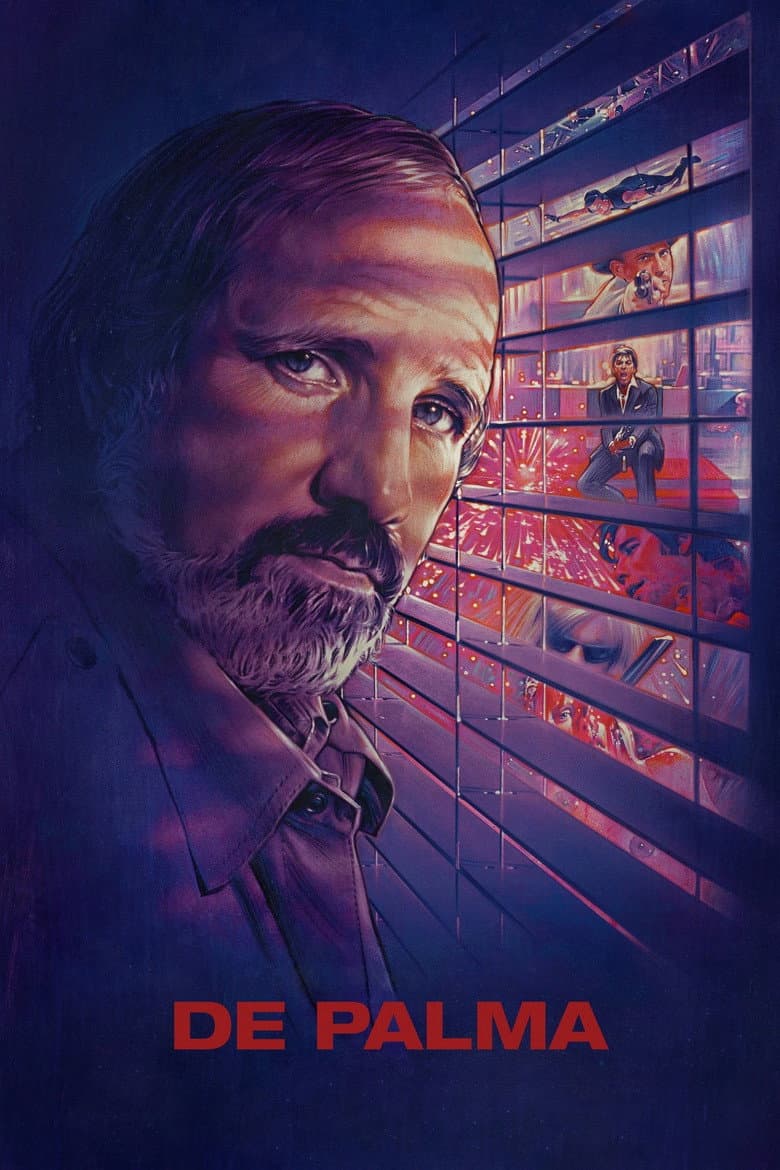
Movie · 2016
An intimate conversation between filmmakers, chronicling De Palma’s 55-year career, his life, and his filmmaking process, with revealing anecdotes and, of course, a wealth of film…
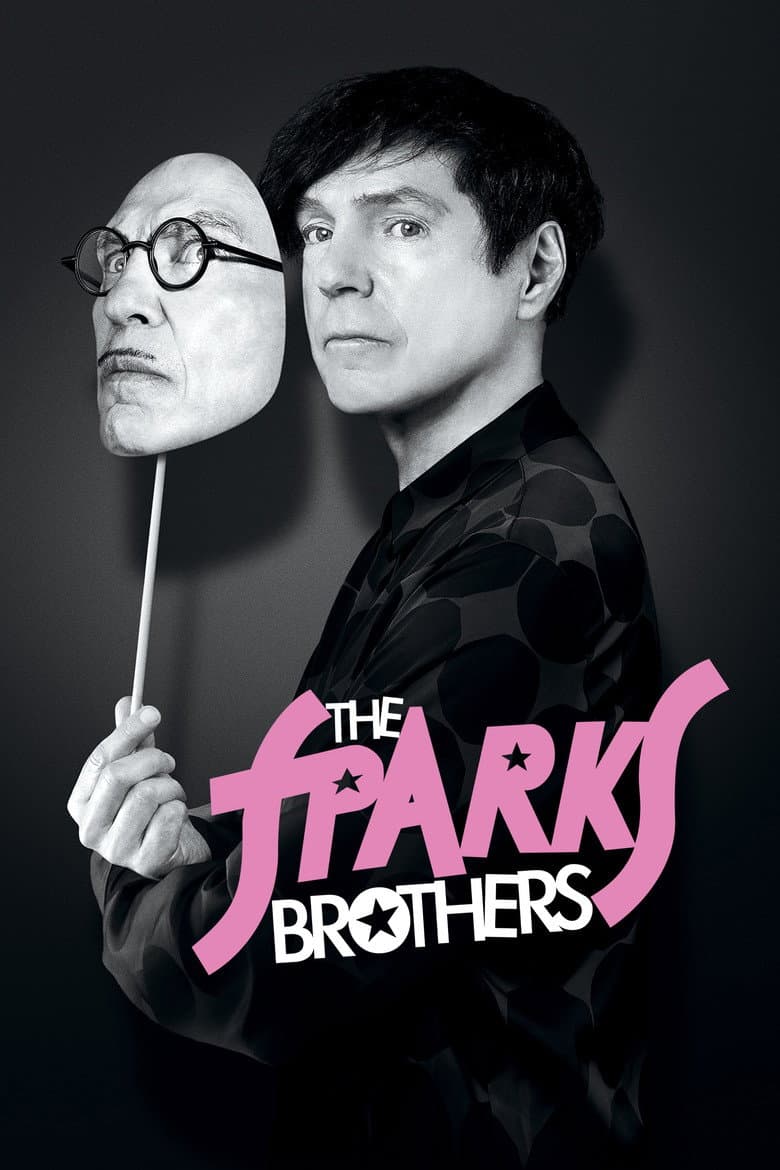
Movie · 2021
Take a musical odyssey through five weird and wonderful decades with brothers Ron & Russell Mael, celebrating the inspiring legacy of Sparks: your favorite band’s favorite band.
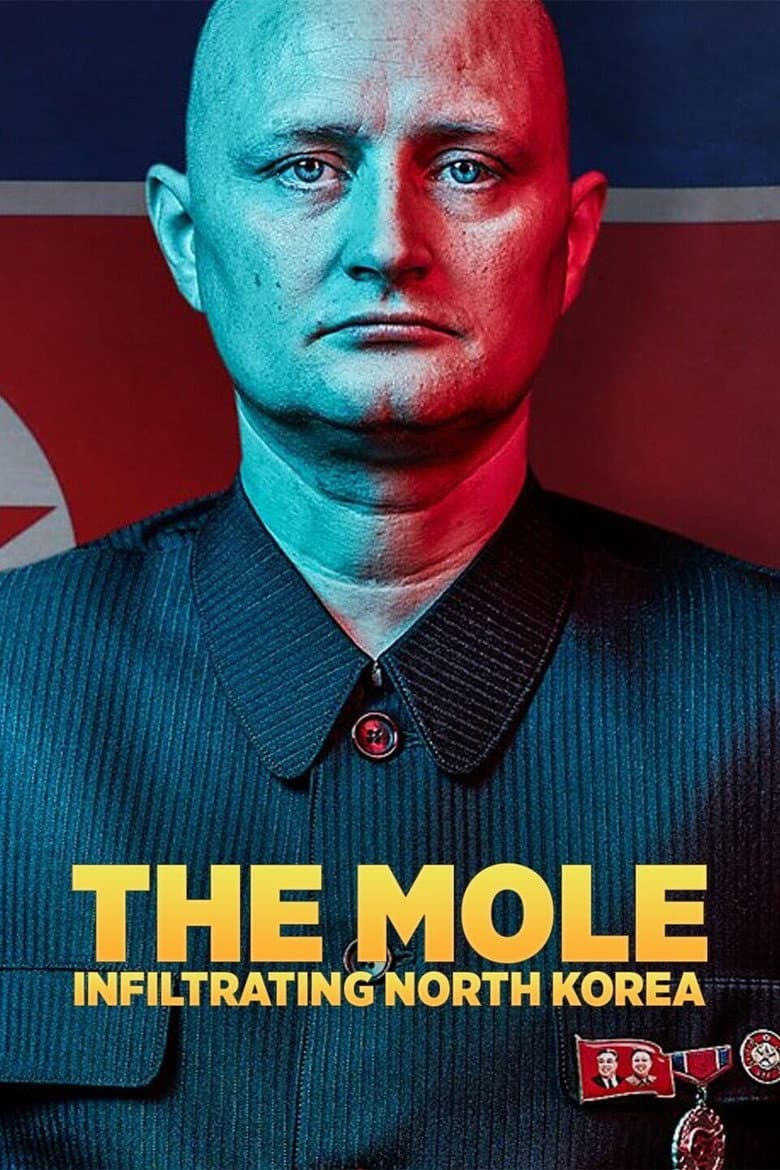
Movie · 2020
A real-life undercover thriller about two ordinary men who embark on an outrageously dangerous ten-year mission to penetrate the world's most secretive and brutal dictatorship…
