
Jack Gladney is a college professor who studies Hitler in a strange middle American town during the 1980s. He lives with his wife Babette and their four children in a noisy blended family. A train crash sends a poisonous cloud over the town and forces the family to flee. The danger brings Jack’s fear of death, Babette’s secret pill use, and their ideas about safety into the open. The movie moves between dry comedy, family drama, disaster scenes, and dark mystery.
The film gives major university roles to a black professor and a black woman scientist. This adds a visible representation signal, but the story does not make race, gender, sexuality, or current identity politics its main subject. The film instead follows Jack and Babette as they use family routines, shopping, television, academic talk, and a strange drug to push death out of their minds. Their efforts slowly show that love and family can offer comfort, but they cannot make people safe forever.
Community feedback
Was our 28% Woke rating accurate?
Breakdown
These are the editorial factors and ratings behind our score for White Noise.
Woke representation / casting
The film gives two noticeable university roles to black actors. Don Cheadle plays professor Murray Siskind, and Jodie Turner-Smith plays brilliant neurochemist Winnie Richards. Winnie is already a brilliant scientist in the source story, so the role itself is not a new identity message. Murray is identified as Jewish in the novel, but the movie keeps the name while changing the visible casting. The pattern is audience-visible, but race and diversity do not drive the family story.
31%
Woke political dialogue
Not present. The film has talk about Hitler, media, consumerism, and disaster officials, but it does not deliver modern identity-politics or activist speeches.
0%
Identity-driven story themes
Not present. The central themes are fear of death, family, consumerism, media, and mental escape through a drug. The story does not center race, gender, sexuality, or identity politics.
0%
Western institutional / cultural critique
Not present. The film mocks consumer shopping, academic talk, television, and confused disaster officials, but it does not frame them through modern activist attacks on patriarchy, whiteness, Christianity, or current institutions.
0%
Woke character or canon changes
The movie casts Don Cheadle as Murray Siskind, while the novel identifies Murray as Jewish. The movie keeps Murray’s name and much of his dialogue but gives no on-screen reason for the change. Critics tied the choice to modern diversity pressure, though no clear creator statement confirms that purpose. The change is visible and affects a key friendship, but it does not create a new identity plot.
16%
Anti-woke backlash and complaints
A Tablet review called the Cheadle casting a progressive gesture and linked it to the demands of woke cinema. A Full Stop essay also said the change might answer demands of woke cinema and argued that it weakens the source novel’s ideas. Most audience discussion focused on the movie’s long runtime, confusing style, ending, and faithfulness to the novel. The anti-woke response was clear but came from a small number of critics.
24%
Creator track record context
Cached context rates Noah Baumbach 19/100 and Don DeLillo 25/100. Baumbach’s record centers on family and personal failure, while DeLillo’s record is left-leaning around systems, war, capitalism, and power without a strong DEI focus. Cached context rates David Heyman at 39/100 because of public diversity comments, but the other cached producers and the casting director have low scores. This gives the film mild supporting context, not a strong identity-driven pattern.
22%
Production
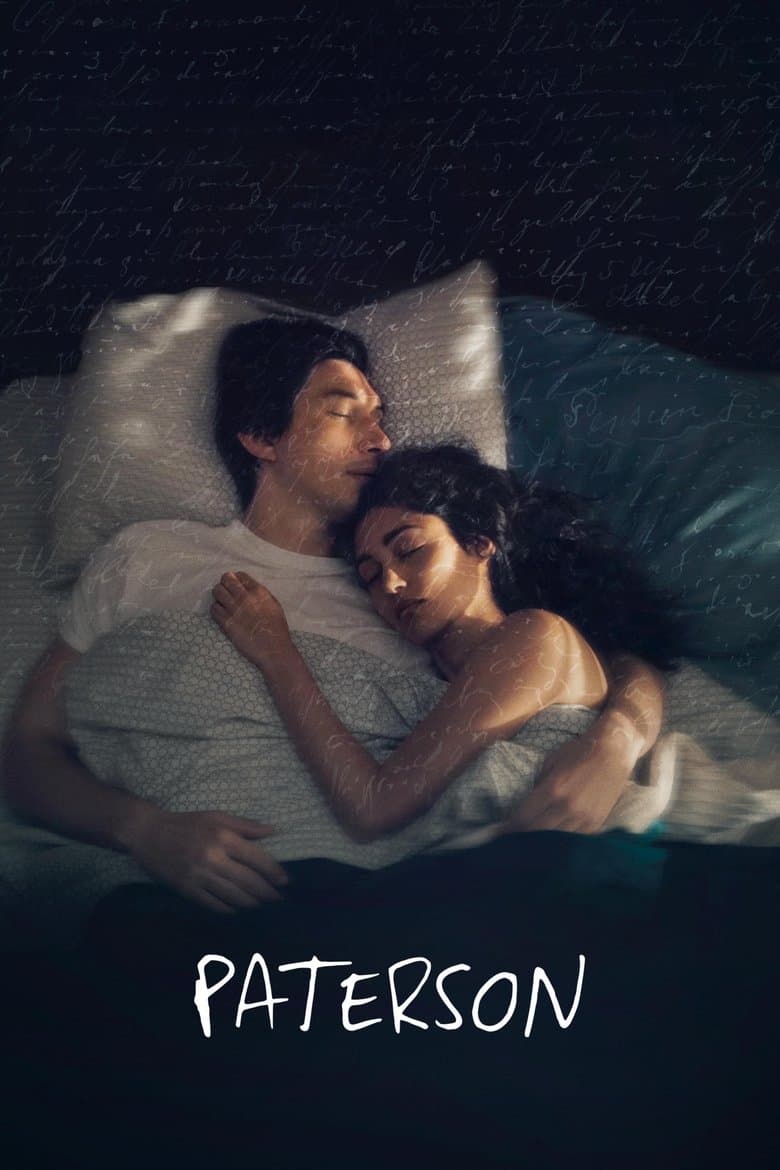
Movie · 2016
A week in the life of Paterson, a poet bus driver, and his wife Laura, a very creative artist, who live in Paterson, New Jersey, hometown of many famous poets and artists.
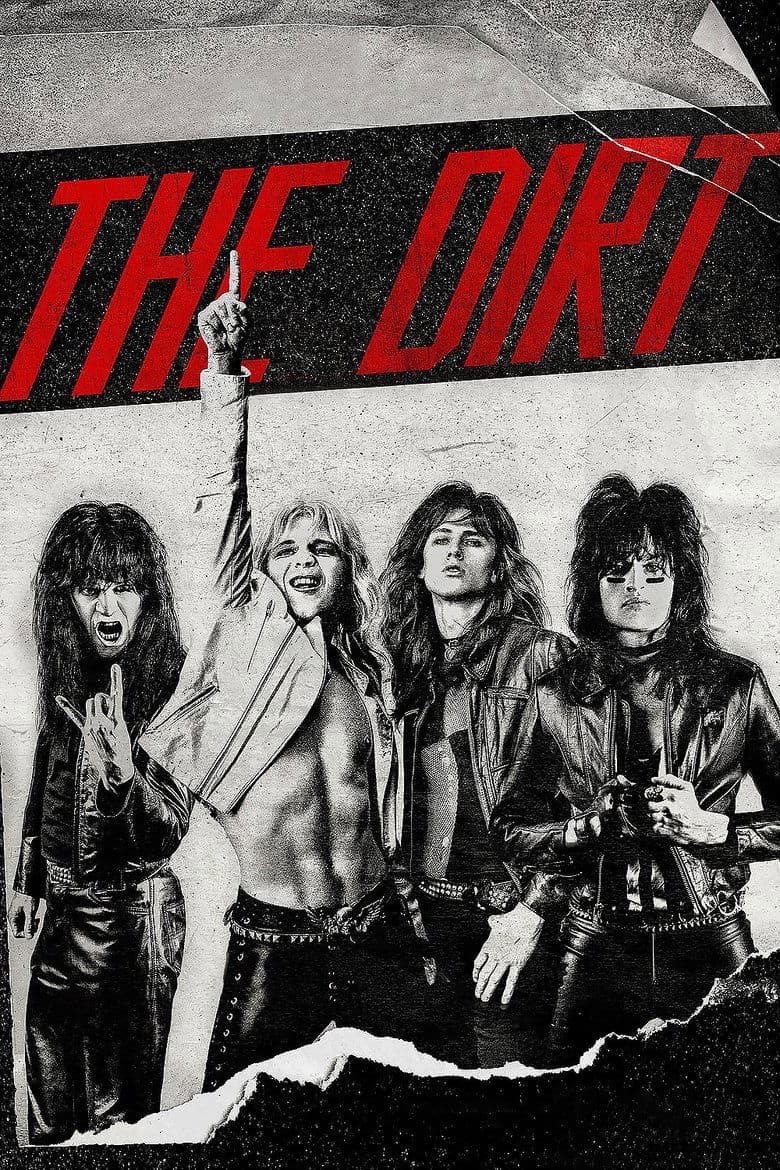
Movie · 2019
The story of Mötley Crüe and their rise from the Sunset Strip club scene of the early 1980s to superstardom.
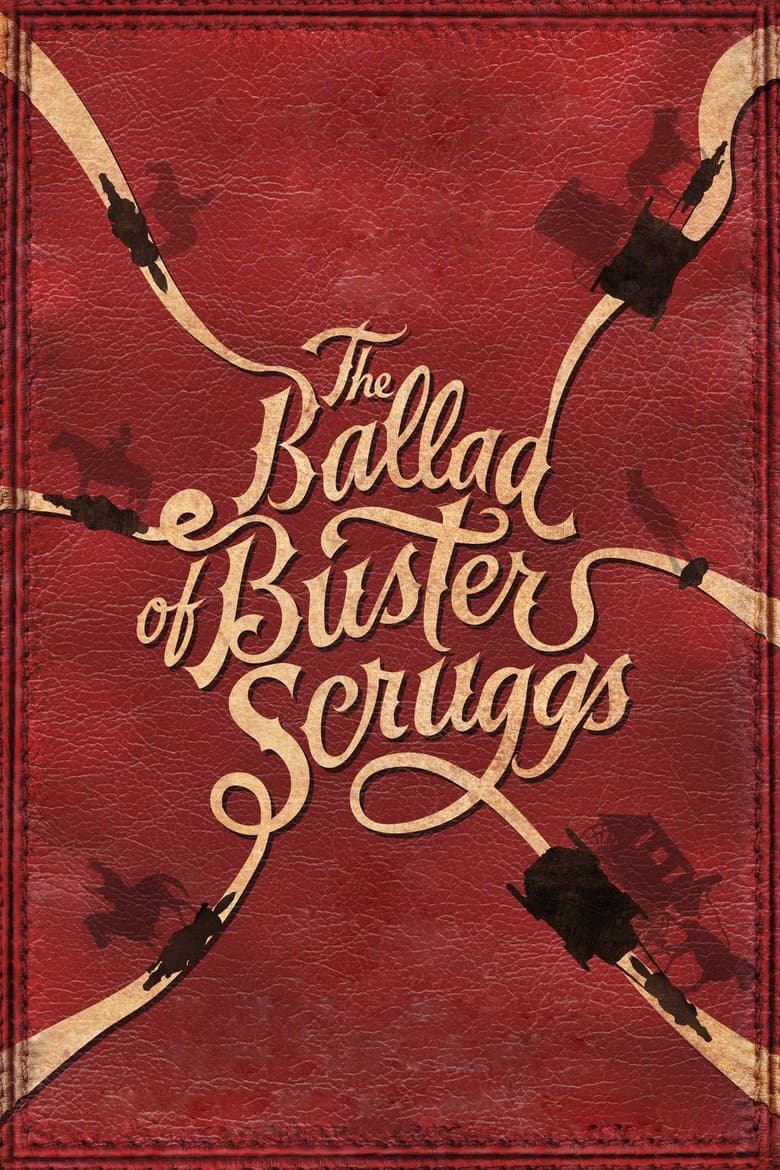
Movie · 2018
Vignettes weaving together the stories of six individuals in the old West at the end of the Civil War. Following the tales of a sharp-shooting songster, a wannabe bank robber, two…
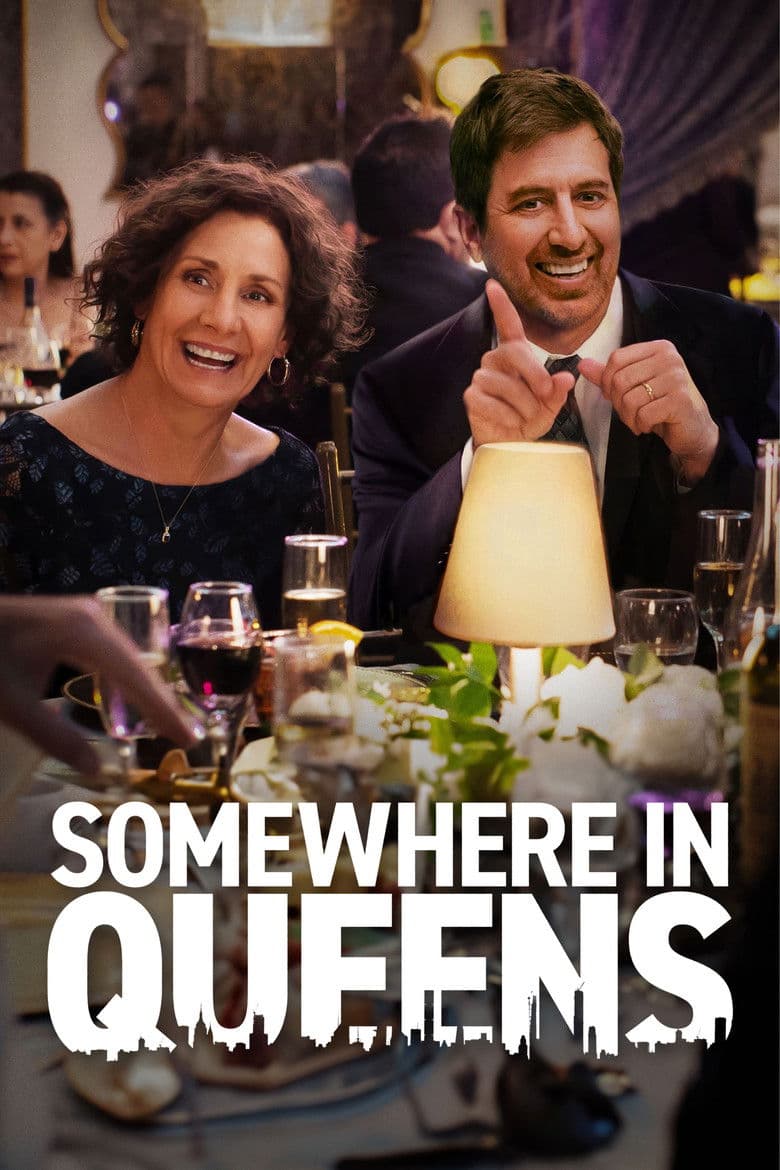
Movie · 2023
Leo and Angela Russo live a simple life in Queens, surrounded by their overbearing Italian-American family. When their son finds success on his high school basketball team, Leo…
Movie · 2017
Ingrid becomes obsessed with a social network star named Taylor Sloane who seemingly has a perfect life. But when Ingrid decides to drop everything and move west to be Taylor's…
Movie · 2017
When dictator Joseph Stalin dies, his parasitic cronies square off in a frantic power struggle to become the next Soviet leader.

Movie · 2017
An aspiring actor in Hollywood meets an enigmatic stranger by the name of Tommy Wiseau, the meeting leads the actor down a path nobody could have predicted; creating the worst…

Movie · 2019
A young Scottish singer, Rose-Lynn Harlan, dreams of making it as a country artist in Nashville after being released from prison.
