
Bernadette Fox is a gifted architect who stopped working and now hides in a falling-apart home in Seattle. Her sharp jokes and fights with nearby parents cover anxiety, old pain, and a marriage that has gone cold. Her daughter Bee earns a promised trip to Antarctica, but Bernadette vanishes before the family leaves. Bee and her father Elgie follow the clues while Bernadette heads toward a place where she can think and work again.
The movie puts most of its weight on Bernadette's need to make things and her hard time with the duties of being a wife and mother. It often makes fun of rich Seattle parents and Elgie's busy tech world. Bee supports her mother, and Elgie learns that he has not seen how badly she is doing. The story treats these as personal and family problems.
Community feedback
Was our 9% Woke rating accurate?
Breakdown
These are the editorial factors and ratings behind our score for Where'd You Go, Bernadette.
Woke representation / casting
Not present. The main family and side characters fit an ordinary present-day Seattle setting. The movie does not frame its casting as a diversity or representation message.
0%
Woke political dialogue
Not present. The characters discuss family stress, work, school parents, and Bernadette's health. The movie does not build its dialogue around modern political or activist claims.
0%
Identity-driven story themes
Bernadette feels trapped after leaving her creative career for family life. The story treats her return to making things as a way to regain her sense of self. The movie keeps this focused on one woman's personal struggles rather than a wider activist cause.
12%
Western institutional / cultural critique
Not present. The movie mocks wealthy school parents and a busy tech workplace. Those jokes are part of its family satire, not a continuing attack on Western culture, religion, or traditional social life.
0%
Woke character or canon changes
Not present in this title.
0%
Anti-woke backlash and complaints
Not present. No notable anti-woke complaints were located that describe the movie as pushing identity politics, DEI, or left-wing messaging.
0%
Creator track record context
Richard Linklater and the credited writers have low cached scores and no clear record of identity-driven filmmaking. Nina Jacobson has a strong public record of diversity and gay-rights advocacy. Brad Simpson has some ties to inclusive storytelling, while the other producers have low or no such record.
16%
Production
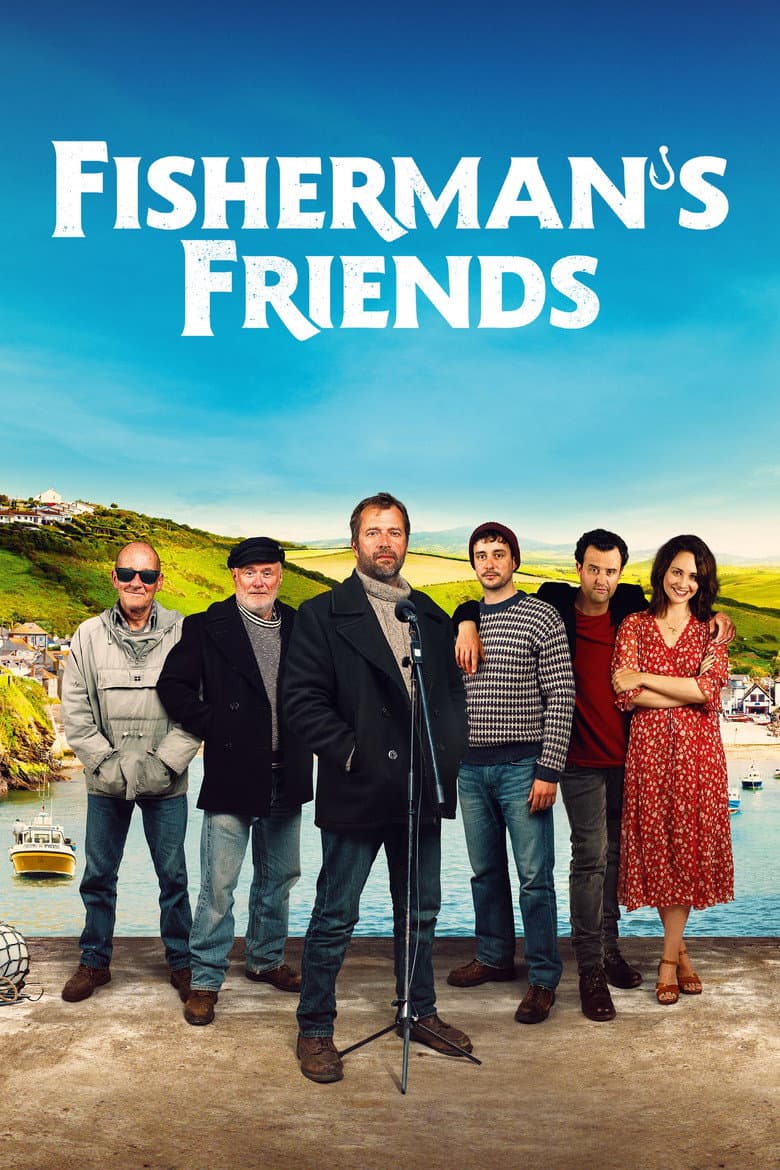
Movie · 2019
Ten fishermen from Cornwall are signed by Universal Records and achieve a top ten hit with their debut album of Sea Shanties.

Movie · 2025
An eccentric lottery winner who lives alone on a remote island tries to make his fantasies come true by getting his favourite musicians to perform at his home.
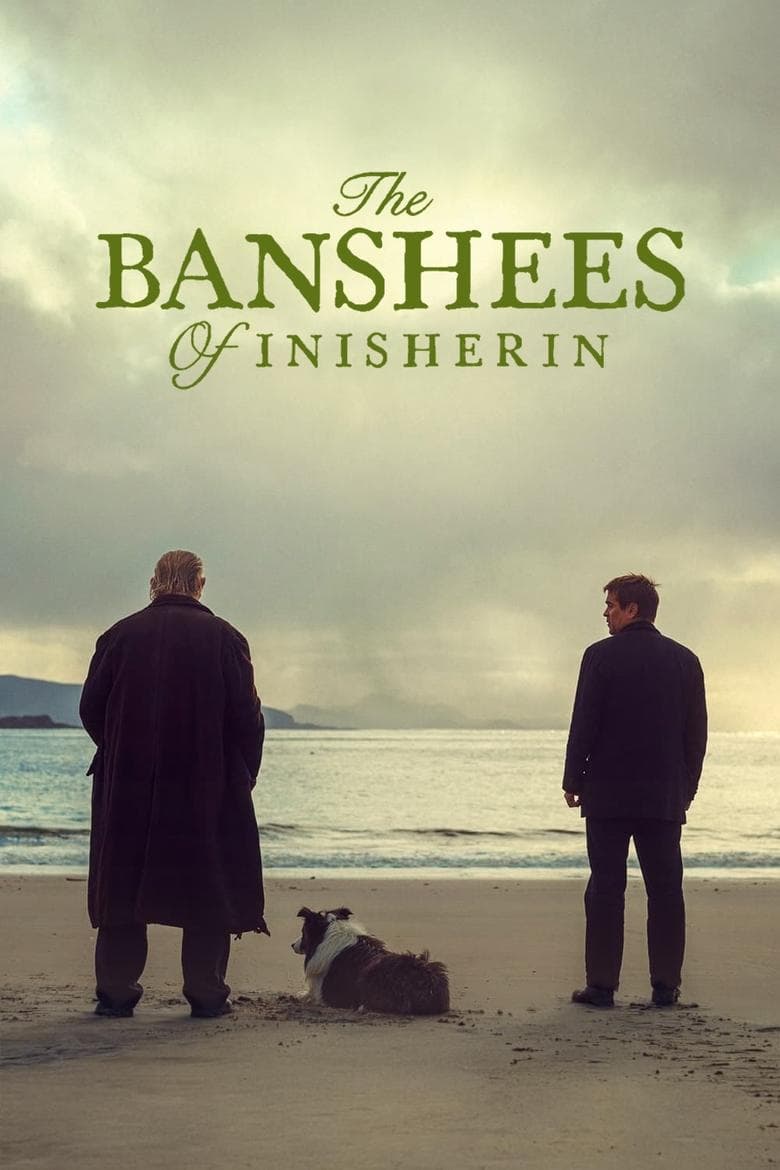
Movie · 2022
Two lifelong friends find themselves at an impasse when one abruptly ends their relationship, with alarming consequences for both of them.
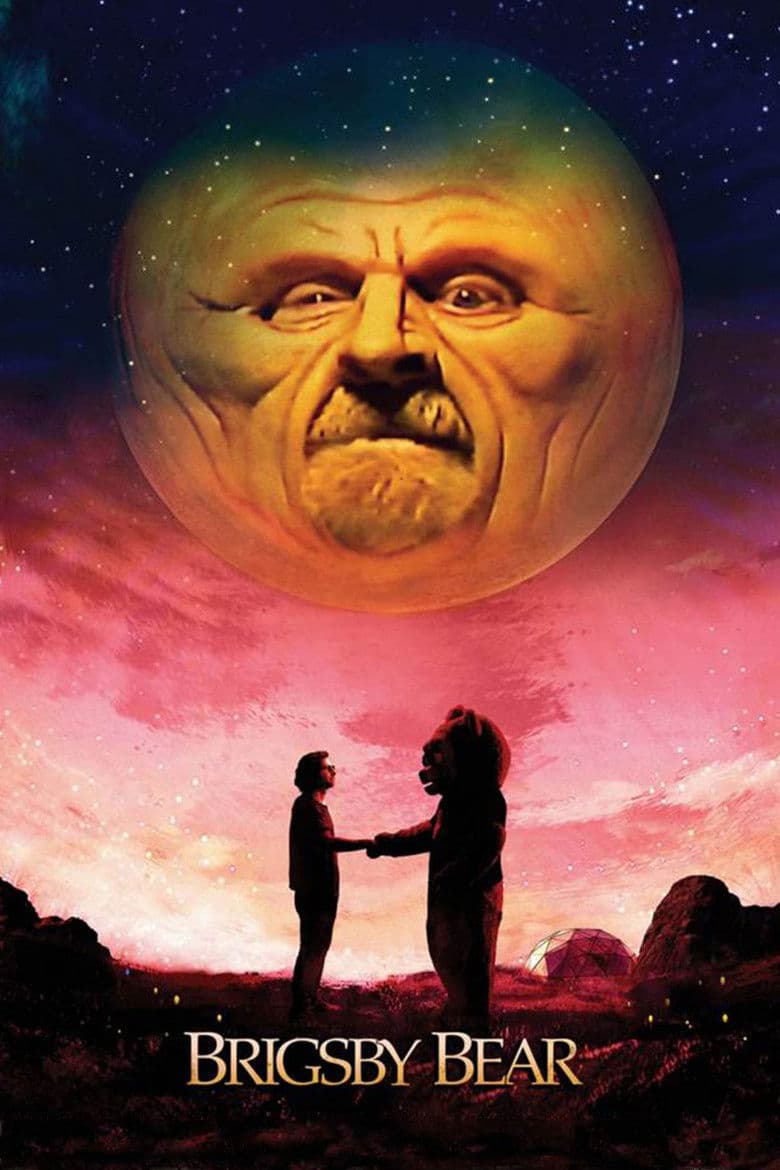
Movie · 2017
Brigsby Bear Adventures is a children's TV show produced for an audience of one: James. When the show abruptly ends, James's life changes forever, and he sets out to finish the…

Movie · 2020
Four stagnant high school teachers decide to test out a theory that maintaining a constant level of intoxication will improve their overall lives.

Movie · 2017
Within the course of a night, Woody Harrelson finds himself in a misadventure in London that winds him up in prison.

Movie · 2016
Aspiring New York City artist John Hollar returns to his Middle America hometown on the eve of his mother’s brain surgery.
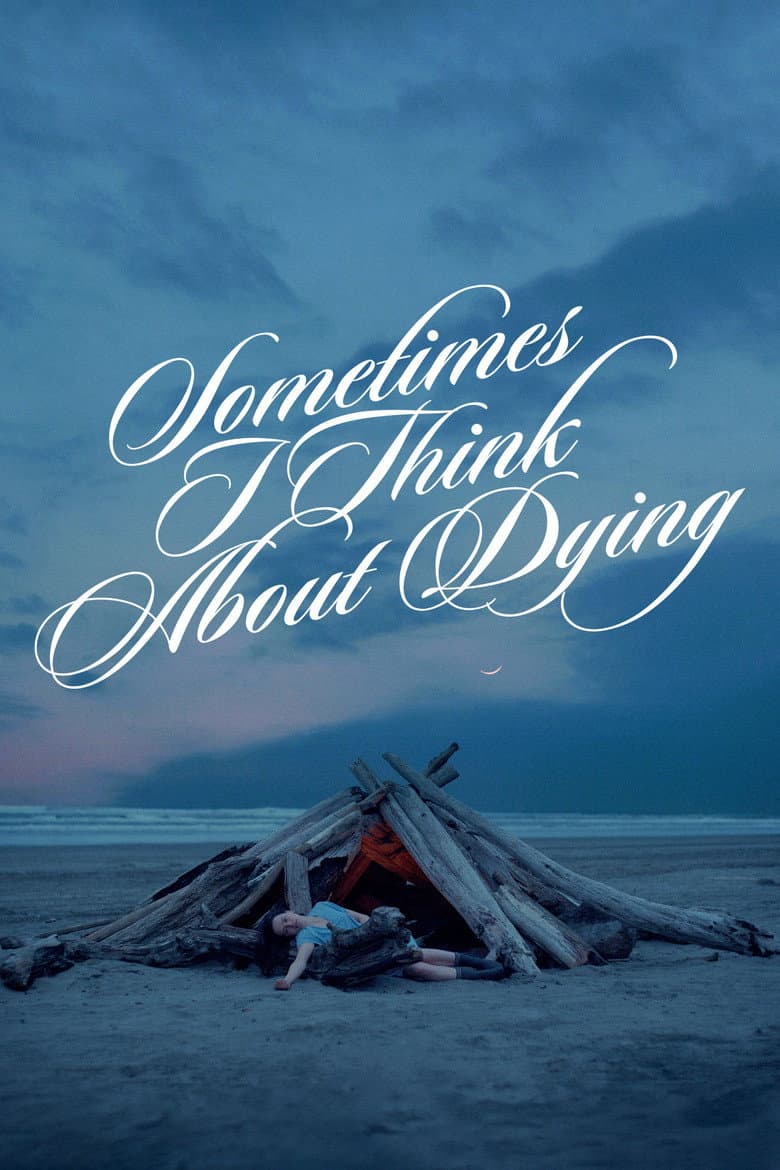
Movie · 2024
Fran likes to think about dying. It brings sensation to her quiet life. When she makes the new guy at work laugh, it leads to more: a date, a slice of pie, a conversation, a…
