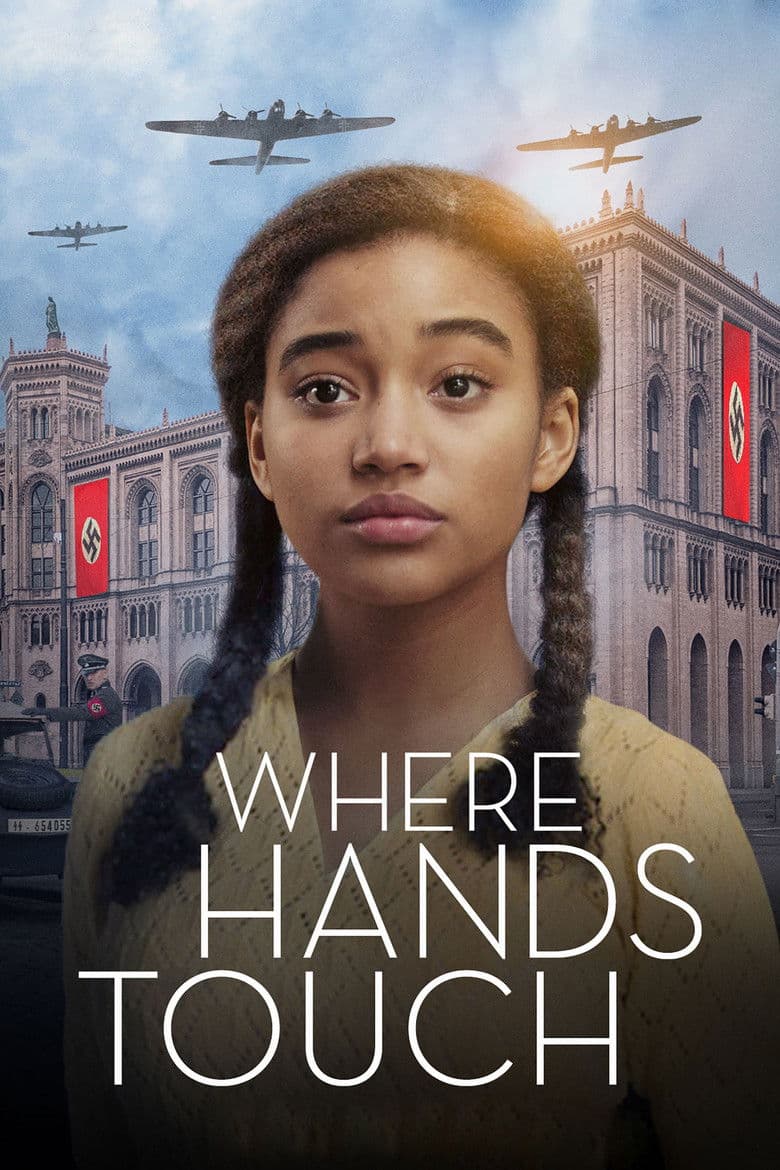
Where Hands Touch follows Leyna, a sixteen-year-old girl with a black African father and a white German mother. She lives in Germany in 1944, when Nazi rule treats her family as a problem because of her race. Leyna meets Lutz, a Hitler Youth member whose father serves the Nazi state, and their secret romance grows as the war closes in. The story moves from family life and school to forced work and a prison camp, so the tone becomes darker and more tragic.
Race, mixed identity, and the question of who belongs are the film's main story subjects. Leyna keeps saying that she is German while officials deny her place and punish her family. The romance joins a black teenager's fight to survive with a boy raised inside a racist political system. The movie presents nationalism, racial law, and pressure to hide part of yourself as forces that destroy families and personal choice.
Community feedback
Was our 70% Woke rating accurate?
Breakdown
These are the editorial factors and ratings behind our score for Where Hands Touch.
Woke representation / casting
The film casts Amandla Stenberg, a black actress, as Leyna, a mixed-race German teenager. The role matches the character's black African father and white German mother, so the choice fits the story world. Asante's interviews and the film's promotion present this lead as a way to bring a neglected black history to viewers. No wider one-of-each casting pattern appears in the main roles.
15%
Woke political dialogue
Leyna repeatedly says that she is German while officials deny that identity. The opening narration explains the label used for mixed-race children and the rules meant to control them. Leyna later says she must declare who she is and insists that she is both German and Black. The film makes race, nationality, and belonging a repeated spoken subject, though the words come from a historical story rather than modern policy talk.
43%
Identity-driven story themes
Leyna's mixed identity drives the main conflict. The Nazi state marks her family as a racial problem, while Leyna insists that Germany is her home. The romance puts her identity struggle beside Lutz's fight between love, duty, and Nazi training. The story repeatedly treats belonging, racial rules, persecution, and survival as its main themes.
84%
Western institutional / cultural critique
The film opens with a James Baldwin quote about a person's place in society. The story links Nazi propaganda, racial law, and public loyalty to the harm done by state power. Most of this criticism belongs to the historical Nazi setting, and the film does not make a broad attack on present-day family life, Christianity, capitalism, or Western society.
22%
Woke character or canon changes
Not relevant. The film uses fictional characters created for this story. It draws on historical records about black people under Nazi rule, but it does not rewrite a known character or real named event.
0%
Anti-woke backlash and complaints
Not present. No qualifying complaints were found. Reported backlash focused on the romance with a Hitler Youth member and claims that it romanticized Nazism, not on DEI or woke political messaging.
0%
Creator track record context
Amma Asante has a cached woke score of 69/100. Her past films often center race, gender, and Black experiences in history, and her interviews describe a wish to bring underrepresented voices forward. The casting director and most listed producers have low cached scores and no clear activist pattern. Asante provides most of the creator-context signal for this title.
58%
Production
Movie · 2016
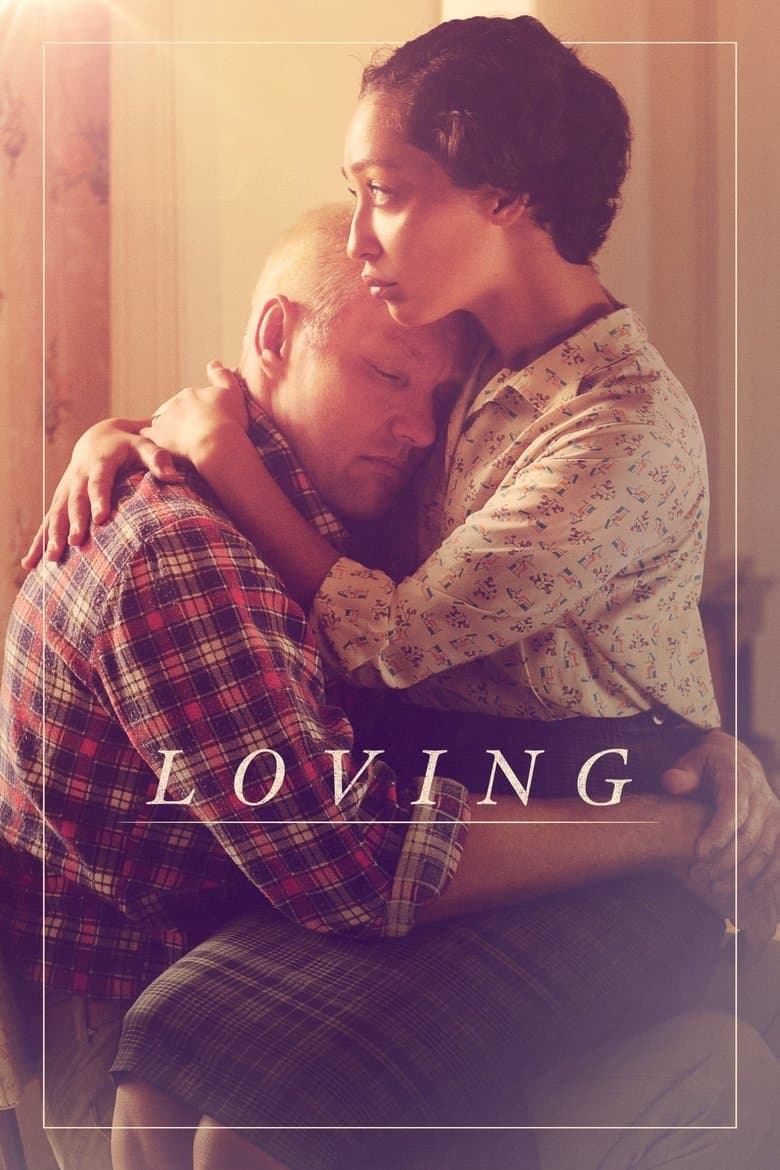
In 1958, in the state of Virginia, the idea of interracial marriage was not only considered to be immoral to many, it was also illegal.

Movie · 2016
Canadian folk artist Maud Lewis falls in love with a fishmonger while working for him as a live-in housekeeper.
Movie · 2020
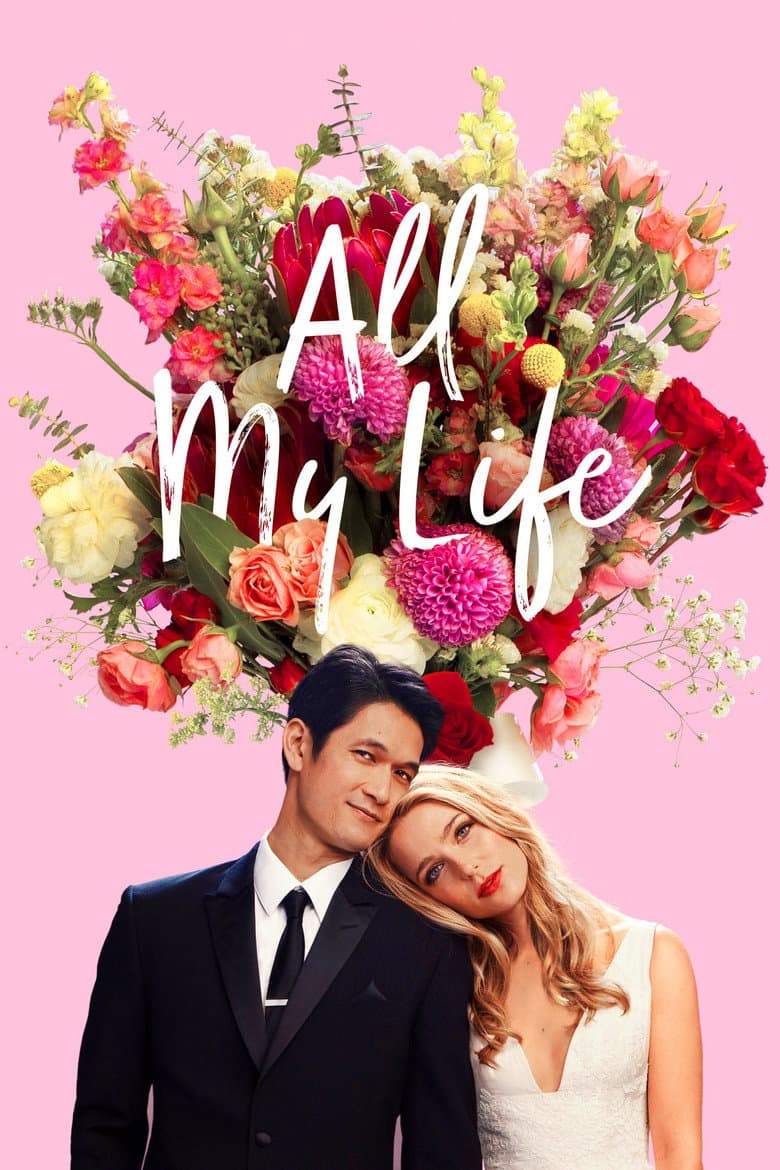
It was a chance meeting started by one of Sol’s friends trying to chat up Jennifer. However, in the end, it was those two who hit it off.
Movie · 2020
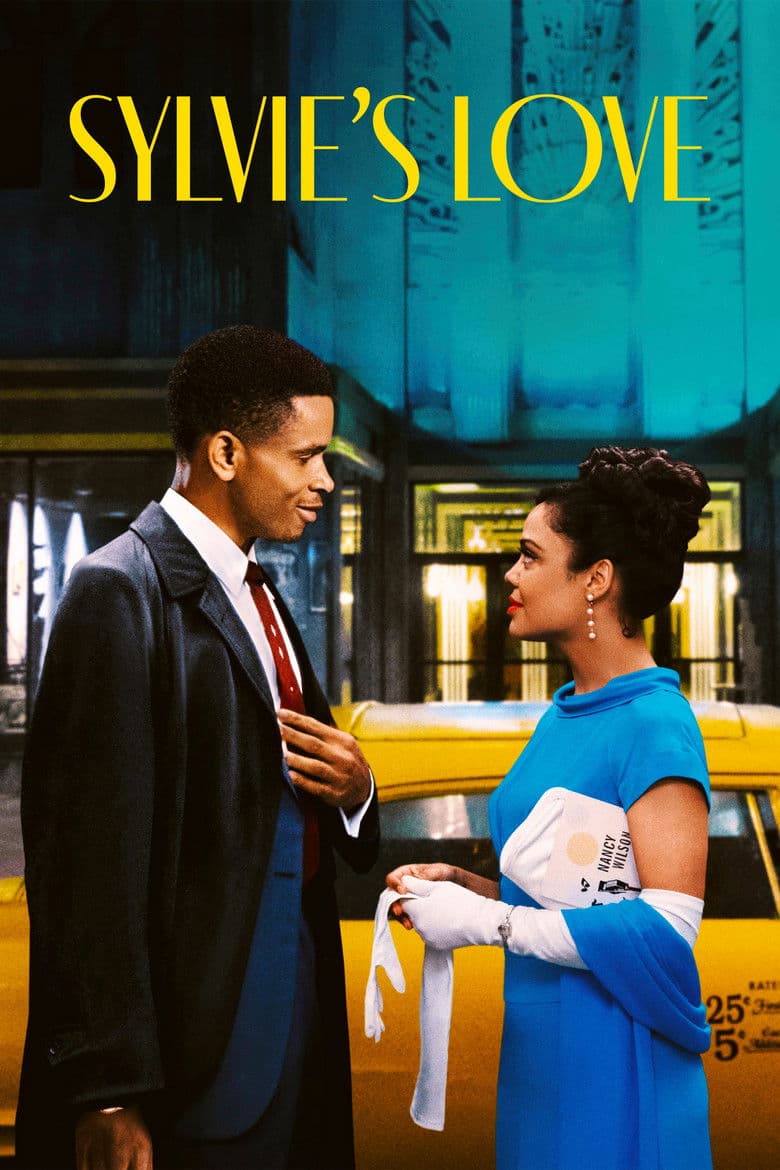
When a young woman meets an aspiring saxophonist in her father’s record shop in 1950s Harlem, their love ignites a sweeping romance that transcends changing times, geography, and…

Movie · 2018
Katie, a 17-year-old, has been sheltered since childhood and confined to her house during the day by a rare disease that makes even the smallest amount of sunlight deadly.
Movie · 2025
Based on a true story, two down-on-their-luck musicians form a joyous Neil Diamond tribute band, proving it's never too late to find love and follow your dreams.
Movie · 2017
Addie Moore and Louis Waters, a widow and widower, have lived next to each other for years. The pair have almost no relationship, but that all changes when Addie tries to make a…
Movie · 2017
The story of four characters whose lives intertwine amid the hustle and bustle of the Coney Island amusement park in the 1950s: Ginny, an emotionally volatile former actress now…
