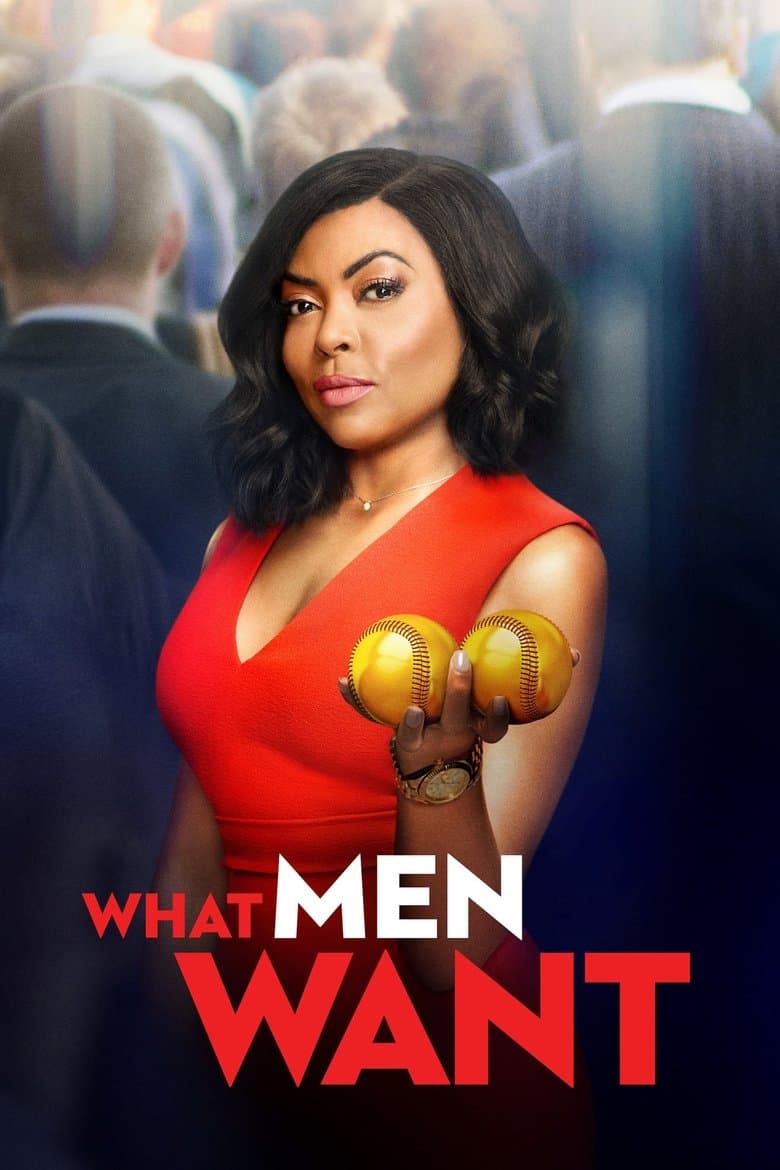
Ali Davis is a successful sports agent in Atlanta who wants to become a partner at her firm. Her male bosses pass her over, so she searches for a way to win a major young basketball client. After a strange tea and a head injury, Ali can hear the private thoughts of men. She uses the power to beat her rivals, repair damaged friendships, and build a romance with Will, a kind bartender.
The movie makes gender a major part of Ali’s work and personal life. It shows a male office that treats her as too hard when she acts like the men around her, while men are praised for similar behavior. Ali hears crude thoughts, faces double standards about marriage and ambition, and hears her boss mention #MeToo. The story also includes an openly gay assistant and a black female lead, but its main message is that men and women want trust, respect, safety, and a chance to be judged fairly.
Community feedback
Was our 74% Woke rating accurate?
Breakdown
These are the editorial factors and ratings behind our score for What Men Want.
Woke representation / casting
Ali is a black woman who leads the film as a successful sports agent. The movie also gives her a recurring openly gay assistant and several prominent female friends. The remake’s visible identity focus comes from changing Mel Gibson’s male lead into Taraji P. Henson’s black female lead. The modern Atlanta setting makes the wider cast believable, so the score comes from the clear identity emphasis.
43%
Woke political dialogue
Ali calls her workplace a “boys-club” and says she was denied a fair chance. Her boss refers to #MeToo when he threatens her job. The script also talks about double standards and the pressure on women to prove themselves. These ideas recur through the workplace story, but political language is not the film’s whole dialogue.
41%
Identity-driven story themes
Ali believes she must act like the men around her to succeed. The story says a woman needs a magic power to gain equal respect at work. Ali faces different rules about ambition, sex, marriage, and leadership. She later leaves the old firm and builds her own agency after learning to treat friends and partners better.
56%
Western institutional / cultural critique
The sports agency is shown as a boys’ club that favors men for promotion. Ali’s boss judges her as too hard and tells her to stay in her lane. The film jokes about male sexual behavior and double standards for single women. The story criticizes workplace culture, but it does not attack Christianity, family life, or capitalism as a whole.
45%
Woke character or canon changes
The film changes the original lead from a white male advertising executive into Ali, a black female sports agent. The gender and race change is central to the new plot. The new story uses that change to focus on women facing male power at work. The score rests on the identity change, not simply on moving the job from advertising to sports.
54%
Anti-woke backlash and complaints
A small 2019 r/Conservative discussion placed the movie among Hollywood’s “woke broke” films. An r/movies commenter called its message low-brow male-bashing. Some audience comments also objected to the gender-swapped lead and said the character was hard to relate to. The complaints were scattered, with no large organized backlash.
16%
Creator track record context
Taraji P. Henson has supported black representation, pay equity, and women’s empowerment. Tina Gordon and Jas Waters have supported black representation and inclusive casting. Adam Shankman has spoken openly about being gay and against anti-LGBT bigotry. Will Packer and James Lopez have built representation-focused production work, while several other listed creators have less activist history.
50%
Production

Movie · 2026
A happily engaged couple is put to the test when an unexpected turn sends their wedding week off the rails.

Movie · 2024
Ana is an ambitious intern dreaming of a career in the art world while trying to impress her demanding boss Claire.

Movie · 2022
Two strangers believe in love but never seem to be able to find its true meaning. In a wild twist of events, fate puts each in the other's path on one stormy New Year's Eve.

Movie · 2023
On the brink of losing her childhood home, Maddie discovers an intriguing job listing: wealthy helicopter parents looking for someone to “date” their introverted 19-year-old son…

Movie · 2020
An on-the-lam punk rocker and a young woman obsessed with a local band go on an unexpected and epic journey together through the decaying suburbs of the American Midwest.
Movie · 2020
A guy meets the woman of his dreams and invites her to his company's corporate retreat, but realizes he sent the invite to the wrong person.
Movie · 2023
Two twenty-somethings, both reeling from bad break-ups, connect over the course of an eventful day in South London – helping each other deal with their nightmare exes, and…

Movie · 2023
After a disastrous first date, wild-child Nicole and socially-anxious Max vow to lose each other’s numbers until they learn that their dogs found a love match, and now puppies are…
