
Jules travels with her wife, Jackie, to a remote family cabin in the Canadian woods for their first wedding anniversary. Jackie seems loving at first, but Jules learns that her wife has used another name and hidden a deadly past. Jackie pushes Jules from a cliff and then hunts her through the forest. Jules must survive severe injuries, uncover the truth, and decide whether to run or fight back. The movie has a cold, tense, and bloody tone.
The film puts a married lesbian couple at the center of its horror story, so queer identity is visible from the first minutes and remains part of the relationship at every turn. The story shows two women as lovers, victims, killers, and survivors instead of using a man as the main threat. Jules is already confident at the start and becomes a strong fighter after Jackie attacks her. The movie treats the marriage as normal, but the same-sex couple still shapes the cast, premise, and audience view.
Community feedback
Was our 66% Woke rating accurate?
Breakdown
These are the editorial factors and ratings behind our score for What Keeps You Alive.
Woke representation / casting
The two lead roles are women in a married lesbian couple. Their relationship is not background material because the anniversary, betrayal, and fight for life all happen within that marriage. The supporting cast is small and does not form a broad diversity group. The main identity signal comes from making a same-sex marriage the center of a horror film, even though the modern Canadian setting can realistically include such a couple.
76%
Woke political dialogue
Not present. The characters talk about marriage, deceit, hunting, survival, and murder. The film does not use speeches or repeated lines to argue for modern identity or activist politics.
0%
Identity-driven story themes
The film puts a married lesbian couple at the center of its whole story. Their love, betrayal, and fight for survival drive every major scene. The film shows two women as both the victim and the killer in a central horror conflict. The marriage is treated as normal, but the same-sex relationship still shapes the story and its identity focus.
82%
Western institutional / cultural critique
Not present. The film shows domestic abuse and a criminal marriage, but it does not blame Western institutions, patriarchy, religion, capitalism, or traditional family life. The conflict stays personal and psychological.
0%
Woke character or canon changes
Not relevant. The film is an original story with no established characters, franchise canon, or real historical figures to change. The late change from a husband and wife to two wives happened during development and did not alter an existing source.
0%
Anti-woke backlash and complaints
Not present. The separate X research found no anti-woke posts, boycott, or review-bombing. Other public comments focused on suspense, story logic, violence, and queer representation rather than claims that the film pushes DEI or left-wing politics.
0%
Creator track record context
Colin Minihan has a recurring pattern of female-led and queer stories, but the cached record shows little public activist or partisan work. Brittany Allen has a stronger women-centered and diversity-aware pattern in her work. Kurtis David Harder and Chris Ball are linked to queer-centered projects, while most other listed producers have little such public record. The team gives the film moderate supporting context, not a broad activist profile.
30%
Production
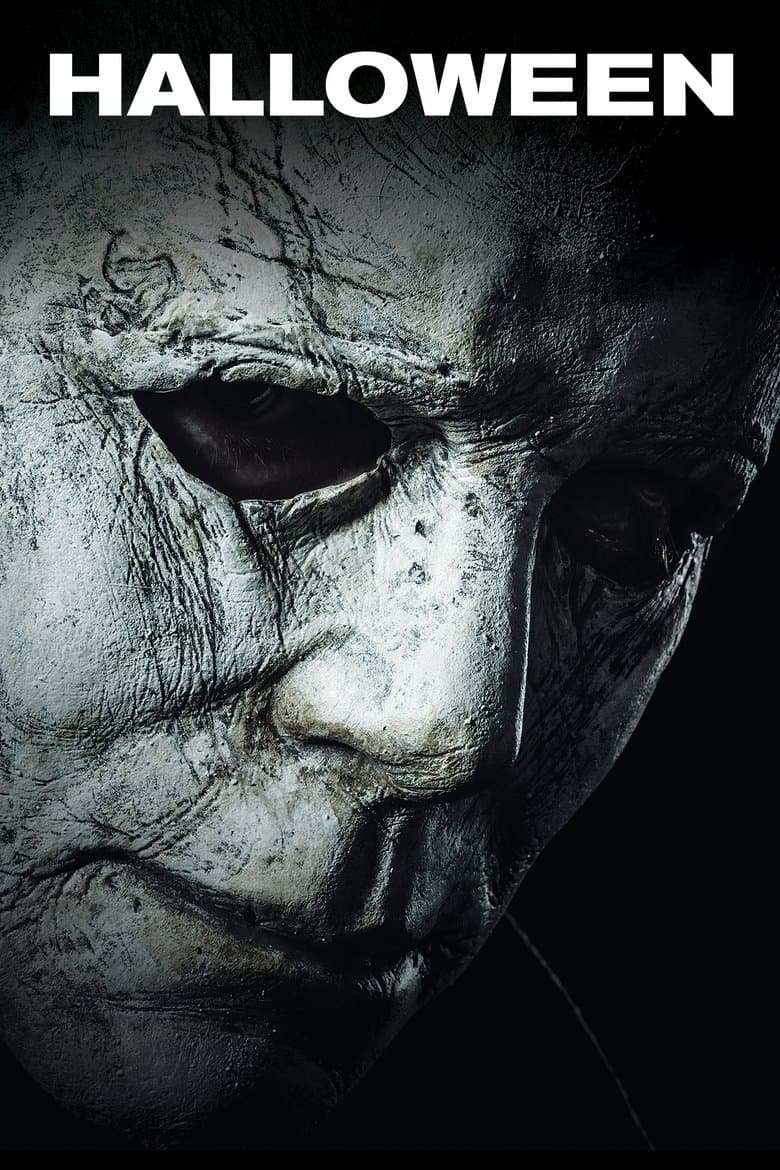
Movie · 2018
Laurie Strode comes to her final confrontation with Michael Myers, the masked figure who has haunted her since she narrowly escaped his killing spree on Halloween night four…

Movie · 2024
Nothing is what it seems when a twisted one-night stand spirals into a serial killer’s vicious murder spree.
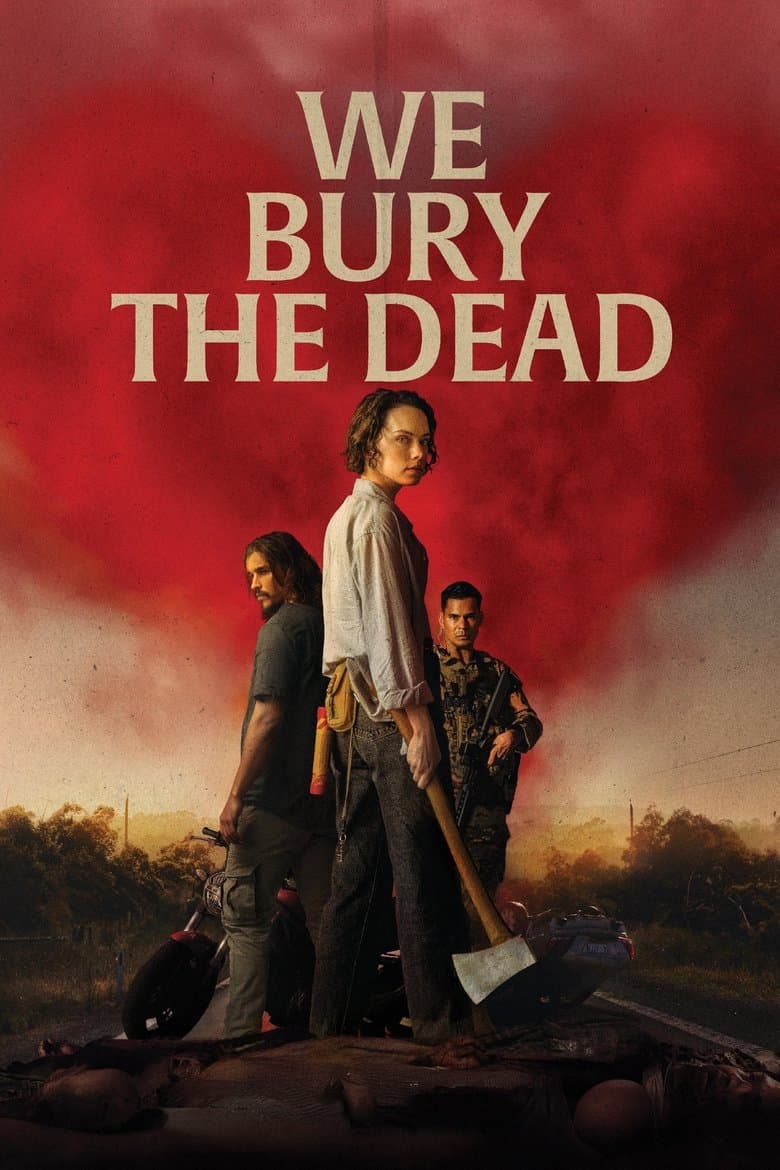
Movie · 2026
After a catastrophic military disaster reanimates the dead, Ava searches for her missing husband amidst an increasingly hostile world.
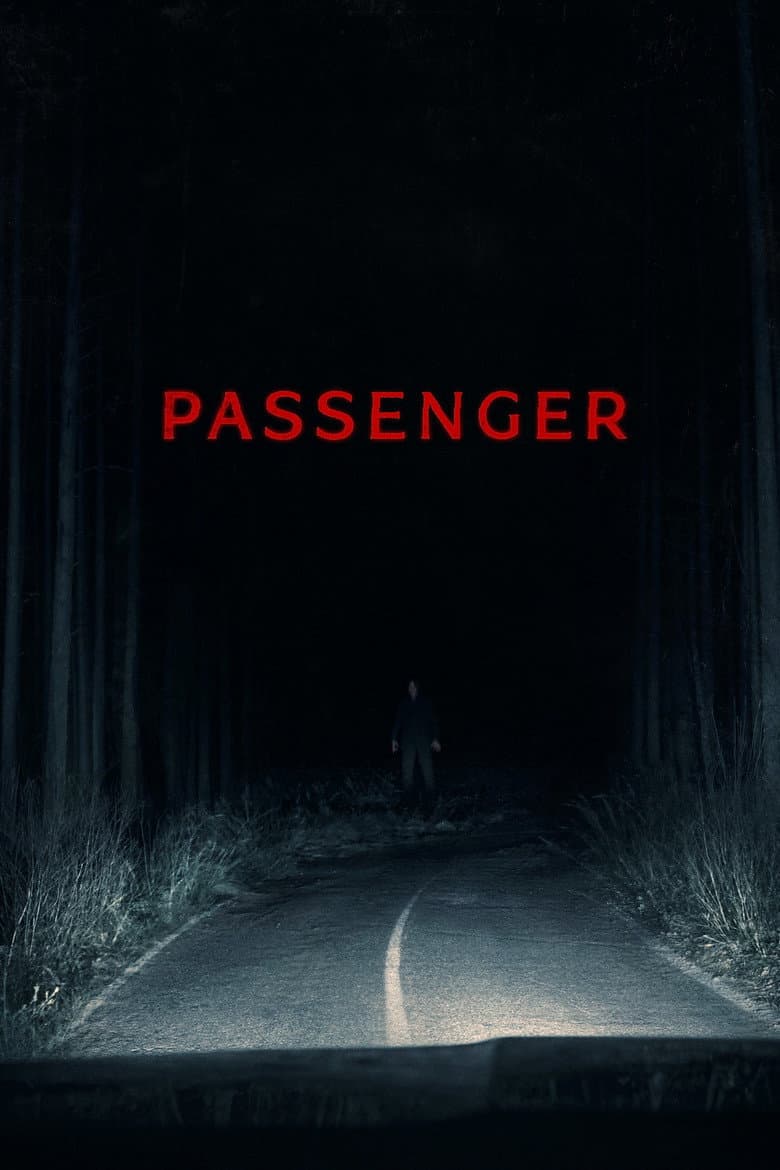
Movie · 2026
After a young couple witnesses a gruesome highway accident, they soon realize they did not leave the crash scene alone, as a demonic presence called the Passenger that won't stop…
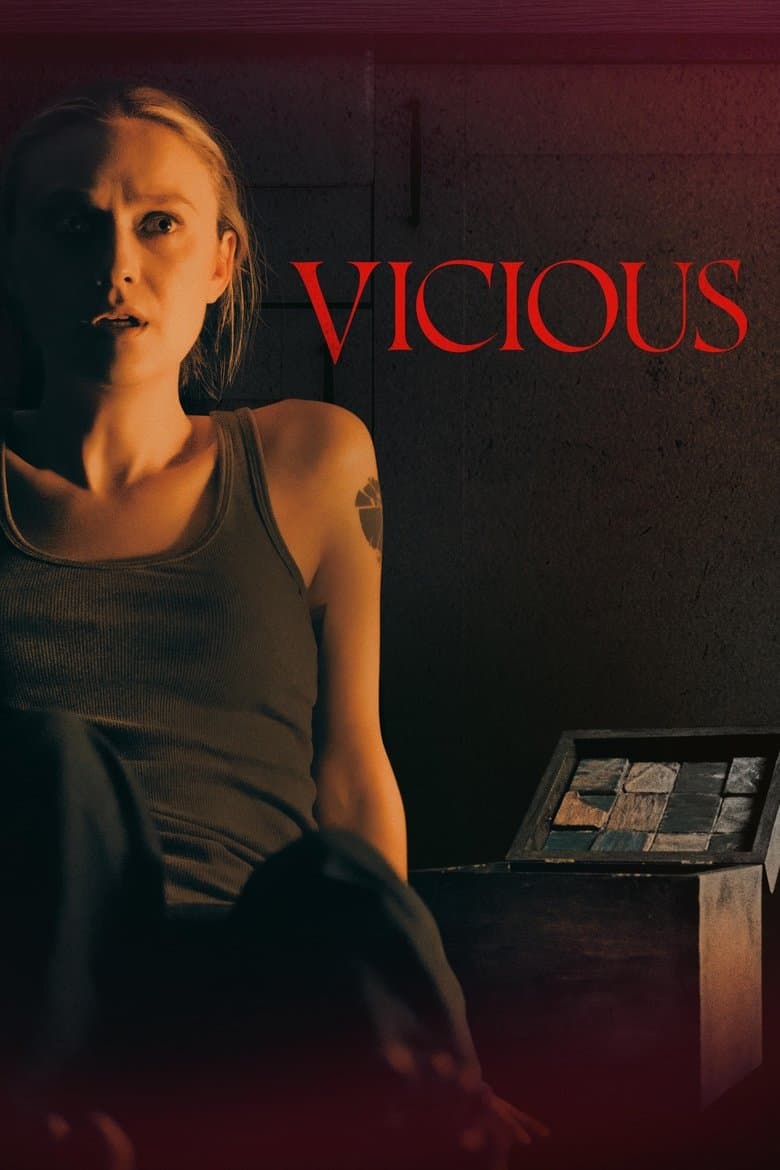
Movie · 2025
When Polly receives a mysterious box, it comes with one rule: place inside something she needs, something she hates, and something she loves.
Movie · 2024
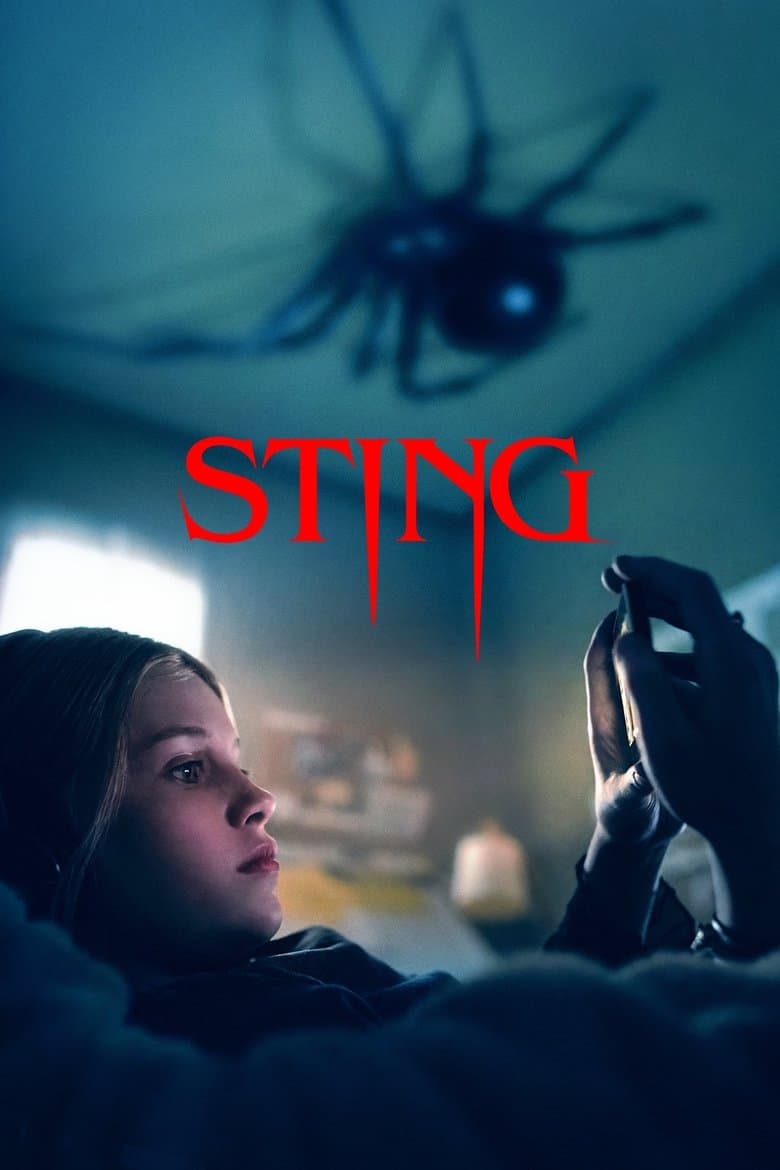
After raising an unnervingly talented spider in secret, 12-year-old Charlotte must face the truth about her pet and fight for her family's survival.

Movie · 2025
A collection of Halloween-themed videotapes unleashes a series of twisted, blood-soaked tales, turning trick-or-treat into a struggle for survival.
Movie · 2021
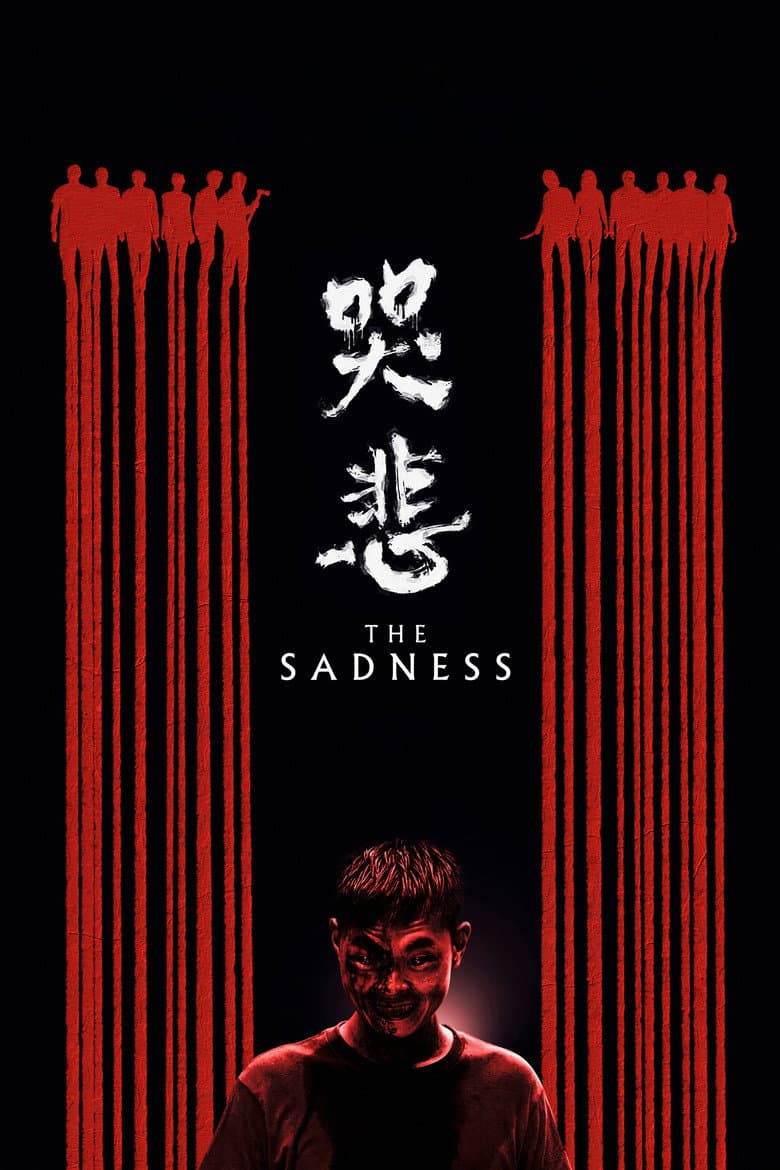
A young couple is pushed to the limits of sanity as they attempt to be reunited amid the chaos of a pandemic outbreak.
