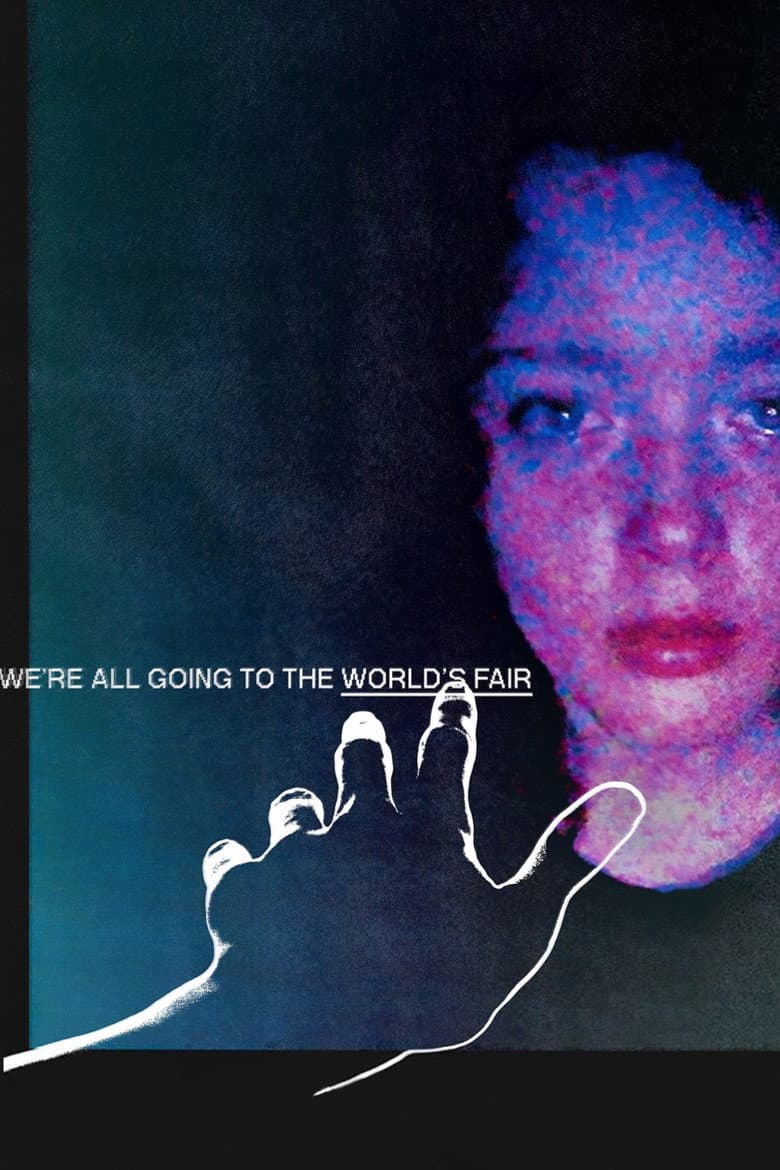
Casey is a lonely teenage girl who lives with her father in a quiet American home. One night, she joins the World's Fair Challenge, an online horror game that asks players to record strange changes in their bodies and minds. Casey posts videos from her attic bedroom and hopes the game will give her a new identity and a way to reach other people. Her contact with JLB, an older player who says he wants to protect her, makes the game feel more dangerous. The film has a slow, uneasy tone, and it keeps real events and online acting hard to separate.
The film repeatedly turns Casey's body, behavior, and sense of self into its main mystery. The imagined changes let her explore the fear that her body and life do not feel like her own. This idea can be read as gender dysphoria, or the feeling that one's body does not match one's inner self, even though Casey never clearly says that she is transgender. The story also focuses on loneliness, online performance, unsafe adult attention, and the search for connection. The film does not use political speeches or attacks on Western institutions, so its identity message stays personal and indirect.
Community feedback
Was our 52% Woke rating accurate?
Breakdown
These are the editorial factors and ratings behind our score for We're All Going to the World's Fair.
Woke representation / casting
Not present. The story gives Casey a female lead role, but it does not make her a powerful boss, top fighter, or identity symbol. The small cast does not show a repeated identity pattern in its main roles.
0%
Woke political dialogue
Not present. No characters give modern identity, DEI, or activist speeches. The dialogue centers on the game, fear, loneliness, and the unsafe bond between Casey and JLB.
0%
Identity-driven story themes
The story repeatedly turns Casey's body, behavior, and sense of self into the film's main mystery. The World's Fair game lets her imagine that she can become someone else. The film never names Casey as transgender, but its body-change images and focus on feeling wrong in one's body strongly support a gender dysphoria reading. This idea shapes the main plot and ending, even though the film also works as a story about loneliness and online performance.
72%
Western institutional / cultural critique
Not present. The story does not attack family life, religion, capitalism, or Western institutions through modern activist messaging. Its danger comes from online isolation and a possibly unsafe adult contact.
0%
Woke character or canon changes
Not relevant. The film is an original story, so it does not alter an established character, canon, or historical event.
0%
Anti-woke backlash and complaints
Not present. The separate X pass found no anti-woke complaints about this film. Other web discussion focused on pace, ambiguity, horror, and possible trans subtext rather than claims that the film pushed DEI or identity politics.
0%
Creator track record context
Director Jane Schoenbrun has a strong public record of queer and trans-focused work. Schoenbrun's interviews connect this film to questions about online identity and dysphoria. Producer Sarah Winshall has backed independent films about queer, trans, and nonconforming people. Most other cached producers have craft-focused profiles without a clear activist record, so the director is the main reason this factor is high.
82%
Production
Movie · 2018
When Simon brings his twelve year-old son, Finn, to rural Vermont to help flip an old farmhouse, they encounter the malicious spirit of Lydia, a previous owner.
Movie · 2022
In the wake of a young Jewish girl’s disappearance, the son of a Hasidic funeral director returns home with his pregnant wife in hopes of reconciling with his father.
Movie · 2018
Professor Philip Goodman devotes his life to exposing phony psychics and fraudulent supernatural shenanigans.
Movie · 2018
A filmmaker discovers a box of video tapes depicting two students' disturbing film project featuring a local horror legend, The Peeping Tom.
Movie · 2017
In a small town in Maine, seven children known as The Losers Club come face to face with life problems, bullies and a monster that takes the shape of a clown called Pennywise.
Movie · 2017
Liam wakes from a car crash with no memory of who he is. As he makes his way into town to look for help, he finds only dead bodies, all with strange pale eyes.
Movie · 2019
Dealing with a girlfriend suddenly leaving is tough enough. But for Hank, heartbreak couldn’t have come at a worse time.
Movie · 2018
After suspecting that their police officer neighbor is a serial killer, a group of teenage friends spend their summer spying on him and gathering evidence, but as they get closer…
