
Vikram follows Amar, a black-ops police officer who investigates the deaths of two officials and a hidden civilian. His search leads him to Karnan, a drunken old man whose secret life is tied to a former spy team, a missing drug shipment, and a powerful crime boss. The story moves through Chennai’s police world, family homes, criminal hideouts, and a port as the investigation turns into a war. The tone is dark, violent, and fast, with mystery, black humor, and loud star-driven action.
The clearest woke-coded element is Agent Tina, a woman first shown as a household worker who is later revealed as a skilled black-ops fighter. She gets one memorable fight against male gangsters and briefly steals attention from the main heroes. The film does not build a wider story about women’s rights, identity, or representation around her. Most of the movie instead supports a drug-free society through revenge, secret missions, loyalty, and direct attacks on corrupt officials and criminals.
Community feedback
Was our 26% Woke rating accurate?
Breakdown
These are the editorial factors and ratings behind our score for Vikram.
Woke representation / casting
Not present. The cast and character mix fit a modern Tamil crime story, and the movie does not frame its casting as a diversity or identity statement.
0%
Woke political dialogue
The song “Pathala Pathala” says the Union government has emptied the treasury and calls the person holding the key a thief. The film also has lines about declaring war on the system and about terrorism becoming revolution. Karnan’s longer speech supports a drug-free society, but it serves the crime plot rather than identity politics. These ideas appear in a few moments and do not control the whole story.
27%
Identity-driven story themes
Agent Tina first appears as a domestic worker and later reveals herself as a skilled black-ops fighter. The film gives her one strong fight against male gangsters, and the moment briefly shifts attention away from the main heroes. The film does not repeat this gender message through the main story. The rest of the plot follows male spies, crime bosses, drugs, revenge, and loyalty.
25%
Western institutional / cultural critique
Not present. The film shows corrupt officials and vigilantes who break the rules, but those ideas stay inside a crime and action plot. The story does not attack Western culture, Christianity, family life, or traditional gender roles through modern activist messaging.
0%
Woke character or canon changes
Not relevant. The movie reuses the older Vikram spy idea and keeps the character as an Indian man. The new grandfather role, family links, and drug plot are story changes, not race, sex, sexuality, or identity changes.
0%
Anti-woke backlash and complaints
One Reddit commenter linked the film to Kamal Haasan’s “woke politics” and alleged anti-Hindu bias. The claim did not spread into a boycott, review-bombing, or wider news story. Searches of X found no anti-woke complaints, and the main reported dispute concerned a political song.
3%
Creator track record context
Kamal Haasan has a public record of secular and reform-minded politics, and he has said that his films can express his politics. Lokesh Kanagaraj is mainly linked to action films and anti-drug messages, not DEI campaigns. Rathna Kumar and the Anbariv team have no strong public record of identity-politics activism. The wider producer group also has a mainly commercial profile.
25%
Production
Movie · 2019
Dilli, a convicted criminal, is out on parole to meet his daughter. However, a drug bust sets him off on a mission to save the life of police officers.
Movie · 2025
A mysterious traveler slips into the heart of Karachi's underbelly and rises through its ranks with lethal precision, only to tear the notorious ISI-Underworld nexus apart from…

Movie · 2019
While on a prison furlough, a lowly criminal evades his guards and returns to his old stomping ground to take revenge on the people who turned him into a cold blooded killer.
Movie · 2020
A reformed hunter becomes involved in a deadly game of cat and mouse when he and the local sheriff set out to track a vicious killer who may have kidnapped his daughter years ago.
Movie · 2020
A bank robber tries to turn himself in because he's falling in love and wants to live an honest life...but when he realizes the Feds are more corrupt than him, he must fight back…
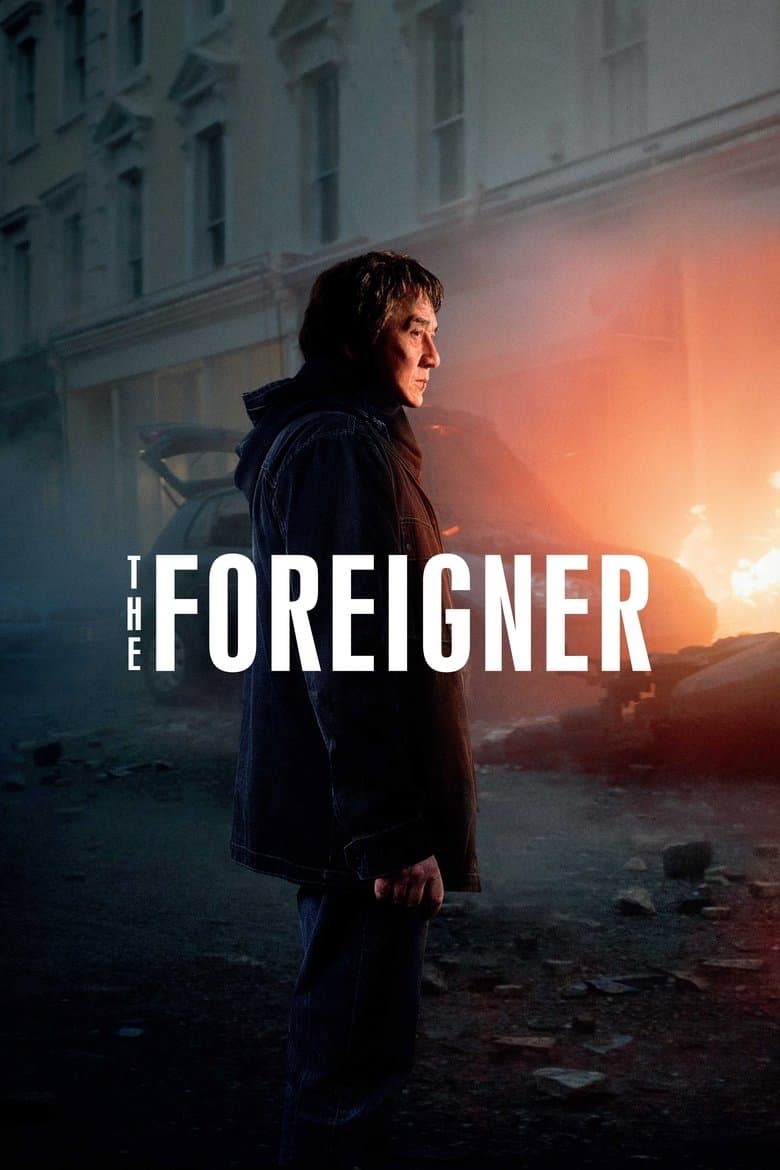
Movie · 2017
Quan is a humble London businessman whose long-buried past erupts in a revenge-fueled vendetta when the only person left for him to love – his teenage daughter – dies in an Irish…
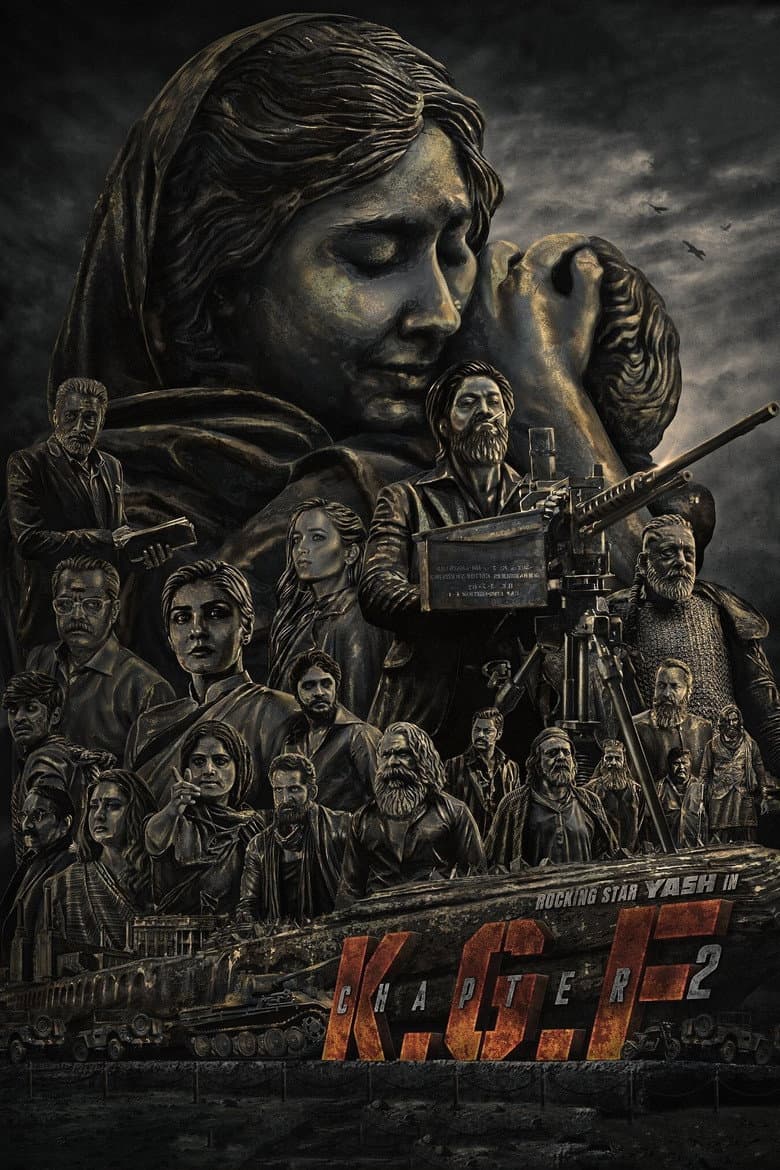
Movie · 2022
The blood-soaked land of Kolar Gold Fields (KGF) has a new overlord now - Rocky, whose name strikes fear in the heart of his foes.
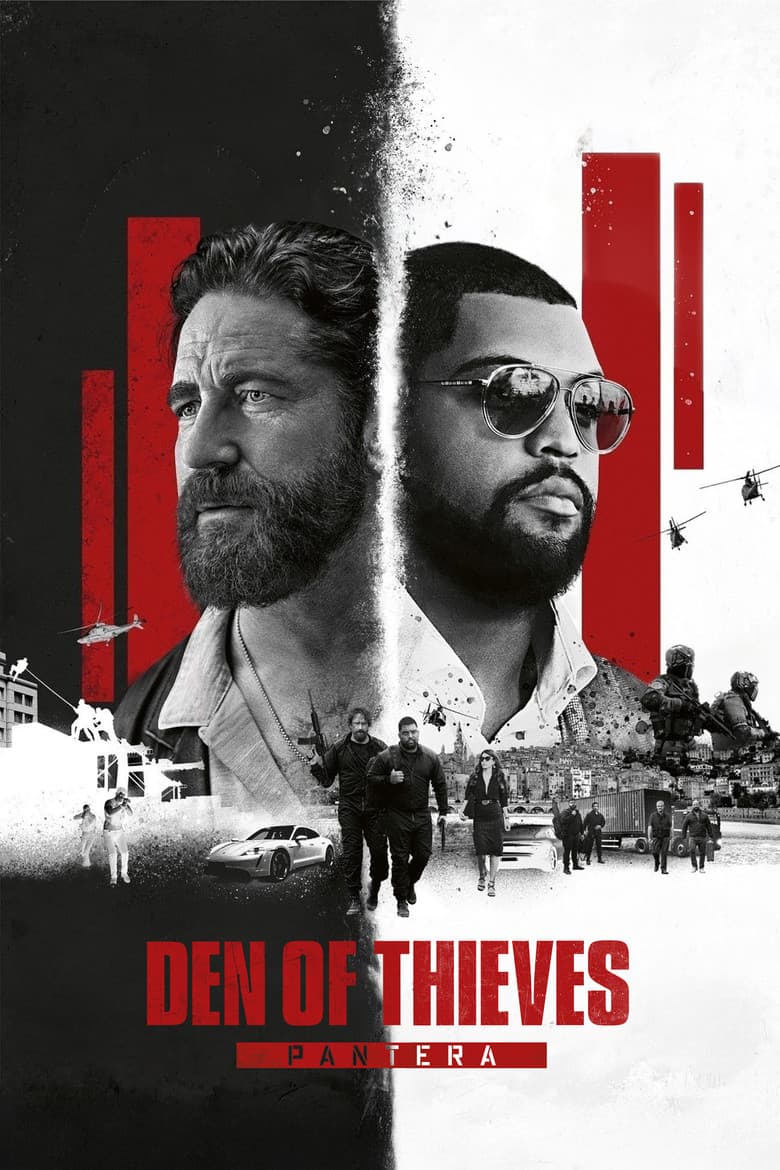
Movie · 2025
Big Nick is back on the hunt in Europe and closing in on Donnie, who is embroiled in the treacherous and unpredictable world of diamond thieves and the infamous Panther mafia, as…
