Movie review
April 14, 2022 · 168 min · PG-13 · Kannada · Crime · Action · Thriller · Adventure
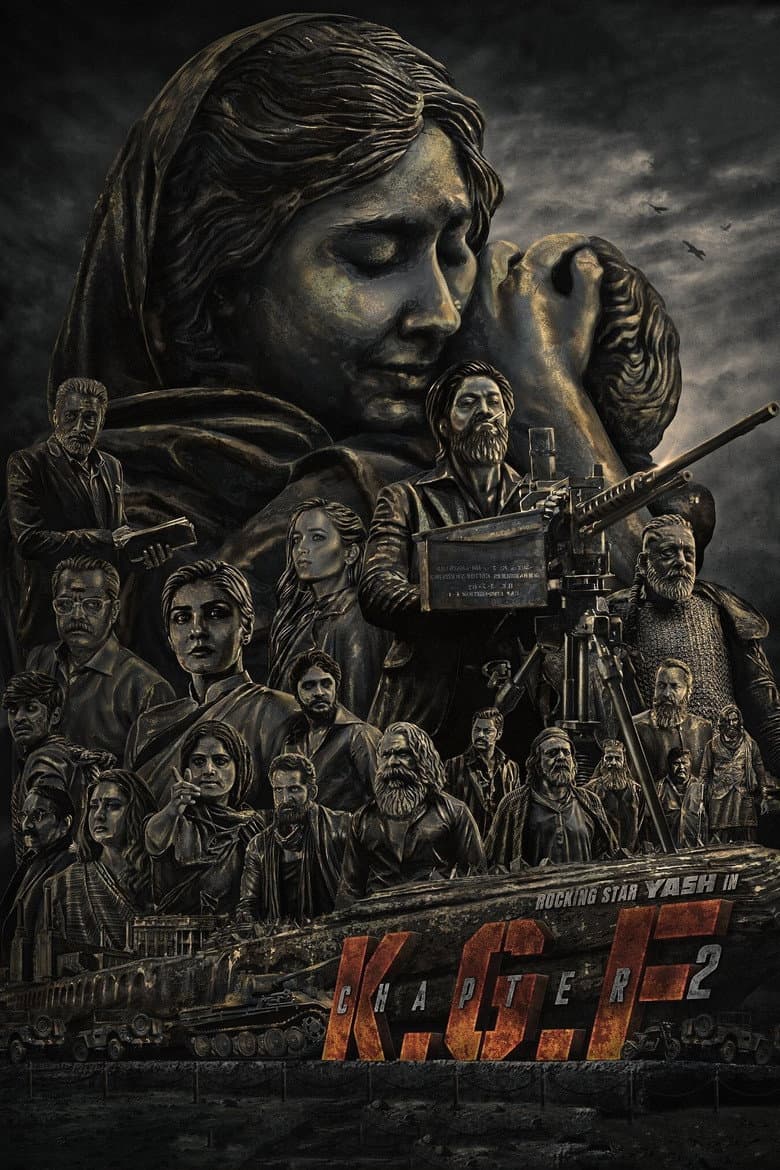
Rocky rules the Kolar Gold Fields after taking the mine from its former masters. The poor workers see him as a protector, while rival gangster Adheera and Prime Minister Ramika Sen want to end his rule. Rocky expands his gold empire through deals, threats, and killings in the late 1970s and early 1980s. The film is dark, loud, and violent, with gun battles, revenge, fear, and larger-than-life hero worship.
Rocky's drive comes from his mother's wish that he become powerful and rich, and he treats the mine workers as his people. The story presents him as a criminal savior even while he rules through threats, killings, and forced loyalty. Reena is kept close to Rocky, called his entertainment, and given little power, while Ramika Sen is a tough woman prime minister who can challenge him. The film's main ideas are power, family loyalty, hard lives, ambition, and the cost of building an empire through violence.
Community feedback
Was our 1% Woke rating accurate?
Breakdown
These are the editorial factors and ratings behind our score for K.G.F: Chapter 2.
Woke representation / casting
Not present. The cast is Indian in an Indian story, and the Muslim characters and woman prime minister fit that setting. The film does not frame these choices as a diversity statement or repeat an identity-first casting pattern.
0%
Woke political dialogue
Not present. The movie includes talk about crime, elections, government power, and law and order. Those lines serve the gangster plot and do not push modern identity, gender-role, DEI, or activist ideas.
0%
Identity-driven story themes
Not present. The story centers on a violent gangster, his mother's wish, worker loyalty, revenge, and control of gold. It does not turn class hardship or slavery in the mines into modern identity-politics or representation messaging.
0%
Western institutional / cultural critique
Not present. The film shows corrupt politicians, police, and government forces as enemies in a crime story. It does not connect that conflict to Western culture, Christianity, family life, or modern gender politics.
0%
Woke character or canon changes
Not relevant. The movie uses original fictional characters and continues the identities established in Chapter 1. It does not swap the race, gender, sexuality, or leadership role of a known character or real historical figure.
0%
Anti-woke backlash and complaints
Not present. No sustained public complaint claimed that the film pushes woke, DEI, or identity-politics messaging. X showed no anti-woke complaints, while a few right-leaning accounts praised the film as not woke.
0%
Creator track record context
Prashanth Neel's interviews present the film as a commercial gangster story built around emotion and a mother-son bond. The supplied records show no woke track record for the directors, Karthik Gowda, or K V Rama Rao, while Vijay Kiragandur has a mild record of social messages and worker support. The combined creator context is therefore very low.
4%
Production
Movie · 2018
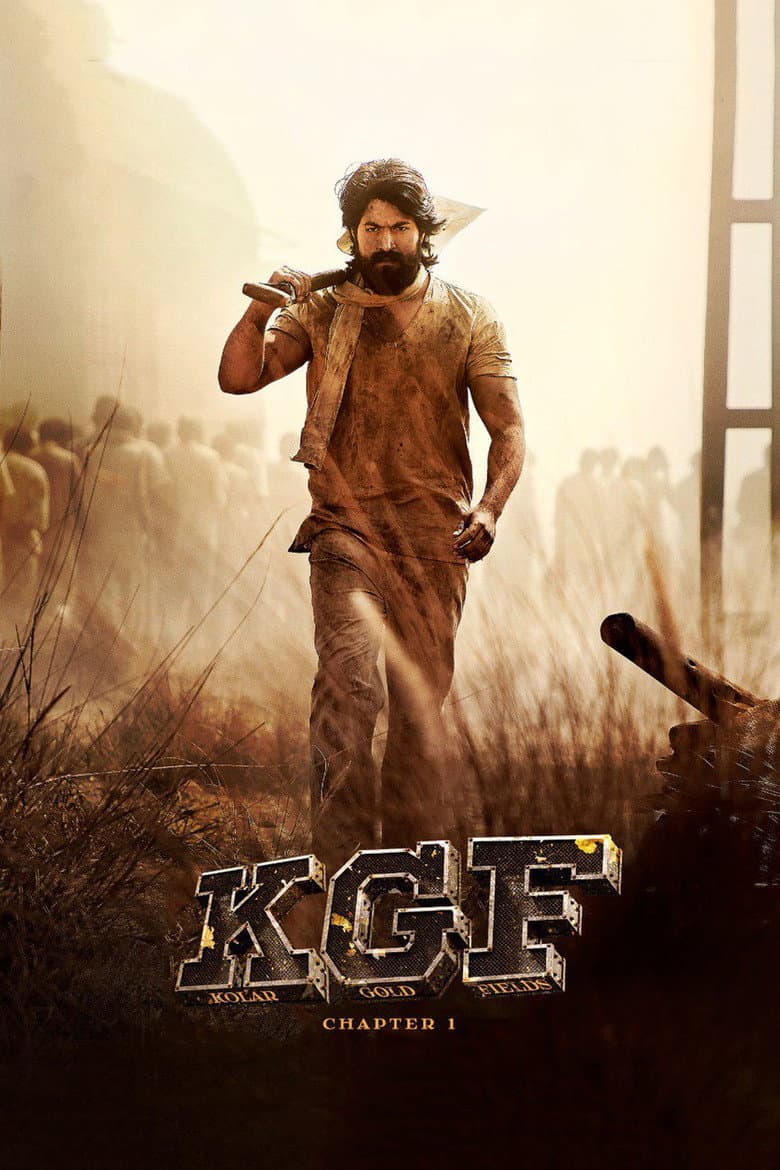
A period drama set in the 1970s, KGF follows the story of a fierce rebel who rises against the brutal oppression in Kolar Gold Fields and becomes the symbol of hope to legions of…
Movie · 2023
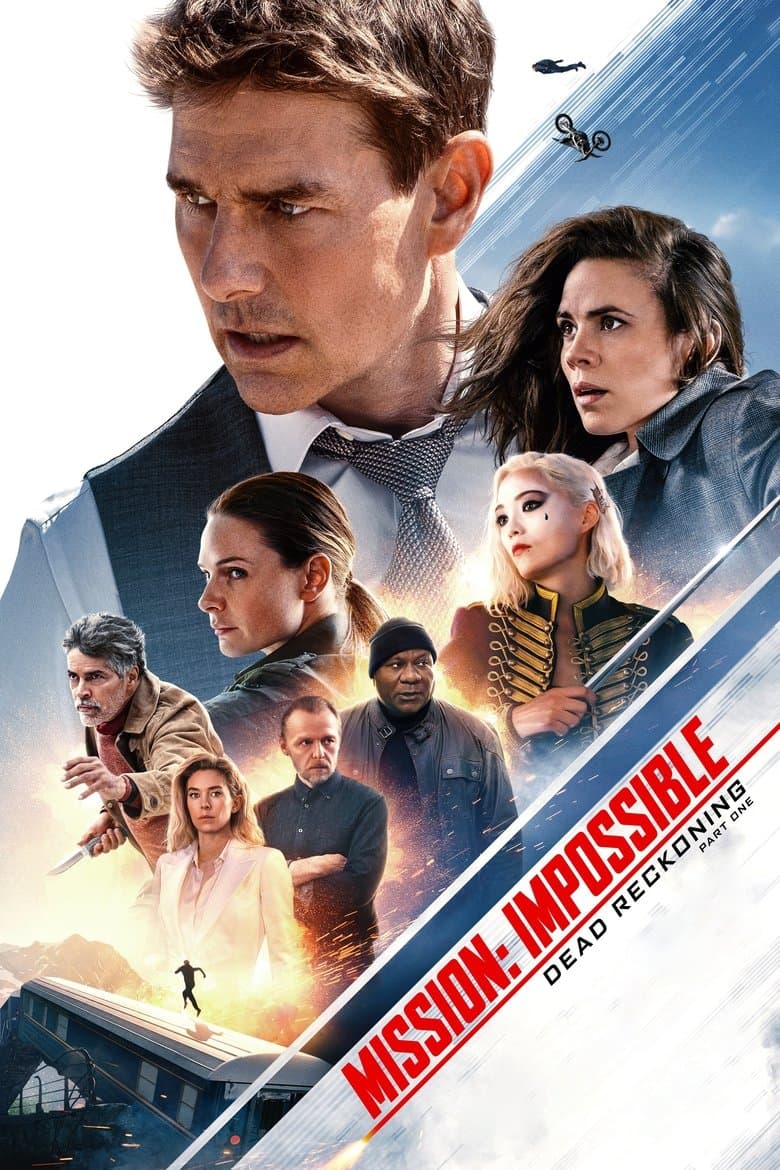
Ethan Hunt and his IMF team embark on their most dangerous mission yet: To track down a terrifying new weapon that threatens all of humanity before it falls into the wrong hands.
Movie · 2018
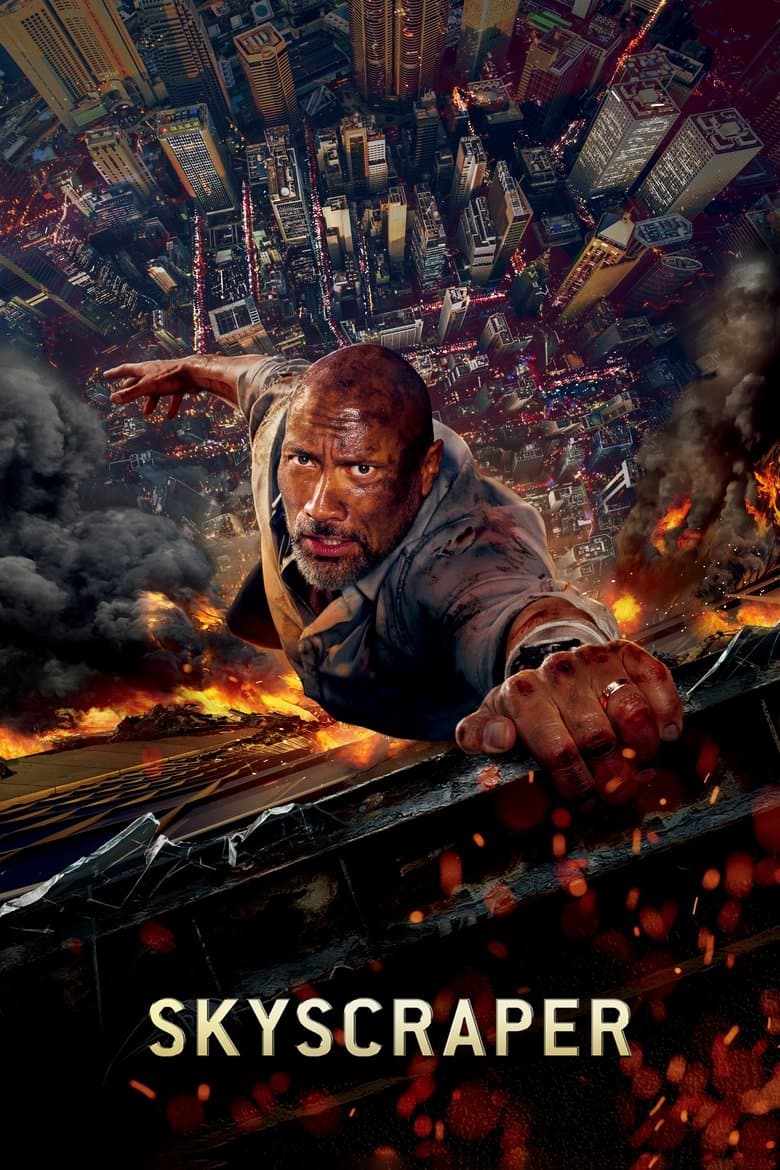
Framed and on the run, a former FBI agent must save his family from a blazing fire in the world's tallest building.
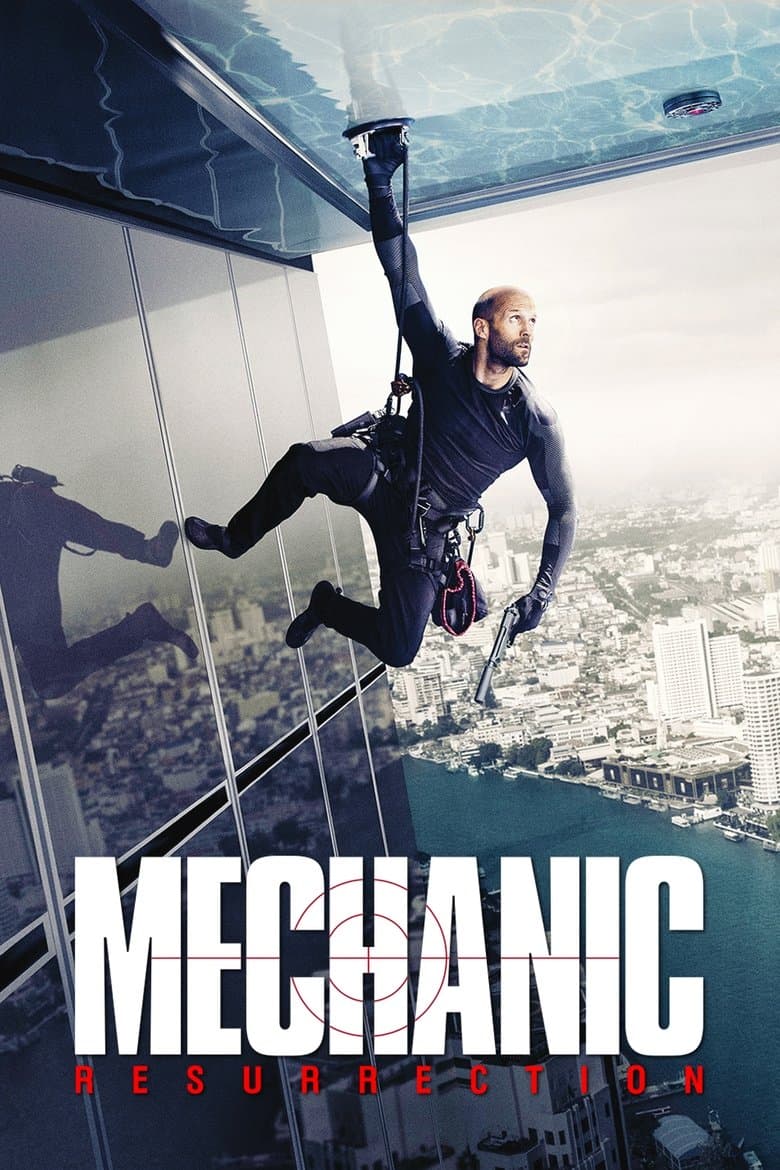
Movie · 2016
Arthur Bishop thought he had put his murderous past behind him when his most formidable foe kidnaps the love of his life.
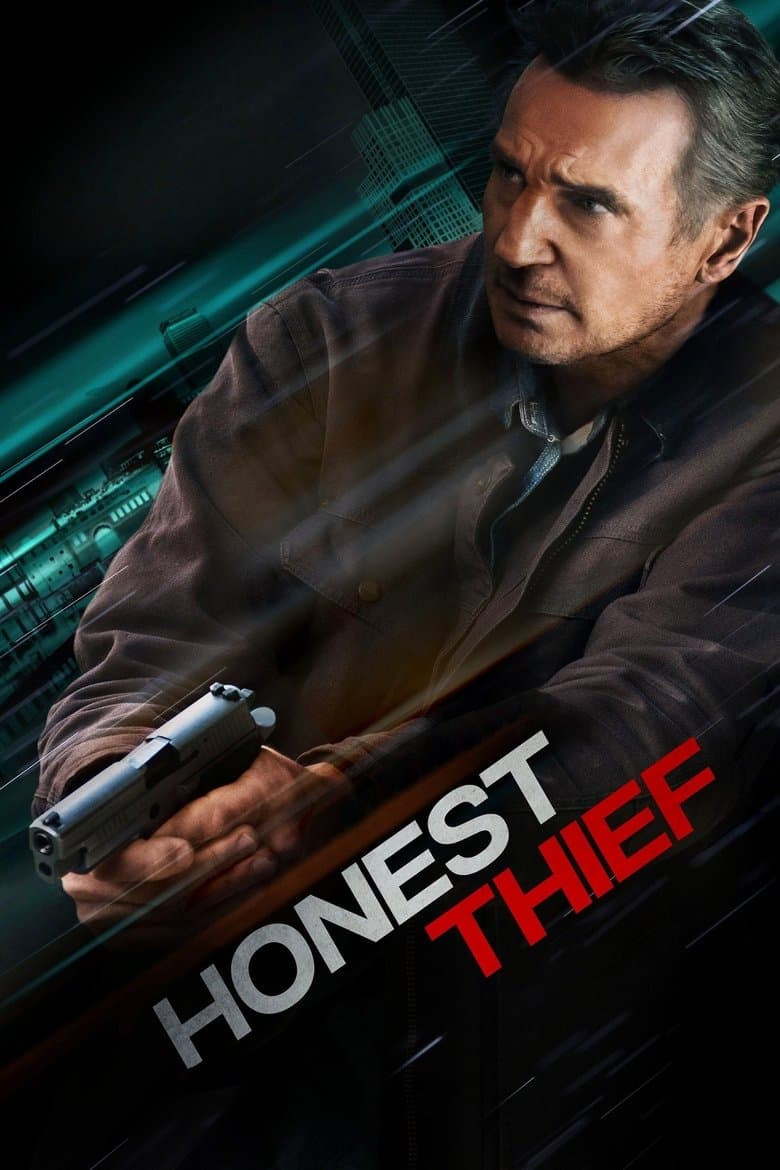
Movie · 2020
A bank robber tries to turn himself in because he's falling in love and wants to live an honest life...but when he realizes the Feds are more corrupt than him, he must fight back…
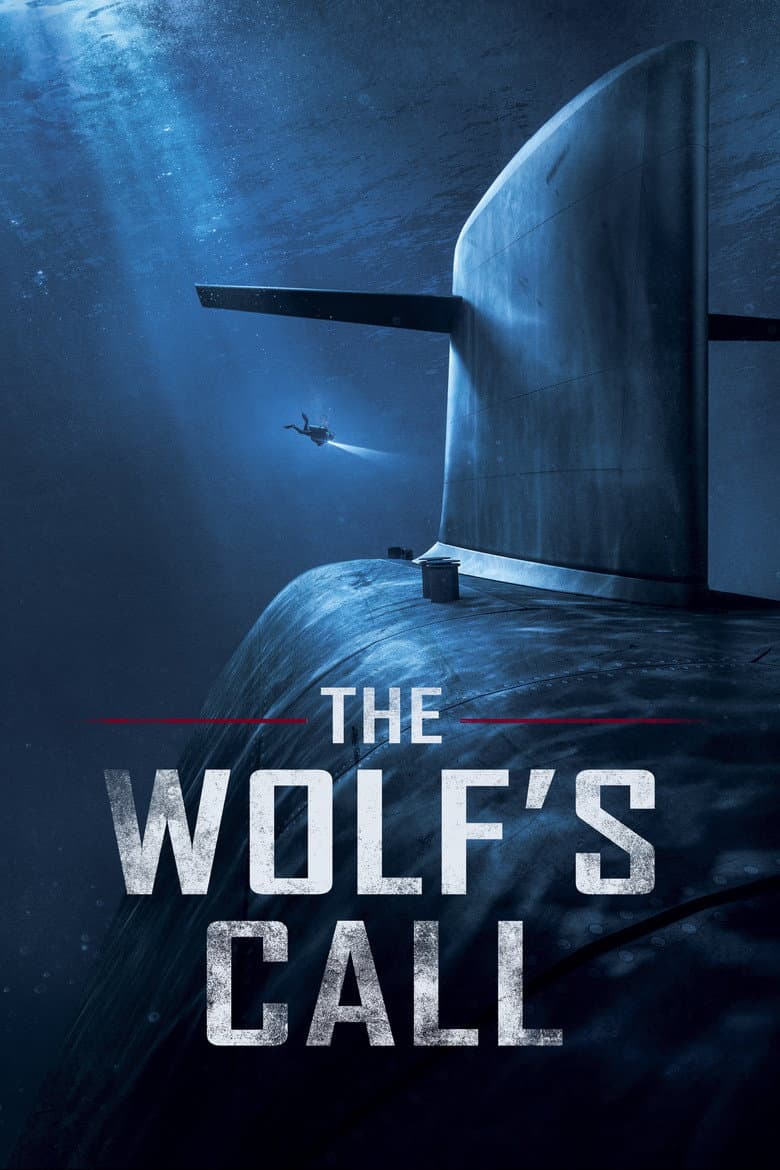
Movie · 2019
Shown from the perspective of a young submariner with unusually sensitive hearing and uncannily precise sound recognition.
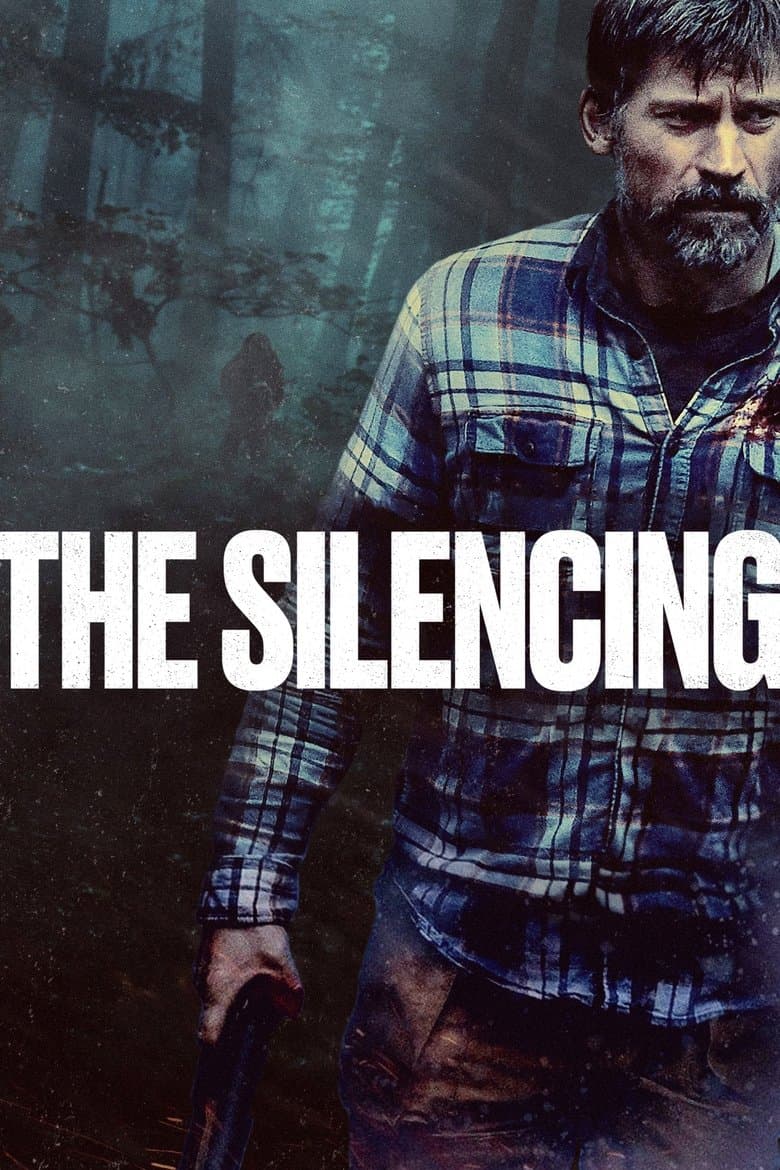
Movie · 2020
A reformed hunter becomes involved in a deadly game of cat and mouse when he and the local sheriff set out to track a vicious killer who may have kidnapped his daughter years ago.
Movie · 2018
Captain Glass of the USS Arkansas discovers that a coup d'état is taking place in Russia, so he and his crew join an elite group working on the ground to prevent a war.
