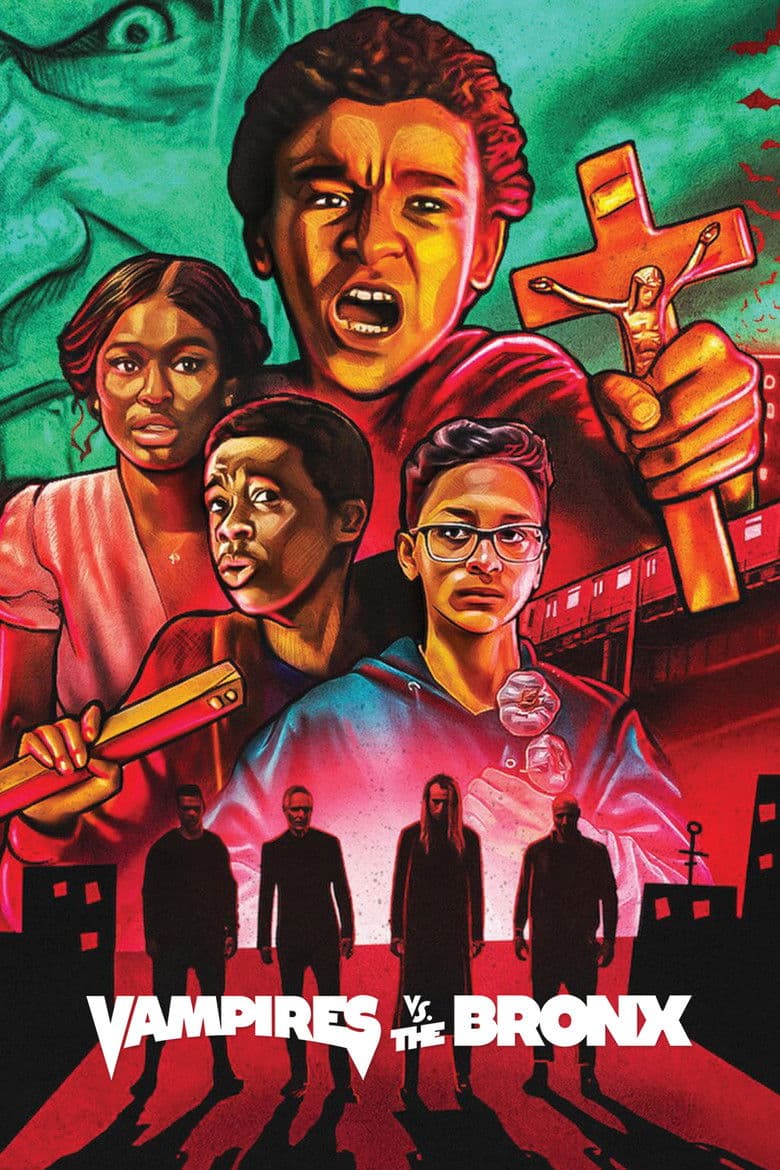
Miguel Martinez, who calls himself Lil Mayor, lives in the Bronx and tries to save Tony's bodega with a neighborhood block party. Miguel and his friends Luis and Bobby then learn that the real estate company buying local buildings is run by vampires. The boys must protect their families, friends, and home while adults and police fail to believe them. Oz Rodriguez mixes teen adventure, jokes, vampire fights, and a strong fear of a neighborhood being changed by money.
The main woke element is the story's gentrification metaphor, which means rich newcomers buying property and pushing out longtime residents. The vampires are pale outsiders who buy local shops, use crime to force owners to sell, and say nobody will care when Bronx residents disappear. The children fight back through local pride, shared action, and defense of a black and Latino community. The movie repeats jokes about white newcomers, rising prices, police help for developers, and lost local identity, while gender and sexuality are not major parts of the message.
Community feedback
Was our 56% Woke rating accurate?
Breakdown
These are the editorial factors and ratings behind our score for Vampires vs. the Bronx.
Woke representation / casting
Rodriguez chose Jaden Michael, Gregory Diaz IV, and Gerald Jones III as Dominican, Puerto Rican, and Black Bronx boys. He said the trio was meant to reflect the borough and give children who look like him different heroes. The film also fills the neighborhood with Black, Latino, and Caribbean actors, while the vampire group is mostly white. The casting fits the setting, so the identity message is visible but does not look like an extreme mismatch.
18%
Woke political dialogue
The characters repeatedly talk about white newcomers, rising prices, missing residents, and property deals. The broker says the Bronx is a forgotten place where people could disappear without anyone noticing. The children say the police protect the developers and joke about white people with canvas bags, cappuccinos, and gelato. These lines make race, class, and displacement part of the spoken conflict, but the film does not stop for a long political speech.
42%
Identity-driven story themes
The story makes gentrification the main threat, not a side issue. The white vampires buy Bronx buildings, push local shops out, use crime to force sales, and kill people who resist. The children defend a black and Latino neighborhood and treat its local stores, culture, and identity as worth saving. The message links race, wealth, and displacement in a clear activist-style metaphor that drives the whole plot.
65%
Western institutional / cultural critique
The real estate company uses money, threats, and a gang to force local owners out. The children say the police protect the developers, and adults first treat the neighborhood's change as something nobody can stop. The courthouse becomes the vampires' new base, which connects a public building to the property scheme. The movie does not attack Christianity because a priest, holy water, and church items help defeat the vampires.
40%
Woke character or canon changes
Not relevant. The movie uses original characters in a new Bronx story. It does not alter an established character or historical figure.
0%
Anti-woke backlash and complaints
Two small X accounts called the film anti-white propaganda or an overtly anti-White vampire movie. Those posts objected to the film's race-focused message, but they had little reach. No boycott, review-bombing, or organized anti-woke campaign was reported.
12%
Creator track record context
Rodriguez's broader record centers on SNL comedy and genre film, with no noted public activism. Hemingway's record centers on family, animated, and genre projects, with no clear identity-driven public record. The listed producers and casting director also have low creator scores and no strong activist history. Rodriguez's interviews add diversity and community language, but the wider creator record remains mild.
13%
Production
Movie · 2019
Columbus, Tallahassee, Wichita, and Little Rock move to the American heartland as they face off against evolved zombies, fellow survivors, and the growing pains of the snarky…
Movie · 2020
Hubie Dubois, despite his devotion to his hometown of Salem, Massachusetts (and its legendary Halloween celebration), is a figure of mockery for kids and adults alike.
Movie · 2017
Gary, who has just married Samantha, the woman of his dreams, discovers that her six-year-old son may be the Antichrist.
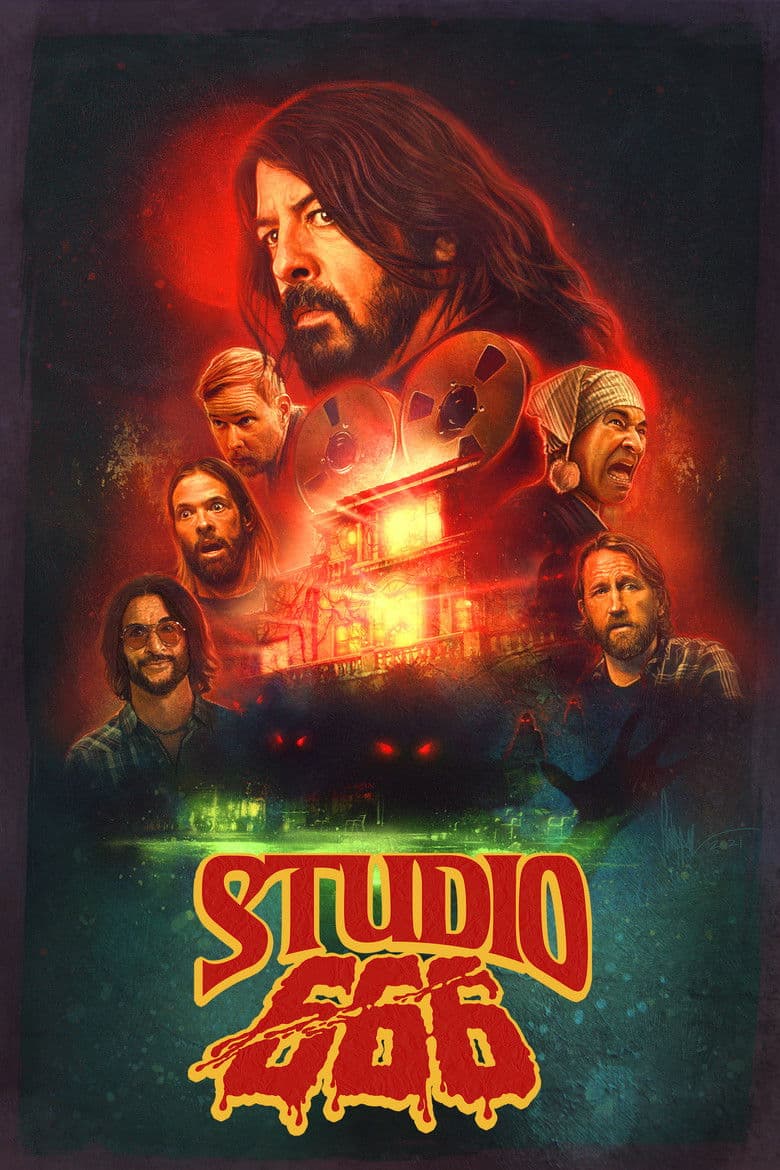
Movie · 2022
Legendary rock band Foo Fighters move into an Encino mansion steeped in grisly rock and roll history to record their much anticipated 10th album.
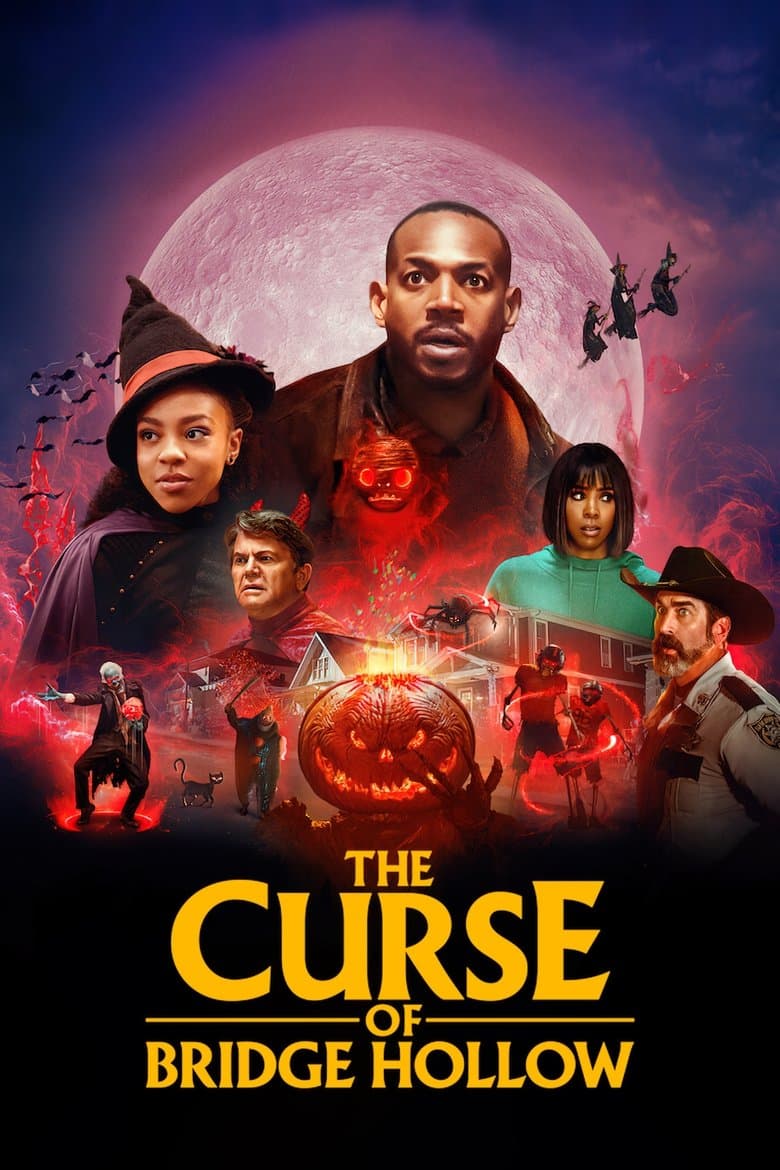
Movie · 2022
A Halloween-hating dad reluctantly teams up with his teenage daughter when an evil spirit wreaks havoc by making their town's decorations come to life.
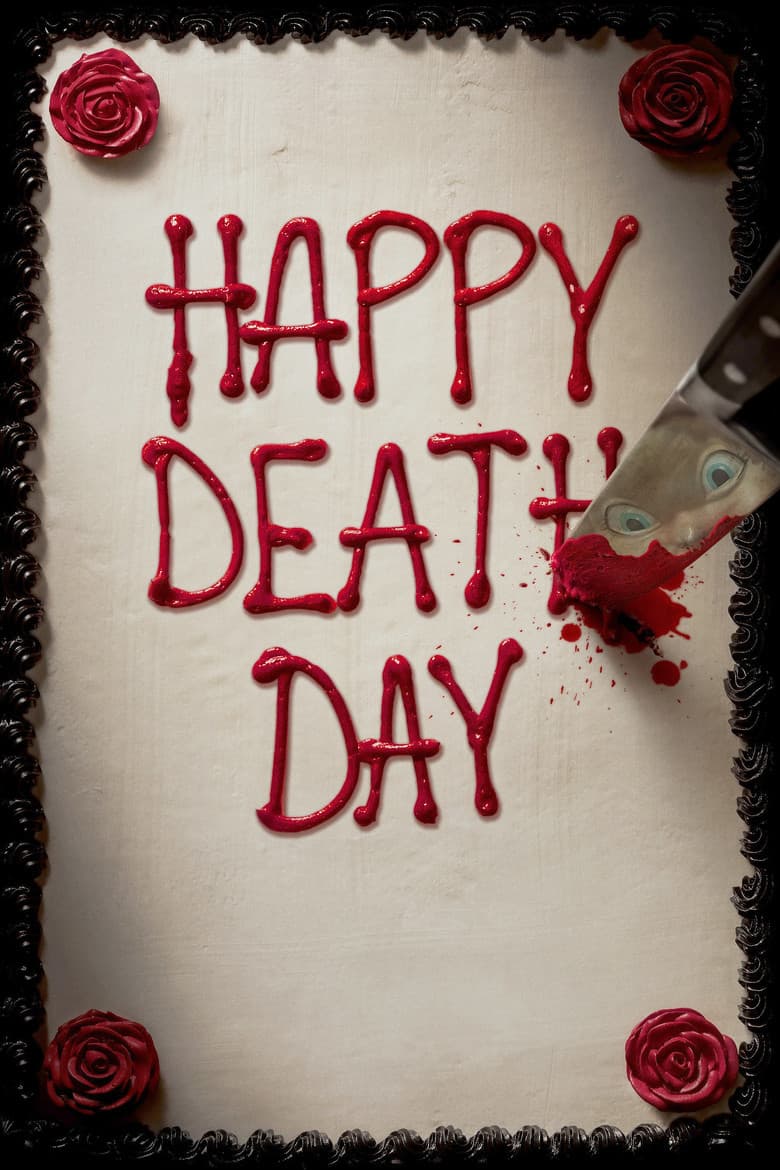
Movie · 2017
Caught in a bizarre and terrifying time warp, college student Tree finds herself repeatedly reliving the day of her murder, ultimately realizing that she must identify the killer…
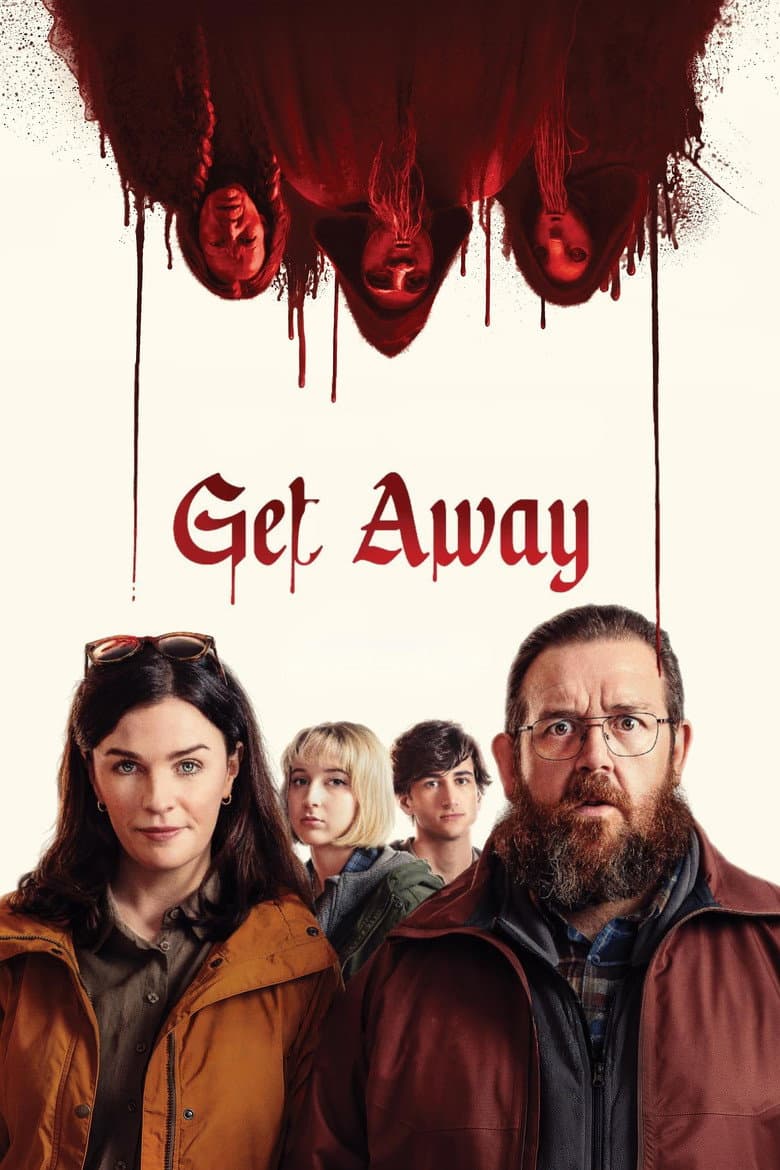
Movie · 2024
A family's vacation to a remote getaway takes an unexpected turn when they discover the present-day implications of the island's cannibalistic past.

Movie · 2023
In postwar Japan, Godzilla brings new devastation to an already scorched landscape. With no military intervention or government help in sight, the survivors must join together in…
