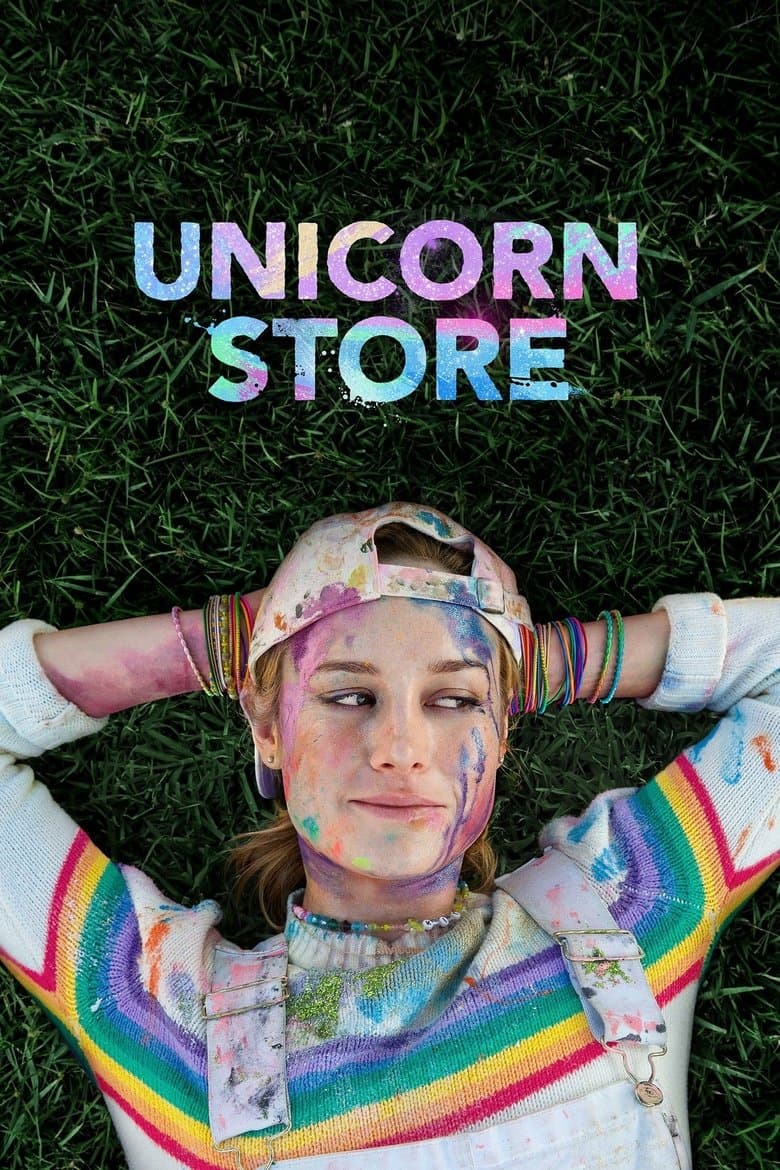
Kit is a young artist who fails out of art school and moves back into her parents' home. She takes a dull office job while trying to act like a serious adult, even though she still loves glitter, bright colors, and unicorns. A strange salesman offers her a real unicorn, but she must build a safe home, show that she can pay for its care, and repair the love in her family. The movie uses bright fantasy, awkward jokes, and family drama to tell a gentle story about growing up without giving up every part of childhood.
The main woke element is a female-centered message about rejecting pressure to fit a normal idea of adulthood or what a woman should be like. Kit's art school, office, and family problems keep returning to the question of whether she should hide her style and creativity to be accepted. The film shows her boss as a man who makes unwanted advances, and it mocks a workplace that chooses an attractive model over Kit's colorful creative pitch. The message is clear and repeated, but the movie stays focused on personal growth, love, art, and self-acceptance rather than party politics, race, or queer identity.
Community feedback
Was our 54% Woke rating accurate?
Breakdown
These are the editorial factors and ratings behind our score for Unicorn Store.
Woke representation / casting
The film centers a white woman as the lead, director, and main creative voice. Its public framing calls the movie deliberately feminine and presents a woman's view of creativity and growing up. The supporting cast includes Black and South Asian men in important roles, but the film does not present their identities as a message. The cast does not form a clear one-of-each group across the main roles.
18%
Woke political dialogue
Kit talks about needing to be the right kind of girl and about men wanting happy girlfriends who smile. She describes her older boss smelling her hair and treating unwanted attention as normal. The office scenes also connect her success to how she looks and acts. These gender lines are clear but brief, so they do not become a constant political speech.
25%
Identity-driven story themes
Kit's main struggle is whether she should hide her bright clothes, art, and love of unicorns to fit a normal adult life. The film treats those interests as part of her identity instead of childish flaws that must be erased. The art school, office, family, and unicorn tasks repeat the message that she can grow up while keeping her own voice. This self-expression message drives the whole story, but it does not become a race, queer, or party-political campaign.
52%
Western institutional / cultural critique
The film makes Kit's older male boss flirt with her, smell her hair, and treat workplace attention as normal. The company rejects her bright creative pitch and chooses an attractive model instead. The art school also rejects her colorful work for being too different from its serious style. These scenes criticize male entitlement and pressure to conform, but the film does not attack religion, family life, or Western society as a whole.
36%
Woke character or canon changes
Not relevant. The film is an original story with no established character, historical figure, or earlier canon that it changes.
0%
Anti-woke backlash and complaints
Two small X accounts linked the film to feminist propaganda or said its diversity did not make the film good. Those posts had zero or two likes, so the direct anti-woke reaction was fringe. A separate argument about a critic's use of the word mansplaining was mostly Captain Marvel spillover and complaints about quality. No major boycott, review-bombing campaign, or large right-leaning news attack treated the film as DEI content.
15%
Creator track record context
Brie Larson has a public record of supporting feminist storytelling, more representation, and a group that fought sexual harassment, and she directs and stars here. She described the movie as a very feminine project and said it questions why society tries to make people the same. Producer Lynette Howell Taylor has also supported more diversity in major film events. Samantha McIntyre, the other producers, and the casting director do not show a strong public record of similar activism.
52%
Production
Movie · 2018
The story of a heartbroken man who attends a spiritual retreat, only to discover that the course releases more than everyday toxins and traumatic experiences.
Movie · 2023
Hapless family man Paul Matthews finds his life turned upside down when millions of strangers suddenly start seeing him in their dreams.
Movie · 2022
Known as America’s Poet, Henry Wadsworth Longfellow leads an idyllic life – until the day his world is shattered by tragedy.
Movie · 2023
Following the sudden death of his mother, a mild-mannered but anxiety-ridden man confronts his darkest fears as he embarks on an epic odyssey back home.
Movie · 2022
Across different eras, a poor family, an anxious developer and a fed-up landlady become tied to the same mysterious house in this animated dark comedy.
Movie · 2023
While the Second World War rages, the teenage Mahito, haunted by his mother's tragic death, is relocated from Tokyo to the serene rural home of his new stepmother Natsuko, a woman…
Movie · 2019
A boy is given the ability to become an adult superhero in times of need with a single magic word.
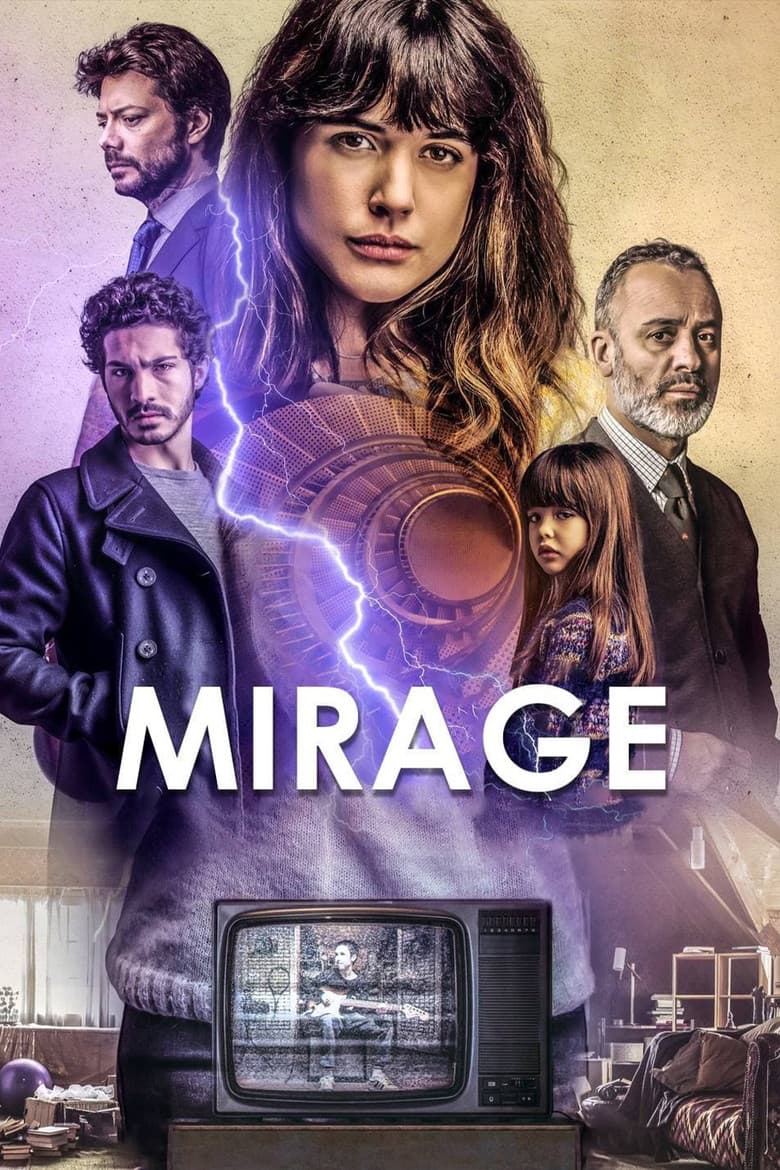
Movie · 2018
During a mysterious thunderstorm, Vera, a young mother, manages to save a life in danger, but her good deed causes a disturbing chain of unexpected consequences.
