
Trigger Warning follows Parker Calvo, a Special Forces commando who returns to Creation, New Mexico, after her father dies in a mining accident. She takes over his bar and learns that her former boyfriend Jesse, now the sheriff, and his family are tied to the death. Parker uncovers an arms deal that sends stolen military weapons to a domestic terrorist, so her search becomes a violent fight against the Swann family. The film has a dark action tone with revenge, guns, knives, explosions, grief, and family memories.
The film gives its clearest woke signals through Parker’s identity and its view of power. Parker is a Latina woman who defeats most of the men she faces, while a black military friend helps her and several white men serve as corrupt leaders or violent enemies. The senator uses racist talk, asks how to say “Latinx,” and hides behind a “freedom, family, and faith” message while the story links his conservative image to domestic terrorism. Race, female strength, and opposition to right-wing power are visible, but they remain a layer around the main revenge plot.
Community feedback
Was our 54% Woke rating accurate?
Breakdown
These are the editorial factors and ratings behind our score for Trigger Warning.
Woke representation / casting
Parker is a Latina woman who leads the film as a Special Forces commando and defeats many larger male attackers. Spider is a black military colleague who has a key support role. Parker’s family and racial conflict explain her ethnicity, and the New Mexico setting can support it. Alba and the marketing frame the movie as a female-led action project made through a “feminine lens,” which adds a clear identity signal.
35%
Woke political dialogue
The senator repeats a campaign message about “freedom, family, and faith.” He says he is not racist, then asks Parker how to pronounce “Latinx” and jokes about his claimed Native ancestry. The film places those lines beside his family’s gun crime and domestic terrorism. The political dialogue recurs around the villain subplot, but most dialogue concerns guns, family, and revenge.
34%
Identity-driven story themes
Parker’s Latina identity shapes several scenes, including Spanish family memories, racial insults, and the senator’s talk about her future children. Parker is also written as the strongest fighter in the story, while men around her often fail, lie, or need help. The film makes her fight against a white political family and its violent allies. These ideas return across the movie, but the main plot stays focused on grief, revenge, and illegal weapons.
41%
Western institutional / cultural critique
The film makes a conservative senator, his sheriff son, and his violent son the main local power. The senator uses “freedom, family, and faith” while his family sells weapons and protects criminals. The plot connects white male domestic terrorists to this political network. Parker and her allies defeat the men, so the film clearly attacks their politics and abuse of power, even though the message stays simple.
47%
Woke character or canon changes
Not relevant. The film is an original action story about Parker Calvo. It does not change an established character, canon, or real historical figure.
0%
Anti-woke backlash and complaints
A few small X accounts called the film “racial propaganda,” “woke garbage,” or objected to its “Latinx” dialogue. The accounts had very small reach, with about 60 to 80 views each. No large right-leaning account or major outlet made the movie a DEI culture-war target. Other complaints mostly attacked the weak action or the Syria aid-truck scene.
12%
Creator track record context
The supplied creator context rates Halley Wegryn Gross at 74/100 for a queer-focused record and Mouly Surya at 60/100 for films about women resisting abuse and male power. Jessica Alba is rated 64/100 and has framed this film as a feminine, women-led action project. Josh Olson is rated 45/100 for left-wing political work, while John Brancato and several other listed producers are rated low. This creates a mixed but noticeable creator track record context.
48%
Production
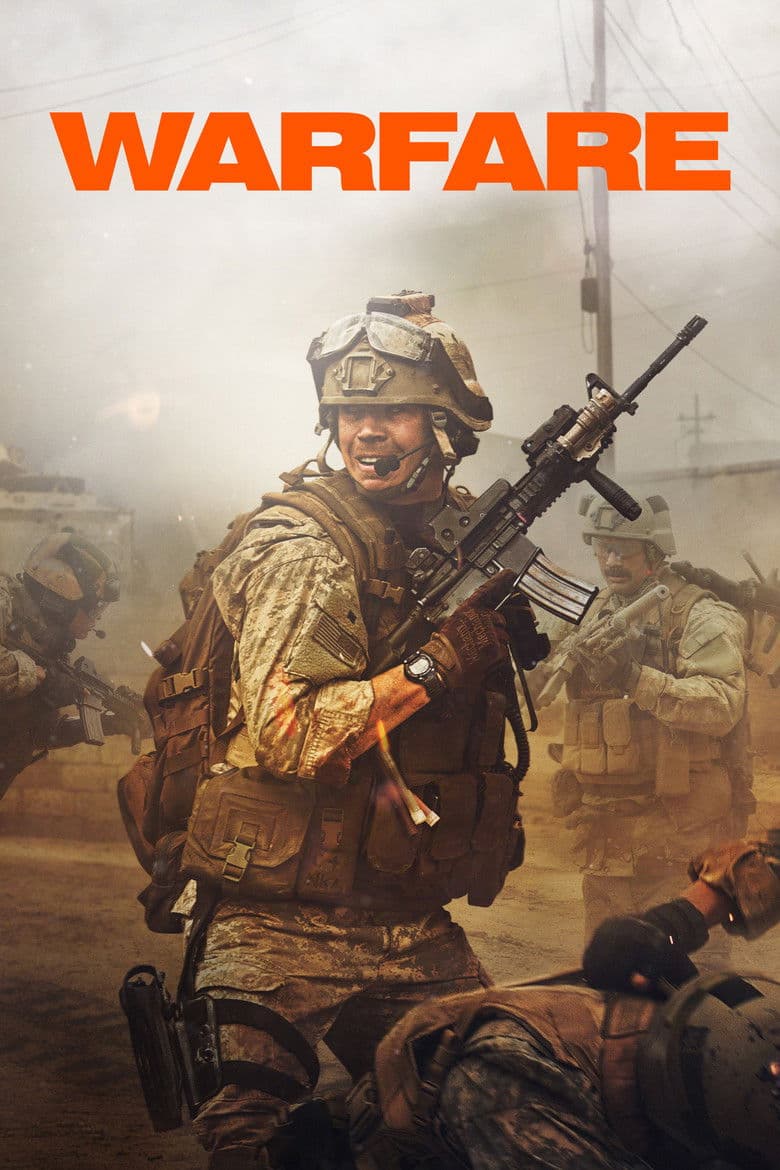
Movie · 2025
A platoon of Navy SEALs embarks on a dangerous mission in Ramadi, Iraq, with the chaos and brotherhood of war retold through their memories of the event.
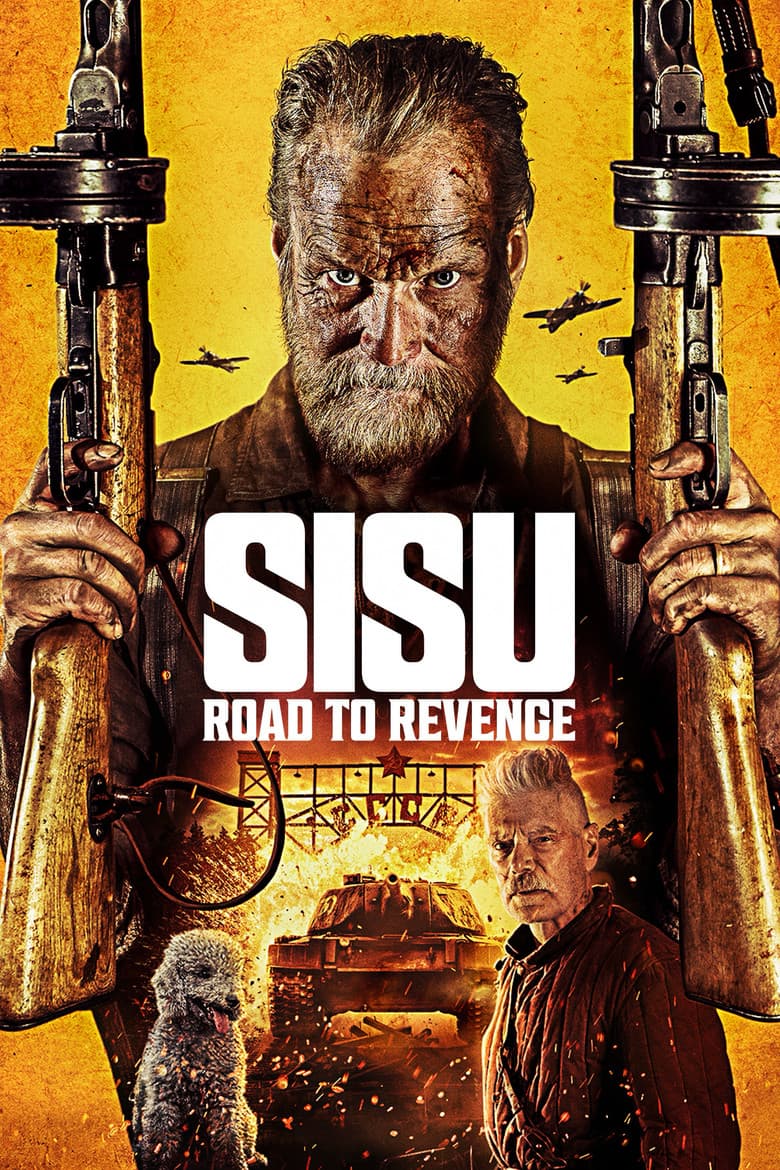
Movie · 2025
Returning to the house where his family was brutally murdered during the war, "the man who refuses to die" dismantles it, loads it on a truck, and is determined to rebuild it…
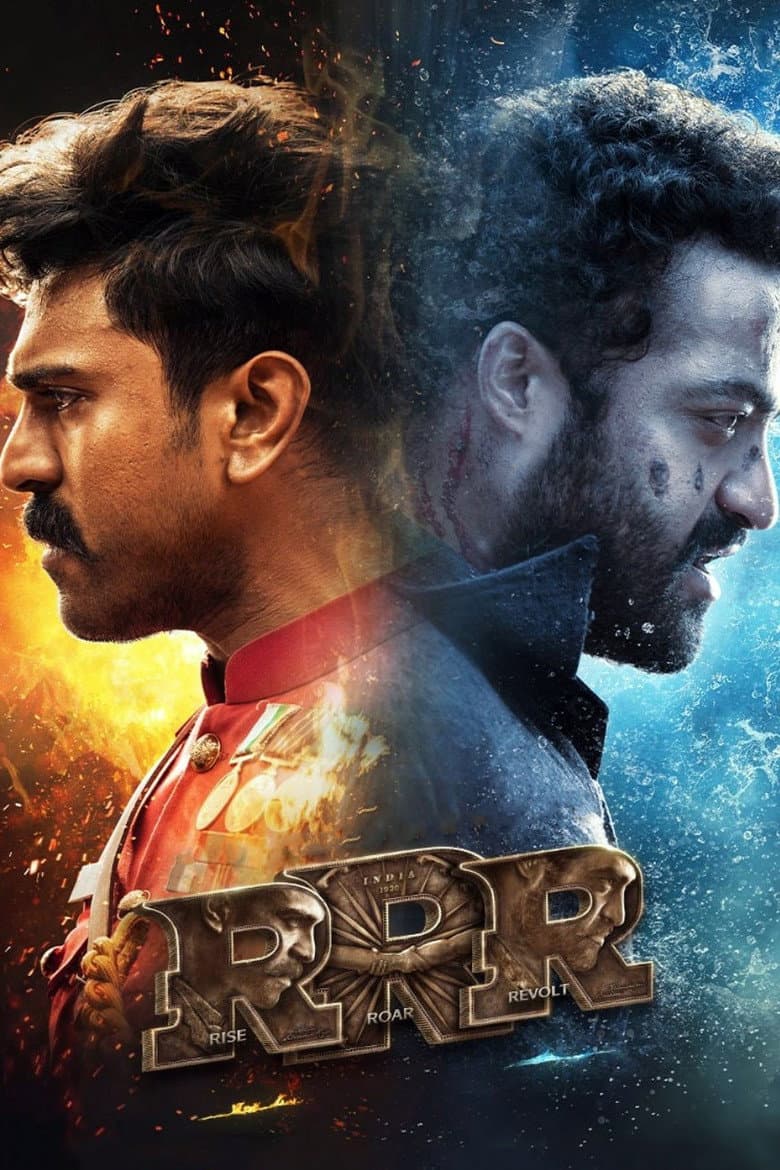
Movie · 2022
A fictional history of two legendary revolutionaries' journey away from home before they began fighting for their country in the 1920s.
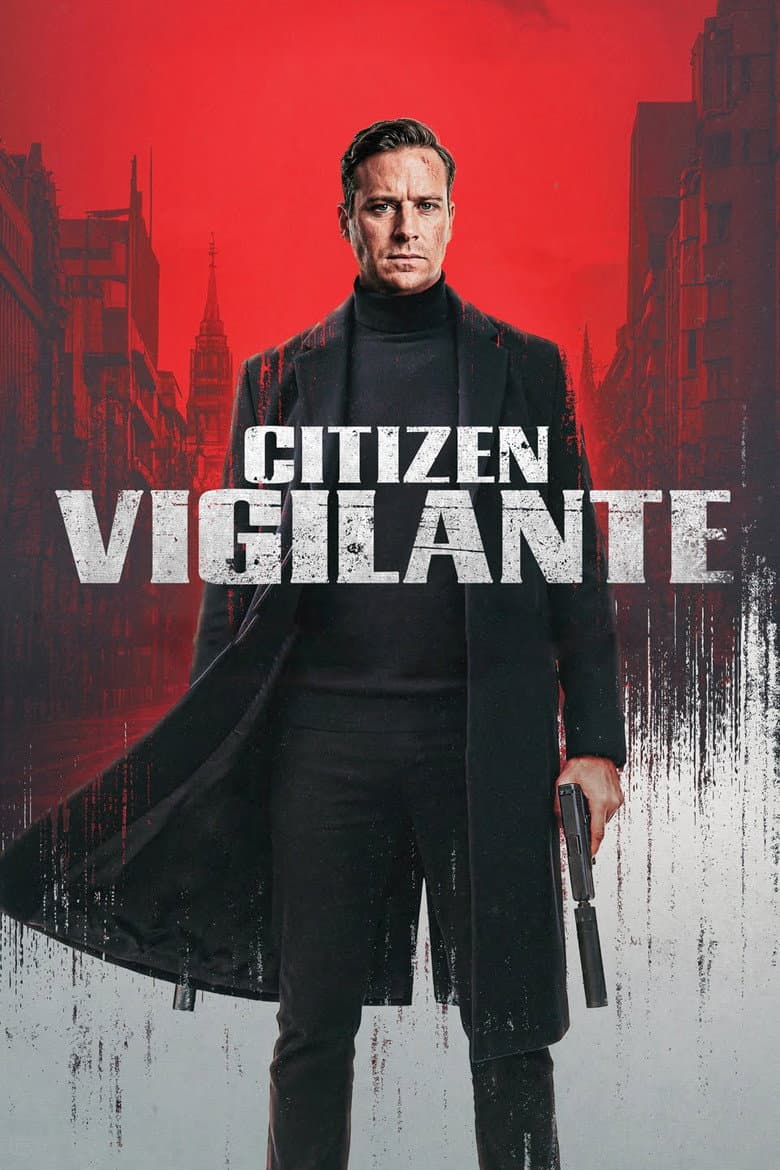
Movie · 2026
A man takes justice into his own hands, hunting down criminals. His vigilante crusade makes him a social media star but puts him at odds with the local police chief.

Movie · 2019
Vietnam War, 1966. Australia and New Zealand send troops to support the United States and South Vietnamese in their fight against the communist North.
Movie · 2018
When an IMF mission ends badly, the world is faced with dire consequences. As Ethan Hunt takes it upon himself to fulfill his original briefing, the CIA begin to question his…
Movie · 2017
After being coerced into working for a crime boss, a young getaway driver finds himself taking part in a heist doomed to fail.
Movie · 2023
The story of Tim Ballard, a former US government agent, who quits his job in order to devote his life to rescuing children from global sex traffickers.
