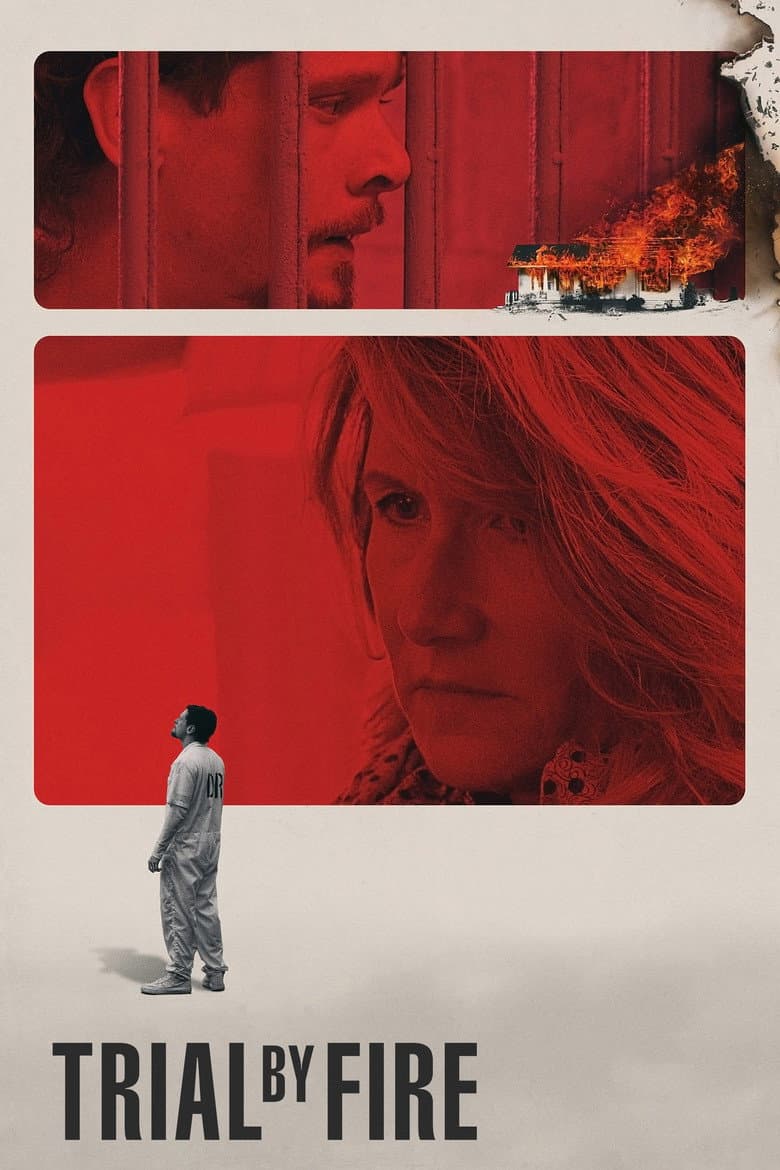
Trial by Fire follows Cameron Todd Willingham, a rough Texas father who is sent to death row after a fire kills his three daughters. Prosecutors say he started the fire, but weak fire tests and a jailhouse witness help win the case. In prison, Todd fights to prove he is innocent while facing fear, pain, and his own violent past. His life changes when Elizabeth Gilbert, a Houston playwright and mother, writes to him and begins a long fight for his freedom. The film is a grim, slow-moving true-crime drama that ends in tragedy.
The strongest woke element is the film’s clear activist message against the death penalty. The story shows courts, police, fire experts, lawyers, prison staff, and state leaders as parts of a system that can destroy a poor person’s life without solid proof. It also argues that poverty can limit a person’s chance to get a good defense. The film does not center on race, gender, sexuality, or DEI representation, and its main friendship is about mercy, guilt, truth, and human worth. Its social message is serious and repeated, but it is mainly a liberal criminal-justice argument rather than a modern identity-politics story.
Community feedback
Was our 37% Woke rating accurate?
Breakdown
These are the editorial factors and ratings behind our score for Trial by Fire.
Woke representation / casting
Not present. The two main roles are a white Texas man and a white Houston playwright based on real people. The prison cast includes a black inmate, but the film does not frame the casting as a diversity message.
0%
Woke political dialogue
The film includes a direct line that the death penalty system is broken. The story repeatedly discusses false testimony, junk science, and poor legal help. This creates a clear anti-death-penalty message, but it does not use identity or DEI language. The message appears in several key scenes rather than in speeches throughout.
30%
Identity-driven story themes
Not present. The main relationship is about innocence, guilt, mercy, and human worth. The film does not make race, gender, sexuality, or DEI identity the subject of its story.
0%
Western institutional / cultural critique
The film portrays prosecutors, arson experts, courts, prison staff, and the Texas governor as parts of a system that kills a man after weak evidence and hidden facts. The story also points to poverty and unequal access to a strong defense. The final real footage of Rick Perry keeps the attack on state power and capital punishment in view. This is a recurring institutional critique, but it targets the death-penalty case rather than Western culture as a whole.
44%
Woke character or canon changes
Not relevant. The film is based on real people and a reported Texas case. No identity-driven change to a known character or historical figure is shown.
0%
Anti-woke backlash and complaints
Not present. No specific anti-woke or right-leaning complaints about the film were found. Public discussion mainly focused on the tragic case, the death penalty, the acting, and the film’s bleak ending.
0%
Creator track record context
The director has a liberal record of films about social issues and said this film should expose failures in the death-penalty system. Geoffrey Fletcher has a moderate representation-focused history, while David Grann is mainly known for factual reporting. The main casting director has supported inclusive casting, and producer Alex Soros has a strong progressive social-justice background. This gives the project moderate activist context that fits its criminal-justice message.
34%
Production

Movie · 2016
Nate Foster, a young, idealistic FBI agent, goes undercover to take down a radical white supremacy terrorist group.
Movie · 2016
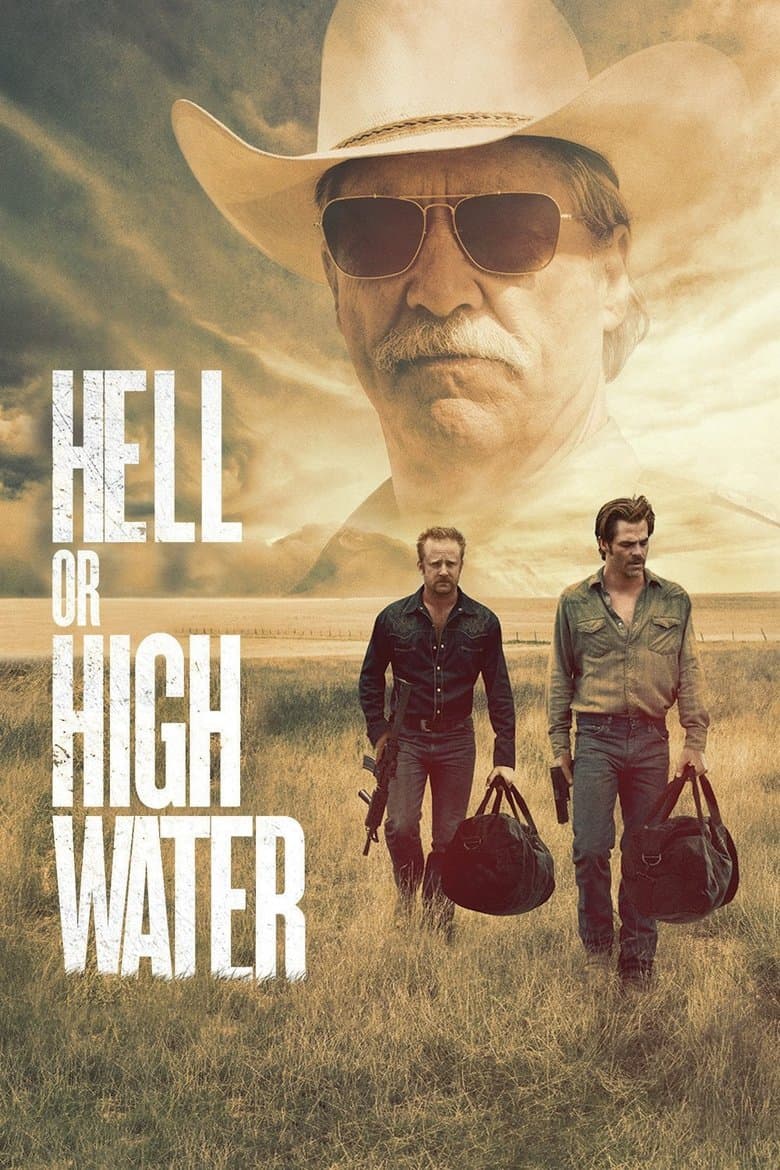
A divorced dad and his ex-con brother resort to a desperate scheme in order to save their family's farm in West Texas.
Movie · 2019
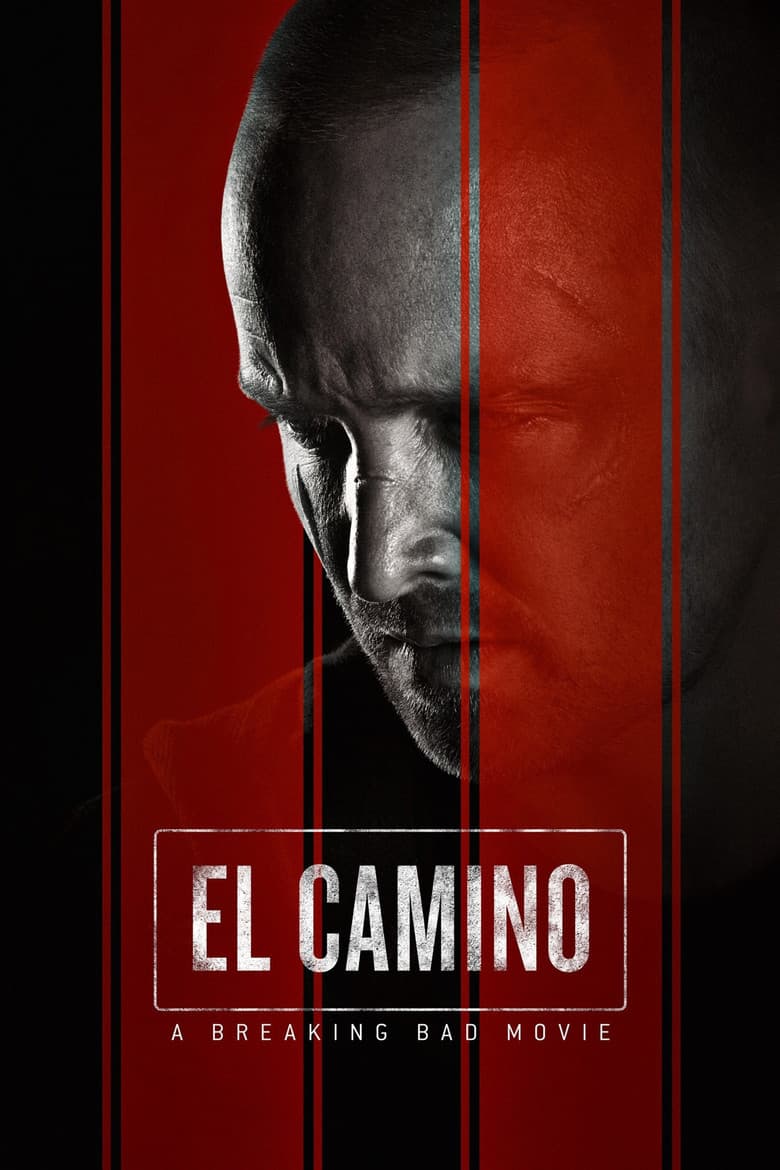
In the wake of his dramatic escape from captivity, Jesse Pinkman must come to terms with his past in order to forge some kind of future.

Movie · 2017
After a botched bank robbery lands his younger brother in prison, Connie Nikas embarks on a twisted odyssey through New York City's underworld to get his brother Nick out of jail.
Movie · 2016
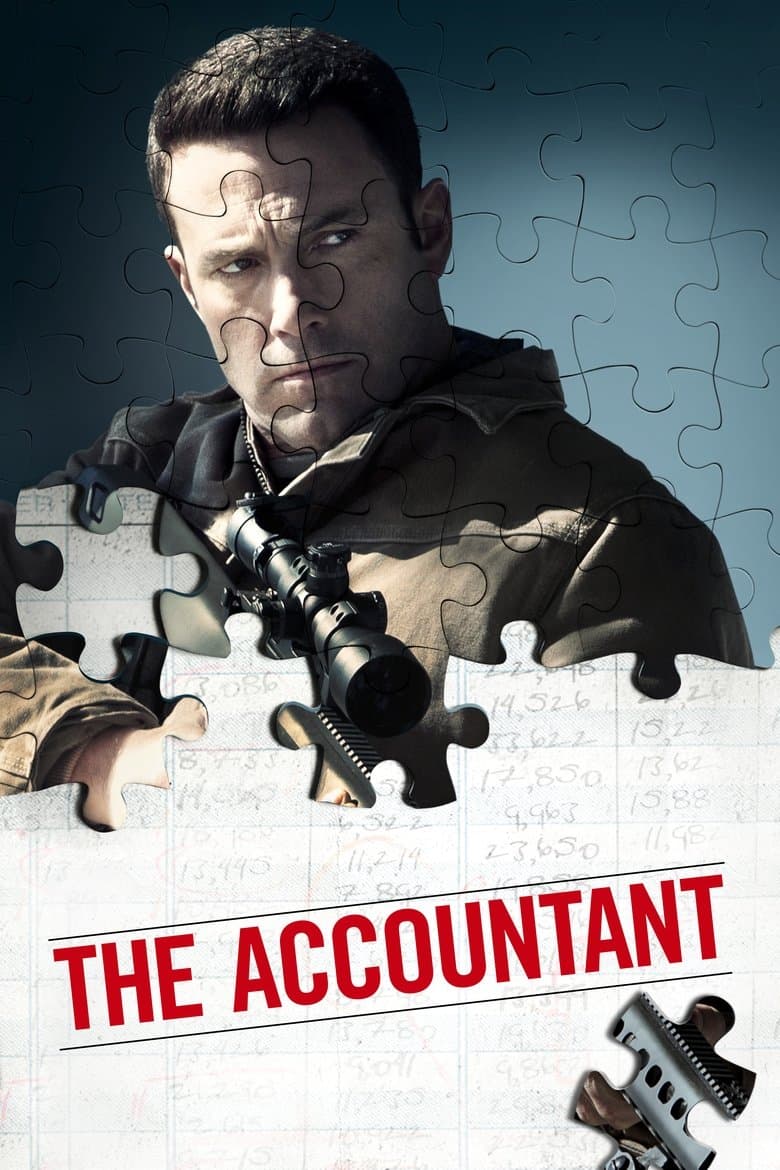
As a math savant uncooks the books for a new client, the Treasury Department closes in on his activities and the body count starts to rise.
Movie · 2017
A traumatized veteran, unafraid of violence, tracks down missing girls for a living. When a job spins out of control, his nightmares begin to overtake him, and a conspiracy is…
Movie · 2018
The true story of Forrest Tucker, from his audacious escape from San Quentin at the age of 70 to an unprecedented string of heists that confounded authorities and enchanted the…
Movie · 2019
A young agent is tasked with investigating a tangled web of corruption and fraud in New York.
