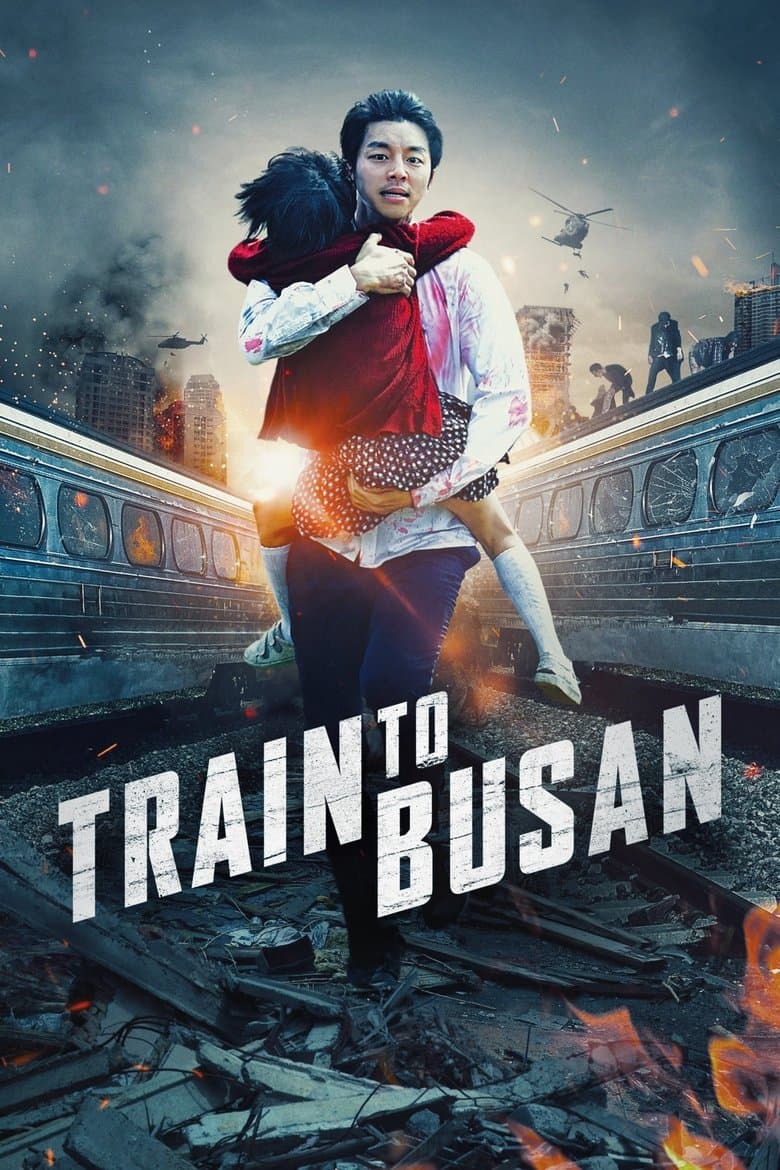
Seok-woo is a busy fund manager who has grown distant from his young daughter, Su-an. He takes her on a fast train from Seoul to Busan so she can visit her mother. A sick passenger brings a zombie outbreak onto the train, and the passengers must fight through the cars while the country falls apart outside. The film mixes fast action, fear, sad family drama, and dark humor.
The film also carries a clear but limited social message. It attacks profit-first business, high status, public lies, and selfish choices during a crisis. It praises ordinary people who protect strangers, including a pregnant wife, a child, and a homeless man. The story does not focus on race, sex, queer identity, or modern DEI, and its women are part of the group without a representation campaign. These ideas shape many conflicts, but the zombie chase and the father’s change remain the main story.
Community feedback
Was our 32% Woke rating accurate?
Breakdown
These are the editorial factors and ratings behind our score for Train to Busan.
Woke representation / casting
Not present. The main cast is Korean and fits a South Korean train story. The pregnant wife and young girl help other passengers, but the film does not frame sex or identity as a representation message.
0%
Woke political dialogue
Passengers call the fund manager a bloodsucker who lives off other people. Other lines tell survivors to protect themselves and accuse leaders of hiding the danger. The lines give a brief class and government critique, but they do not push race, gender, DEI, or queer politics.
18%
Identity-driven story themes
The film repeatedly contrasts profit, status, and self-protection with helping strangers. The fund manager starts as a selfish father and changes after seeing ordinary passengers risk their lives for others. The businessman villain pushes people to shut out survivors and treats weaker people as disposable. The story favors shared duty and criticizes class power, but it does not center race, gender, queer identity, or modern DEI politics.
38%
Western institutional / cultural critique
Not present. The film attacks Korean business and government failures during the outbreak. It does not attack Western institutions, Christianity, or traditional family life.
0%
Woke character or canon changes
Not relevant. The film is an original Korean zombie story with no established hero or real historical figure. The pregnant wife, child, and other passengers were created for this movie.
0%
Anti-woke backlash and complaints
Not present. No strong anti-woke backlash appears in the mainstream reports and audience discussions checked. Negative comments focus on gore, quality, or heavy social commentary rather than DEI or identity politics.
0%
Creator track record context
Yeon Sang-ho’s stored creator score is 58/100 because his past work often examines class, exclusion, and failed institutions. The stored scores for Park Joo-suk and the four producers are 0/100. The director’s pattern supports the film’s social criticism, but the wider team does not add a strong activist or DEI record.
42%
Production

Movie · 2020
A soldier and his team battle hordes of post-apocalyptic zombies in the wastelands of the Korean Peninsula.
Movie · 2023
Vice detective Bob Hightower finds his ex-wife murdered and daughter kidnapped by a cult. Frustrated by the botched official investigations, he quits the force and infiltrates the…
Movie · 2019
A typical night for veterans at a VFW turns into an all-out battle for survival when a desperate teen runs into the bar with a bag of stolen drugs.
Movie · 2019
After barely surviving a furious shootout with the police, Baby Firefly, Otis Driftwood and Captain Spaulding are behind bars. But pure evil cannot be contained.

Movie · 2016
Set in a near future, technology-reliant society that pits man against killing machines. Against this backdrop an elite army unit is helicoptered to a remote, off-the-grid island…
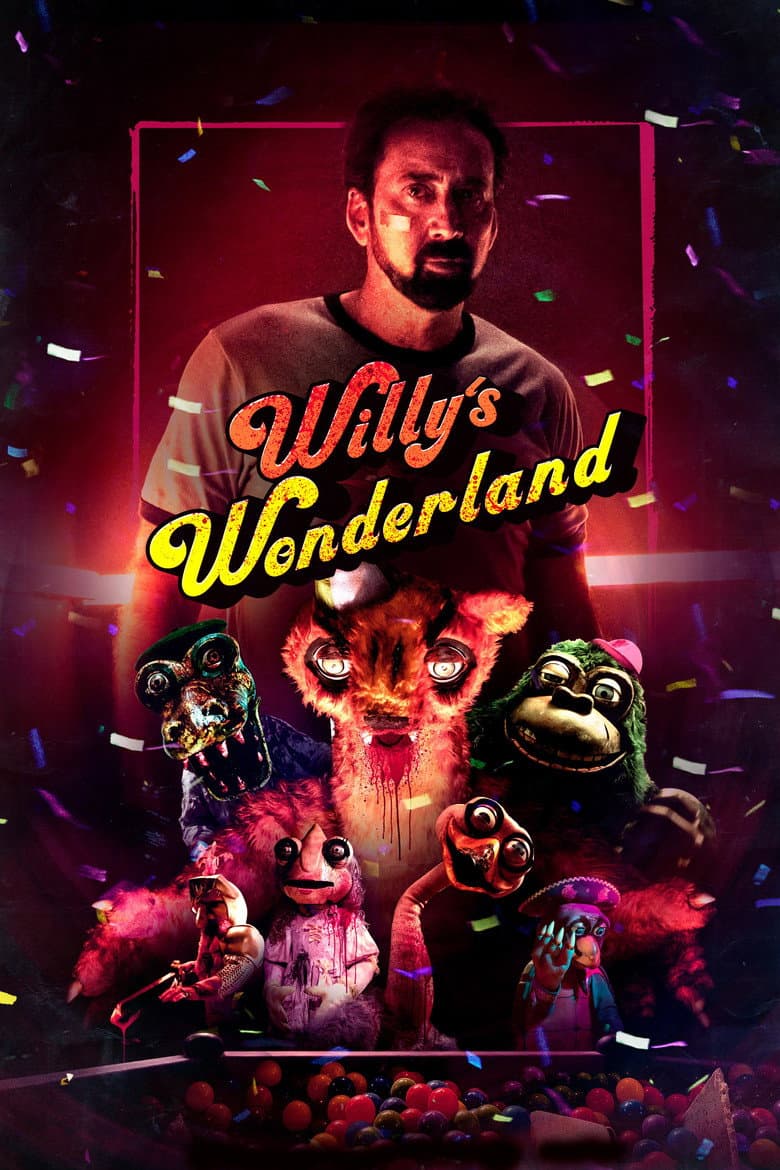
Movie · 2021
When his car breaks down, a quiet loner agrees to clean an abandoned family fun center in exchange for repairs.
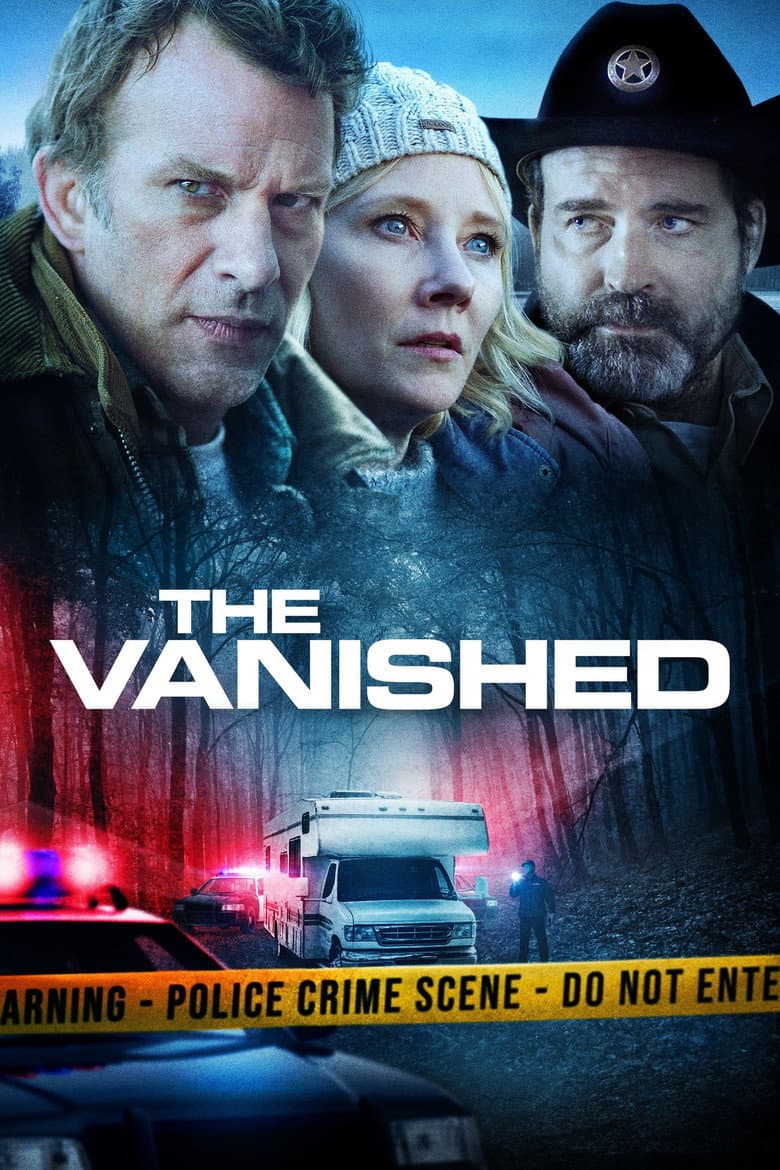
Movie · 2020
A family vacation takes a terrifying turn when parents Paul and Wendy discover their young daughter has vanished without a trace.
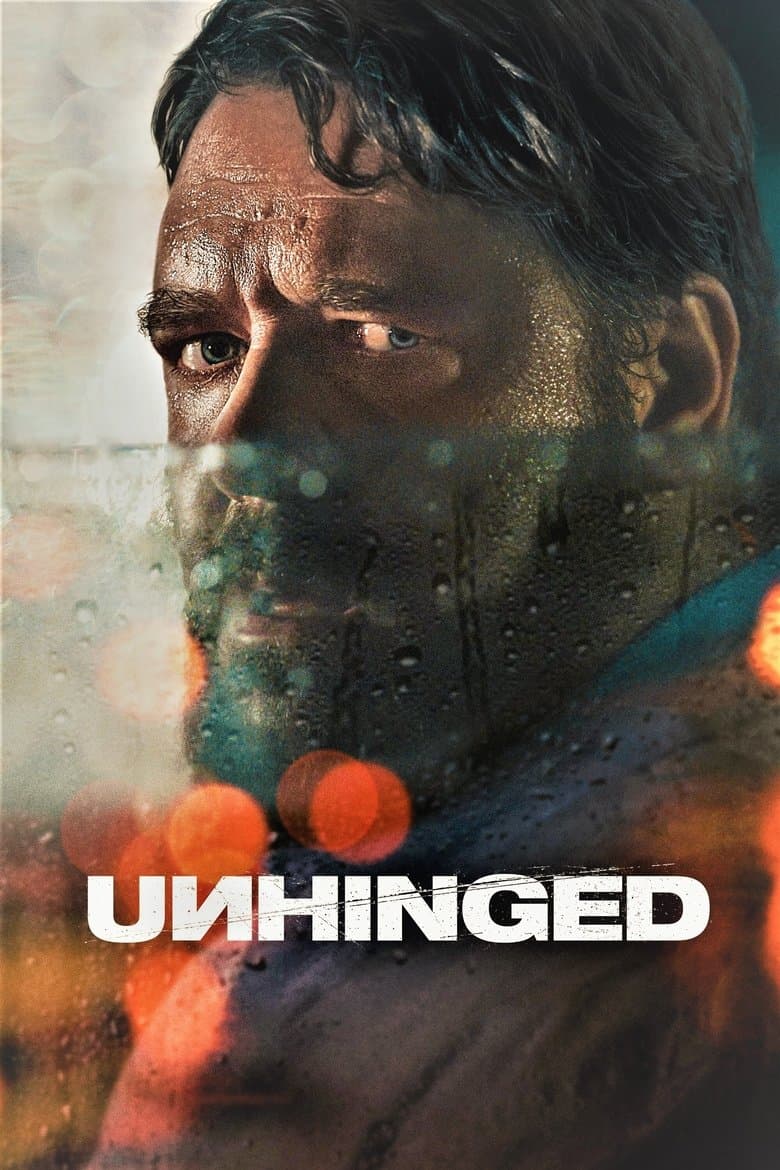
Movie · 2020
Rachel is a divorced single mother whose bad day gets even worse. She's running late to drop her son off at school when she honks her horn impatiently at a fellow driver during…
