
Catherine Clare leaves Manhattan with her husband, George, and their young daughter for an old farm in the Hudson Valley. George starts teaching art at a small college, while Catherine gives up her city work as an art restorer and spends more time alone at home. Catherine soon sees signs that the house is haunted and learns that George has hidden dark facts about the property and their marriage. The film mixes ghost horror with a grim story about cheating, lies, abuse, and a family falling apart.
The film gives its strongest message to Catherine’s treatment as a wife and mother. George expects her to support his career, doubts her fears, cheats on her, and uses her eating problems to make her seem unstable. The story connects this control to older ideas that women should serve men, while female ghosts and women around Catherine expose or resist that power. A brief story about a gay family member and a homophobic insult adds an identity theme, but the main focus remains female mistreatment and revenge.
Community feedback
Was our 43% Woke rating accurate?
Breakdown
These are the editorial factors and ratings behind our score for Things Heard & Seen.
Woke representation / casting
Not present. The main cast is mostly white and fits the film’s 1980 Hudson Valley setting. The film does not make casting or diversity a stated part of the story.
0%
Woke political dialogue
Not present. The dialogue centers on ghosts, marriage, religion, cheating, and personal wrongdoing. It does not present current political speeches or activist demands about DEI, race, or gender.
0%
Identity-driven story themes
Catherine is shown giving up her art-restoration work so George can advance his career. George repeatedly treats her as a helper, doubts her fears, cheats on her, and uses her eating problems to make her seem unstable. The story links this control to older beliefs that wives should serve men. Female ghosts and women who believe Catherine help turn that message into the film’s main emotional conflict.
52%
Western institutional / cultural critique
The marriage shows a husband using charm, money, and social status to control his wife. George’s college setting rewards his image even as he lies, cheats, and faces a sexual-misconduct dispute. The film presents older male power and traditional wife-and-husband roles as harmful. The story does not attack Christianity or Western society as a whole.
42%
Woke character or canon changes
Not relevant. The movie adapts a 2016 novel with fictional characters. It does not change an established character, canon, or real historical figure for identity reasons.
0%
Anti-woke backlash and complaints
Not present. The supplied X research found no anti-woke reaction or specific complaints. Other audience talk focused on the weak horror, confusing ending, and bad marriage rather than woke or DEI messaging.
0%
Creator track record context
Julie Cohen has a strong stored record of producing documentaries about women’s rights, queer black history, and intersex lives. Elizabeth Brundage describes herself as a feminist writer who challenges common ideas about gender. Shari Springer Berman and Robert Pulcini have low stored scores and no clear activist pattern. The wider creator context is mixed, but it supports the film’s focus on female power and abuse.
28%
Production
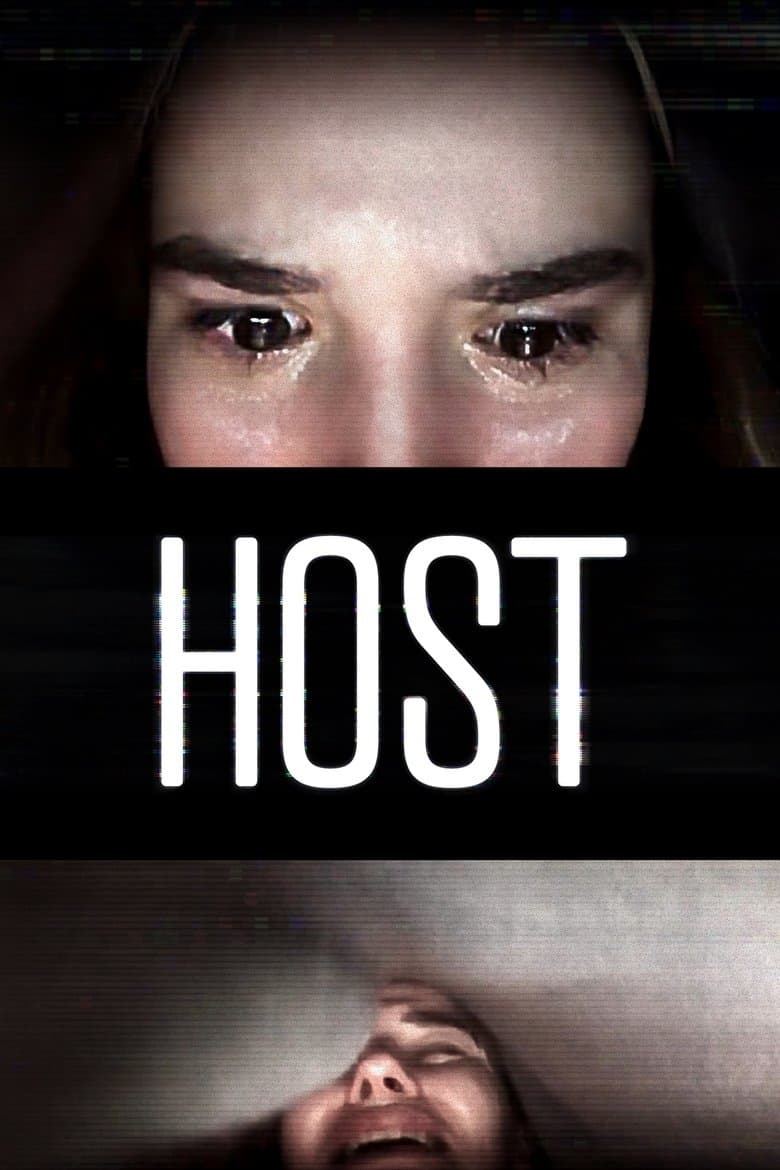
Movie · 2020
Six friends hire a medium to hold a séance via Zoom during lockdown — but they get far more than they bargained for as things quickly go wrong.
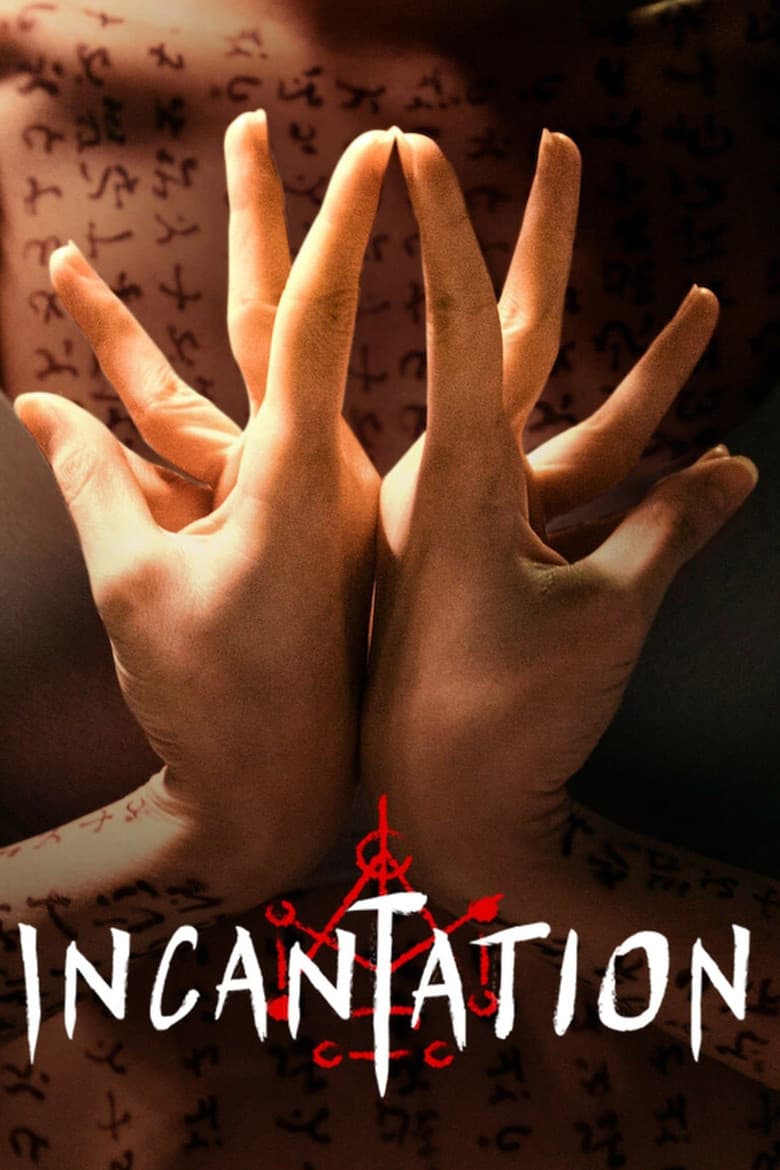
Movie · 2022
Inspired by the true story of a family who believed they were possessed by spirits. This film follows a woman who must protect her child from a curse.

Movie · 2024
Five years after surviving Art the Clown's Halloween massacre, Sienna and Jonathan are still struggling to rebuild their shattered lives.

Movie · 2024
A boy and his stepmother fear for their safety after an eerie creature resembling the boy's recently deceased father visits them.
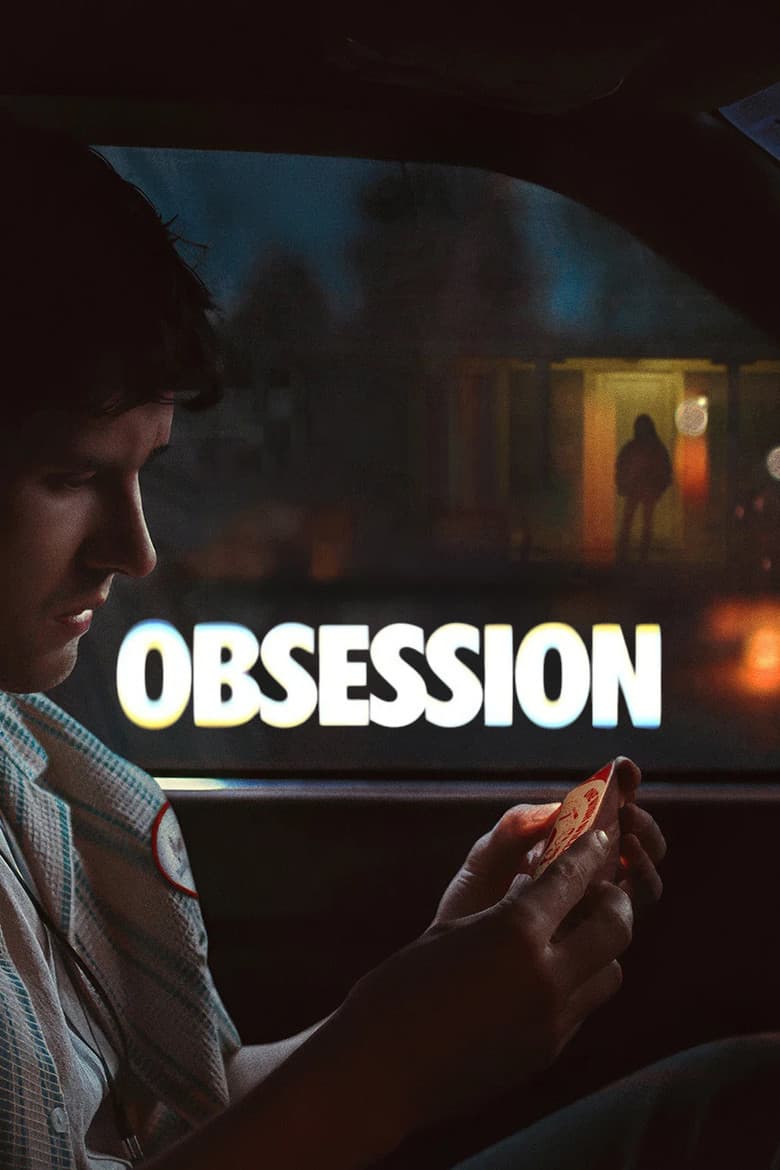
Movie · 2026
After breaking the mysterious "One Wish Willow" to win his crush's heart, a hopeless romantic finds himself getting exactly what he asked for but soon discovers that some desires…
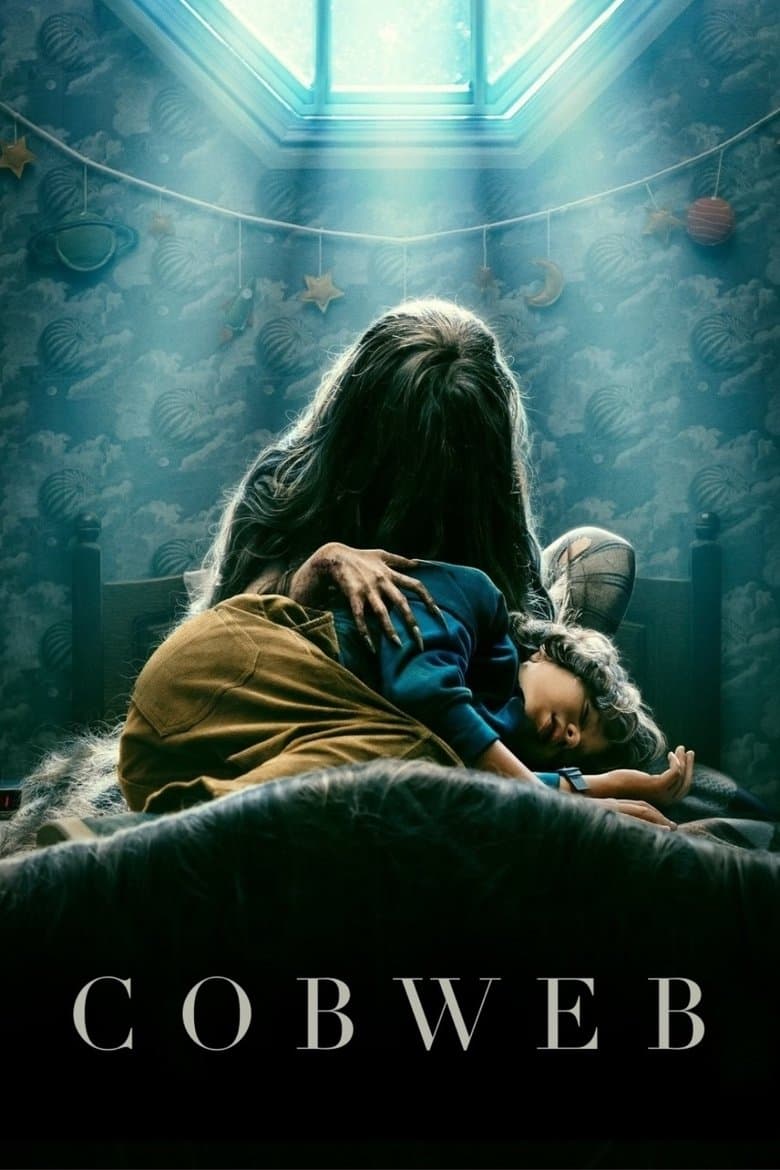
Movie · 2023
Eight year old Peter is plagued by a mysterious, constant tapping from inside his bedroom wall—one that his parents insist is all in his imagination.

Movie · 2024
A live broadcast of a late-night talk show in 1977 goes horribly wrong, unleashing evil into the nation's living rooms.

Movie · 2022
Trapped on her family’s isolated farm, Pearl must tend to her ailing father under the bitter and overbearing watch of her devout mother.
