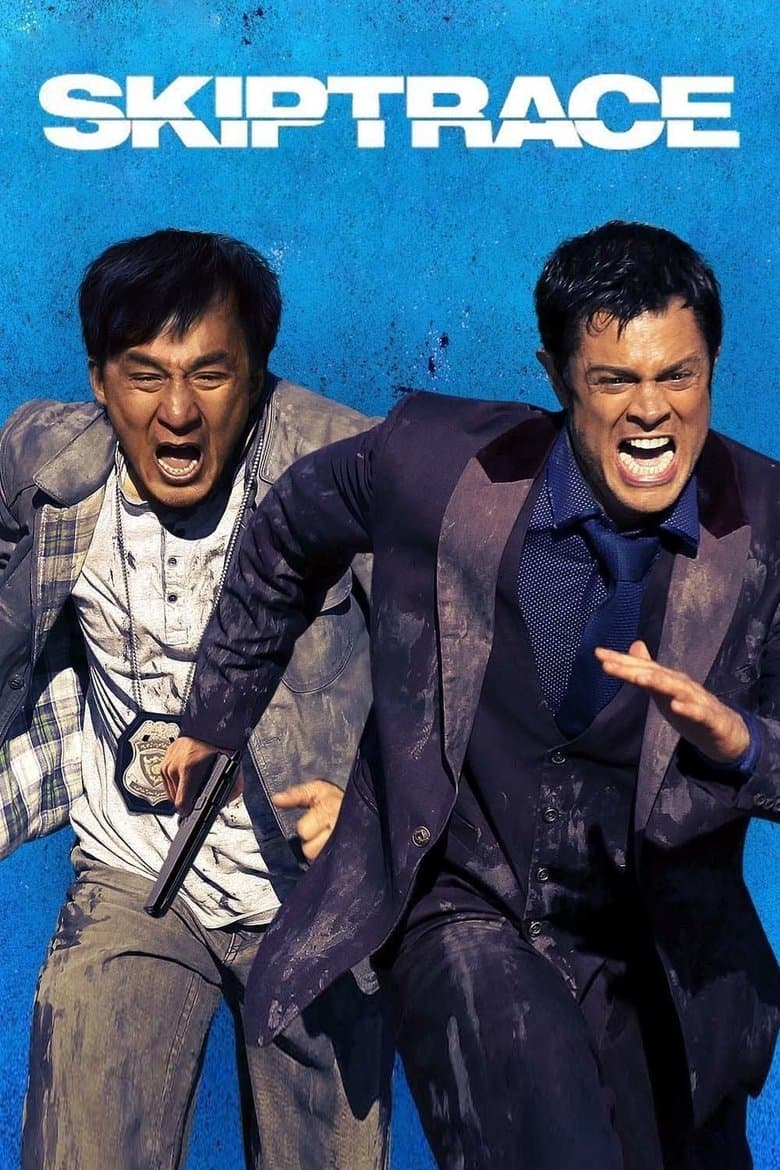
Hong Kong detective Bennie Chan teams with American gambler Connor Watts on a road chase across Russia, Mongolia, and China. They aim to unmask crime boss Matador, avenge a partner’s death, and save Chan’s goddaughter. The movie is a standard buddy-cop action comedy. It leans on stunts, crude jokes, and travel through big locations. There is no activist or identity-politics story spine.
The real story is about honor, loyalty, and slapstick camaraderie between the two leads. The plot turns on partner revenge, a phone that can identify Matador, and forced buddy travel. Corrupt cops and tycoons serve a generic crime story set in Hong Kong and China. Cast and dialogue stay inside the buddy formula and chase logistics. Nothing centers race, gender, sexuality, or modern social-justice messaging.
Community feedback
Was our 1% Woke rating accurate?
Breakdown
These are the editorial factors and ratings behind our score for Skiptrace.
Woke representation / casting
Not present. Cast fits a China–Hong Kong–U.S. co-production and buddy formula, not a diversity-first hero package.
0%
Woke political dialogue
Not present. Dialogue stays on crime, honor, chase logistics, and East–West buddy banter with no social-justice speech.
0%
Identity-driven story themes
Not present. Themes are honor, loyalty, and slapstick camaraderie, not identity or systemic oppression messaging.
0%
Western institutional / cultural critique
Not present. Corrupt cops and tycoons serve a generic crime story, not an activist attack on Western institutions.
0%
Woke character or canon changes
Not relevant. Original Jackie Chan story idea with no characters reworked for identity politics.
0%
Anti-woke backlash and complaints
Not present. Reaction focuses on quality issues, and no meaningful anti-woke backlash was found.
0%
Creator track record context
The main creatives score very low on activist work. Harlin, the writers, Jackie Chan, and most producers land in the low single digits. Their records sit in action comedy and Sino-American production. That history does not point to identity-driven filmmaking.
3%
Production

Movie · 2024
When 93-year-old Thelma Post gets duped by a phone scammer pretending to be her grandson, she sets out on a treacherous quest across the city to reclaim what was taken from her.

Movie · 2023
Muthuvel Pandian, a retired, stern yet compassionate jailer lives a peaceful life with his family, but trouble knocks his door when his cop son’s tryst with an antique mafia gang…

Movie · 2023
Dan Morgan is many things: a devoted husband, a loving father, a celebrated car salesman. He's also a former assassin.
Movie · 2018
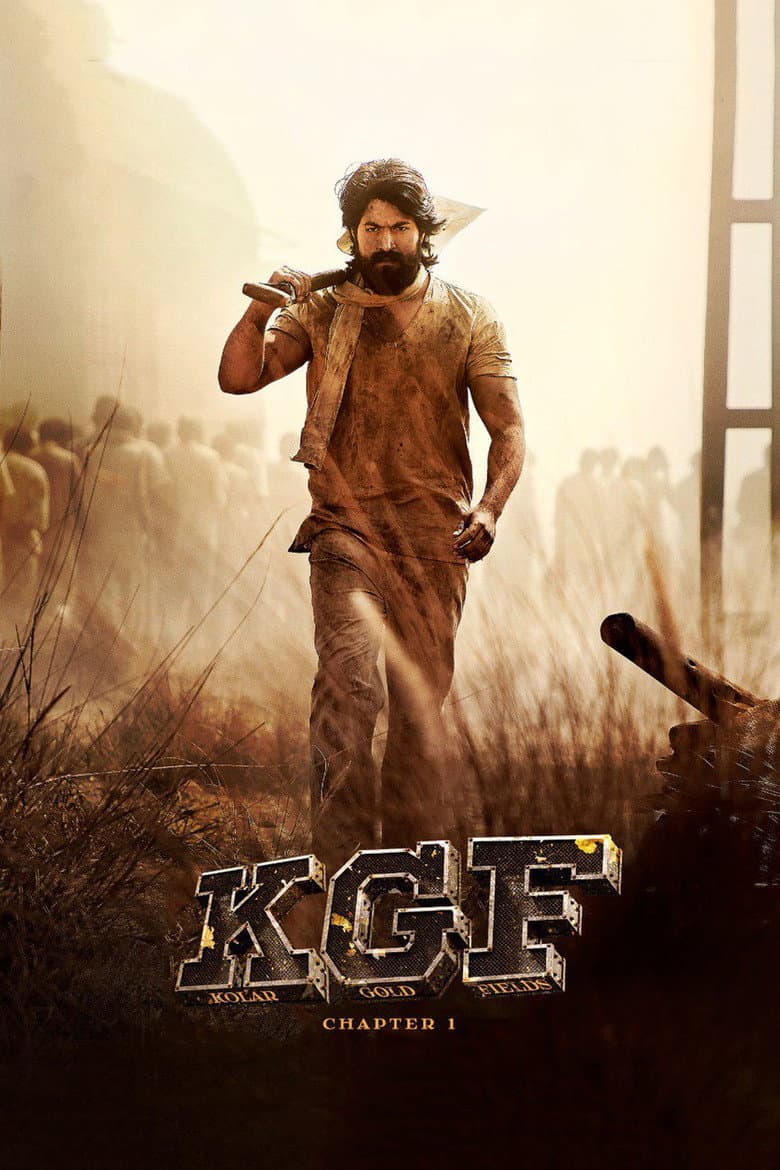
A period drama set in the 1970s, KGF follows the story of a fierce rebel who rises against the brutal oppression in Kolar Gold Fields and becomes the symbol of hope to legions of…

Movie · 2021
An Interpol-issued Red Notice is a global alert to hunt and capture the world's most wanted. But when a daring heist brings together the FBI's top profiler and two rival…

Movie · 2024
When the plots of reclusive author Elly Conway's fictional espionage novels begin to mirror the covert actions of a real-life spy organization, quiet evenings at home become a…
Movie · 2022
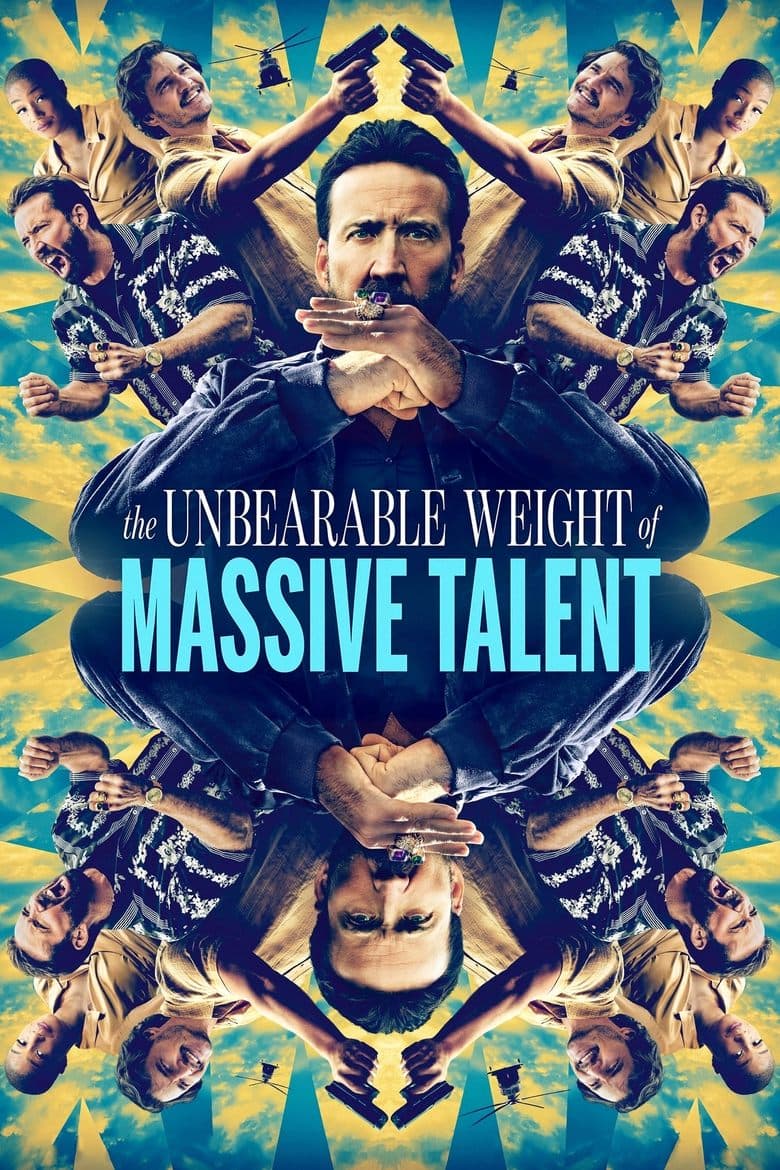
Creatively unfulfilled and facing financial ruin, Nick Cage must accept a $1 million offer to attend the birthday of a dangerous superfan.
Movie · 2016
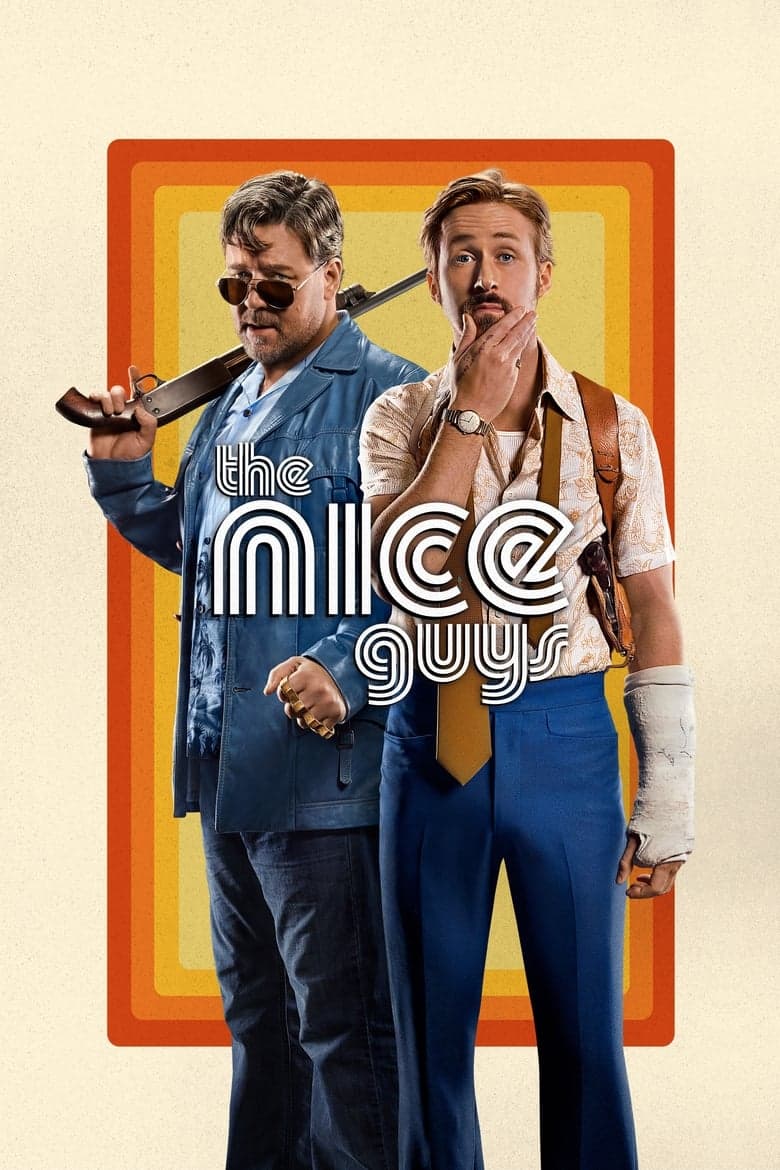
A private eye investigates the apparent suicide of a fading porn star in 1970s Los Angeles and uncovers a conspiracy.
