Movie review
April 22, 2020 · 92 min · PG · Kids · Fantasy · Animation · Comedy · Adventure · Family
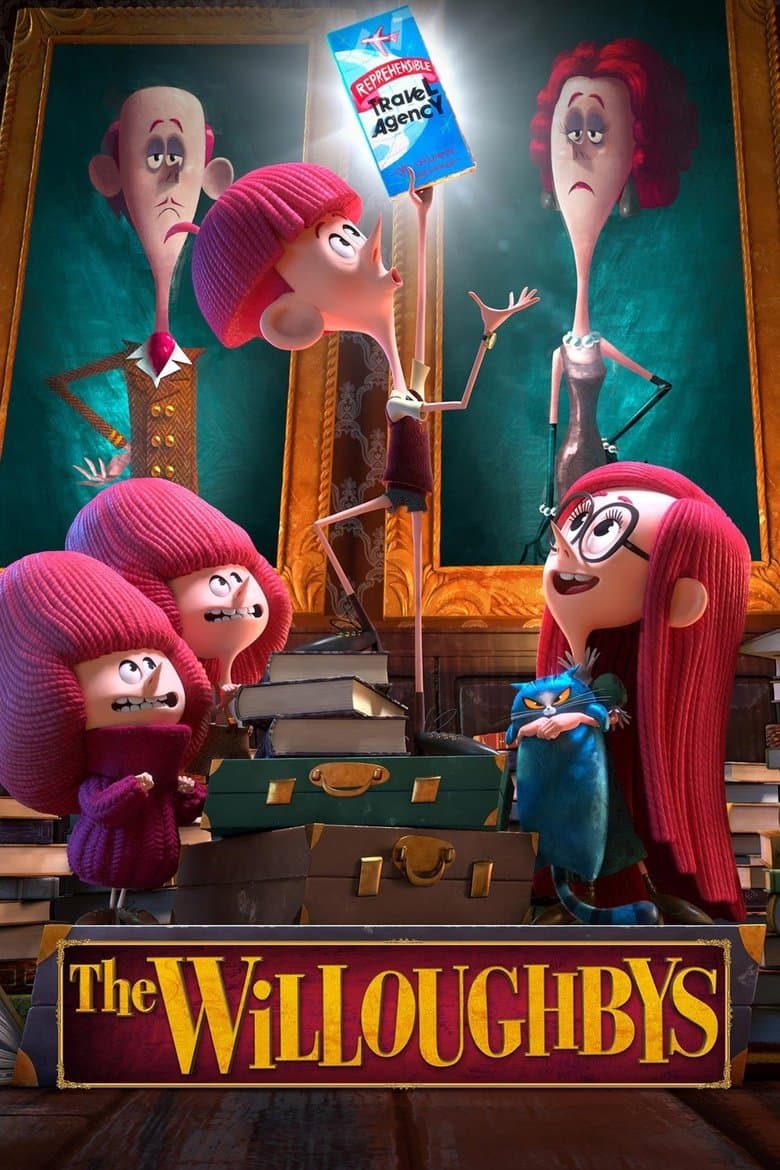
Tim Willoughby is the oldest child in a family that once prized courage, invention, and a large mustache. His parents care only about each other, so Tim, Jane, and the twin Barnabys go hungry and receive little care or praise. The children trick their parents into taking a deadly trip so they can become orphans, but a loving nanny named Linda enters their old house. The children then meet Ruth, a baby, and Commander Melanoff, a lonely candy maker, before they face foster homes and a dangerous mountain rescue. Bright computer animation and dark jokes give the story a strange but warm tone.
The film says that family is built by love and choice, not only by birth or an old family name. It treats the parents' old-fashioned rules as harmful and shows Orphan Services as a cold system that separates children and assigns homes. A short foster-home montage shows two fathers, a single mother with many foster children, and another home with several adults. Linda and Melanoff become the children's new parents, while Jane is praised for her music and hopes of becoming president. The ending celebrates adoption, mixed backgrounds, and different family forms as the answer to the children's pain.
Community feedback
Was our 59% Woke rating accurate?
Breakdown
These are the editorial factors and ratings behind our score for The Willoughbys.
Woke representation / casting
The film makes Linda, a black nanny, and Melanoff, a black candy maker, its main rescuers and final parents. The children have pale red-haired designs, so the new family visibly crosses race and birth ties. The foster-home montage adds two fathers and several other family arrangements. The movie uses these choices to show that family can take many forms.
58%
Woke political dialogue
Commander Melanoff tells Linda that Ruth could become a doctor, writer, pilot, or president. A radio host praises Linda for taking initiative, which supports the film's female-empowerment message. These are brief lines rather than repeated political speeches.
27%
Identity-driven story themes
The film makes chosen family its main lesson from the opening conflict to the final adoption. It treats blood, family names, and old-fashioned rules as weaker than love, care, and personal choice. The foster-home montage presents two fathers and other family types as safe examples, while Linda and Melanoff adopt the children. Jane's singing and final mustache also play with old gender roles, and the story repeatedly praises change and breaking family patterns.
61%
Western institutional / cultural critique
The film presents the Willoughby bloodline and its old-fashioned family rules as harmful rather than admirable. The parents use tradition, male family pride, and home life as excuses for neglect. Orphan Services uses cold language, separates the siblings, and assigns them to standard homes, so the official system also looks cruel and lifeless. The story does not attack religion or capitalism, but it clearly favors change and chosen family over inherited authority.
43%
Woke character or canon changes
Not relevant. The film changes the book's structure and ending, but those changes are not identity-based. No confirmed race, gender, sexuality, or hero-role swap affects an established character.
0%
Anti-woke backlash and complaints
One Polish audience review called the film propaganda and objected to its rainbow imagery, two-dad home, and different family forms. A Christian family review also flagged the same-sex couple and said the film places a caveat on honoring parents. The supplied X pass found no campaign, boycott, or review-bombing, so the wider backlash is thin and fringe.
14%
Creator track record context
Most cached writer and director profiles describe animation work and show little public activism or DEI campaigning. Lois Lowry has humanist themes about oppression, empathy, and censorship, while Aaron L. Gilbert has a stronger public diversity and inclusion record. The wider group still has a low to mild woke track record, so creator history adds limited weight.
13%
Production
Movie · 2023
While working underground to fix a water main, Brooklyn plumbers—and brothers—Mario and Luigi are transported down a mysterious pipe and wander into a magical new world.
Movie · 2022
Puss in Boots discovers that his passion for adventure has taken its toll: He has burned through eight of his nine lives, leaving him with only one life left.
Movie · 2020
When his best friend Gary is suddenly snatched away, SpongeBob takes Patrick on a madcap mission far beyond Bikini Bottom to save their pink-shelled pal.
Movie · 2024
A boy with an active imagination faces his fears on an unforgettable journey through the night with his new friend: a giant, smiling creature named Dark.
Movie · 2021
As Emily struggles to fit in at home and at school, she discovers a small red puppy who is destined to become her best friend.
Movie · 2020
Fueled by memories of her mother, resourceful Fei Fei builds a rocket to the moon on a mission to prove the existence of a legendary moon goddess.
Movie · 2026
This is the rambunctious, ridiculous and totally true story of how the Minions conquered Hollywood, became movie stars, lost everything, unleashed monsters onto the world and then…
Movie · 2024
After receiving an unexpected call from her wayfinding ancestors, Moana journeys alongside Maui and a new crew to the far seas of Oceania and into dangerous, long-lost waters for…
