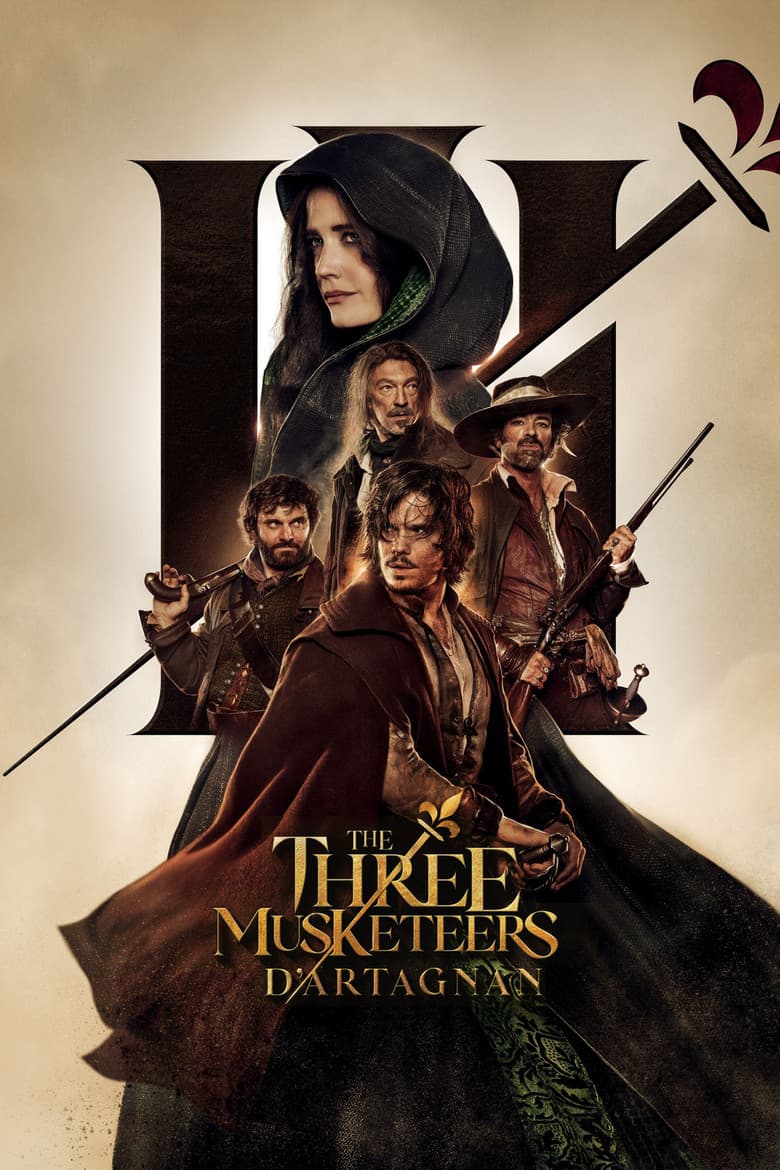
Movie review
April 5, 2023 · 121 min · NR · French · Action · Adventure · Drama
D'Artagnan is a young Gascon who travels to Paris to become one of the king's Musketeers. After he survives an attack, he is pulled into a plot that could start a war and threaten the French royal family. He joins Athos, Porthos, and Aramis, then grows close to the queen's helper, Constance. The film has a serious, violent adventure tone with sword fights, secret plans, romance, and rough humor.
The clearest modern identity choice is Porthos, who is shown as attracted to both women and men. The film shows this in a brief bedroom scene and several sexual jokes, but his sexuality does not drive the main plot. Constance and Milady also receive more active roles than women usually receive in older versions of the story. The main story still follows loyalty, honor, friendship, royal power, and a fight against a planned war.
Community feedback
Was our 46% Woke rating accurate?
Breakdown
These are the editorial factors and ratings behind our score for The Three Musketeers: D'Artagnan.
Woke representation / casting
Not present. The film uses a mostly French and European cast for a French story set in the 1600s. The cast is not presented as a diversity message.
0%
Woke political dialogue
Porthos makes several jokes and comments about wanting men as well as women. The lines make his bisexual behavior clear. The film uses these comments briefly and does not build a political speech around them.
20%
Identity-driven story themes
Porthos is openly bisexual in several short scenes. Constance and Milady are repeatedly shown as active women who make their own choices. These ideas are visible, but the adventure still centers on royal intrigue, loyalty, friendship, and war.
38%
Western institutional / cultural critique
The musketeers show arrogant machismo, womanizing, and rough behavior. Constance and Milady push back through their own plans and actions. The film gives this contrast a mild modern edge, but it does not attack Christianity or Western institutions.
18%
Woke character or canon changes
Porthos is made openly bisexual, which is not stated in Dumas's novel. The film adds a bedroom scene with a man and sexual lines about male attraction. Constance and Milady also receive more active roles than in the novel. These changes affect important characters but do not replace D'Artagnan's main quest.
45%
Anti-woke backlash and complaints
Some audience reviews called Porthos's bisexuality a woke or forced change. Other reviews said the film had been changed to fit modern trends and no longer respected Dumas's work. News coverage also discussed the woke accusation. The reaction was real but narrow, and many viewers praised the film.
30%
Creator track record context
Bourboulon, Delaporte, and de La Patellière have no clear record of modern identity activism. Dumas had liberal and anti-slavery views, but his work belongs to an earlier period. The producers mainly have commercial careers, with limited support for women in animation. The creator record gives only mild woke context.
18%
Production
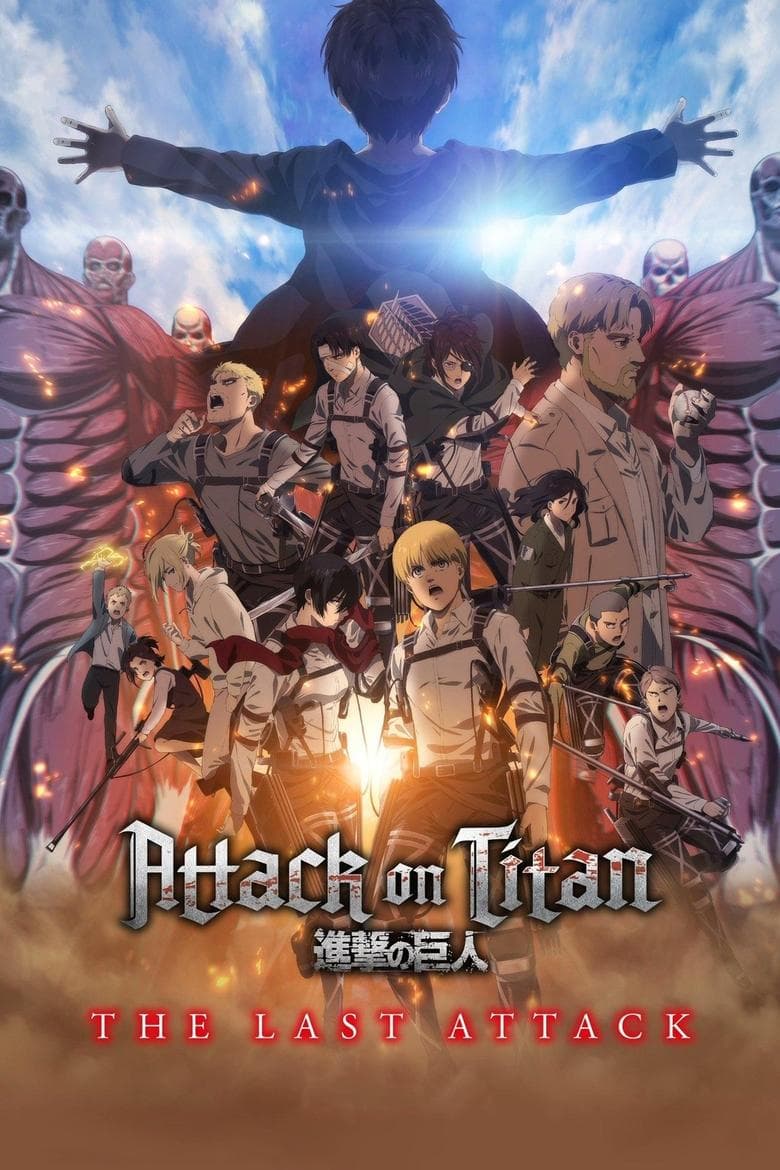
Movie · 2024
A colossal-sized omnibus film bringing together the last two episodes of Attack on Titan in the franchise's first-ever theatrical experience.

Movie · 2023
The ultimate wish-fulfillment tale of a teenage Gran Turismo player whose gaming skills won him a series of Nissan competitions to become an actual professional racecar driver.
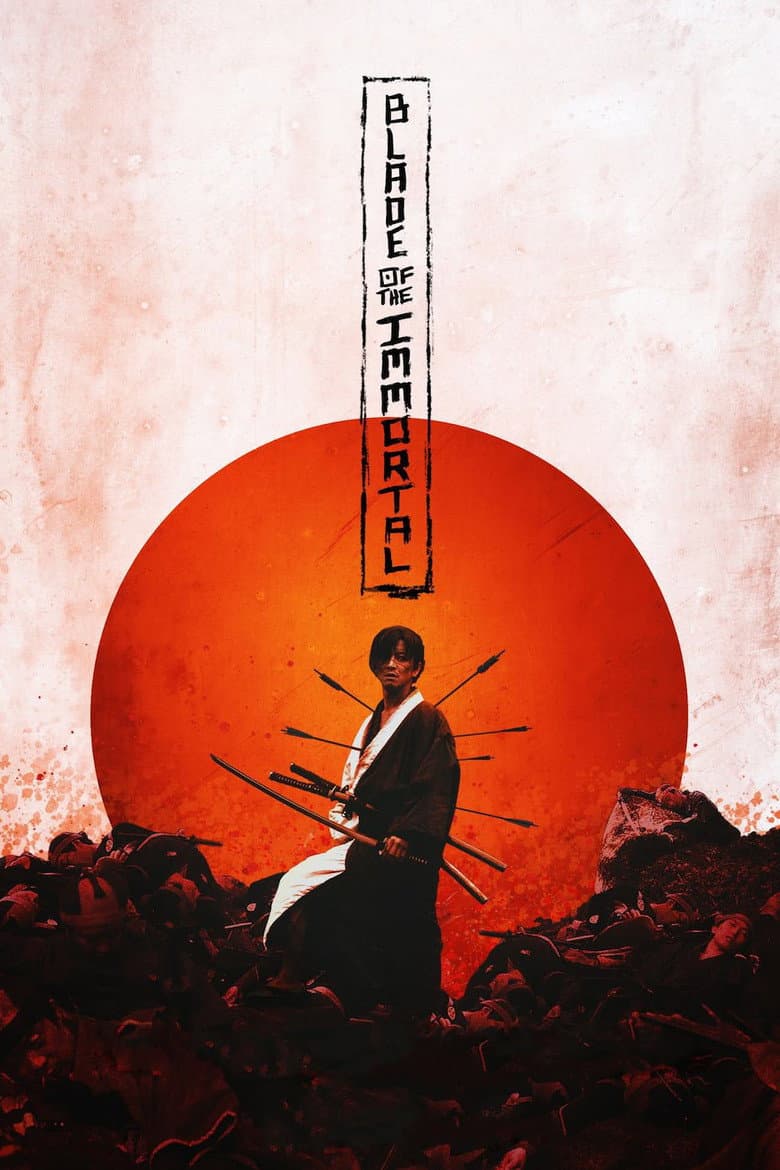
Movie · 2017
Manji, a highly skilled samurai, becomes cursed with immortality after a legendary battle. Haunted by the brutal murder of his sister, Manji knows that only fighting evil will…
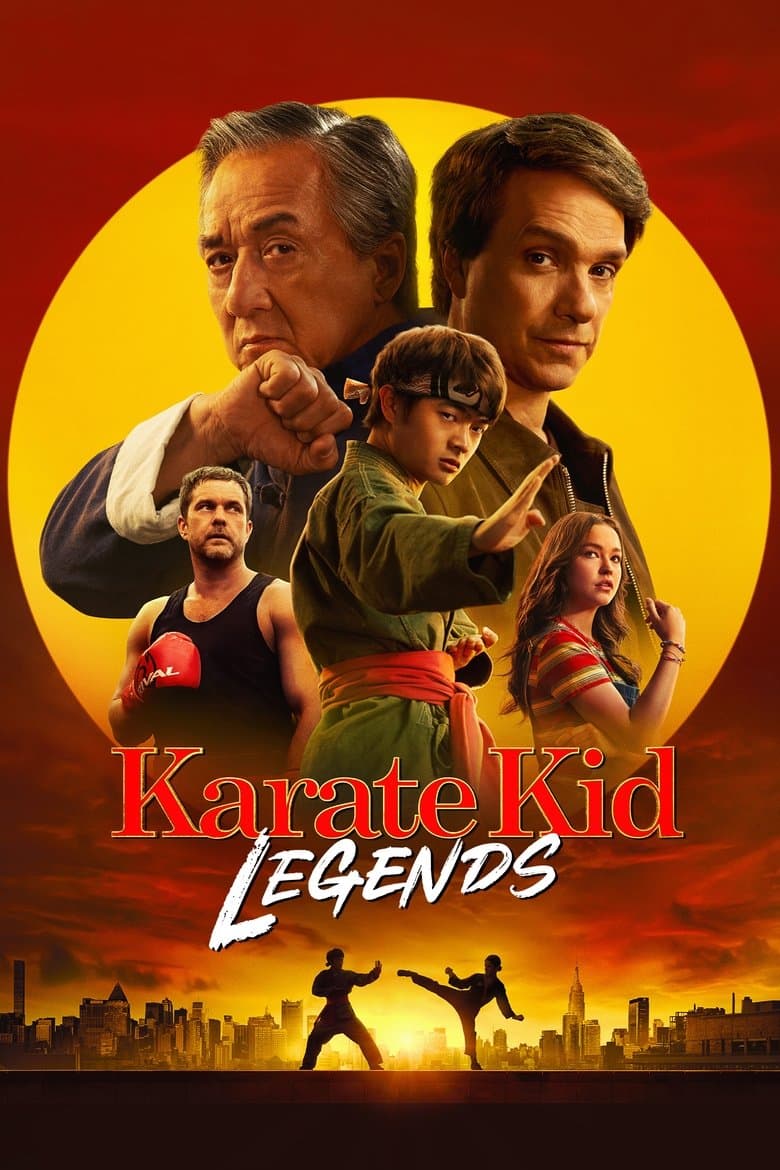
Movie · 2025
After a family tragedy, kung fu prodigy Li Fong is uprooted from his home in Beijing and forced to move to New York City with his mother.
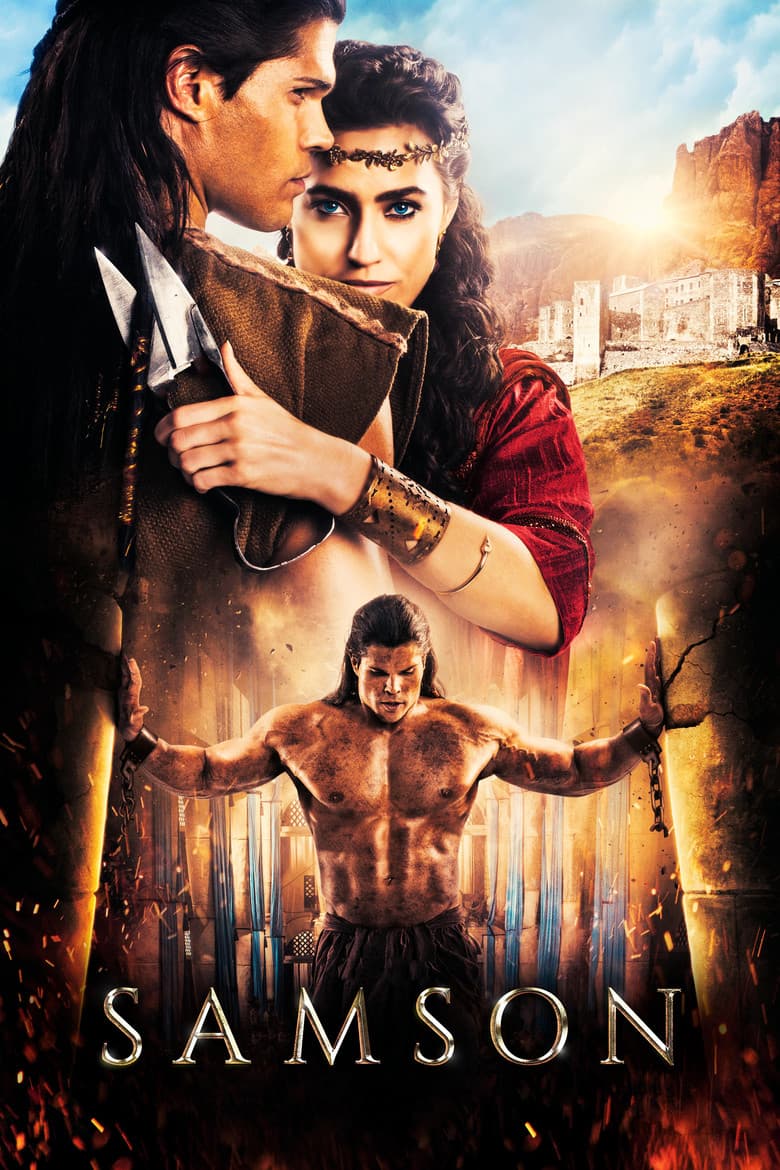
Movie · 2018
After losing the love of his life to a cruel Philistine prince, a young Hebrew with Supernatural strength defends his people, sacrificing everything to avenge his love, his…
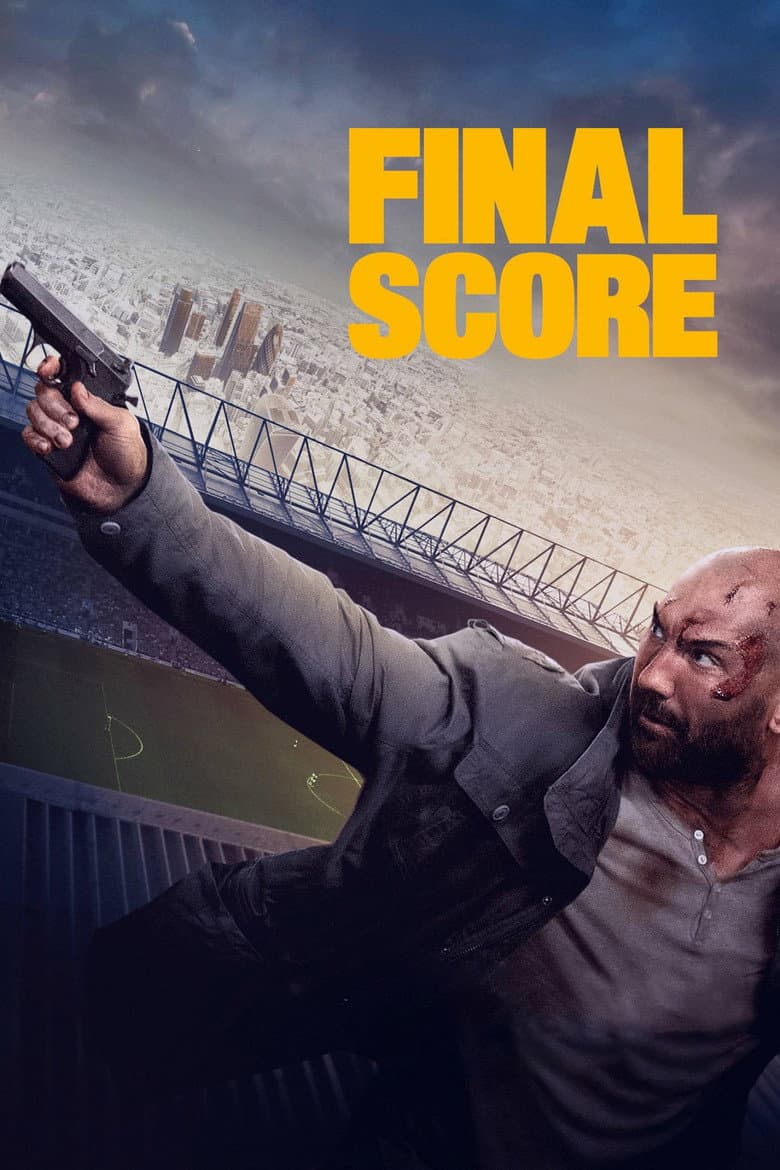
Movie · 2018
When a stadium is seized by a group of heavily armed criminals during a major sporting event, an ex-soldier must use all his military skills to save both the daughter of a fallen…
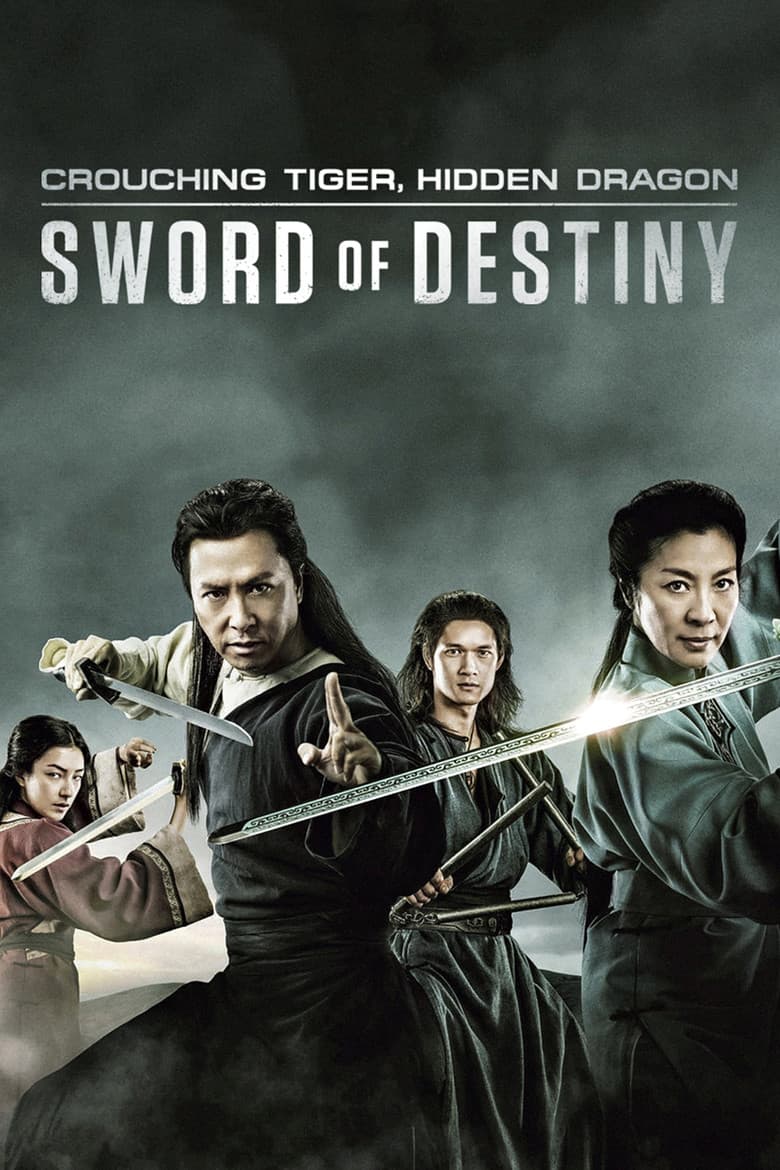
Movie · 2016
A story of lost love, young love, a legendary sword and one last opportunity at redemption.
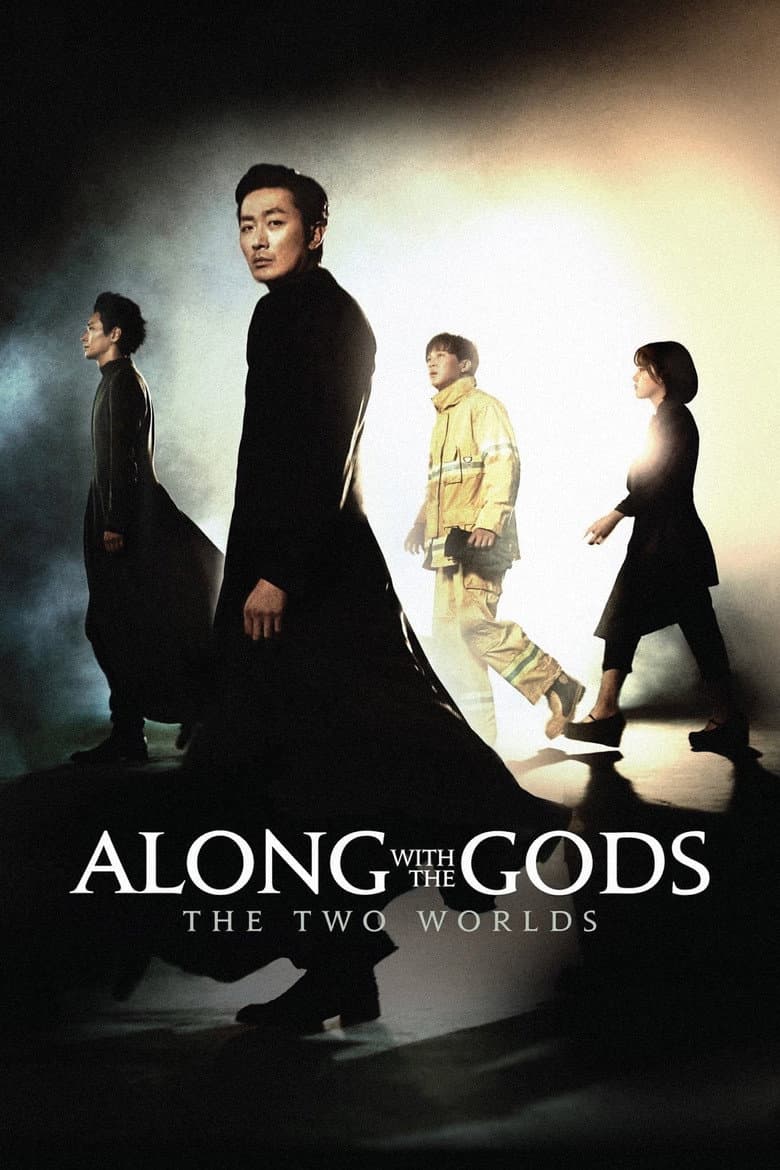
Movie · 2017
Having died unexpectedly, firefighter Ja-hong is taken to the afterlife by 3 afterlife guardians. Only when he passes 7 trials over 49 days and proves he was innocent in human…
