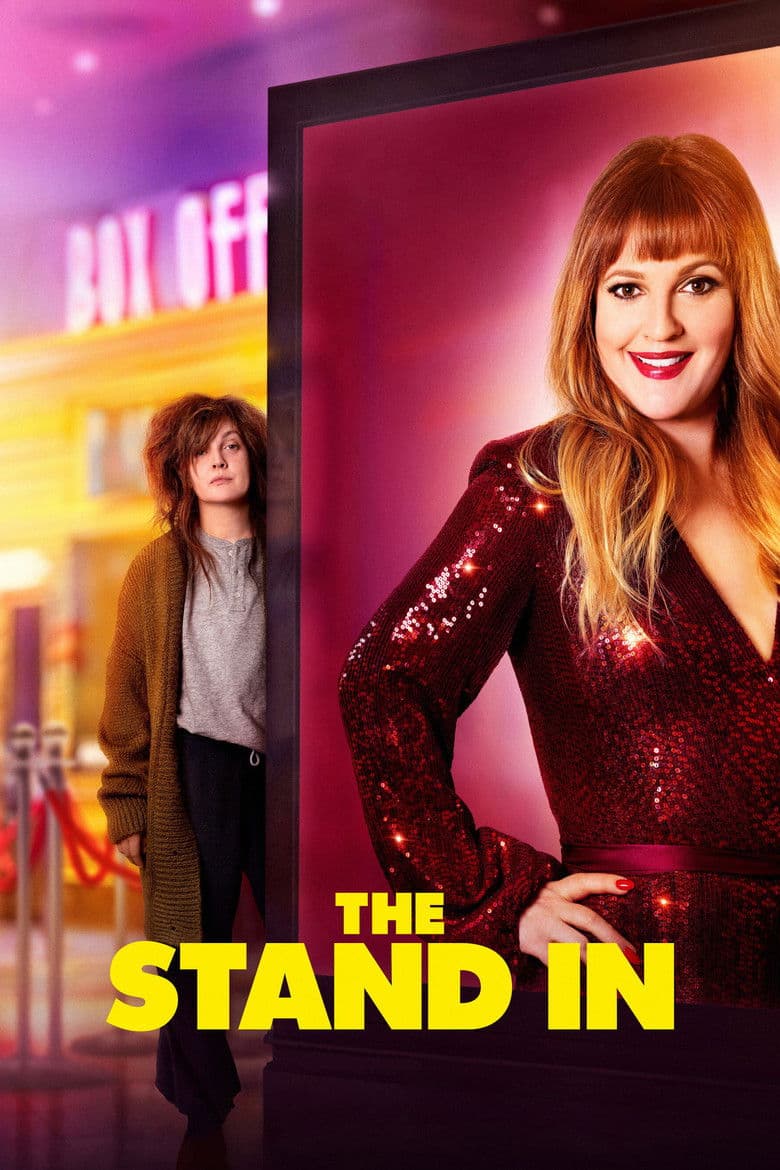
Candy Black is a famous comedy actress who has lost control of her life. After a drug-fueled outburst and tax trouble, a judge orders her to spend a year in rehab. Candy pays her quiet stand-in Paula to take her place while Candy hides at home and courts a man online. The story moves between Hollywood sets, rehab, a large home, and a small Kentucky town. Paula soon takes Candy’s name, career, home, and boyfriend in a dark comedy about fame, lies, and stolen lives.
Both central roles belong to women, and Paula controls much of the plot as she takes over a star’s work and public image. The film also gives women the director, star, and carpenter roles. Candy and Paula are not simple heroes because both women are selfish, cruel, and dishonest. The story focuses more on personal identity, fame, and escape from public pressure than on race, sexuality, or a wider political cause.
Community feedback
Was our 51% Woke rating accurate?
Breakdown
These are the editorial factors and ratings behind our score for The Stand In.
Woke representation / casting
Two women carry the film because Drew Barrymore plays both leads. The story also gives women the director, star, and carpenter roles. Sam Bain said the first draft made both leads men and that he changed them to women after seeing Gravity. This is a clear female-led representation choice, but it is not an across-the-board diversity design.
44%
Woke political dialogue
A carpenter says it will be good to have another woman on the team. Paula also praises a historic Shaker woman who made furniture. These are brief comments, and the film does not build them into a speech about equality, identity, or DEI.
21%
Identity-driven story themes
Paula drives the central plot by taking over Candy’s career, public image, home, and boyfriend. Candy starts as a famous star, and both women make the major choices while the men mostly fill support roles. The film repeatedly puts women in control of work, fame, and relationships. The story treats identity and reinvention as personal struggles, not as a wider fight about race, sexuality, or social systems.
50%
Western institutional / cultural critique
Not present. The movie mocks Hollywood, fame, fans, and wealthy celebrity life. It does not turn that satire into a modern attack on Western institutions, Christianity, family life, or male power.
0%
Woke character or canon changes
Not relevant. The movie is an original story and does not alter an established character, canon, or real historical event.
0%
Anti-woke backlash and complaints
Not present. The supplied X pass found no anti-woke reaction or named complaint. Web and audience discussion focused on weak jokes, dark tone, and unlikeable characters, not on woke, DEI, or identity politics.
0%
Creator track record context
Jamie Babbit has a strong queer film and representation record. Sam Bain has spoken about writing more non-white and non-male characters and supporting female-led comedy. Drew Barrymore adds a milder inclusion signal through her public work and producer role. Most other listed producers have no known activist record, so the context is led by Babbit and Bain.
62%
Production
Movie · 2024
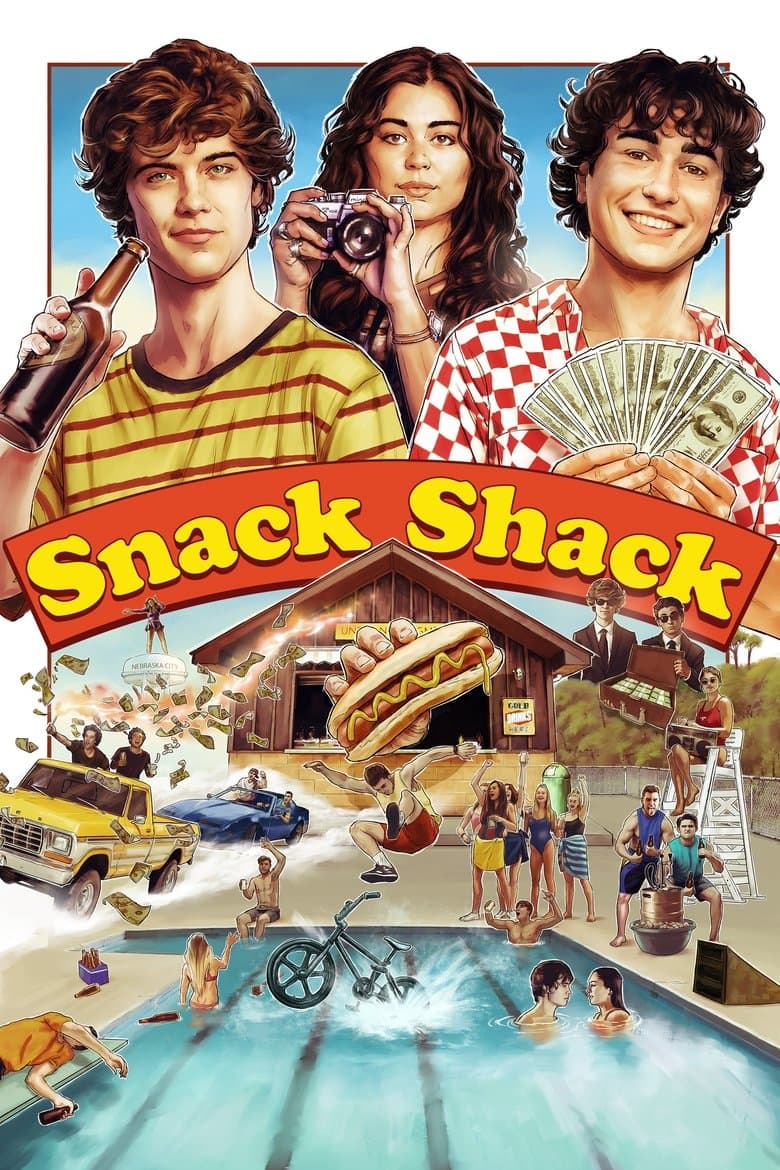
Inseparable best friends AJ and Moose decide to run the local pool's snack shack after their plan to sell home-brewed beer goes down the drain.
Movie · 2018
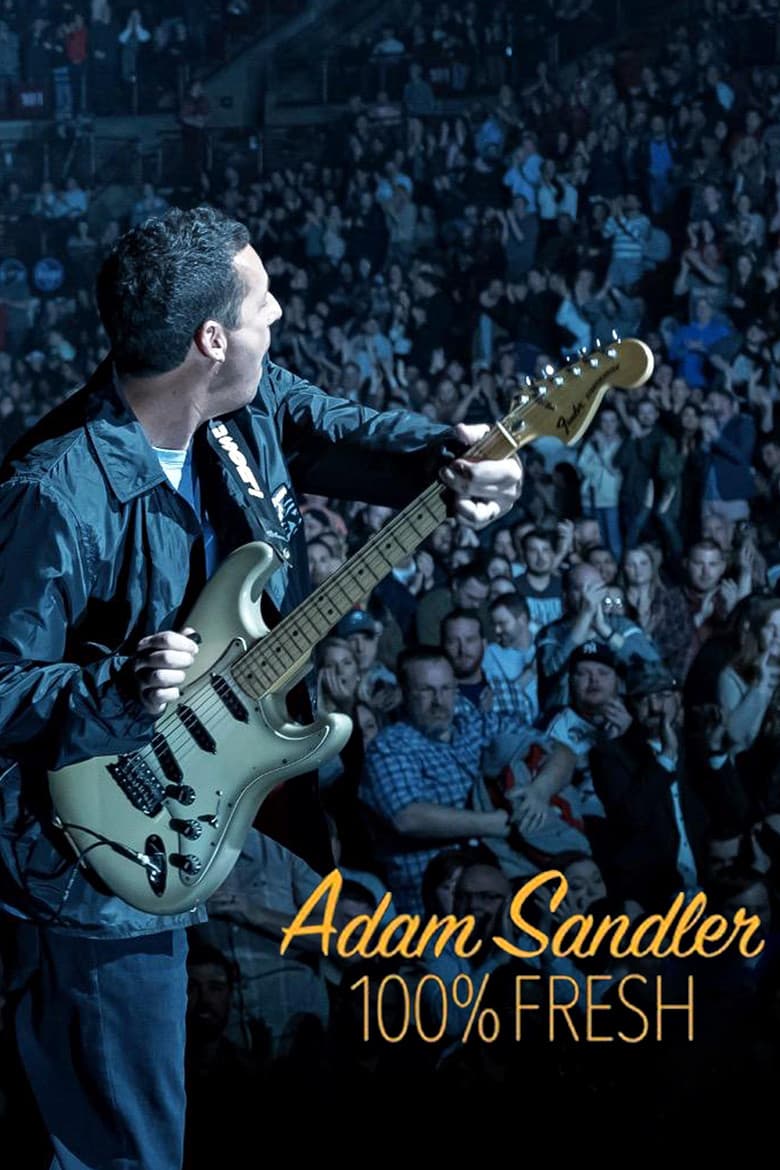
Adam Sandler takes his comical musical musings back out on the road, from comedy clubs to concert halls to one very unsuspecting subway station.
Movie · 2016
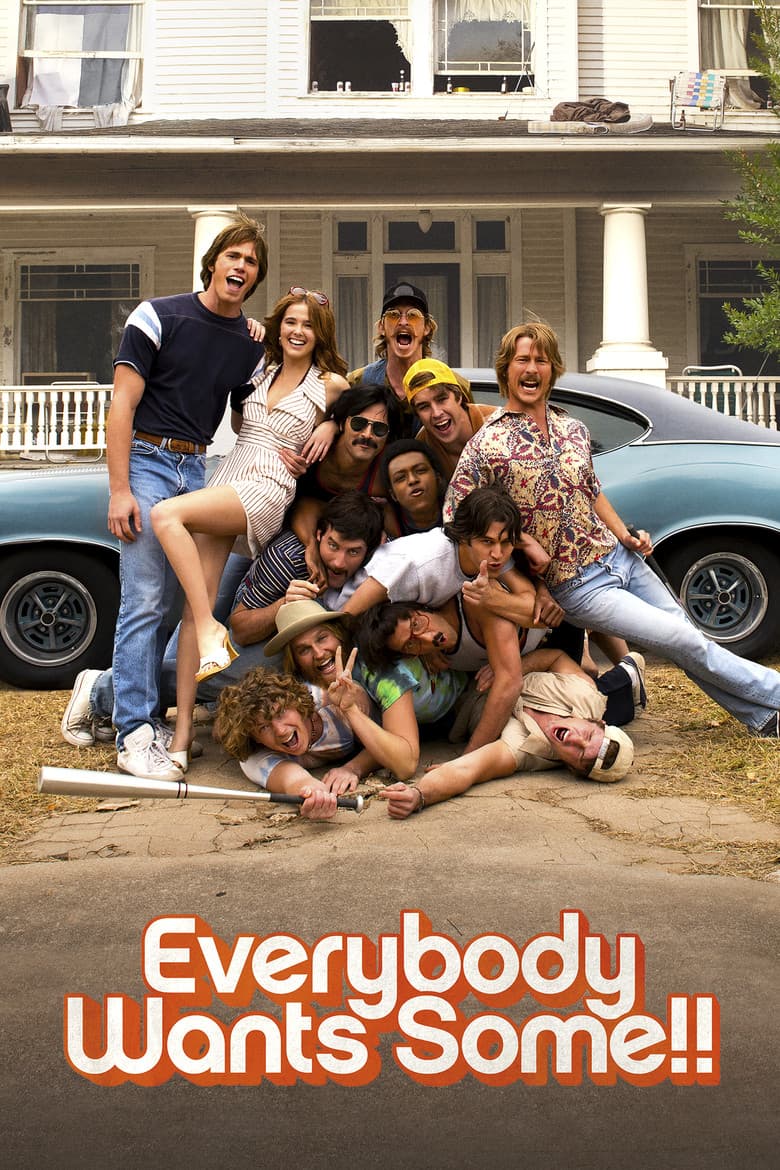
A comedy that follows a group of friends as they navigate their way through the freedoms and responsibilities of unsupervised adulthood.
Movie · 2023
From his onstage tackle to the slap heard round the world, Dave Chappelle lets loose in this freewheeling and unfiltered stand-up comedy special.

Movie · 2024
Pansy is a woman so full of rage that every interaction she has devolves into lashing out, whether at her utterly cowed husband and son, or random strangers who have the temerity…
Movie · 2023
After it's discovered that a teacher at South Park Elementary has an OnlyFans page, Randy is compelled to take a closer look at the seedy underbelly of the world of online…
Movie · 2023
A chaotic intervention. An action-packed stay in rehab. After a weird couple of years, John Mulaney comes out swinging in his return to the stage.

Movie · 2024
Emotions run high when three estranged sisters reunite in a cramped New York City apartment to watch over their ailing father during his final days.
