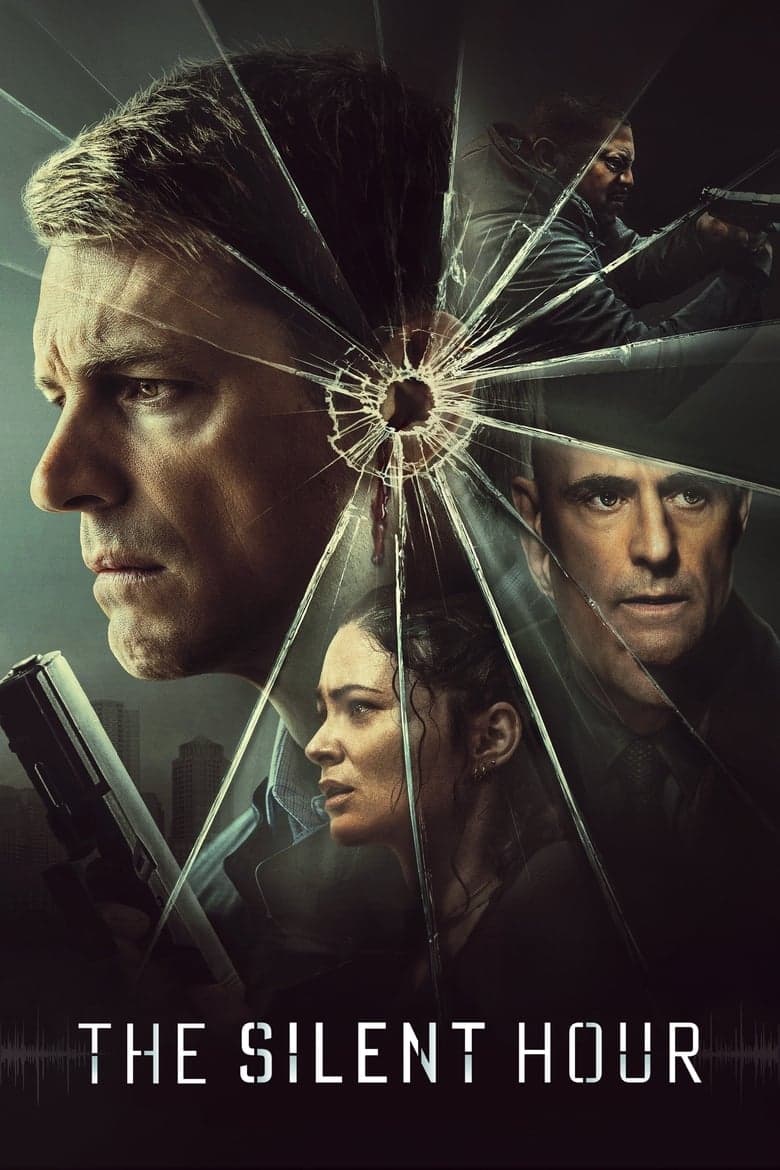
Boston detective Frank Shaw loses most of his hearing after an accident on the job, and the change leaves him angry and unsure about his future. His former partner asks him to use his basic sign language skills to question Ava Fremont, a deaf photographer who recorded a gang murder. Frank and Ava soon become trapped in her nearly empty apartment building as armed killers close in. The movie uses muffled sound, dark rooms, and tight spaces to make their fight for survival tense and easy to follow.
The main audience-visible identity focus is deafness, which shapes the plot, the action, and Frank's personal growth. Ava is a skilled but flawed survivor played by deaf actor Sandra Mae Frank, and she helps Frank see that losing one ability does not make him less whole. The story shows sign language, the limits of lip-reading, rude treatment over disability, and the need for a trained interpreter. These ideas stay tied to courage, trust, and accepting change rather than a wider political message.
Community feedback
Was our 45% Woke rating accurate?
Breakdown
These are the editorial factors and ratings behind our score for The Silent Hour.
Woke representation / casting
The story puts two people with hearing loss at its center. Ava is a capable deaf woman played by deaf actor Sandra Mae Frank, while Joel Kinnaman plays a detective who becomes deaf. The movie repeatedly uses ASL and their silent teamwork as a special strength. No wider pattern of race or gender signaling appears, and Ava also has flaws and needs Frank's help.
38%
Woke political dialogue
Ava says the landlord evicted the tenants to turn their homes into condos for rich people. One short exchange also asks which word should be used for a deaf coworker. These points are brief and do not guide the crime plot.
5%
Identity-driven story themes
Frank's struggle to accept hearing loss runs from his opening injury to the final recital. Ava is born deaf and teaches him that one lost ability does not make a person less whole. Their ASL bond and different experiences of deafness guide many action scenes and the emotional ending. The theme is central, but it supports personal courage and acceptance instead of group activism.
58%
Western institutional / cultural critique
Not present. The corrupt officers work as a small criminal crew, while Frank remains an honest police hero. The condo plan stays in the background and does not become a modern activist attack on Western culture.
0%
Woke character or canon changes
Not relevant. The film uses an original story and does not change an established character or source.
0%
Anti-woke backlash and complaints
Not present. No researched reaction accused the movie of pushing woke, DEI, left-wing, or identity-politics messages.
0%
Creator track record context
Writer Dan Hall's cached score of 48 reflects identity-focused documentary and Deaf-culture work. Director Brad Anderson has a cached score of 12 with no strong activist record. Producer Eric Paquette's cached score of 55 reflects progressive political work. The other named producers and casting directors have cached scores from 0 to 25, so the overall creative group is mixed and mostly low.
30%
Production
Movie · 2023
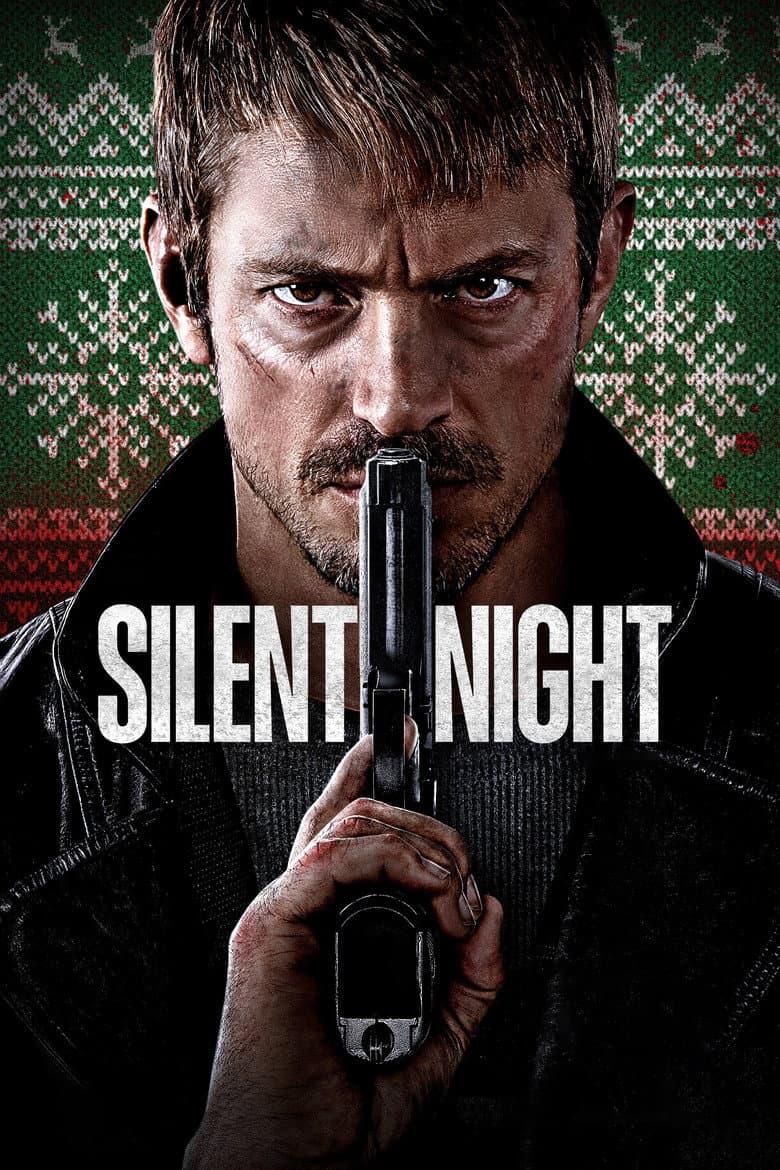
A tormented father witnesses his young son die when caught in a gang's crossfire on Christmas Eve. While recovering from a wound that costs him his voice, he makes vengeance his…
Movie · 2020
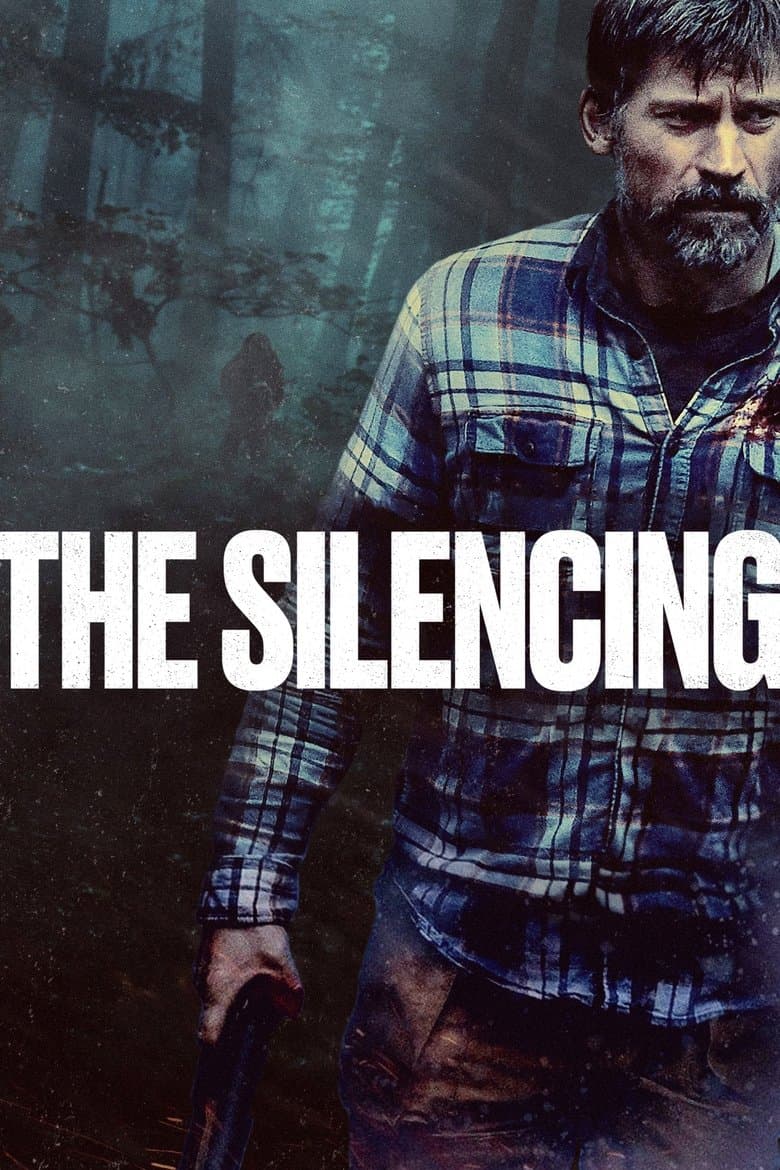
A reformed hunter becomes involved in a deadly game of cat and mouse when he and the local sheriff set out to track a vicious killer who may have kidnapped his daughter years ago.
Movie · 2026
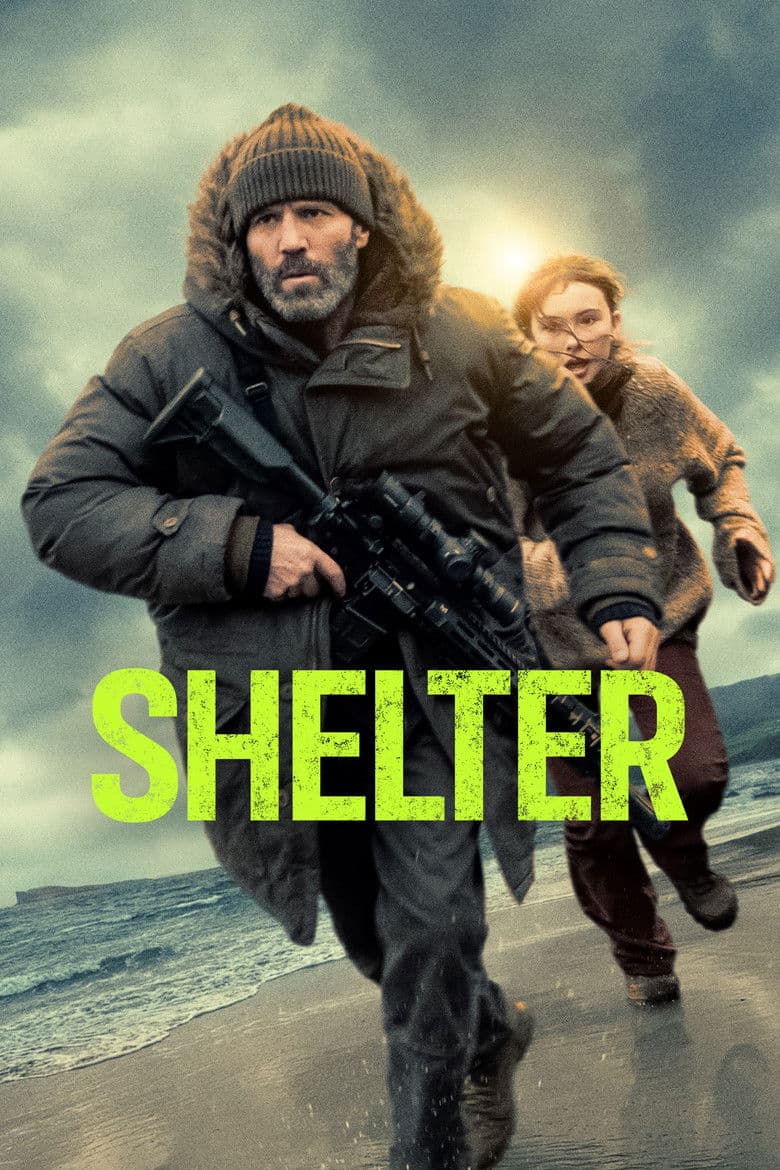
A man living in self-imposed exile on a remote island rescues a young girl from a violent storm, setting off a chain of events that forces him out of seclusion to protect her from…
Movie · 2025
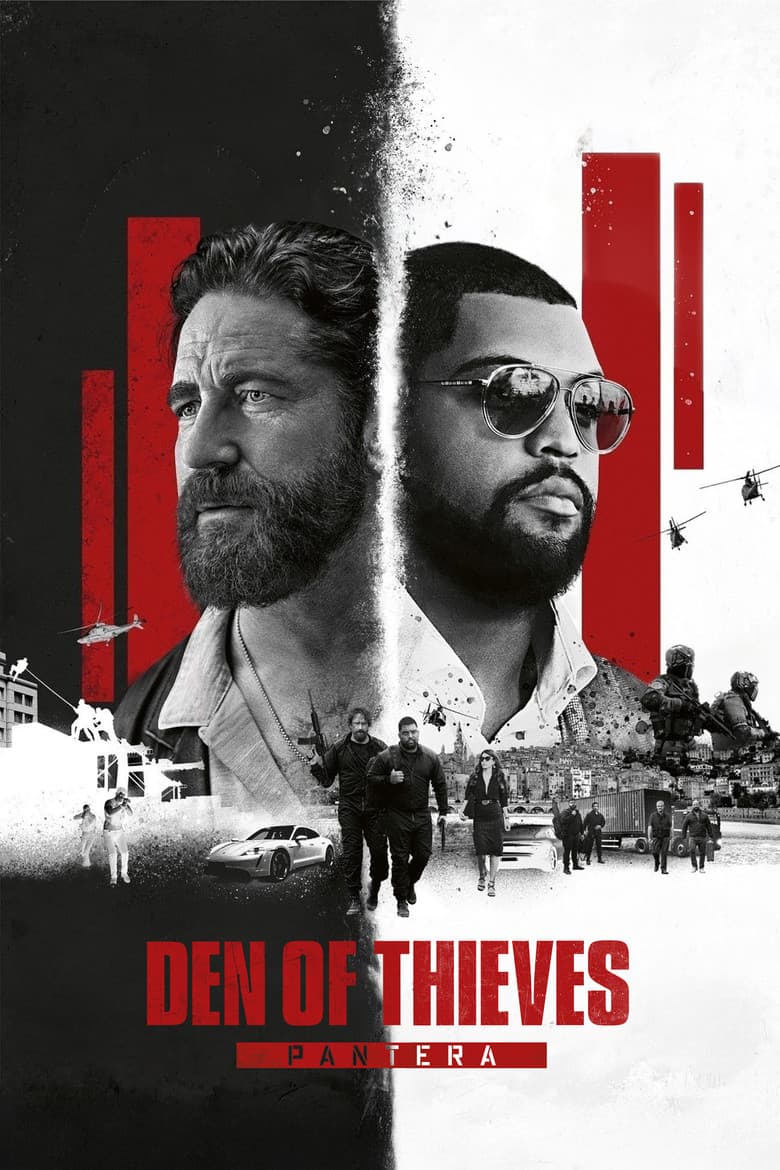
Big Nick is back on the hunt in Europe and closing in on Donnie, who is embroiled in the treacherous and unpredictable world of diamond thieves and the infamous Panther mafia, as…
Movie · 2023
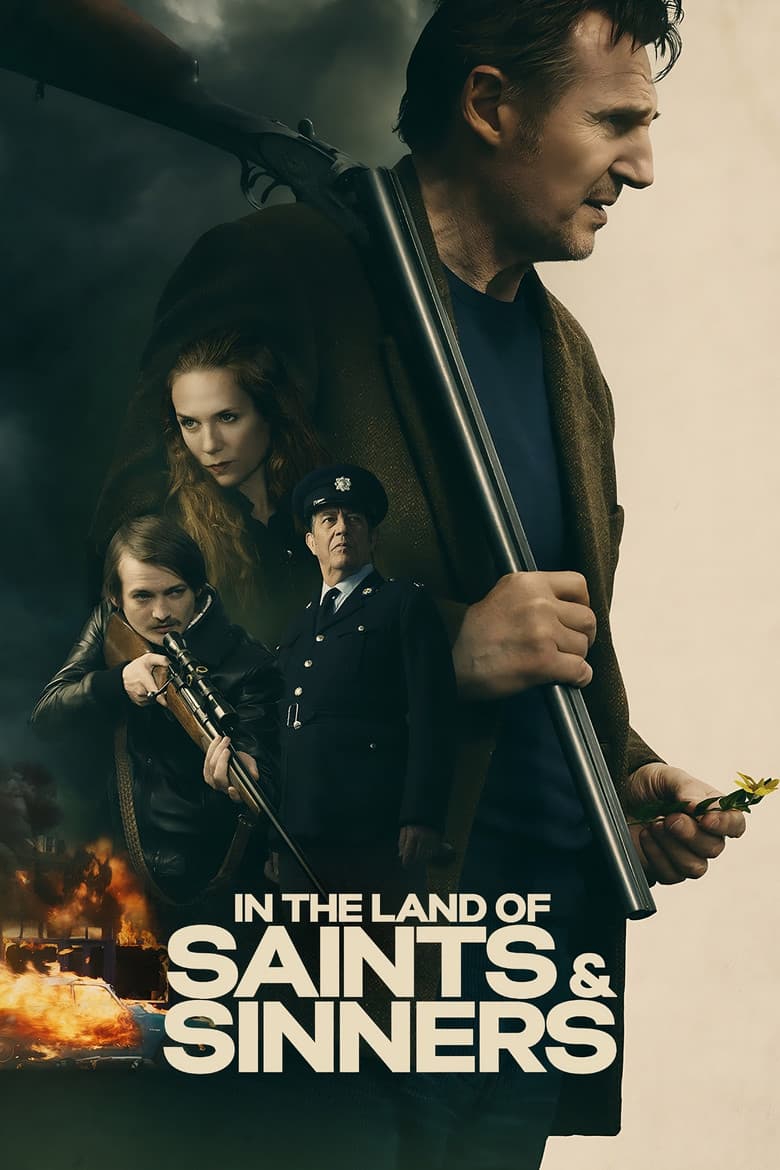
In a remote Irish village, a damaged Finbar is forced to fight for redemption after a lifetime of sins, but what price is he willing to pay?
Movie · 2024
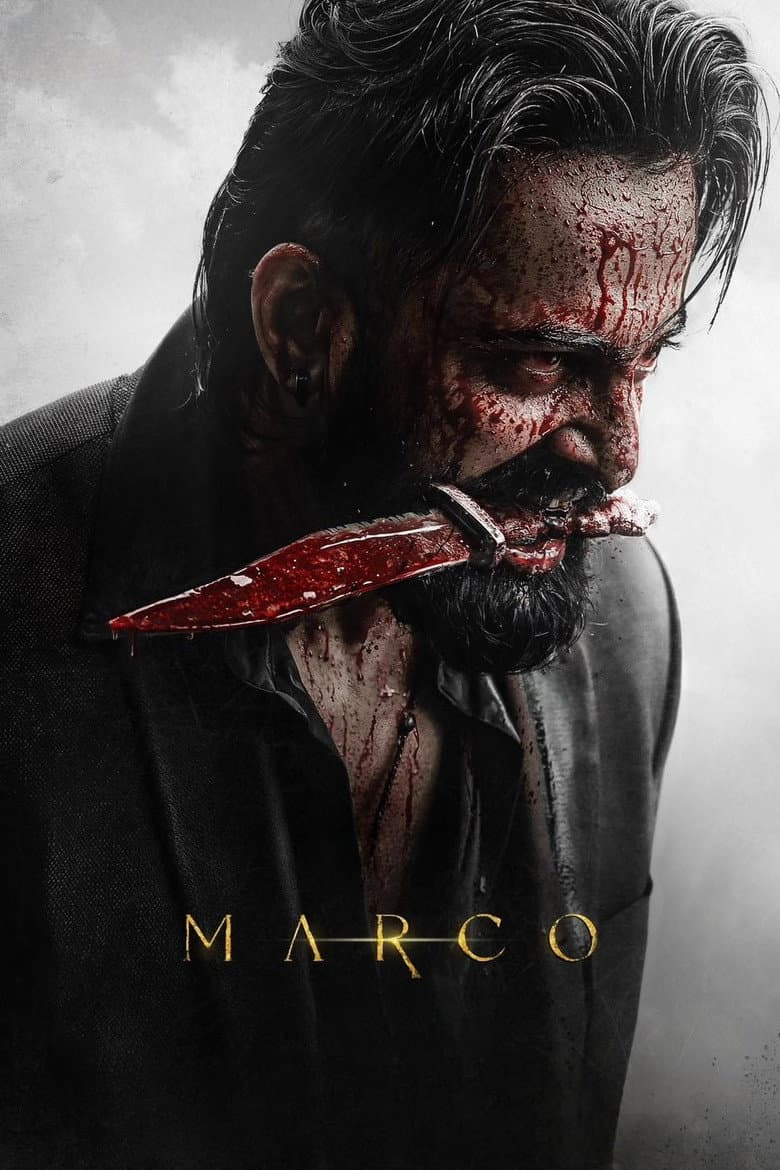
The adoptive son of the Adattu family, Marco, sets off on a ruthless quest for vengeance after his brother is brutally murdered, finding only betrayal, loss and unimaginable…
Movie · 2026
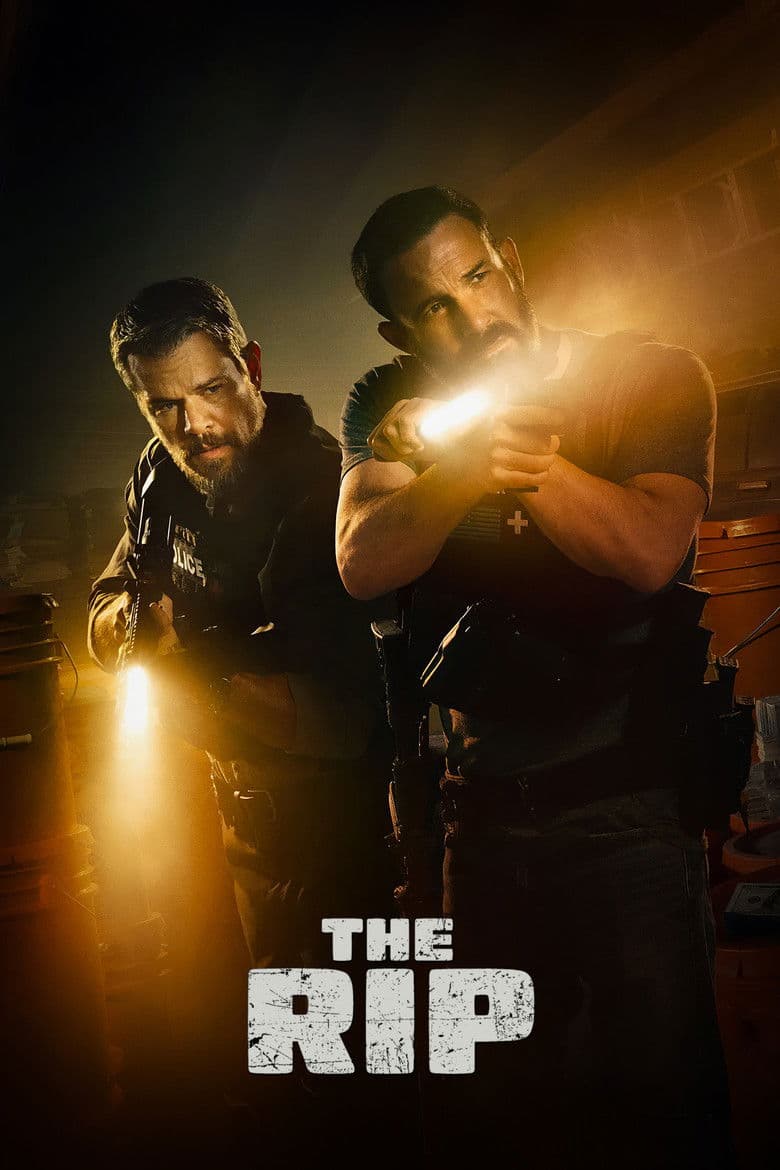
Trust frays when a team of Miami cops discovers millions in cash inside a run-down stash house, calling everyone — and everything — into question.
Movie · 2023
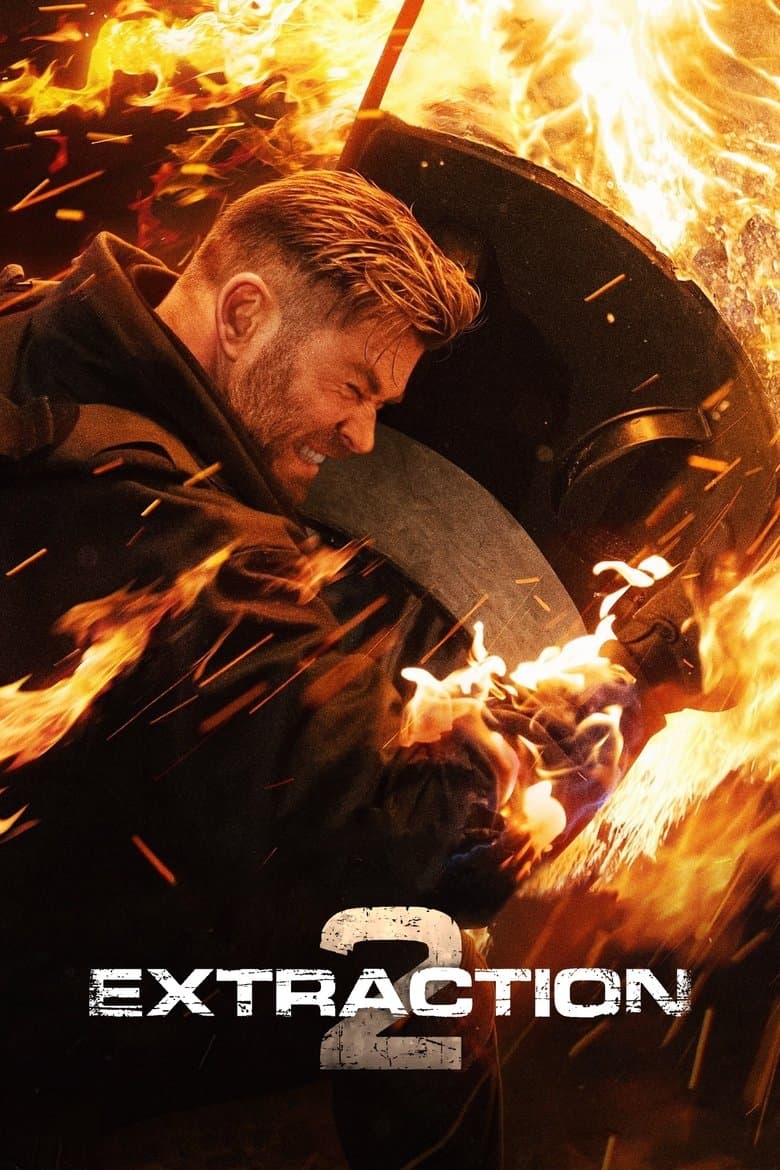
Back from the brink of death, highly skilled commando Tyler Rake takes on another dangerous mission: saving the imprisoned family of a ruthless gangster.
