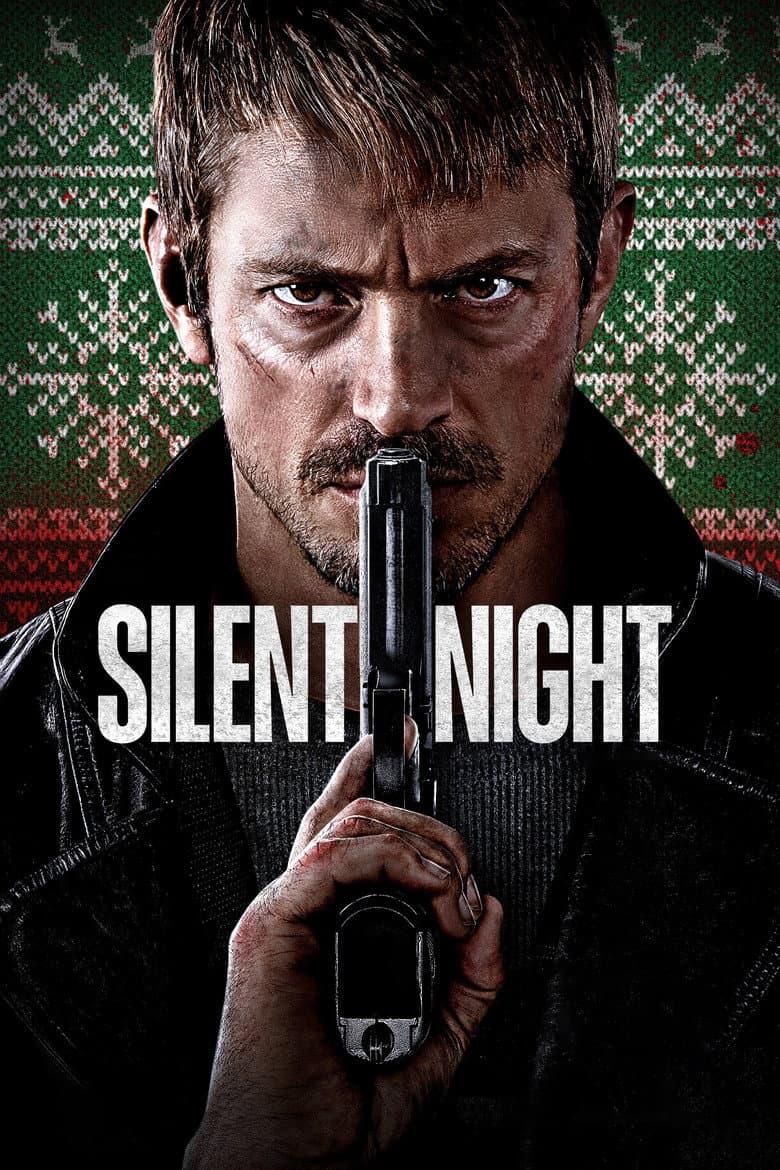
Brian Godlock is a loving father who watches his young son die during a gang shootout on Christmas Eve. A bullet damages Brian’s throat, so he cannot speak normally after the attack. He spends a year recovering, studying weapons, building his strength, and tracking the gang leader named Playa. He then begins a violent mission to kill the people who caused his son’s death. The film moves from sad family memories to grim training scenes and bloody action.
The movie’s main ideas are grief, revenge, and the way anger can destroy a person’s remaining life. Brian’s wife Saya tries to live with him, but their marriage breaks down as he gives all his attention to revenge. Detective Vassell gives Brian limited help while Brian studies the gang and attacks its members. Brian’s training turns an ordinary father into a skilled killer, but the story shows that revenge costs him his remaining humanity. Its strongest unusual choice is the near absence of spoken dialogue, which makes the film rely on faces, movement, music, and gun battles.
Community feedback
Was our 1% Woke rating accurate?
Breakdown
These are the editorial factors and ratings behind our score for Silent Night.
Woke representation / casting
Not present. The film uses a mixed cast in a modern fictional Texas crime setting, but it does not frame anyone’s identity as a message. The characters serve the family and crime plot rather than a representation theme.
0%
Woke political dialogue
Not present. The film uses almost no spoken dialogue. Its spoken moments concern family grief, police work, and criminal threats, not activist or identity politics.
0%
Identity-driven story themes
Not present. The story centers on a father’s grief, revenge, and loss of humanity. It does not make race, gender, sexuality, or group identity a main story issue.
0%
Western institutional / cultural critique
Not present. Police, gangs, and drugs appear as parts of a crime story. The film does not turn them into a modern critique of Western culture, family life, religion, or social institutions.
0%
Woke character or canon changes
Not relevant. The film is an original revenge story, so it does not change an established character, canon, or historical figure.
0%
Anti-woke backlash and complaints
Not present. No meaningful anti-woke or anti-DEI complaint appears in the reviewed web and social discussion, including the supplied X pass. Audience complaints focus on slow pacing, limited dialogue, and uneven action.
0%
Creator track record context
John Woo’s earlier work includes an anti-war film, which gives a mild political context. His public work does not show a repeated DEI or identity-focused campaign. The writer and producers have little public activist history tied to this film.
5%
Production
Movie · 2025
Newly released from prison and marked for death by unrelenting enemies, Nate must now protect his estranged 9-year-old daughter, Polly, at all costs.
Movie · 2023
Ex-con Russell Gaines is attempting to rebuild his life with the help of his father, Mitchell. However, the arrival of Maben sends his new life into chaos, leading the pair to go…
Movie · 2023
With the price on his head ever increasing, John Wick uncovers a path to defeating The High Table. But before he can earn his freedom, Wick must face off against a new enemy with…
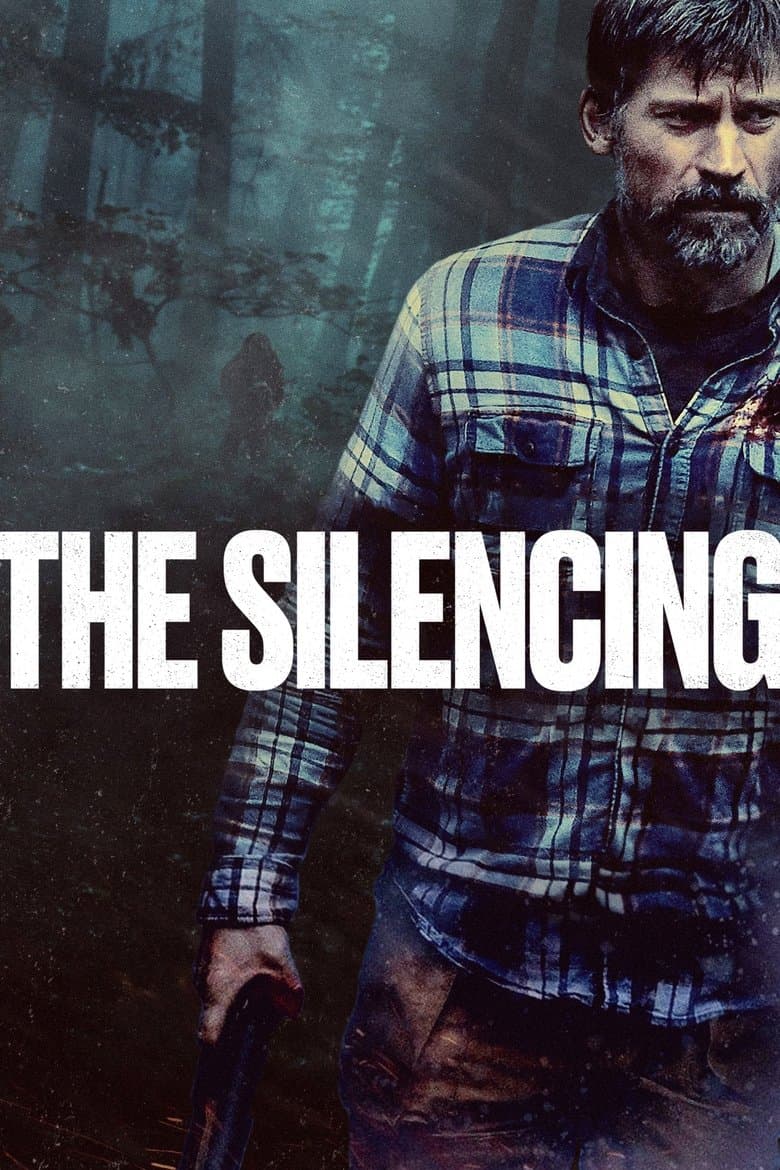
Movie · 2020
A reformed hunter becomes involved in a deadly game of cat and mouse when he and the local sheriff set out to track a vicious killer who may have kidnapped his daughter years ago.
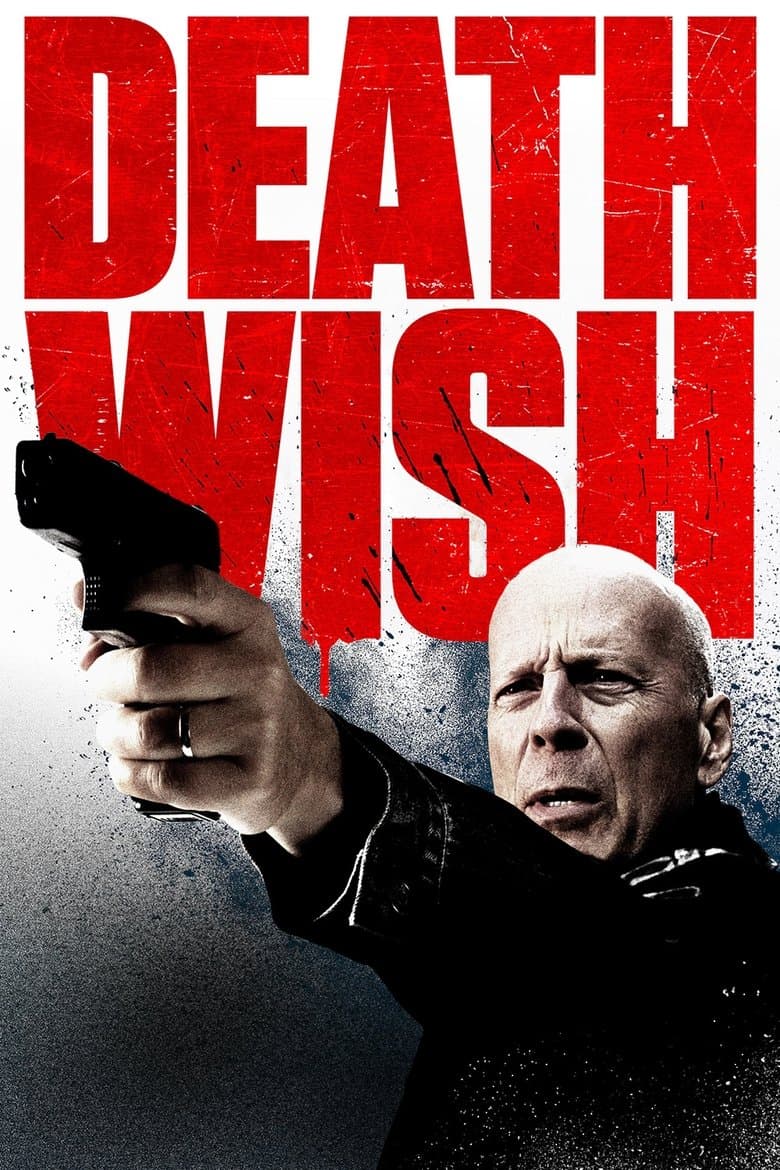
Movie · 2018
A mild-mannered father is transformed into a killing machine after his family is torn apart by a violent act.
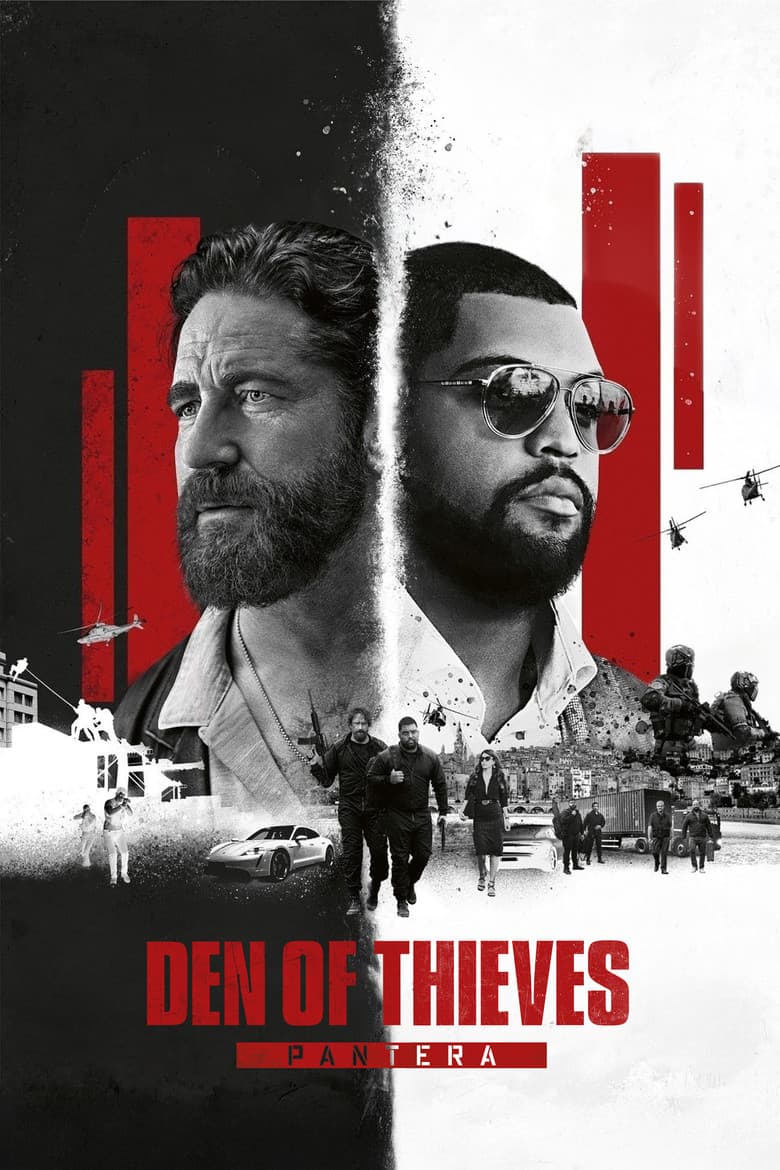
Movie · 2025
Big Nick is back on the hunt in Europe and closing in on Donnie, who is embroiled in the treacherous and unpredictable world of diamond thieves and the infamous Panther mafia, as…
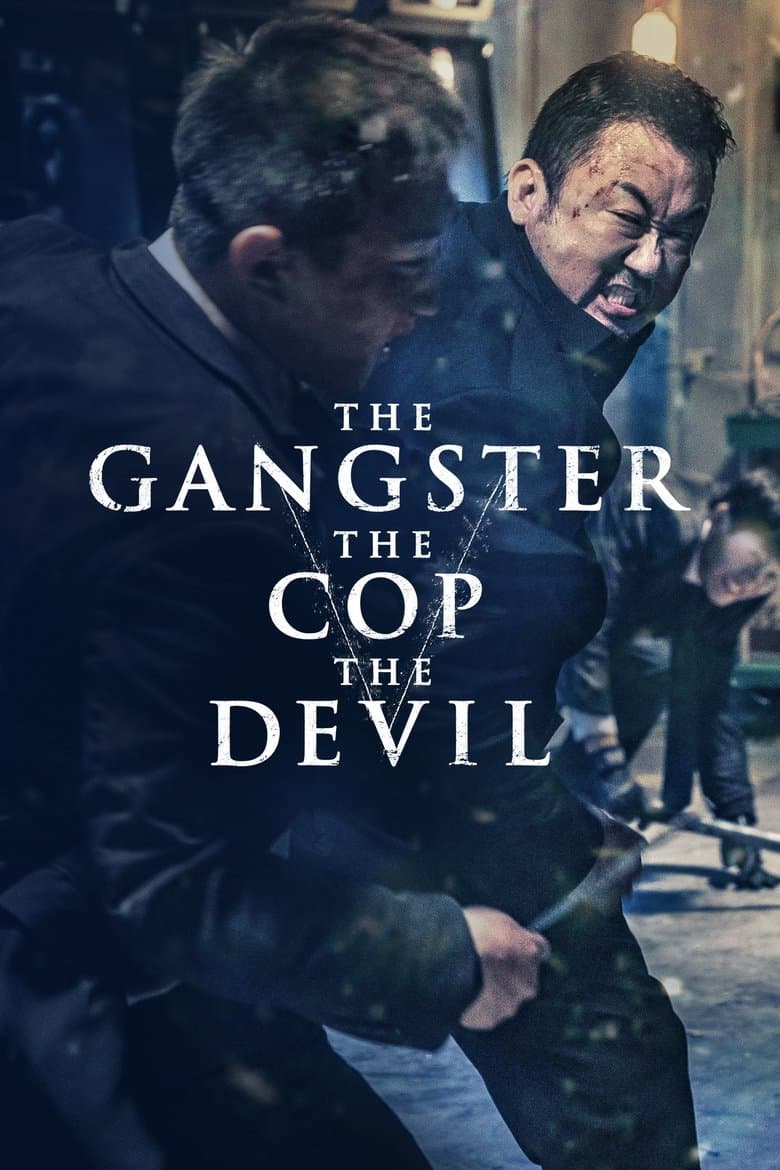
Movie · 2019
After barely surviving a brutal attack by a sadistic serial killer, crime boss Jang Dong-su is left humiliated.
Movie · 2016
An American Ambassador is killed during an attack at a U.S. compound in Libya as a security team struggles to make sense out of the chaos.
