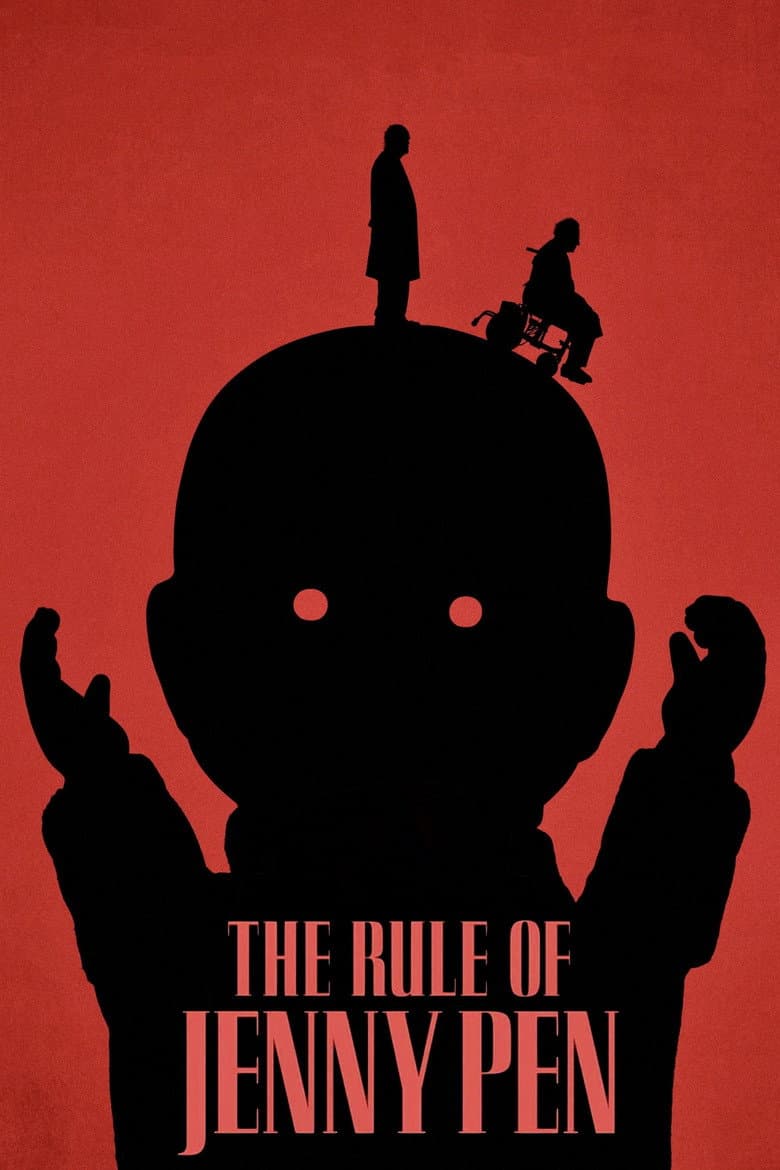
Judge Stefan Mortensen suffers a stroke while ruling in court and enters a New Zealand care home. The proud former judge expects to recover, but his weak body leaves him trapped and easy to dismiss. Resident Dave Crealy secretly attacks the other residents with a childlike hand puppet named Jenny Pen. The movie uses dark humor, fear, and harsh scenes of elder abuse as Stefan tries to stop him.
The main identity-focused part belongs to Tony Garfield, Stefan's Māori roommate and a former rugby star. Dave tells a cruel racist joke about Māori people and then forces Tony to bow to the puppet. Tony later performs a haka as a public act of courage, and his bond with Stefan helps move the final fight. The care staff also include Māori, Pacific Islander, Asian, and white characters, but the main story stays focused on age, fear, control, and abuse.
Community feedback
Was our 31% Woke rating accurate?
Breakdown
These are the editorial factors and ratings behind our score for The Rule of Jenny Pen.
Woke representation / casting
George Henare plays Tony, the main supporting resident, who is a Māori former rugby star and Stefan's brave ally. The film makes Tony's background clear through racial abuse and his later haka. Māori, Pacific Islander, and Asian actors also play doctors, carers, residents, and rugby players. The two lead roles remain white men, so representation is visible but does not control the full cast or plot.
28%
Woke political dialogue
Not present. The characters discuss bullying, fear, aging, and control. They do not debate current politics, elections, activist causes, or public policy.
0%
Identity-driven story themes
Dave gives Tony a long racist attack about Māori people before forcing him to submit. Tony later answers Dave with a haka in the dining room, which makes his culture part of his stand against the bully. Tony then helps Stefan defeat Dave. The racial and cultural material matters to Tony's subplot but does not drive the main judge-versus-bully story.
30%
Western institutional / cultural critique
The care home staff repeatedly dismiss Stefan's warnings, so the movie shows how a busy institution can fail disabled older people. Stefan and Dave also turn pride and control into a harsh male contest. The story keeps these points tied to the home and the two men instead of making a broad political attack on Western culture.
20%
Woke character or canon changes
Not relevant. The film adapts an Owen Marshall short story, but no reported identity-driven change to an established character or the source story was found.
0%
Anti-woke backlash and complaints
Not present. Broad review, Reddit, and targeted anti-woke searches found complaints about slow pacing, plot holes, and weak care-home security. They did not find right-leaning claims that the movie pushes woke, DEI, queer, or left-wing messages.
0%
Creator track record context
James Ashcroft has a cached creator score of 50 based on his work in Māori theatre. Producer Catherine Fitzgerald has a cached score of 60 for women and Indigenous film work. John Lithgow has 45 and Geoffrey Rush has 30 for liberal public causes, while most other listed writers and producers are low or moderate. The group therefore has a mixed and moderate record.
30%
Production

Movie · 2024
Nothing is what it seems when a twisted one-night stand spirals into a serial killer’s vicious murder spree.

Movie · 2025
Four years after defeating The Grabber, Finney Blake is struggling with life after captivity. When his younger sister Gwen begins receiving calls in her dreams from the Black…
Movie · 2021
A young couple is pushed to the limits of sanity as they attempt to be reunited amid the chaos of a pandemic outbreak.

Movie · 2025
A collection of Halloween-themed videotapes unleashes a series of twisted, blood-soaked tales, turning trick-or-treat into a struggle for survival.

Movie · 2024
Patrick, a strange and lonely resident, lives in a mobile home at the back of an isolated caravan park. After a violent thunderstorm erupts, a mysterious young woman appears at…

Movie · 2025
When Polly receives a mysterious box, it comes with one rule: place inside something she needs, something she hates, and something she loves.

Movie · 2017
Though Kevin has evidenced 23 personalities to his trusted psychiatrist, Dr. Fletcher, there remains one still submerged who is set to materialize and dominate all the others.

Movie · 2024
A group of criminals kidnap a teenage ballet dancer, the daughter of a notorious gang leader, in order to obtain a ransom of $50 million, but over time, they discover that she is…
