
The Royal Hotel follows Hanna and Liv, two young backpackers who run out of money while traveling in Australia. They take live-in bar jobs at a remote pub in a small mining town, where most customers are rough, drunk men. Hanna feels unsafe almost at once, while Liv treats the place as a strange adventure and keeps urging her friend to stay. The film uses a slow, tense style as jokes, drinking, and unwanted attention turn into threats, fights, and a desperate escape.
The film's strongest woke element is its repeated focus on female safety, male entitlement, toxic masculinity, and the pressure placed on women to smile, drink, and accept bad behavior. Nearly every major turn grows from the men's sexual jokes, threats, or refusal to respect boundaries, while Hanna's fear and Liv's changing view shape the story. The ending gives the two women a bold act of defiance when they smash the pub and set it on fire before walking away. The story treats the male drinking culture as the main danger and presents female resistance as the final answer.
Community feedback
Was our 76% Woke rating accurate?
Breakdown
These are the editorial factors and ratings behind our score for The Royal Hotel.
Woke representation / casting
The two central roles are women working in a pub filled with men, and the story is intentionally told through their viewpoint. The film's press material calls this a “female gaze” and says a woman needed to tell the story. Liv is played by Asian actor Jessica Henwick, but the movie does not make her ethnicity a plot point. The casting has a visible gender focus, but it is not a broad diversity design.
24%
Woke political dialogue
The men repeatedly tell the women to smile, make sexual jokes, use a sexist slur, and treat the bar as a place to seek women. Hanna says she is scared, while Liv explains the behavior as local culture and asks her to relax. The lines push ideas about male entitlement and the pressure on women to accept it. The film uses repeated exchanges rather than a long political speech.
30%
Identity-driven story themes
Hanna and Liv's fear, friendship, and choices drive almost every scene. The male customers repeatedly test their boundaries, and Liv first excuses the behavior as local culture before changing her mind. The story treats male entitlement and toxic masculinity as the main danger, not as a side issue. The final fire gives the women a clear act of defiance and makes the feminist message central.
72%
Western institutional / cultural critique
The pub is shown as a male-centered place where alcohol, sexual jokes, and pressure make bad behavior seem normal. The men expect the women to smile, serve drinks, and accept unwanted attention. Carol is one of the few people who pushes back, and her departure removes an important check on the men. The film criticizes this local male culture, but it does not attack churches, capitalism, or Western society as a whole.
58%
Woke character or canon changes
Not relevant. The movie is a fictional story loosely inspired by Hotel Coolgardie. It does not recast a known fictional character or real historical figure to make an identity point.
0%
Anti-woke backlash and complaints
A small Reddit discussion called the filmmakers woke feminists and said the film treats working-class Australian men as drunkards, rude men, and predators. A separate X search found one reviewer calling it a boring feminist slog, another calling it another woke film, and a viewer blaming its feminist view. The accounts had little reach, and no boycott or review-bombing campaign was found. Mainstream coverage discussed feminism and toxic masculinity as the movie's subject, not as a major public scandal.
30%
Creator track record context
Kitty Green has a strong recurring focus on sexism, women's bodies, gendered power, and institutions that protect or exploit women. Her interviews about this film connect it to a female view of male culture and to questions about what women should tolerate. Oscar Redding has no strong activist record, and the other producers have mostly low or moderate public signals, while Kath Shelper adds a history of supporting Indigenous stories. The strongest track record signal comes from Green.
64%
Production
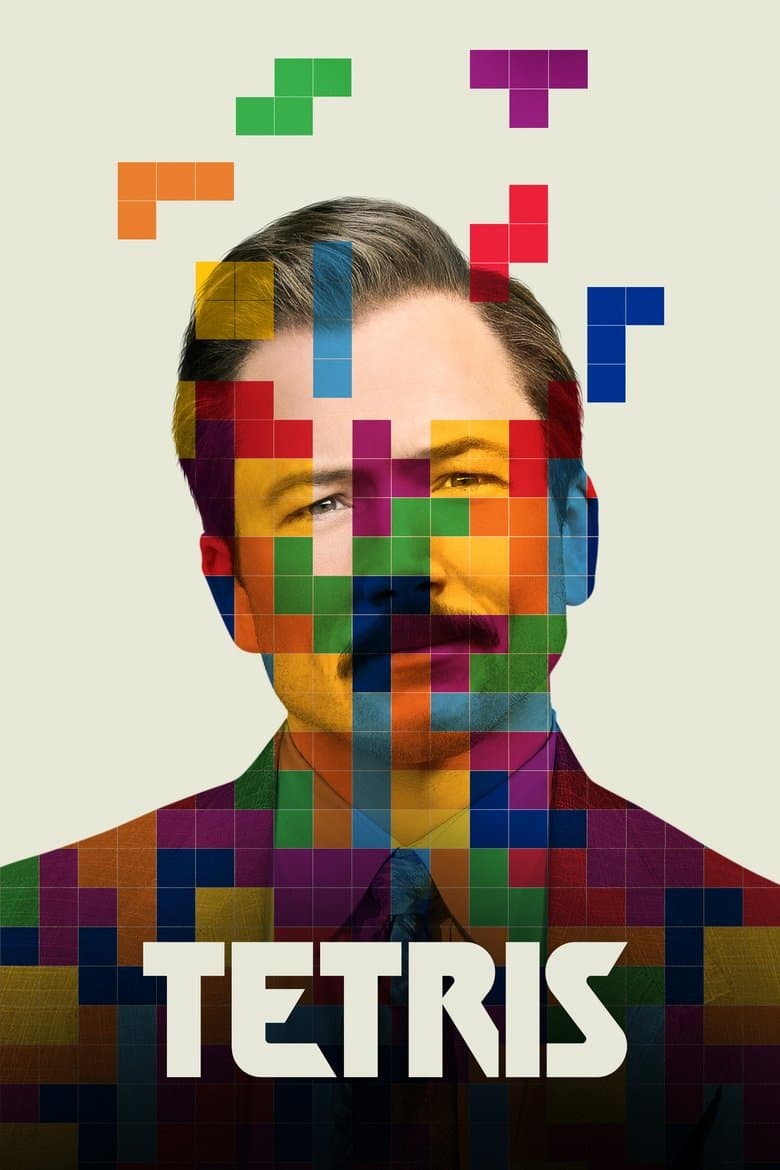
Movie · 2023
In 1988, American video game salesman Henk Rogers discovers the video game Tetris. When he sets out to bring the game to the world, he enters a dangerous web of lies and…
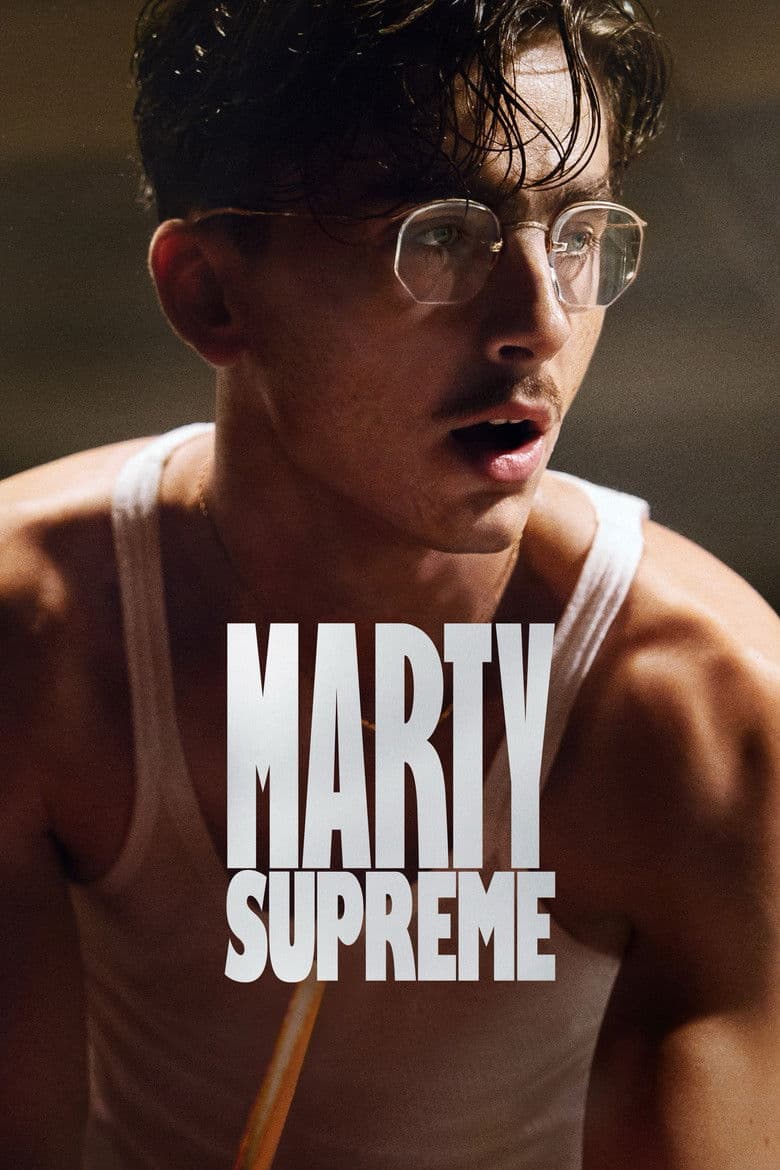
Movie · 2025
Marty Mauser, a young man with a dream no one respects, goes to hell and back in pursuit of greatness.

Movie · 2020
2038: George Almore is working on a true human-equivalent AI, and his latest prototype is almost ready. This sensitive phase is also the riskiest as he has a goal that must be…

Movie · 2025
A broker of lucrative payoffs between corrupt corporations and the individuals who threaten them breaks his own rules when a new client seeks his protection to stay alive.

Movie · 2024
During the 1972 Munich Olympics, an American sports broadcasting crew finds itself thrust into covering the hostage crisis involving Israeli athletes.

Movie · 2016
When Iraq invades Kuwait in August, 1990, a callous Indian businessman becomes the spokesperson for more than 170,000 stranded countrymen.
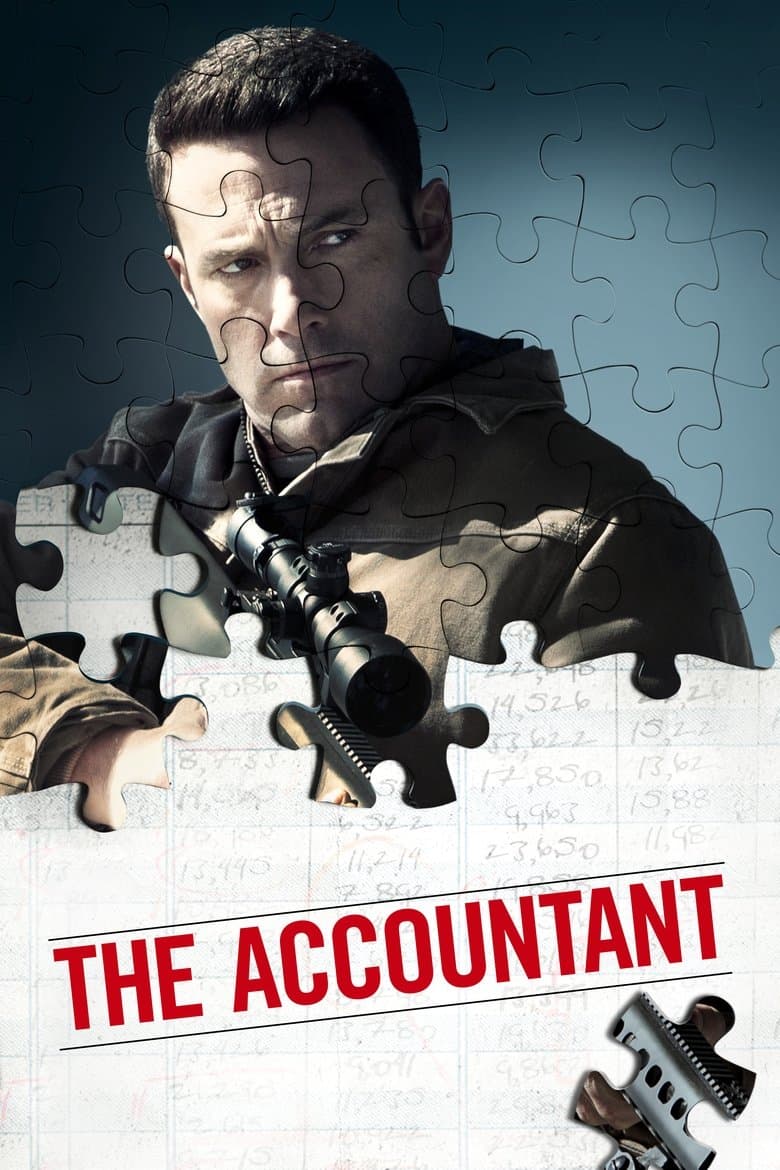
Movie · 2016
As a math savant uncooks the books for a new client, the Treasury Department closes in on his activities and the body count starts to rise.
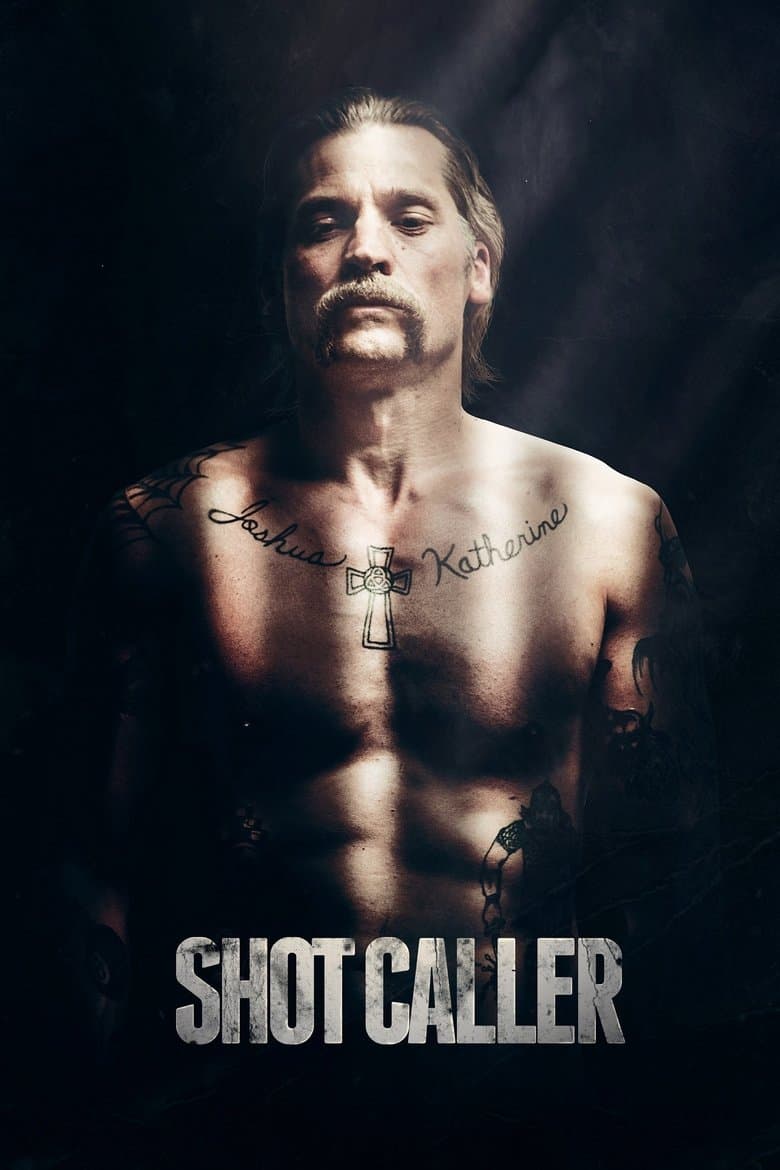
Movie · 2017
A newly-released prison gangster is forced by the leaders of his gang to orchestrate a major crime with a brutal rival gang on the streets of Southern California.
