Movie review
October 4, 2018 · 118 min · R · Danish · Crime · Mystery · Thriller · Drama
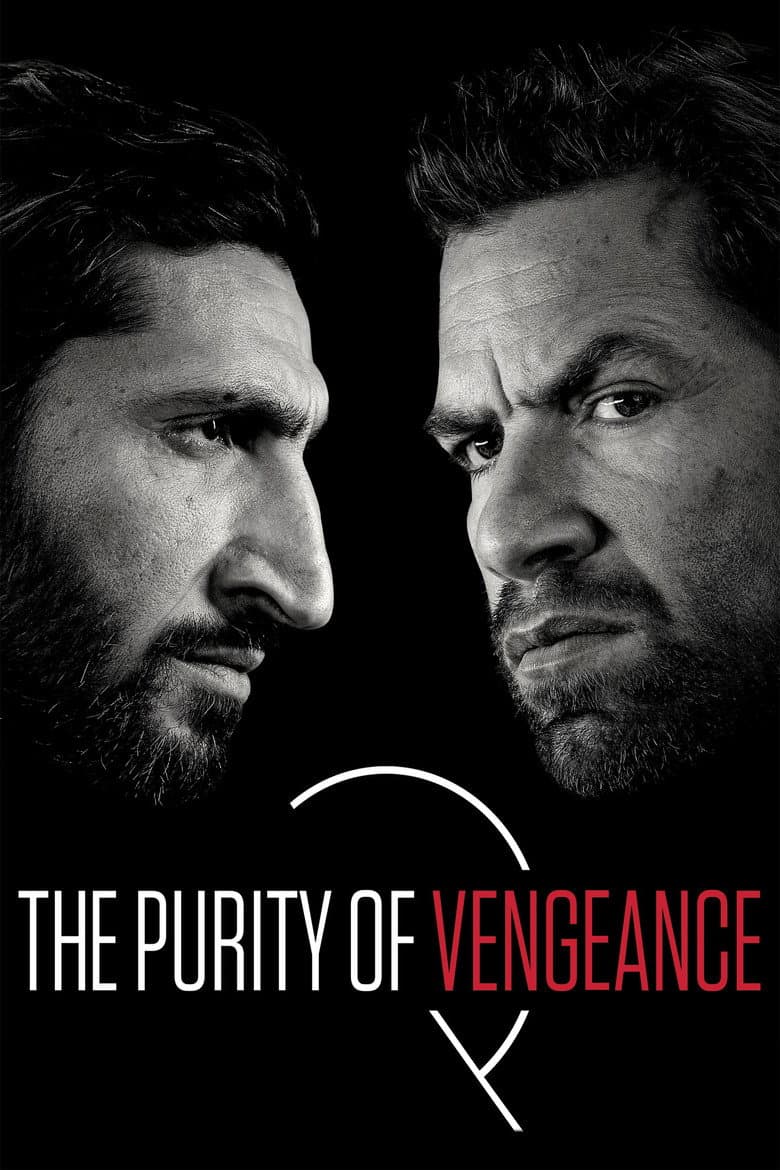
Carl Mørck leads Department Q, a police unit that reopens old cases in Copenhagen. He and Assad find three preserved bodies behind a wall, and their search takes them to Sprogø, a former home for girls judged difficult. The case joins a 1961 story about Nete, a young woman sent to the island after becoming pregnant by her cousin, with a present-day murder plot. The film uses cold places, grim violence, and dry humor to create a dark crime thriller about revenge and buried shame.
The film makes control of women’s bodies and sexual abuse the heart of the mystery. It shows forced sterilization and secret medical harm as crimes carried out by doctors and supported by old state power. The present-day plot extends that charge to Muslim immigrant women, who are secretly sterilized during abortions because doctors want racial purity. Nete’s revenge, Nour’s fear, and the detectives’ effort to expose the system make gender, race, and institutional abuse recurring parts of the central story.
Community feedback
Was our 56% Woke rating accurate?
Breakdown
These are the editorial factors and ratings behind our score for The Purity of Vengeance.
Woke representation / casting
Assad is a prominent Arab detective in the police unit. Nour is a Muslim immigrant woman whose medical treatment drives the modern case. The film refers to Assad’s brown eyes and accent and shows Nour hiding her abortion from her family. These identity choices serve the plot and the established Department Q cast, rather than forming a broad diversity showcase. The result is a light representation signal.
18%
Woke political dialogue
Characters repeatedly discuss state-approved sterilization, secret doctors who target immigrant women, and unequal treatment of Assad in the police force. A doctor openly argues that Nordic people should reproduce while weak or immigrant people should not. A final news report says socially disadvantaged and non-Danish women were targeted. These lines make race, immigration, reproduction, welfare, and state power part of the spoken plot, although much of the speech explains the case or comes from the villains.
44%
Identity-driven story themes
The story centers on women whose bodies are controlled, abused, and sterilized by men and institutions. Nete’s trauma drives the murder plot, while Nour becomes the present-day victim of the same kind of medical abuse. The film links the old abuse to racism against immigrant women and treats Nete’s sex before marriage and Nour’s wish for an abortion as choices that should not invite abuse. These ideas shape the mystery, the villains, and the final exposure, so they are hard to miss.
64%
Western institutional / cultural critique
The film attacks institutions by linking old state-approved sterilization to a secret modern network of doctors, lawyers, police, and politicians. The network targets socially disadvantaged and non-Danish women and hides behind a welfare system. The police first dismiss the theory, while a senior officer belittles the team and treats Assad’s accent as a barrier. Mørck also says that God is dead and the state fails people, but the film does not make an attack on Christianity its main message.
55%
Woke character or canon changes
Not relevant. The film is an adaptation of Jussi Adler-Olsen’s novel, but no reported race, gender, or sexuality swap changes an established character.
0%
Anti-woke backlash and complaints
Not present. No sustained anti-woke complaint, boycott, or review campaign was found. The reported debate was about using real Sprogø history in a thriller, not about DEI or identity politics.
0%
Creator track record context
Nikolaj Arcel has written a few stories about cultural conflict and racism, including a Turkish-Danish young woman in Fightgirl Ayse and a racism plot in The Promised Land. Christoffer Boe has discussed identity, sexuality, and power as artistic interests, but he has no strong public DEI or activist profile. The other listed creators have no clear record of activist or representation-first work. This gives light supporting context.
11%
Production
Movie · 2016
Denmark, 2016. A blurred note is found in a bottle that has traveled across the ocean for a long time. After deciphering the cryptic note, Department Q follow a sinister trail…
Movie · 2021
An ambitious carnival man with a talent for manipulating people with a few well-chosen words hooks up with a female psychologist who is even more dangerous than he is.

Movie · 2017
Shot in reverse day-by-day through a week—a local sheriff embarks on a quest to unlock the mystery of three small-town criminals and a bank heist gone wrong.

Movie · 2021
The seemingly casual reunion of three old friends at an out-of-the-way repair shop masks a hidden agenda fuelled by the arrival of a privileged young yuppie.

Movie · 2022
After escaping a Michigan prison, a charming career criminal assumes a new identity in Canada and goes on to rob a record 59 banks and jewellery stores while being hunted by a…

Movie · 2018
Mike Kendall, a disgraced ex-cop, is fighting a losing battle with the bottle. When he finds a woman left for dead at the side of a road, Kendall turns private eye to track down…
Movie · 2017
The story of the kidnapping of 16-year-old John Paul Getty III and the desperate attempt by his devoted mother to convince his billionaire grandfather Jean Paul Getty to pay the…
Movie · 2022
Leonard is an English tailor who used to craft suits on London’s world-famous Savile Row. After a personal tragedy, he’s ended up in Chicago, operating a small tailor shop in a…
