Movie review
May 15, 2019 · 110 min · 19 · Korean · Crime · Action · Thriller
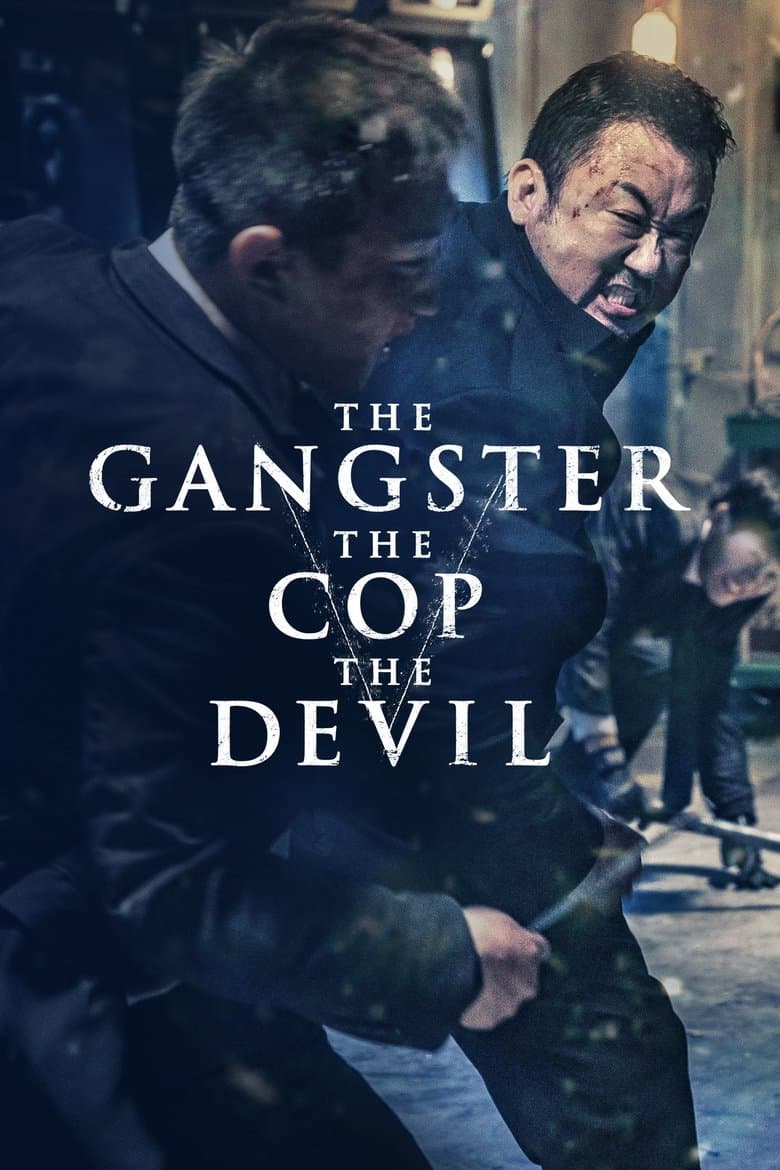
Set in South Korea in 2005, the film follows Jang Dong-soo, a feared crime boss who survives a serial killer’s attack. Detective Jung Tae-seok has chased the killer but faces police leaders who block or mishandle the case. Jang and Jung make a hard deal to find K before the other man does. The detective wants a trial, while the gangster wants revenge, so the tense crime thriller keeps law and violence side by side.
The story uses three Korean male leads, a gangster, a police detective, and a serial killer. Jang’s physical power and Jung’s hard-driving police work shape most scenes. The film treats revenge, justice, police failure, and the thin line between good and evil as its main ideas. Tough male behavior and rough humor give the crime world its hard tone.
Community feedback
Was our 0% Woke rating accurate?
Breakdown
These are the editorial factors and ratings behind our score for The Gangster, the Cop, the Devil.
Woke representation / casting
Not present. The main cast is Korean and fits the South Korean setting. The central roles are a gangster, a police detective, and a serial killer, with no diversity-first casting message.
0%
Woke political dialogue
Not present. The dialogue deals with murder, gang business, police work, revenge, and justice. It does not push modern identity or activist ideas.
0%
Identity-driven story themes
Not present. The story has a strong male focus and shows masculinity as power, but it does not turn gender identity into a political theme. It centers on revenge, justice, crime, and blurred moral lines.
0%
Western institutional / cultural critique
Not present. Police leaders take bribes and block the investigation, but the film uses this as ordinary crime-story corruption. It does not turn that conflict into a modern activist attack on Western institutions, gender roles, Christianity, or capitalism.
0%
Woke character or canon changes
Not relevant. The movie uses fictional characters and only a few details from a real 2005 case. It does not change the identity or role of a known character or historical figure.
0%
Anti-woke backlash and complaints
Not present. Coverage and audience comments focus on action, the three leads, and the ending. No meaningful anti-woke complaints about DEI, identity politics, or activism were found.
0%
Creator track record context
Not present. Lee Won-tae’s documented work centers on crime, power, history, and human behavior. The listed producers have no clear record of DEI or identity activism tied to this title.
0%
Production
Movie · 2015
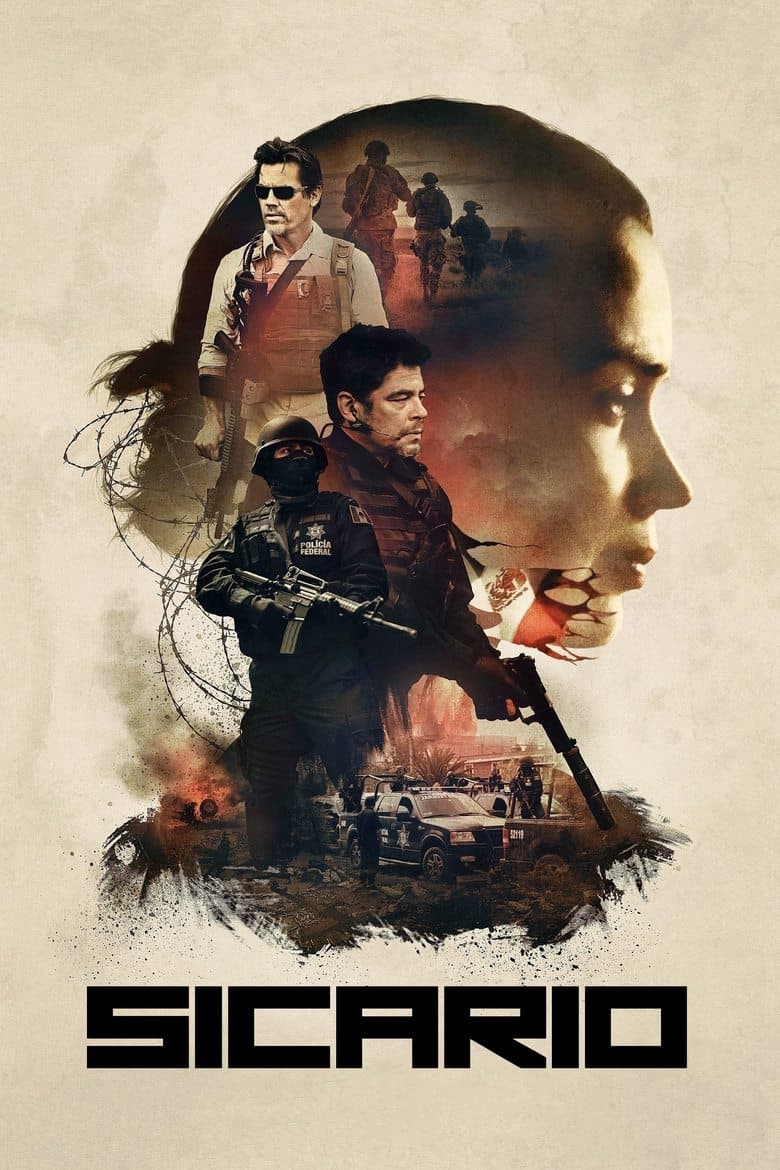
An idealistic FBI agent is enlisted by a government task force to aid in the escalating war against drugs at the border area between the U.S. and Mexico.
Movie · 2026
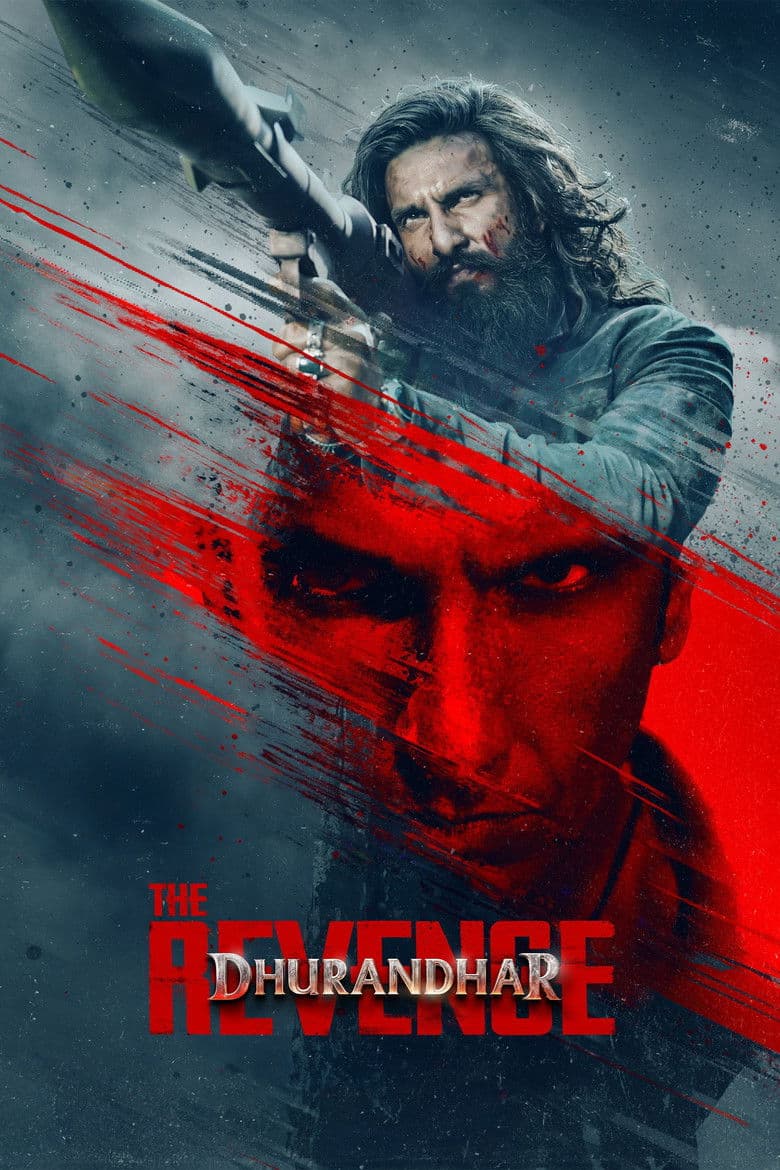
As rival gangs, corrupt officials and a ruthless Major Iqbal close in, Hamza's mission for his country spirals into a bloody personal war where the line between patriot and…
Movie · 2008
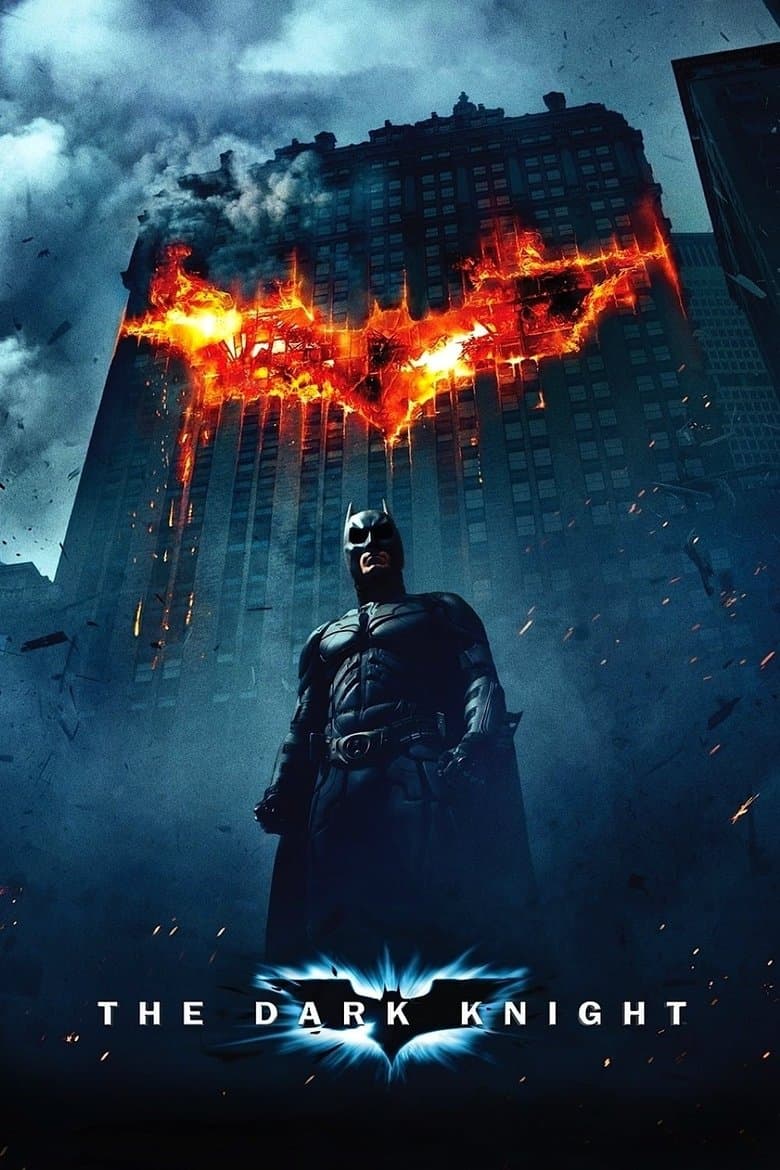
Batman raises the stakes in his war on crime. With the help of Lt. Jim Gordon and District Attorney Harvey Dent, Batman sets out to dismantle the remaining criminal organizations…
Movie · 2020
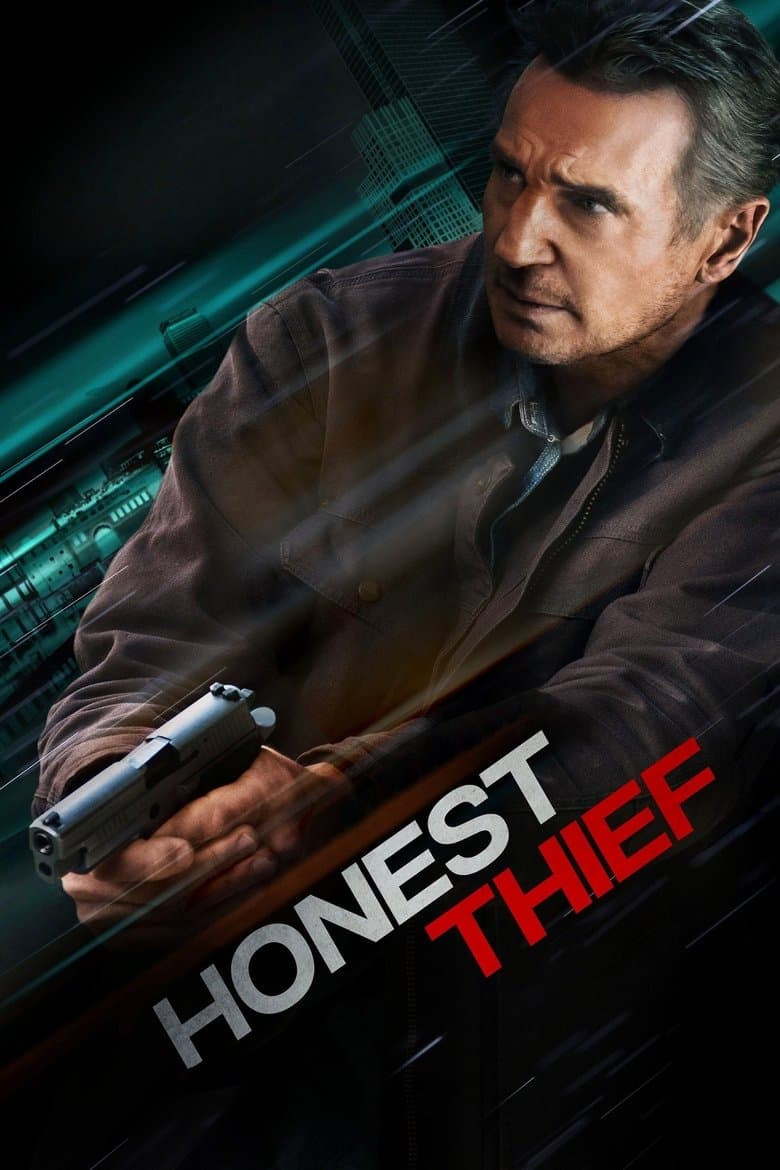
A bank robber tries to turn himself in because he's falling in love and wants to live an honest life...but when he realizes the Feds are more corrupt than him, he must fight back…
Movie · 2017
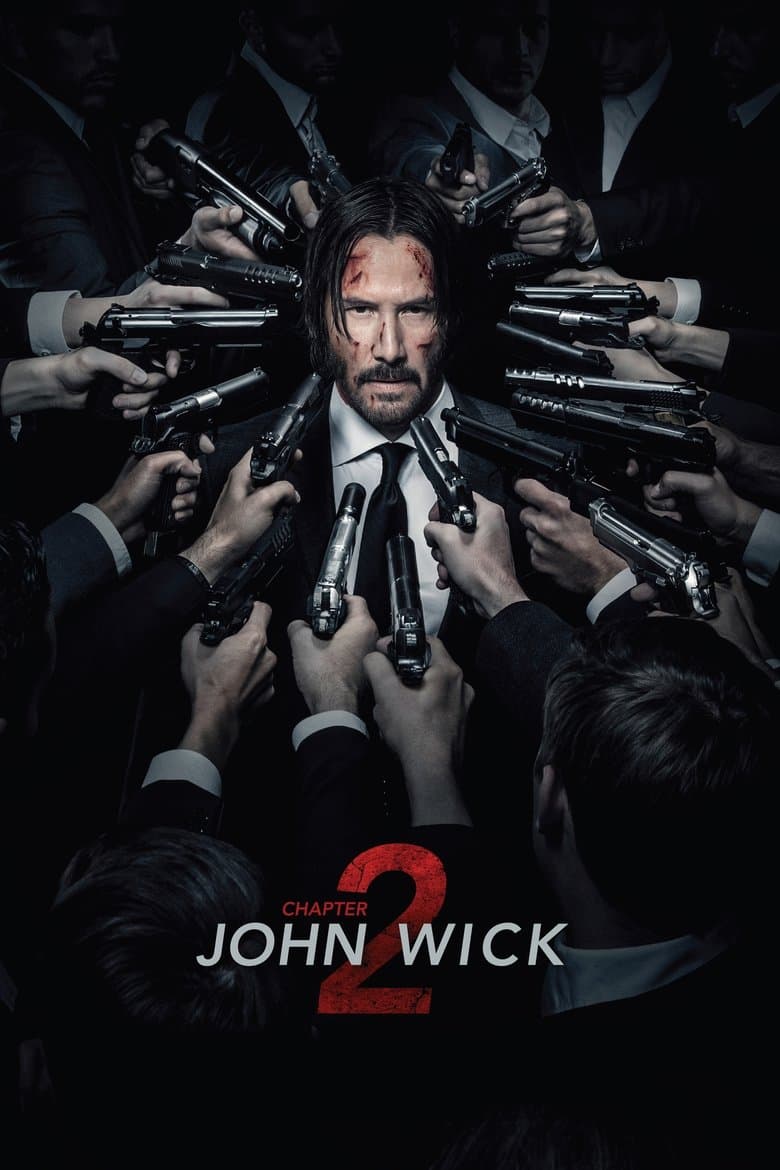
John Wick is forced out of retirement by a former associate looking to seize control of a shadowy international assassins’ guild.

Movie · 2025
Newly released from prison and marked for death by unrelenting enemies, Nate must now protect his estranged 9-year-old daughter, Polly, at all costs.
Movie · 2022
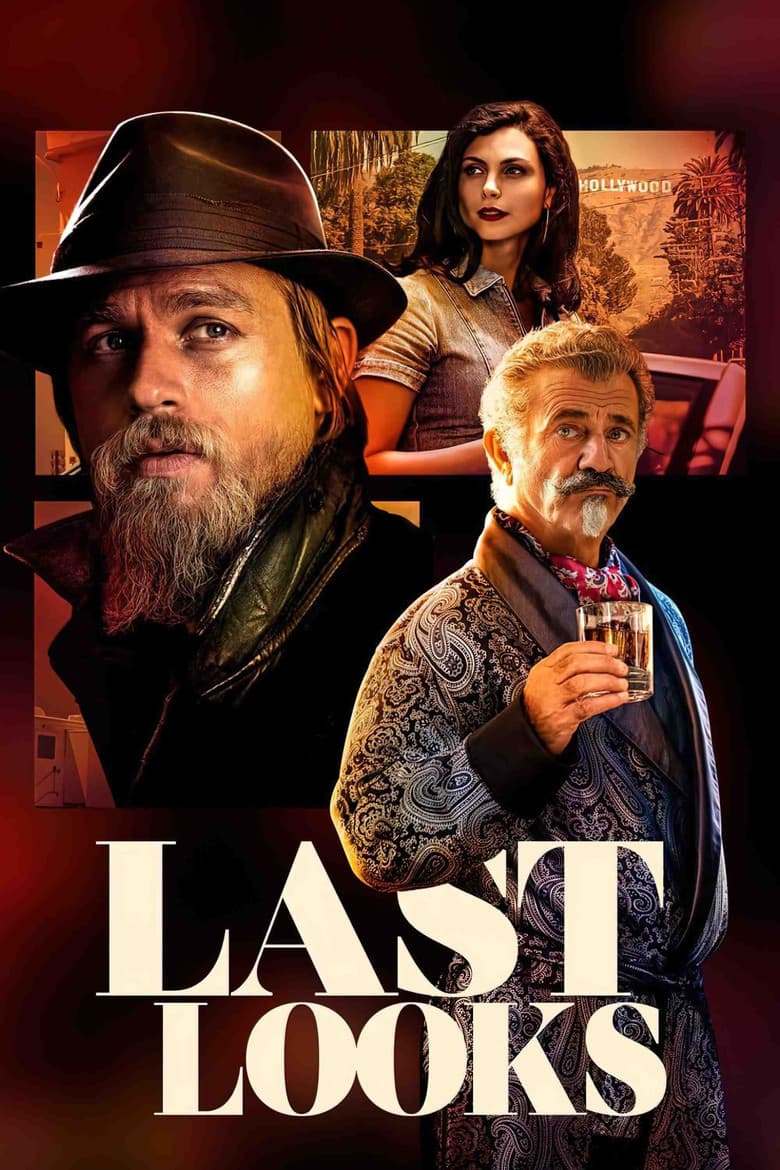
A disgraced ex-cop seeks solace by moving to the woods, but his quiet life comes to an end when a private eye recruits him to investigate the murder of an eccentric TV star's wife.
Movie · 2023
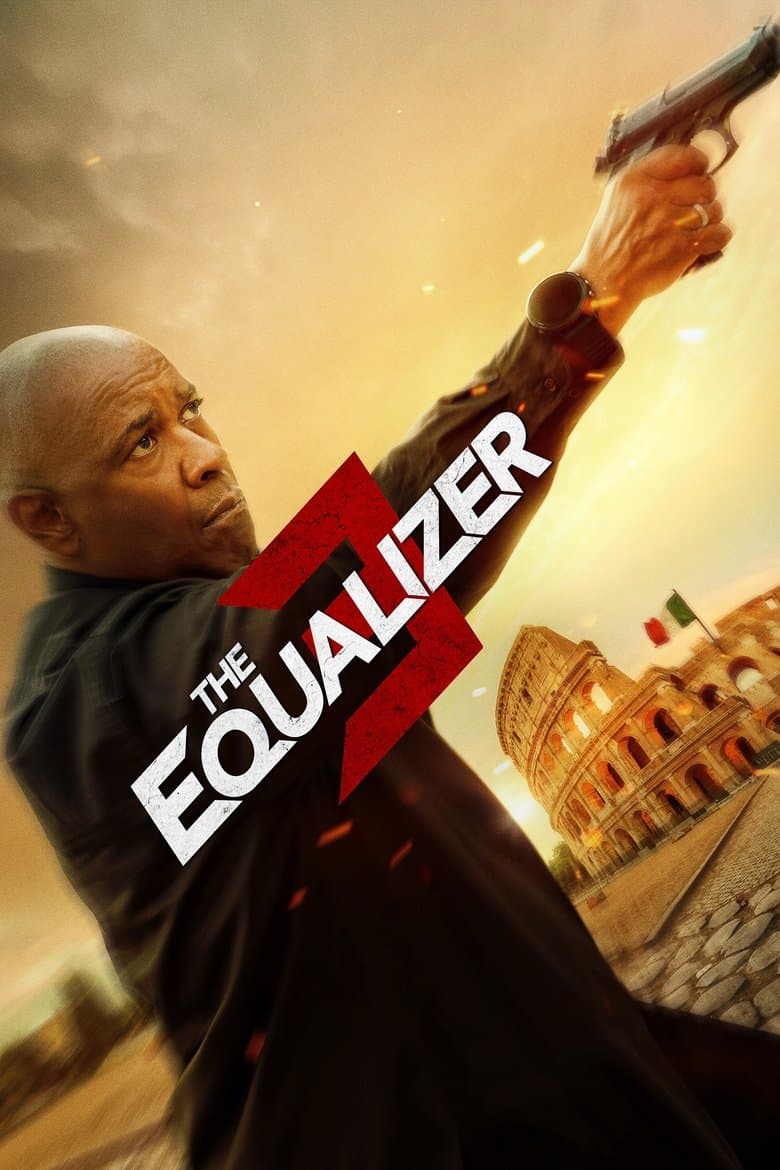
Robert McCall finds himself at home in Southern Italy but he discovers his friends are under the control of local crime bosses.
