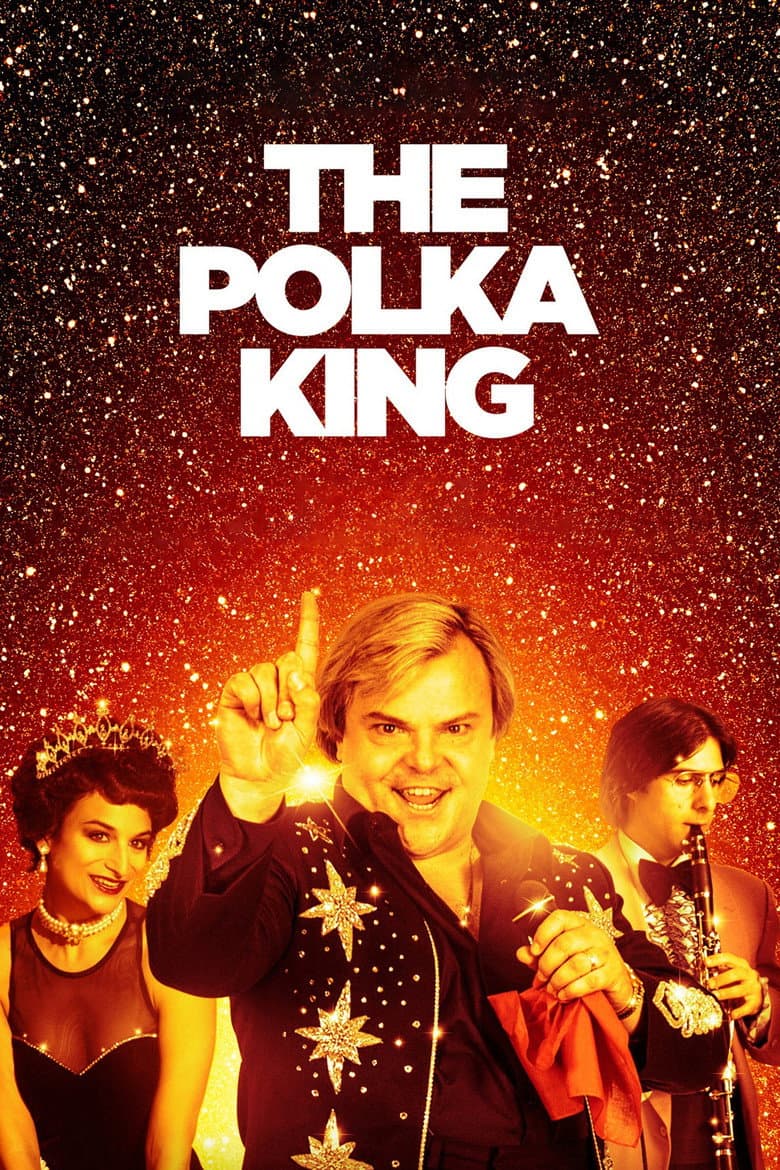
Jan Lewan is a Polish immigrant who builds a loud and colorful polka band in Pennsylvania. He wants fame, money, and a better life for his wife Marla and their son, so he starts selling investments that promise a 12 percent return. The plan becomes a Ponzi scheme as Jan uses new money to cover old promises, while he also runs a gift shop, tours with his band, and chases a private meeting with the Pope. The film uses bright comedy and silly music to tell a darker story about charm, lies, family pressure, and the cost of chasing the American dream.
The clearest woke element is Marla’s short speech that says her story is like the story of many women because she gave up her own goals to raise a family and let her husband take the spotlight. She then seeks a public identity through the Mrs. Pennsylvania contest and later leaves Jan when she no longer trusts him. This creates a recurring but secondary gender-role theme about a wife wanting a life beyond her husband, not a dominant political campaign. The film has no clear queer plot, diversity campaign, race or gender swap, modern activist speech, or broad attack on Western institutions, and its main message stays focused on fraud and family.
Community feedback
Was our 33% Woke rating accurate?
Breakdown
These are the editorial factors and ratings behind our score for The Polka King.
Woke representation / casting
Not present. The main cast is mostly white, and the film does not frame casting as a diversity or identity statement. Jan’s Polish immigrant identity comes from the real story, not a representation campaign.
0%
Woke political dialogue
Marla gives a short speech saying that her story is like the story of many women because she gave up her dreams to raise a family and let Jan take the spotlight. She asks the women in the crowd if they once had dreams and goals. The film does not repeat this idea as a larger political debate. Most of the dialogue concerns music, money, marriage, fraud, and prison.
30%
Identity-driven story themes
Marla starts as the wife who supports Jan and helps with his work. She later says she lost her own goals while caring for the family and supporting his fame. She seeks recognition through the Mrs. Pennsylvania contest and leaves Jan when she no longer trusts him. This gives the film a clear but secondary theme about a woman wanting a life beyond her husband.
38%
Western institutional / cultural critique
Not present. The film shows fraud, a weak pageant, and a prison mistake, but it does not make a modern activist attack on capitalism, family life, Christianity, or Western institutions. Its complaints stay tied to Jan’s personal crimes and the story’s comic events.
0%
Woke character or canon changes
Not relevant. The film retells a real person’s life and changes some story details for comedy, but no identity-related change to a character or source figure is clearly reported. The Polish immigrant background and family roles remain part of the story.
0%
Anti-woke backlash and complaints
Not present. Available reviews and audience posts discuss the film’s pacing, tone, and sympathy for Jan, not woke, DEI, or left-wing messaging. The separate X research pass found no anti-woke reaction or specific complaint.
0%
Creator track record context
Maya Forbes and Wallace Wolodarsky have no known activist pattern in their careers. Jack Black has some mild liberal public activity, but the film does not use it. Producer David Permut has a strong LGBTQ+ and civil-rights record, while Monica Levinson and Priyanka Mattoo support more opportunities for women creators. These are background signals, and the film itself does not turn them into visible themes.
30%
Production
Movie · 2016
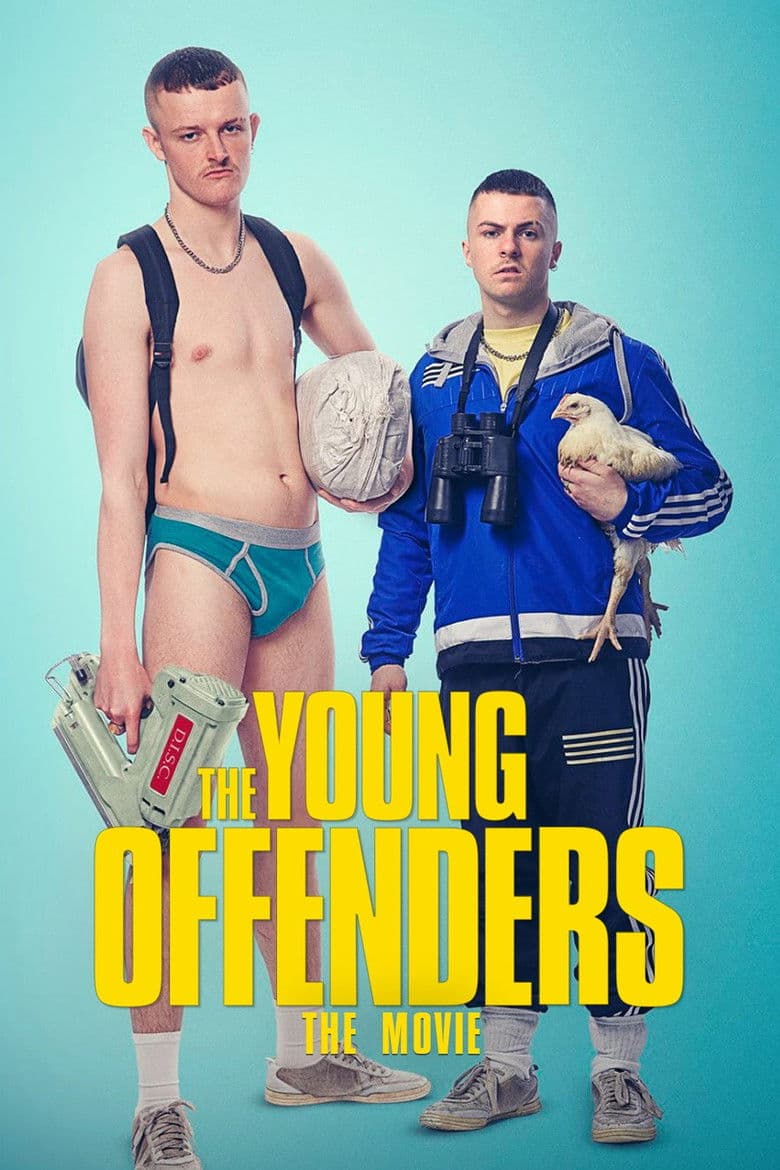
Two teenage boys from inner-city Cork steal bicycles and ride off on a 160km quest to find an unrecovered bale of cocaine worth 7,000,000 euros.
Movie · 2024
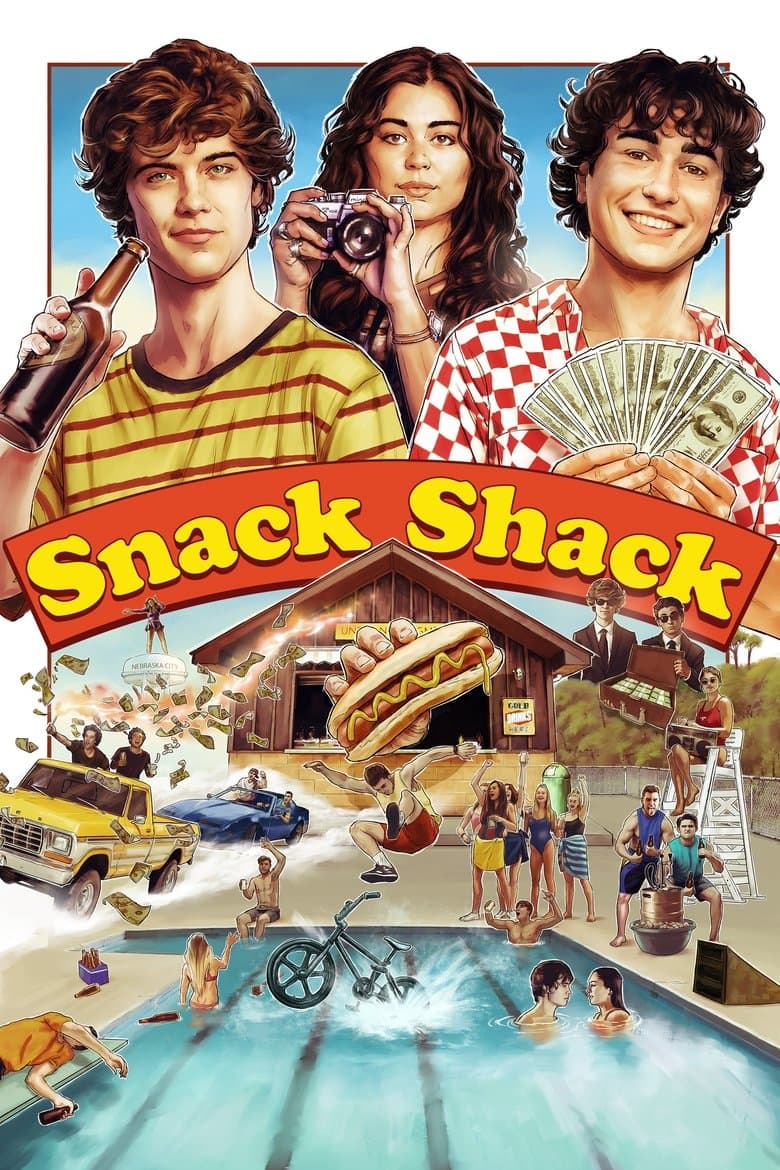
Inseparable best friends AJ and Moose decide to run the local pool's snack shack after their plan to sell home-brewed beer goes down the drain.
Movie · 2018
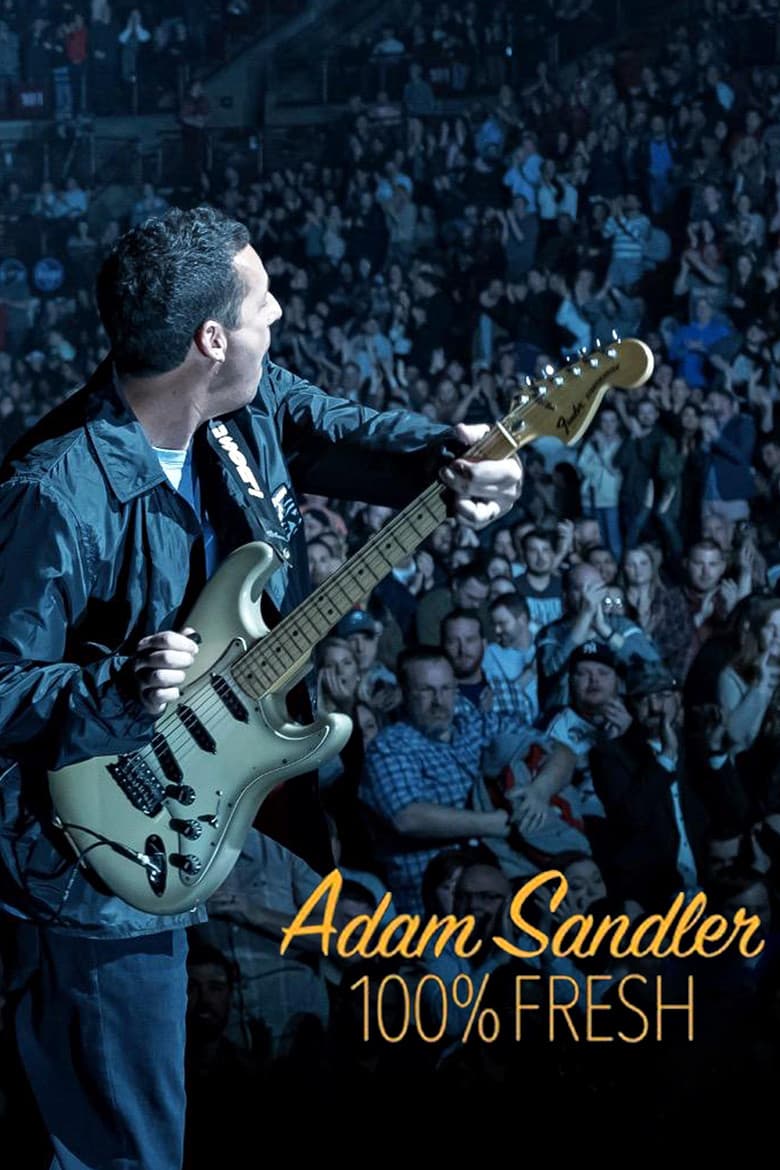
Adam Sandler takes his comical musical musings back out on the road, from comedy clubs to concert halls to one very unsuspecting subway station.
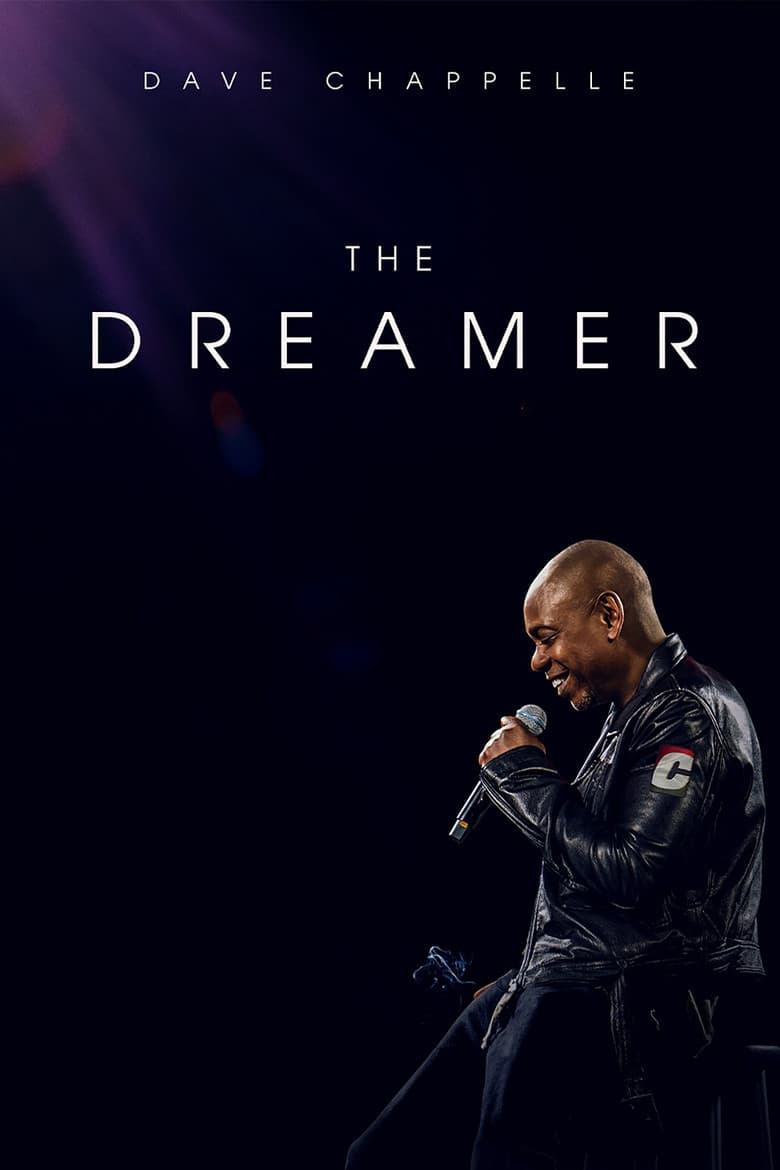
Movie · 2023
From his onstage tackle to the slap heard round the world, Dave Chappelle lets loose in this freewheeling and unfiltered stand-up comedy special.
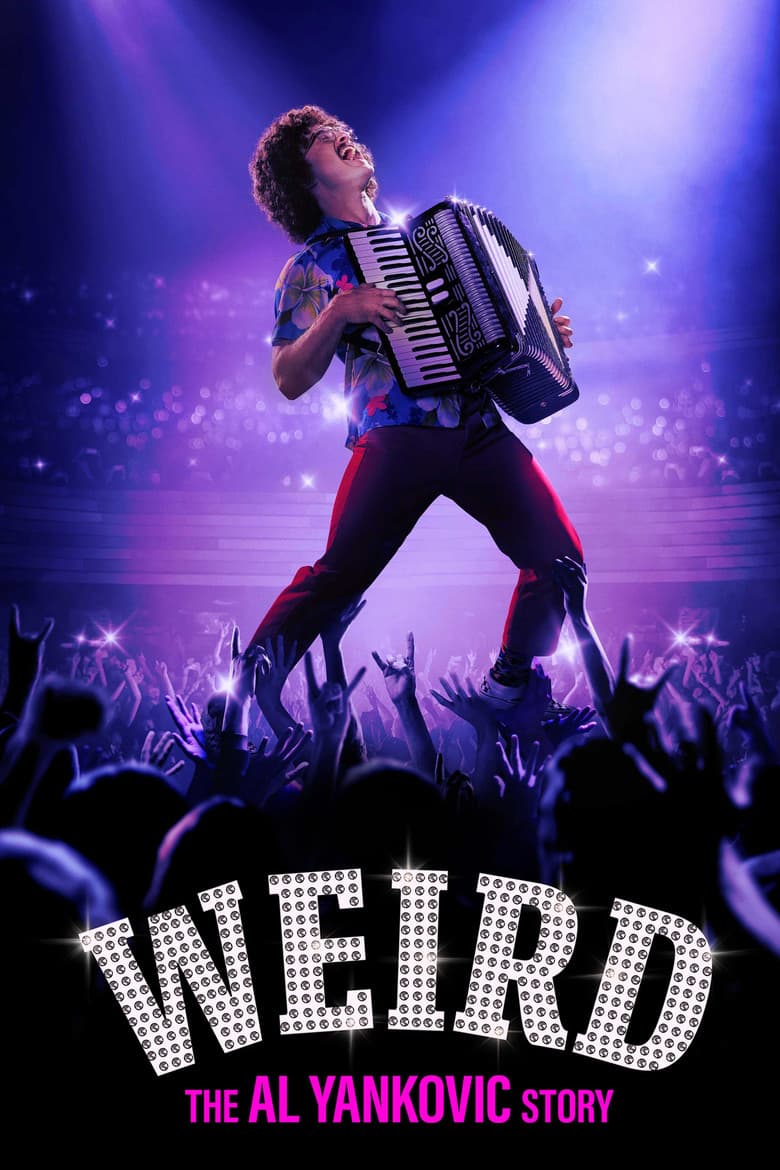
Movie · 2022
Exploring every facet of ‘Weird Al’ Yankovic’s life, from his meteoric rise to fame with early hits like ‘Eat It’ and ‘Like a Surgeon’ to his torrid celebrity love affairs and…
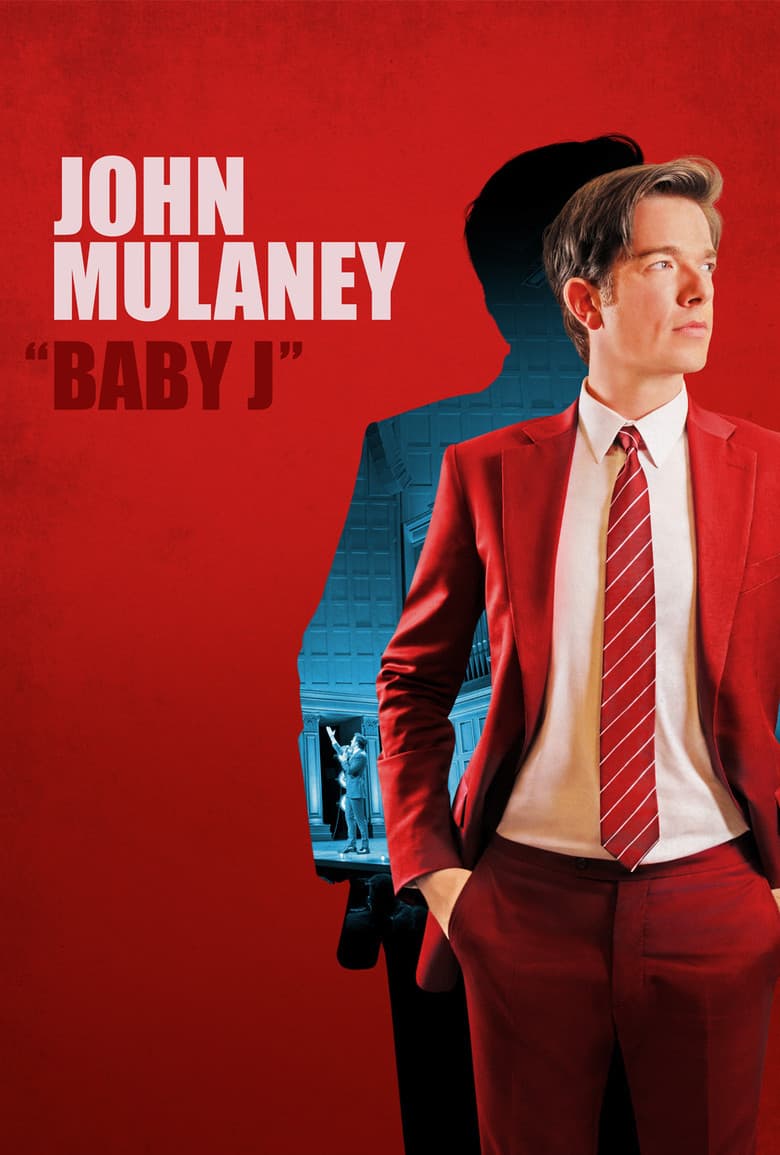
Movie · 2023
A chaotic intervention. An action-packed stay in rehab. After a weird couple of years, John Mulaney comes out swinging in his return to the stage.

Movie · 2019
An unlikely friendship between two neighbors becomes an unexpectedly emotional journey when the younger man is diagnosed with terminal cancer.
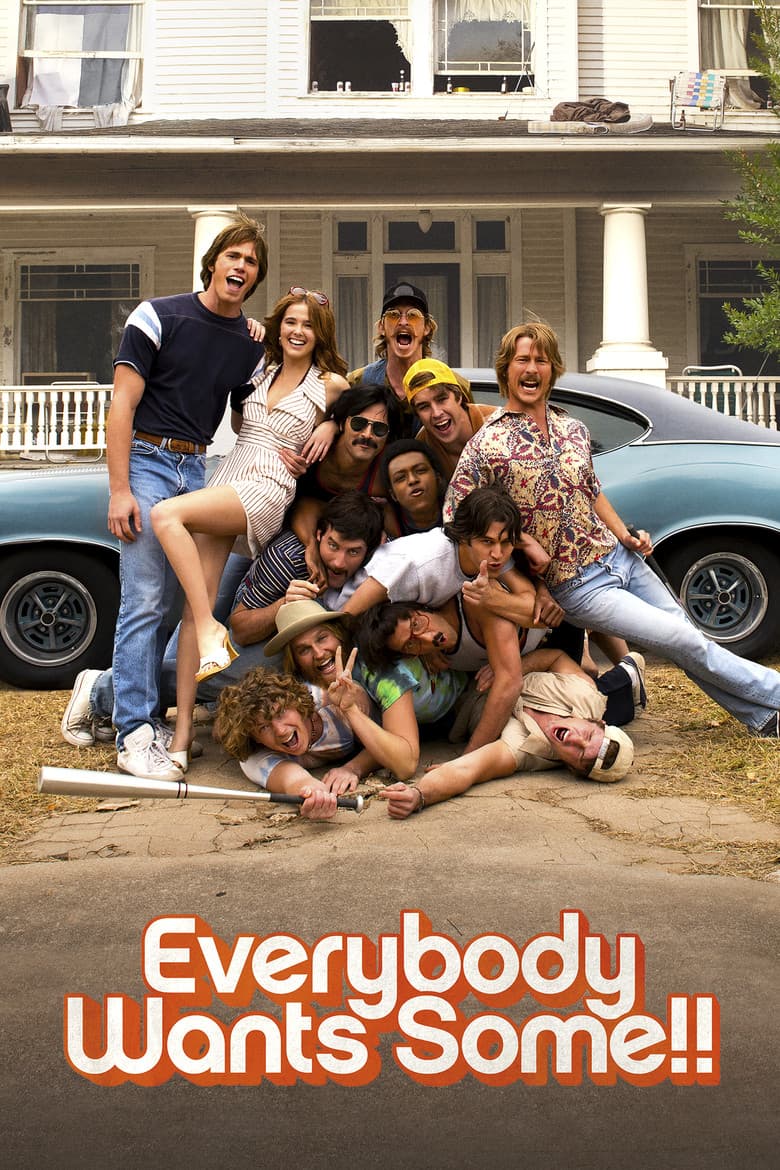
Movie · 2016
A comedy that follows a group of friends as they navigate their way through the freedoms and responsibilities of unsupervised adulthood.
