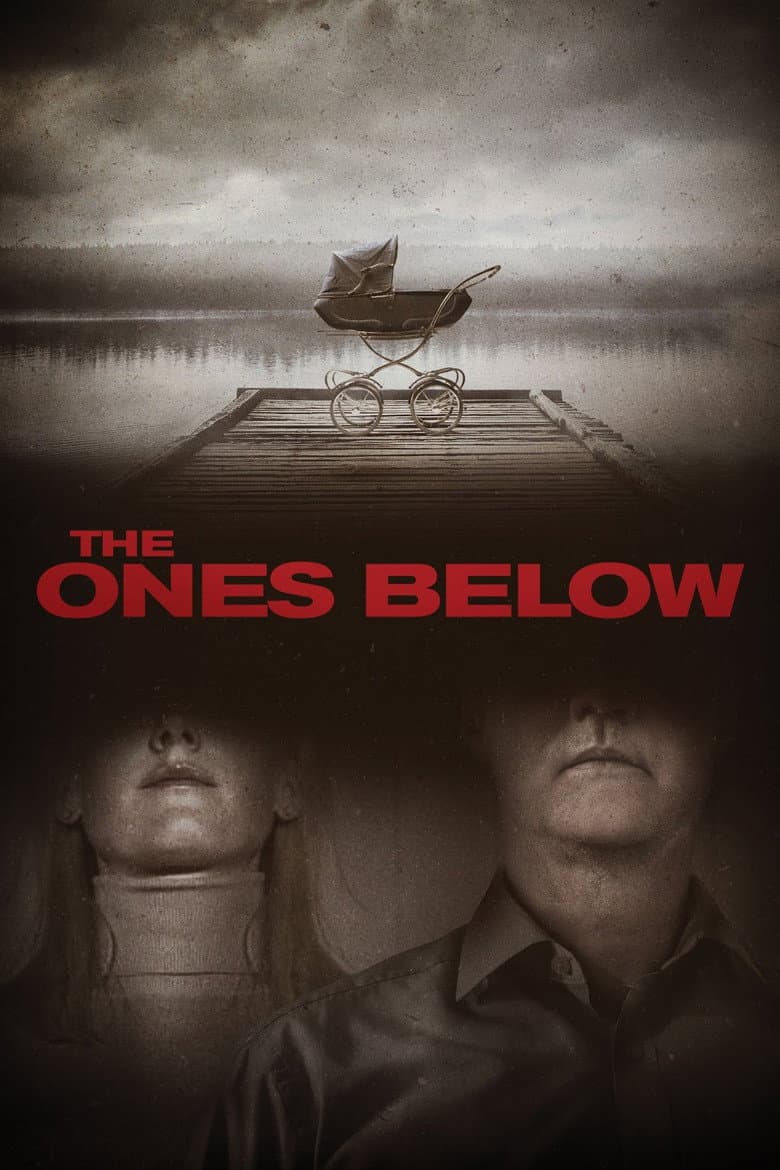
The Ones Below follows Kate and Justin, a comfortable London couple who are waiting for their first baby. They live in an upstairs flat in north London, while Jon and Theresa move into the home below them and expect a baby too. The two couples become friendly, but a dinner accident causes a pregnancy loss and turns the neighbors against each other. Kate then faces fear, grief, and growing doubt about the people who live below her. The film is a tense, slow thriller about trust, parenthood, loneliness, and jealousy.
The main woke element is the film’s strong focus on women’s experience of pregnancy and early motherhood. Kate’s doubts about becoming a mother, her loneliness after giving birth, and her uneasy bond with Theresa drive nearly every major turn. The story spends more time with the two women than with the men, while the men mostly support them or help carry out the conflict. That female-centered view is clear, but the film does not add identity politics, diversity messaging, activist speeches, or a modern campaign about gender. Its message is about private fear, loss, and the damage caused by envy, so the woke material stays limited.
Community feedback
Was our 18% Woke rating accurate?
Breakdown
These are the editorial factors and ratings behind our score for The Ones Below.
Woke representation / casting
Not present. The main cast uses ordinary European backgrounds for a modern London setting, and Kate’s French and English background and Theresa’s Finnish background are explained in the story. The film does not frame these choices as a diversity goal.
0%
Woke political dialogue
Not present. The dialogue discusses pregnancy, grief, marriage, loneliness, and fear. It does not include modern activist, identity, DEI, or gender-politics lines.
0%
Identity-driven story themes
The film makes pregnancy and motherhood the center of the story. Kate questions whether she wants a child, struggles with loneliness after birth, and grows fearful of losing her baby. The story makes Theresa’s bond and rivalry with Kate drive the main conflict. The story presents these fears as personal and tragic, not as a call for modern identity politics.
26%
Western institutional / cultural critique
Not present. The film shows wealthy London couples, a controlling husband, and an isolating city. It does not turn those details into a clear activist attack on capitalism, patriarchy, religion, or Western institutions.
0%
Woke character or canon changes
Not relevant. The film is an original story about two modern London couples. It does not change an established character, source story, or historical figure.
0%
Anti-woke backlash and complaints
Not present. No anti-woke reaction or specific complaints were found on X or in the wider search. Audience and critic discussion focuses on plot logic, pacing, grief, and the harsh ending rather than woke or DEI messaging.
0%
Creator track record context
David Farr has a mild record of political and social themes in earlier work. Nikki Parrott and the two casting directors have stronger links to representation-focused projects. Most of the other cached producers have little public activist history. This film’s own interviews focus on parenting, loneliness, and a female-centered thriller rather than a diversity campaign.
27%
Production
Movie · 2016
In December 1941, Czech soldiers Jozef Gabčík and Jan Kubiš parachute into their occupied homeland to assassinate Nazi officer Reinhard Heydrich.

Movie · 2022
For best friends Becky and Hunter, life is all about conquering fears and pushing limits. But after they climb 2,000 feet to the top of a remote, abandoned radio tower, they find…

Movie · 2023
In 1988, American video game salesman Henk Rogers discovers the video game Tetris. When he sets out to bring the game to the world, he enters a dangerous web of lies and…

Movie · 2024
When a Delta Force special ops mission goes terribly wrong, Air Force drone pilot Reaper has 48 hours to remedy what has devolved into a wild rescue operation.
Movie · 2023
During the war in Afghanistan, a local interpreter risks his own life to carry an injured sergeant across miles of grueling terrain.
Movie · 2016
When Krisha returns to her estranged family for Thanksgiving dinner, past demons threaten to ruin the festivities.
Movie · 2021
Ten years after he was last seen, a vicious mob enforcer returns home to find his son and methodically track down the gang that double-crossed him.
Movie · 2018
Following the death of the Leigh family matriarch, Annie and her children uncover disturbing secrets about their heritage.
