Movie review
October 5, 2018 · 121 min · NC-17 · Indonesian · Crime · Action · Thriller
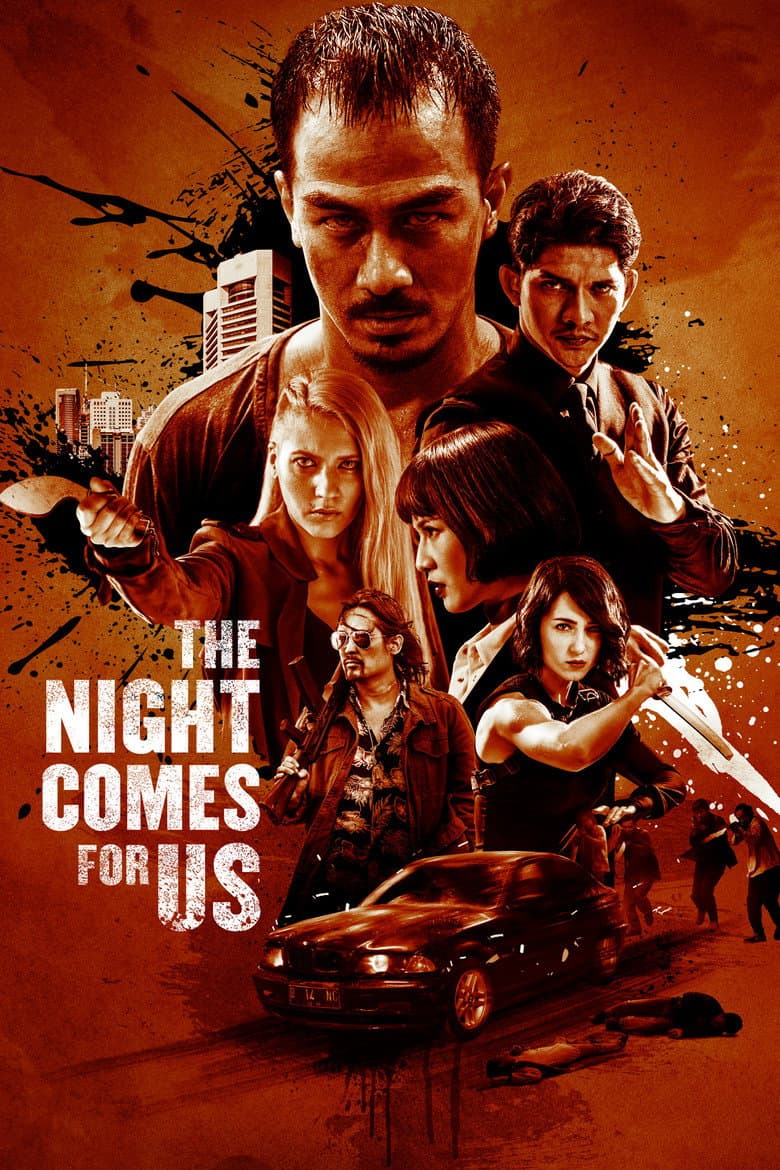
The Night Comes For Us is a 2018 Indonesian action movie set in the criminal underworld of Southeast Asia and Jakarta. Ito is a top Triad enforcer who turns against his own crew after he spares Reina, a young girl who survives a village massacre. He hides her with old friends while Arian, his former brother in the gang, hunts him for the bosses. The film has a dark, frantic, and extremely bloody tone, with long fights built around knives, guns, broken glass, hooks, and other objects.
Most of the story follows Ito’s violent attempt to protect Reina and find a way out of the life he helped build. The movie also gives major action roles to The Operator, Alma, and Elena, and Alma and Elena are shown as lesbian lovers. Their relationship appears in a small side thread and does not drive the main conflict. The main message is that Ito cannot erase his past, but one act of mercy can push him toward a new life, even though he keeps killing to get there.
Community feedback
Was our 28% Woke rating accurate?
Breakdown
These are the editorial factors and ratings behind our score for The Night Comes For Us.
Woke representation / casting
The film gives three women major combat roles. The Operator is presented as a deadly rival who can challenge Ito, while Alma and Elena are elite Triad killers. The film also presents Alma and Elena as a lesbian couple through their affection and private behavior. Most of the cast is Indonesian, so the ethnic casting itself fits the setting.
42%
Woke political dialogue
Not present. The dialogue deals with gang orders, loyalty, guilt, and survival. It does not push modern identity, DEI, or activist ideas.
0%
Identity-driven story themes
The film gives repeated screen time to women who fight as well as the men. The movie shows Alma and Elena as lovers, and their private affection is clear. Their relationship is not the main problem Ito must solve, and the main arc follows a violent man seeking a way out. The film treats mercy, loyalty, revenge, and the cost of crime as its main themes.
28%
Western institutional / cultural critique
Not present. The film attacks a fictional Triad crime system, not modern Western institutions. It does not make a present-day argument about masculinity, Christianity, family life, capitalism, or conservative politics.
0%
Woke character or canon changes
Not relevant. The film uses original characters in a fictional crime world. It does not change a known character, a real person, or a historical event.
0%
Anti-woke backlash and complaints
Not present. Public discussion centers on action, gore, pacing, and story quality. No sustained complaint that the film pushes woke, DEI, or identity politics appears in the available coverage.
0%
Creator track record context
Not present. The director and producers are mainly known for Indonesian genre films and commercial production. Their public work shows no clear woke or activist pattern connected to this film.
0%
Production
Movie · 2019
After barely surviving a brutal attack by a sadistic serial killer, crime boss Jang Dong-su is left humiliated.
Movie · 2025
Big Nick is back on the hunt in Europe and closing in on Donnie, who is embroiled in the treacherous and unpredictable world of diamond thieves and the infamous Panther mafia, as…
Movie · 2018
Agent Matt Graver teams up with operative Alejandro Gillick to prevent Mexican drug cartels from smuggling terrorists across the United States border.
Movie · 2019
Two policemen, one an old-timer, the other his volatile younger partner, find themselves suspended when a video of their strong-arm tactics becomes the media's cause du jour.
Movie · 2016
A troubled veteran gets a chance at redemption by protecting a girl from an assassin after she witnesses a murder.
Movie · 2018
A period drama set in the 1970s, KGF follows the story of a fierce rebel who rises against the brutal oppression in Kolar Gold Fields and becomes the symbol of hope to legions of…
Movie · 2026
Trust frays when a team of Miami cops discovers millions in cash inside a run-down stash house, calling everyone — and everything — into question.
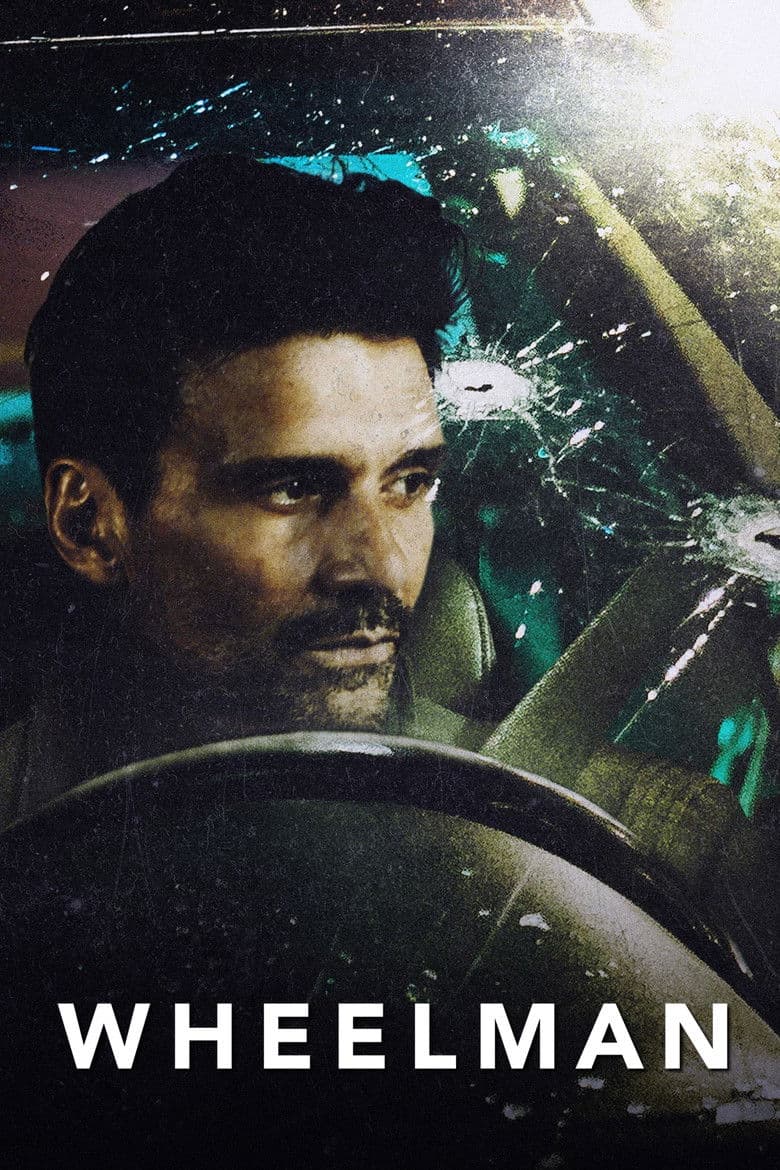
Movie · 2017
A getaway driver for a bank robbery realizes he has been double crossed and races to find out who betrayed him.
