Movie review
December 20, 2018 · 156 min · PG-13 · Kannada · Crime · Action · Thriller · Adventure
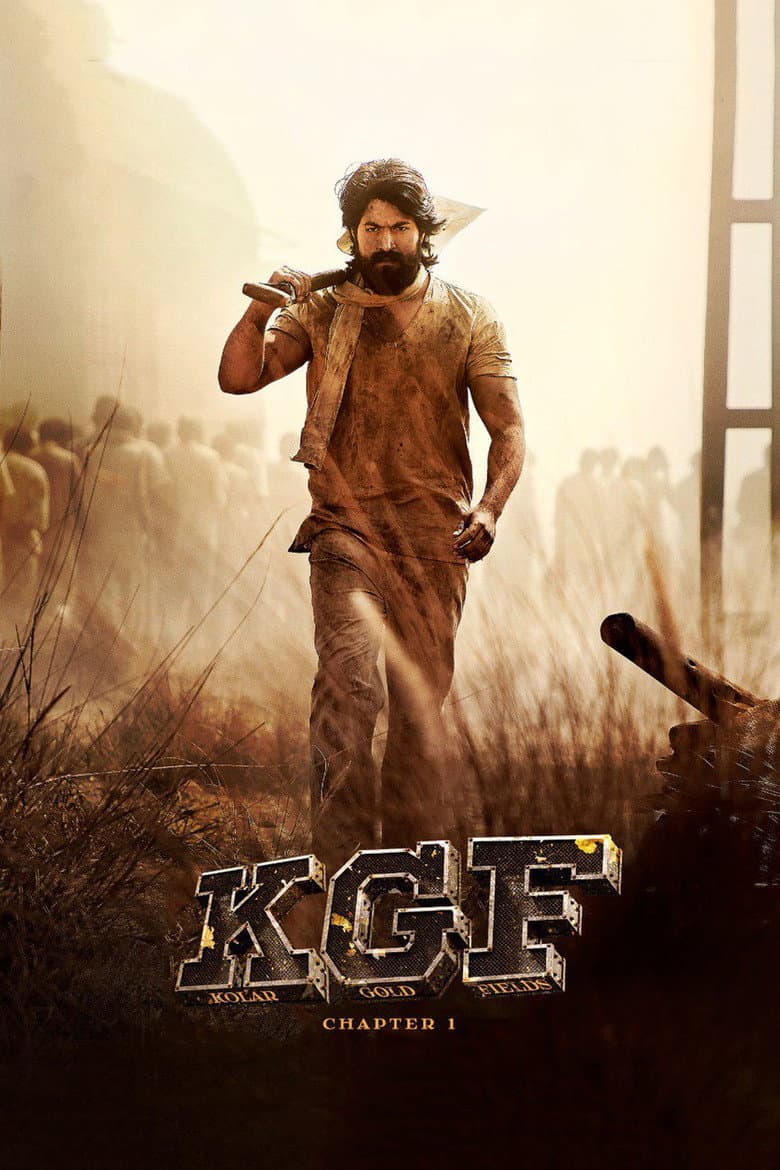
K.G.F: Chapter 1 follows Rocky, a poor boy from Mumbai who grows into a feared killer and gangster. After his mother dies, Rocky promises to become rich and powerful, so he accepts a job to kill Garuda, the heir to a gold empire. The story moves between Mumbai, Bengaluru, and the Kolar Gold Fields in Karnataka, with flashbacks covering the 1950s through the late 1970s. The mine is controlled by a crime family and worked by people who were brought there by force. The tone is dark, loud, violent, and built around legend, revenge, loyalty, and larger-than-life hero worship.
Rocky enters the mine as an outsider and finds workers held by force, beaten, starved, branded, and killed. He first wants Garuda’s power for himself, but the suffering around him pushes him toward protecting the workers and becoming their symbol of hope. The film includes a brief line saying that only men are to blame for rape and a grim reference to baby girls being killed, but these moments do not become a lasting political argument. The main story praises personal power, family loyalty, wealth, and violent resistance against cruel rulers. Its women are mainly Rocky’s mother, a short-lived love interest, and a few journalists or workers, so the story stays centered on Rocky’s rise.
Community feedback
Was our 11% Woke rating accurate?
Breakdown
These are the editorial factors and ratings behind our score for K.G.F: Chapter 1.
Woke representation / casting
Not present. The cast fits an Indian story set in Karnataka and Mumbai. The film gives its main heroic roles to men, but that is a gender pattern in the story, not a representation push.
0%
Woke political dialogue
A brief office exchange says that only men are to blame for rape. The line is a clear gender-focused statement, but it is not developed into a speech or repeated argument. The mine scenes also mention that baby girls are killed, but the film presents that as part of the cruel setting. The movie does not return to either point as a modern activist message.
22%
Identity-driven story themes
Not present. The story centers on poverty, crime, family loyalty, greed, and violent power struggles. It does not make modern race, gender, sexuality, or identity politics the main point.
0%
Western institutional / cultural critique
Not present. The film shows a corrupt crime network and officials in 1970s India. It does not attack Western institutions or make a current activist critique of family, religion, capitalism, or gender roles.
0%
Woke character or canon changes
Not relevant. KGF is a fictional story using the name and place of a real mine. It does not rewrite an established character or real historical figure.
0%
Anti-woke backlash and complaints
Not present. The supplied X evidence found no anti-woke complaints, and the wider coverage showed no sustained complaint that the film pushed DEI or identity politics. Right-leaning posts praised it as a non-woke masculine alternative, which is approval rather than backlash.
0%
Creator track record context
Not present. The available creator record lists Prashanth Neel and B Thimme Gowda at 0/100, Vijay Kiragandur at 13/100, and K V Rama Rao at 0/100. Kiragandur’s low score reflects social messages and humanitarian work, not a sustained identity or activist pattern. The title-related interviews focus on commercial action craft, greed, gold, power, and childhood.
0%
Production
Movie · 2022
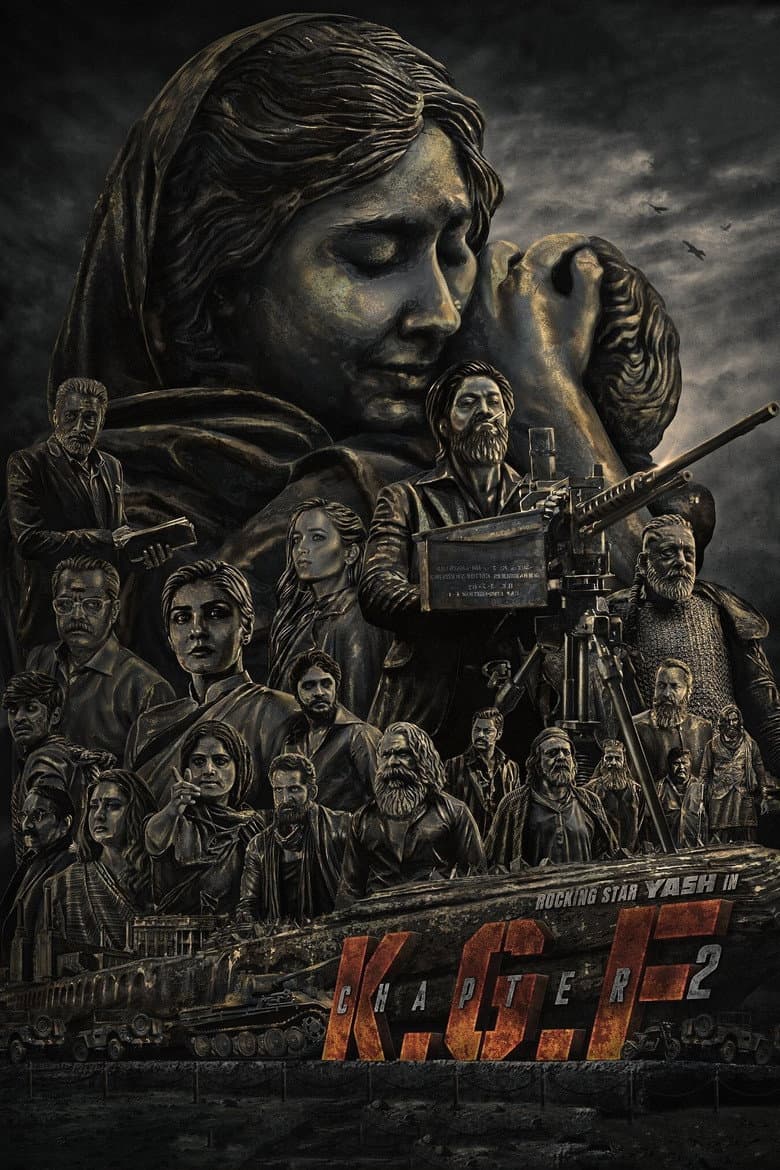
The blood-soaked land of Kolar Gold Fields (KGF) has a new overlord now - Rocky, whose name strikes fear in the heart of his foes.
Movie · 2023
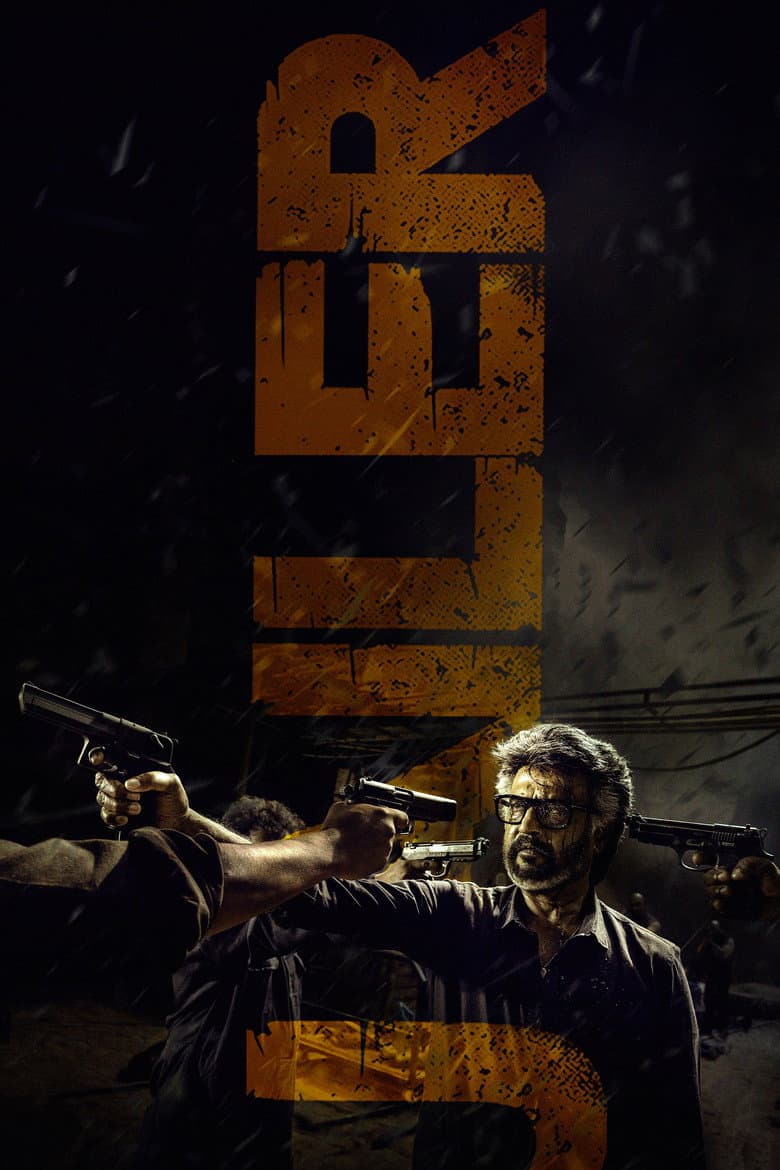
Muthuvel Pandian, a retired, stern yet compassionate jailer lives a peaceful life with his family, but trouble knocks his door when his cop son’s tryst with an antique mafia gang…
Movie · 2018
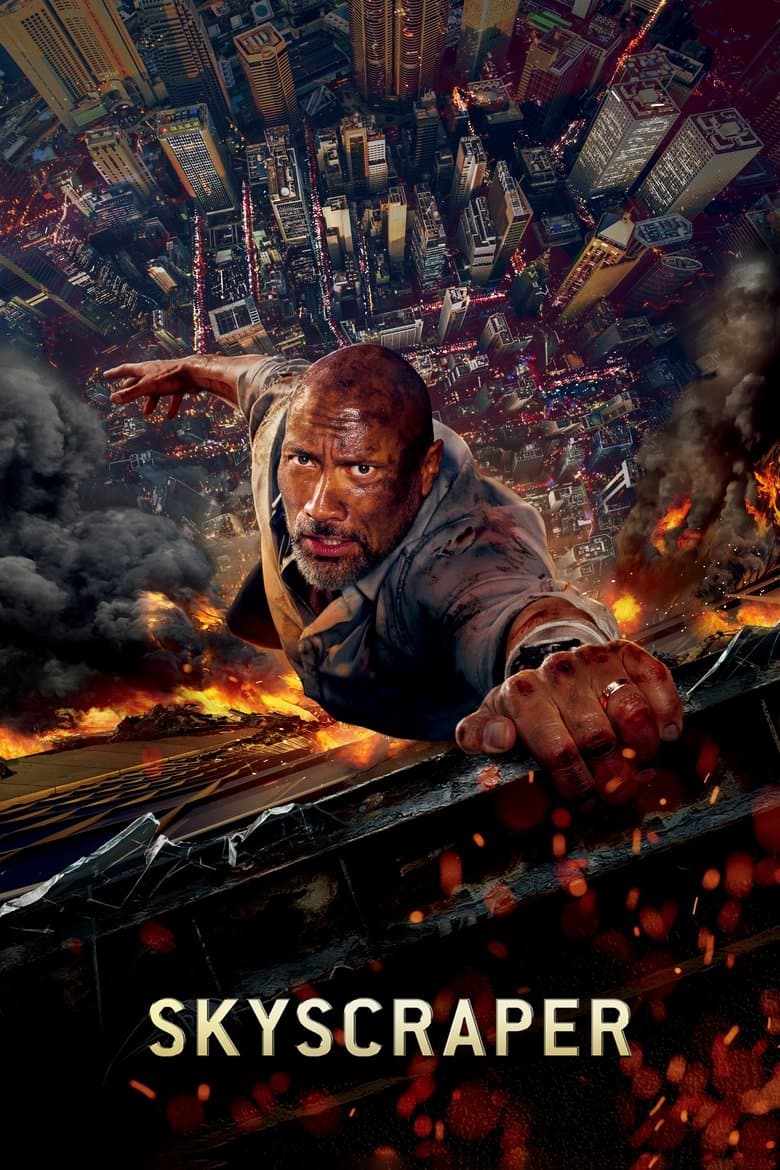
Framed and on the run, a former FBI agent must save his family from a blazing fire in the world's tallest building.
Movie · 2019
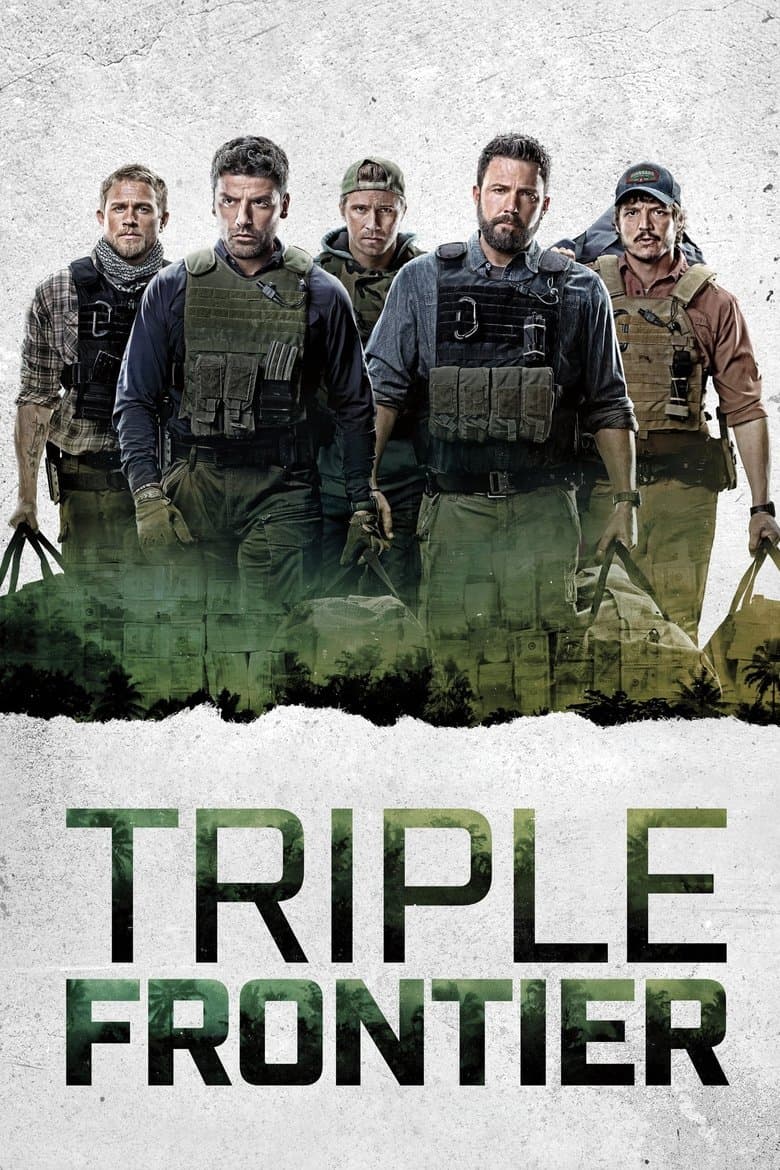
Struggling to make ends meet, former special ops soldiers reunite for a high-stakes heist: stealing $75 million from a South American drug lord.
Movie · 2026
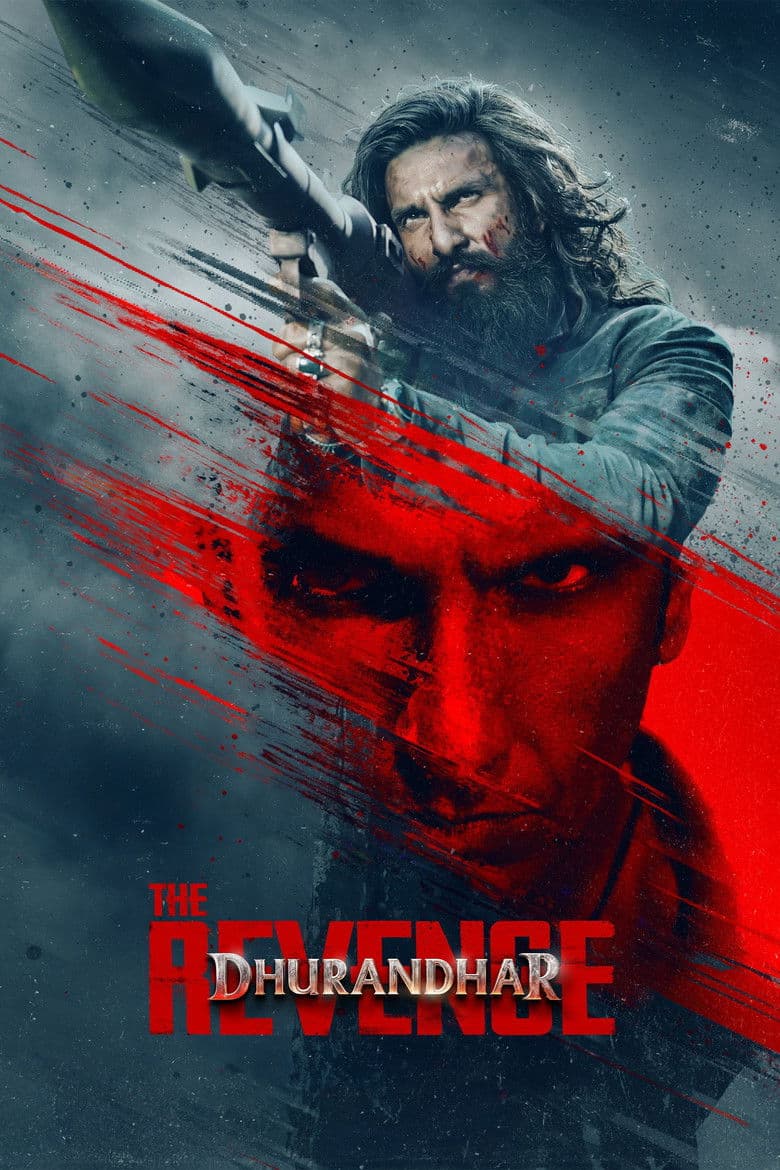
As rival gangs, corrupt officials and a ruthless Major Iqbal close in, Hamza's mission for his country spirals into a bloody personal war where the line between patriot and…
Movie · 2020
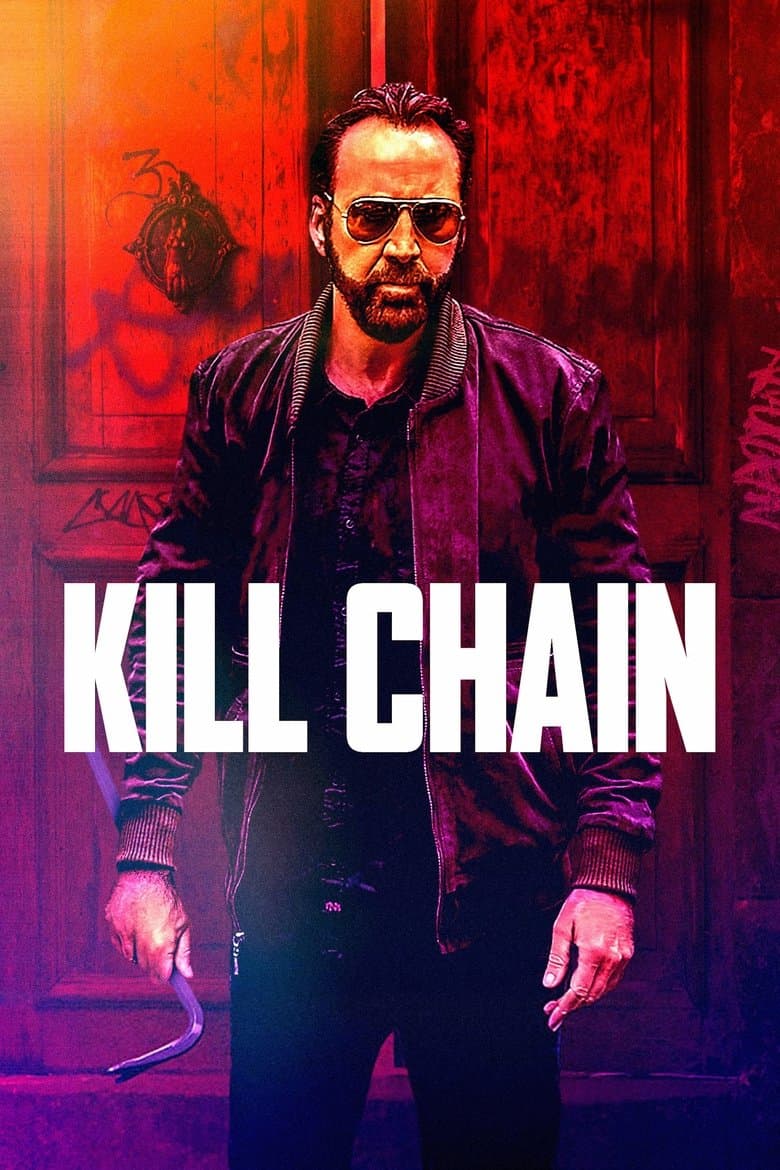
A hotel room shootout between two assassins kicks off a long night where bodies fall like dominoes, as we follow a chain of crooked cops, gangsters, hitmen, a femme Fatale and an…
Movie · 2019
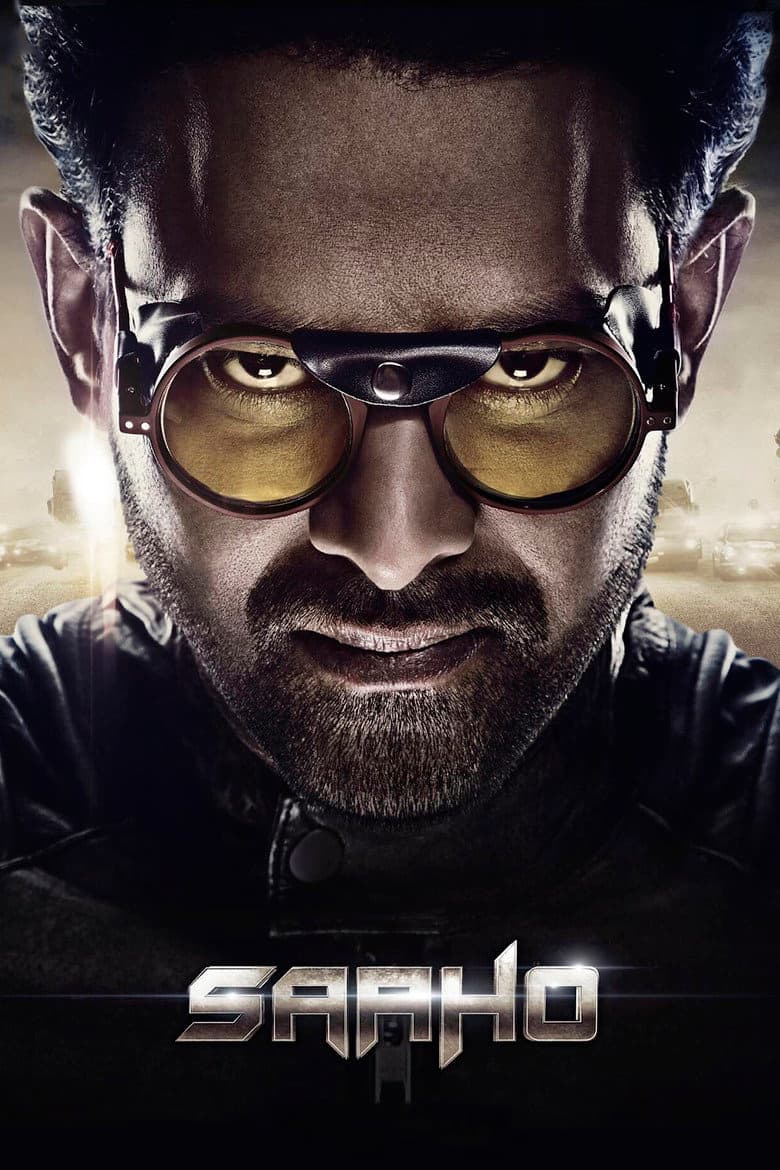
A battle for power ensues as warring gangters thrive to gain possession of a "black box" that can make them richer than they already are, and an undercover cop intervenes with the…
Movie · 2016
The most dangerous former operative of the CIA is drawn out of hiding to uncover hidden truths about his past.
