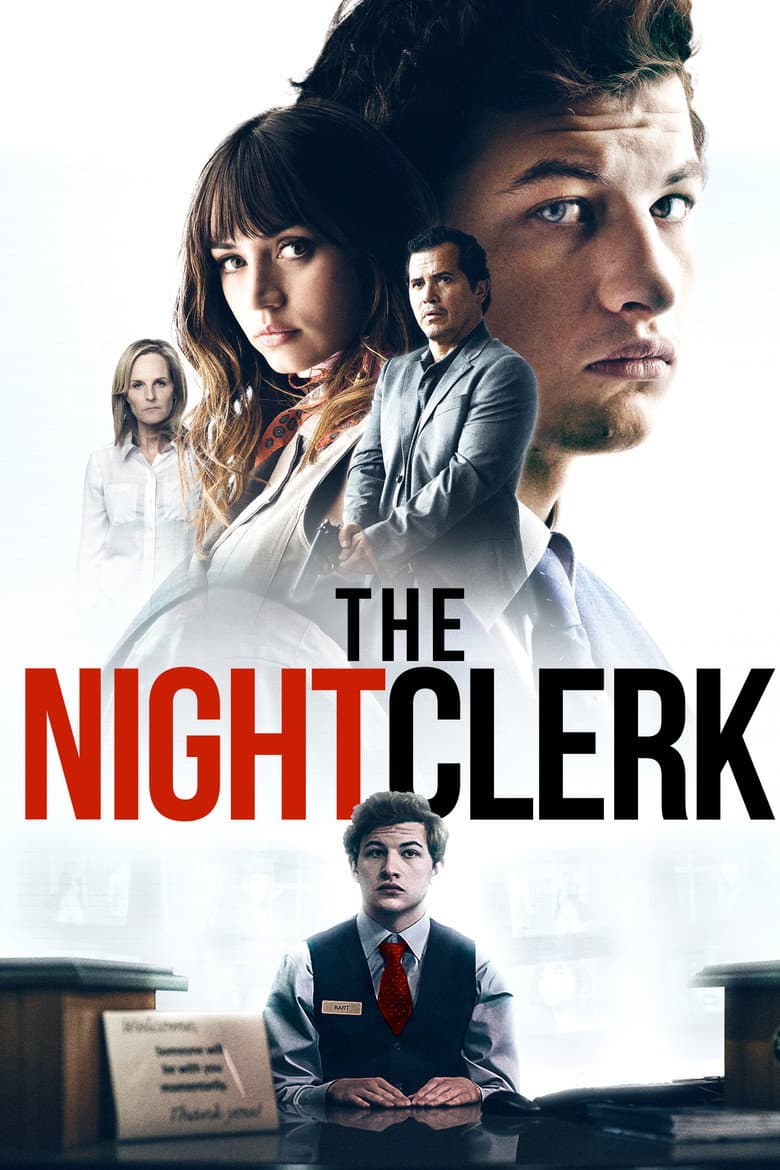
The Night Clerk follows Bart Bromley, a young hotel worker who has Asperger syndrome and struggles to read social cues. He hides cameras in hotel rooms and studies guests so he can copy their speech and actions. After he watches a woman get murdered, the police treat him as a suspect because he lies about what he saw. Bart moves to another hotel, meets Andrea, and tries to stop the killer while the quiet crime story also shows loneliness, trust, and fear.
The film puts autism at the center of its plot, and Bart's effort to hide or copy other people's behavior drives many scenes. The story asks viewers to see his loneliness and good intentions, even though his secret cameras invade the guests' privacy. Andrea treats Bart with patience because she has a brother with Asperger syndrome, so their bond gives the film a clear message about empathy toward people who seem different. Andrea's danger adds a second crime thread, while Bart must choose whether to hide the truth or risk his own safety.
Community feedback
Was our 23% Woke rating accurate?
Breakdown
These are the editorial factors and ratings behind our score for The Night Clerk.
Woke representation / casting
Not present. The main roles include a white autistic man, a female hotel guest, a male detective, and Bart's mother. The film does not frame these choices as a diversity or empowerment statement.
0%
Woke political dialogue
Not present. The characters discuss the murder, autism, relationships, and personal fear. They do not give speeches about politics, activism, DEI, or current social movements.
0%
Identity-driven story themes
Bart's autism shapes the film from the opening scenes through the ending. He studies other people on hidden cameras because he wants to copy their speech and body language. Bart faces suspicion and shame, while Andrea and his mother show patience toward him. The film asks viewers to value his good intentions and loneliness, but it does not build this idea into a wider activist message about identity or social systems.
38%
Western institutional / cultural critique
Not present. The film shows Bart being treated as strange and suspected by police, but it does not attack Western institutions or traditional social norms. The detective's investigation and the mother's protection serve the crime plot and family story.
0%
Woke character or canon changes
Not relevant. The film is an original story about Bart Bromley. It does not change an established character, canon, or historical event.
0%
Anti-woke backlash and complaints
Not present. The separate X check found no anti-woke complaints, and wider coverage found no clear claim that the film pushes DEI or identity politics. Public criticism focused on film quality and autism portrayal instead.
0%
Creator track record context
Michael Cristofer's cached record includes LGBTQ-inclusive characters and AIDS-related themes, but it shows no clear history of political campaigning. Robbie Brenner's cached work includes Barbie and projects about women's rights. David M. Wulf's cached credits include Call Jane, while most other listed producers and crew have no documented activist record. This gives the production mild supporting context but not a strong activist pattern.
18%
Production
Movie · 2019
In New York, former convict Pete Koslow, related to the Polish mafia, must deal with both Klimek the General, his ruthless boss, and the twisted ambitions of two federal agents…
Movie · 2021
When the aging Meyer Lansky is investigated one last time by the Feds who suspect he has stashed away millions of dollars over half a century, the retired gangster spins a…
Movie · 2016
A U.S Customs official uncovers a massive money laundering scheme involving Pablo Escobar.
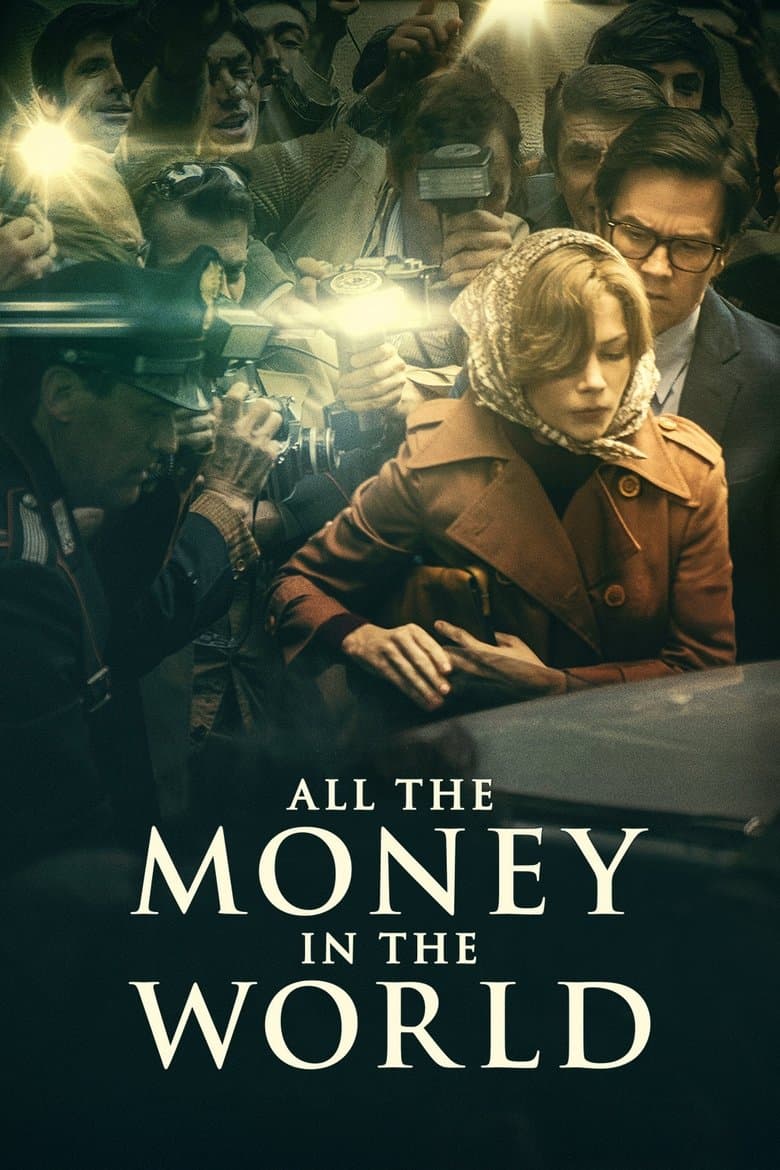
Movie · 2017
The story of the kidnapping of 16-year-old John Paul Getty III and the desperate attempt by his devoted mother to convince his billionaire grandfather Jean Paul Getty to pay the…
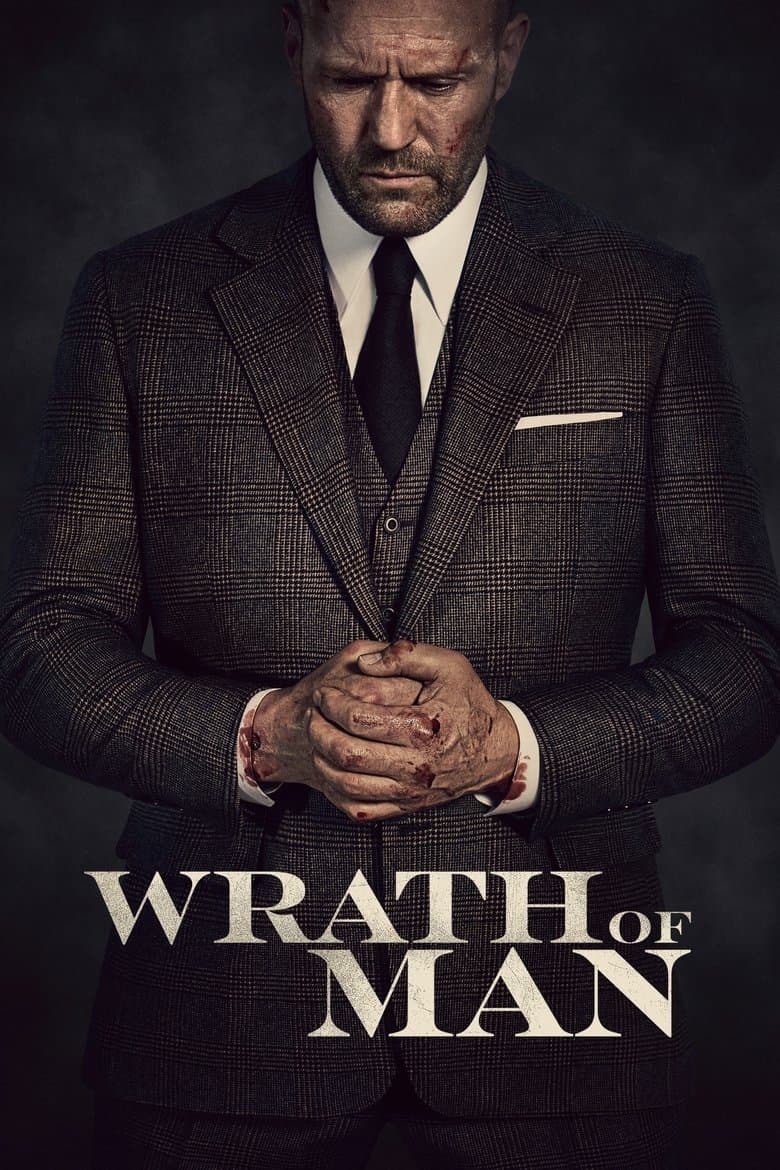
Movie · 2021
A cold and mysterious new security guard for a Los Angeles cash truck company surprises his co-workers when he unleashes precision skills during a heist.
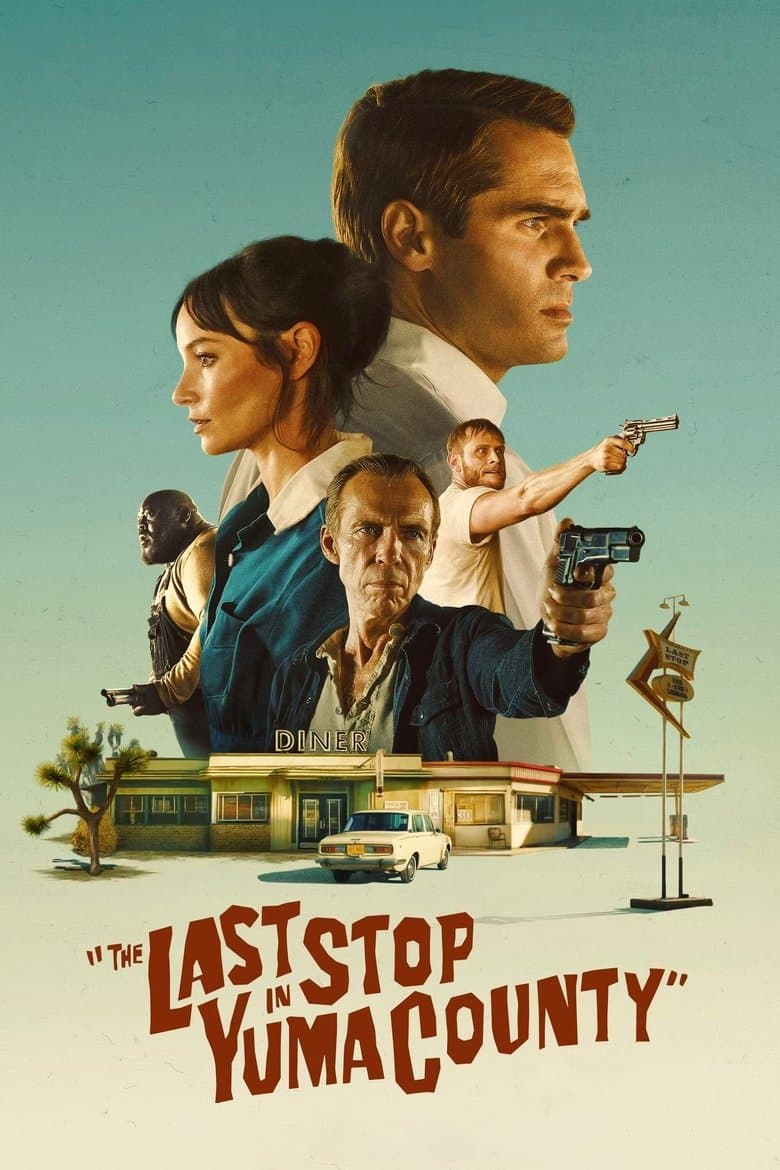
Movie · 2024
While awaiting the next fuel truck at a middle-of-nowhere Arizona rest stop, a traveling young knife salesman is thrust into a high-stakes hostage situation by the arrival of two…
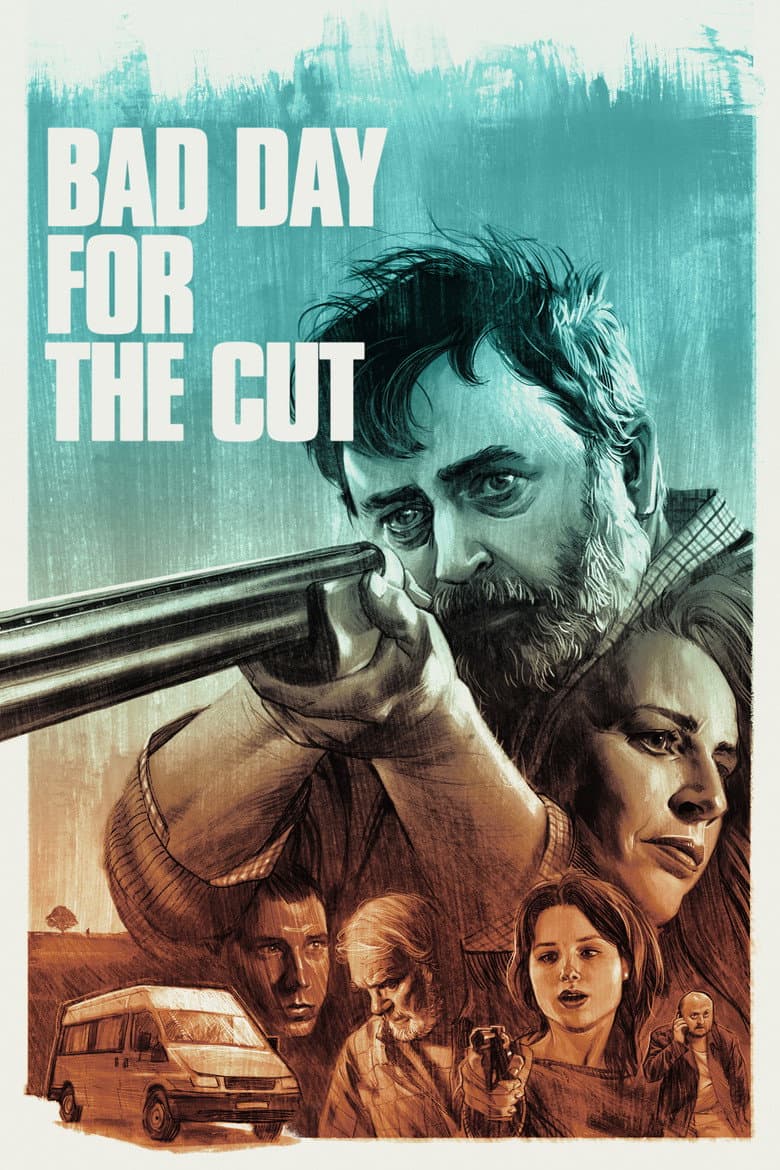
Movie · 2017
A middle-aged Irish farmer, who still lives at home with his mother, sets off on a mission of revenge when the old lady is murdered.
Movie · 2021
Deputy Sheriff Joe "Deke" Deacon joins forces with Sgt. Jim Baxter to search for a serial killer who's terrorizing Los Angeles.
