
The List is a light romantic comedy about Abby Meyers, who writes speeches for New York's mayor. Her wedding plans fall apart after her fiancé, Matt, sleeps with a movie star from his free-pass list. Abby flies to Los Angeles with her best friend Chloe and tries to sleep with someone from her own five-name list. A talent agent helps them reach famous men while Abby meets Jake, a waiter building a strange business that sells bottled air. The story uses jokes, sexual talk, drinking, and a final choice between celebrity fantasy and a real relationship.
The film puts female choice and independence at the center of Abby's journey. Abby and Chloe call themselves strong, independent women, and Abby leads the plan instead of waiting for a man to save her. Chloe is bisexual and has a past relationship with Sam, while Jake and Chloe are Latino characters in major roles. These elements are visible and repeated, but the film stays a conventional romance and ends by valuing trust, commitment, and a serious partner over casual celebrity sex.
Community feedback
Was our 40% Woke rating accurate?
Breakdown
These are the editorial factors and ratings behind our score for The List.
Woke representation / casting
Abby is a white woman, while Chloe and Jake are Latino characters in important roles. Chloe is also bisexual, which makes identity visible in the main friend group. The modern New York and Los Angeles setting makes this mix feel broadly normal. The film gives these choices some visibility but does not make representation a main subject.
12%
Woke political dialogue
Chloe says that she and Abby are perfectly capable, strong, independent women. A Hollywood tour guide praises the Walk of Fame as a celebration of strong female leads. Kenzie says Abby's comment objectified and rejected her in the same sentence. These lines appear briefly and do not become a long political speech.
30%
Identity-driven story themes
Abby drives the main story after Matt cheats on her. The film presents her celebrity chase as a way to regain control and decide what kind of love she wants. Chloe and Sam actively help the women, while Matt is shown as a selfish cheater and Jake mostly supports Abby. Chloe's bisexual relationship adds another identity theme, but the ending favors trust and commitment in a normal romance.
50%
Western institutional / cultural critique
A male boss tells a female employee to get her “sweet ass” back to work. The insult appears in one short workplace scene. The story does not turn it into a repeated attack on family, religion, capitalism, or Western institutions.
10%
Woke character or canon changes
Not relevant. The film is an original romantic comedy. It does not adapt established characters, canon, or real historical events.
0%
Anti-woke backlash and complaints
Not present. No verified anti-woke backlash was found. Public reviews and posts focus on the film's sexual premise, weak jokes, predictable romance, and small budget. No major complaint calls the film woke, DEI-driven, or identity-politics propaganda.
0%
Creator track record context
The available creator record gives the director a moderate gender-aware context. The writers and producers mostly have low or modest scores and no strong activist pattern. The director described removing male-savior and drunken-stumbling moments from Abby's story. The group context supports a mild signal, not a strong activist track record.
24%
Production

Movie · 2022
Peter and Emma thought they were on the precipice of life’s biggest moments – marriage, kids, and houses in the suburbs – until their respective partners dumped them.
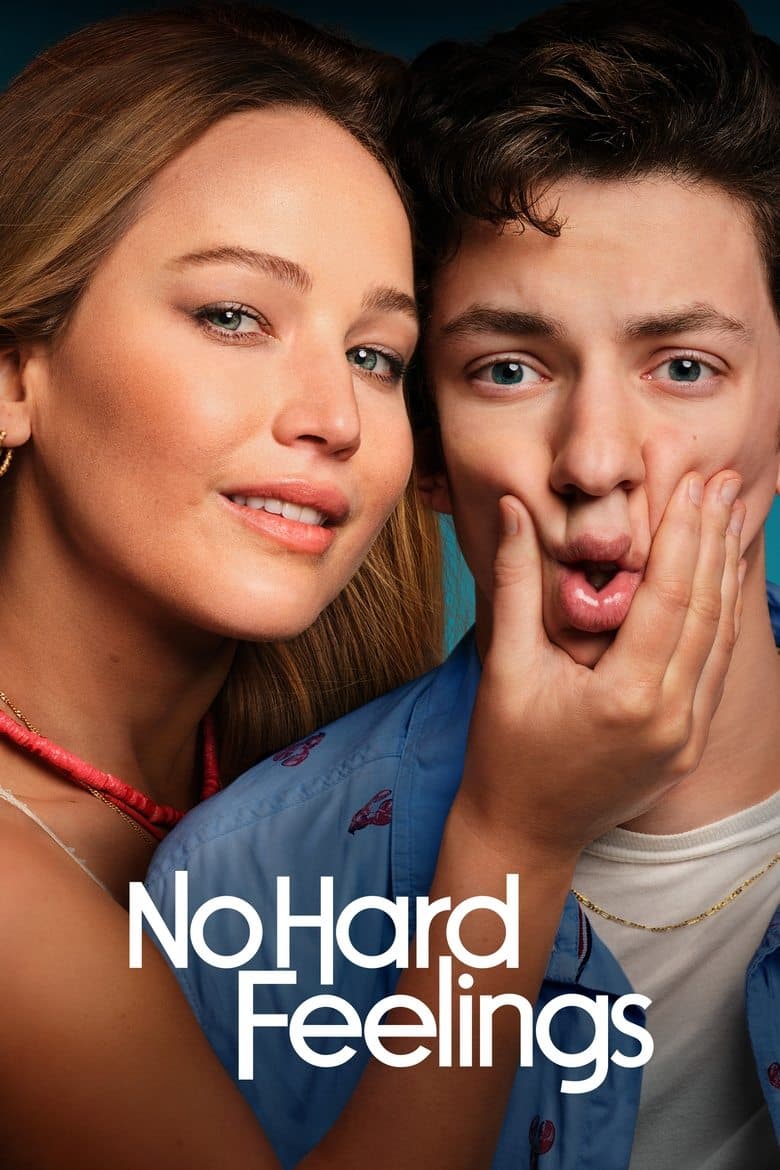
Movie · 2023
On the brink of losing her childhood home, Maddie discovers an intriguing job listing: wealthy helicopter parents looking for someone to “date” their introverted 19-year-old son…
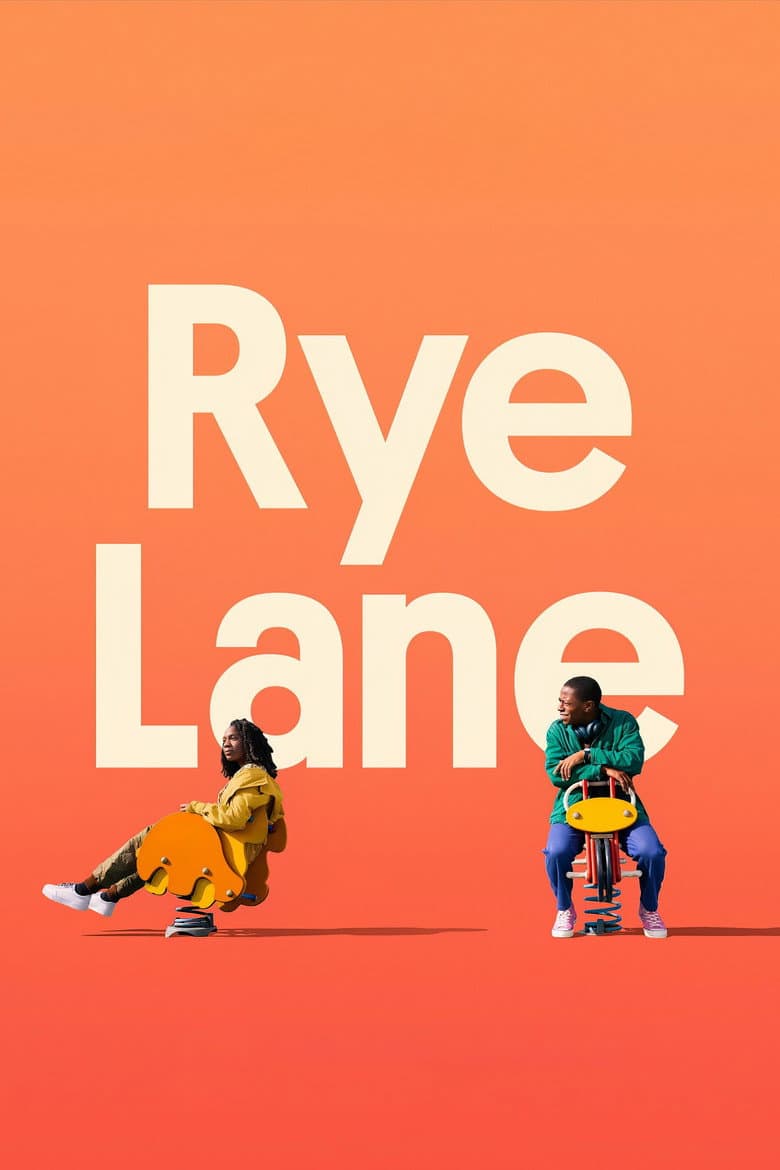
Movie · 2023
Two twenty-somethings, both reeling from bad break-ups, connect over the course of an eventful day in South London – helping each other deal with their nightmare exes, and…

Movie · 2024
Ana is an ambitious intern dreaming of a career in the art world while trying to impress her demanding boss Claire.

Movie · 2022
Students Hayley and James are young and in love. After saying goodbye for Christmas at a London train station, they both make the same mad split-second decision to swap trains and…

Movie · 2023
After a disastrous first date, wild-child Nicole and socially-anxious Max vow to lose each other’s numbers until they learn that their dogs found a love match, and now puppies are…

Movie · 2019
Standing on the precipice of adulthood, a group of friends navigate new relationships, while reexamining others, during their final summer before college.

Movie · 2023
College freshman Abby tries to distance herself from her dark past while resisting her attraction to bad boy Travis.
