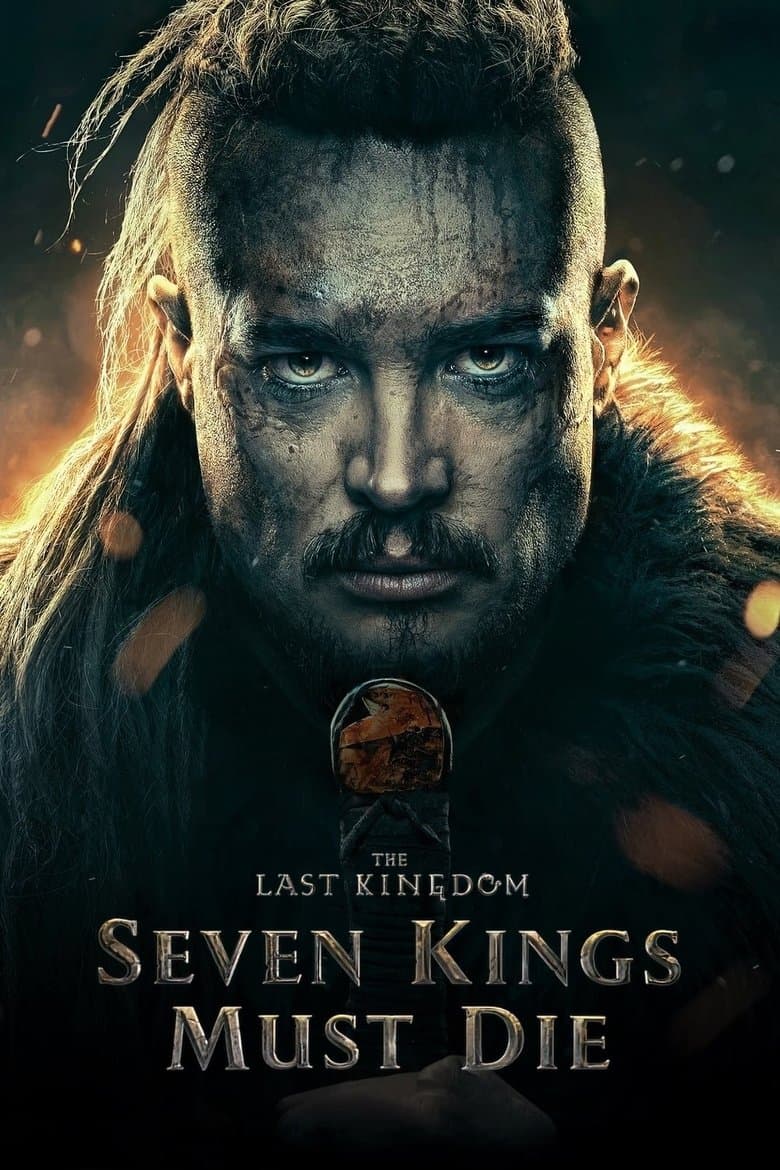
Uhtred of Bebbanburg is an old warrior who once helped build the Saxon kingdoms. After King Edward dies, England starts to break apart. Young Aethelstan fights for the throne while rival kings and Danes close in. Uhtred and his friends try to stop the chaos and finish the dream of one England. The tone is bloody, sad, and full of loyalty tests and big battle scenes.
The biggest modern identity beat is clear on screen: Aethelstan is in a secret romantic and sexual relationship with his adviser Ingilmundr. He feels deep shame as a Christian and tries to “make up for it” by forcing Christian rule, attacking other kings, and crushing pagan sites. That love story is used as a trap, because Ingilmundr is a spy who steers him into war. Viewers also see a same-sex kiss and implied sex. The main story is still war, oaths, and uniting England, but this queer plot line is hard to miss and drives much of Aethelstan’s darker turn. Side female fighters and spies show up in smaller roles. Cast diversity by race is not a big focus.
Community feedback
Was our 73% Woke rating accurate?
Breakdown
These are the editorial factors and ratings behind our score for The Last Kingdom: Seven Kings Must Die.
Woke representation / casting
Lead cast is mostly period-standard European faces. No clear race-swap or quota pattern in big roles. The main visible identity casting/story choice is a same-sex pair in power: young King Aethelstan and adviser Ingilmundr, with a kiss and implied sex. Secondary women (spy, fighter, queen) appear but are not a big “girlboss” takeover of the film.
28%
Woke political dialogue
Lines center on sin, shame, God, forced baptism, and “enemy of God” talk more than modern protest slogans. Sexuality is discussed through Christian guilt and court gossip, not long activist speeches. Still, the politics of the crown are openly tied to the king’s private life and desire for holy credit.
32%
Identity-driven story themes
The queer relationship is a major engine of the plot: secret lovers, shame, holy conquest as atonement, and a lover who is really a spy. A normal viewer notices it early and sees it shape Aethelstan’s cruelty and the war path. Uniting England and Uhtred’s last fight remain the main frame, so it is not only a queer movie, but the identity subplot is strong and front-facing.
70%
Western institutional / cultural critique
The film shows harsh Christian rule, forced baptism, and tearing down old pagan stones as dangerous zeal steered by a false adviser. That fits the show’s long pagan-vs-Christian fights more than a pure modern lecture, but it does paint holy power as easy to abuse when tied to guilt and control.
34%
Woke character or canon changes
Real King Aethelstan is shown as gay based on thin history (no known marriage). Cornwell already used that in the books; the series had not put it on screen before the movie makes it plain with romance and sex. That is an identity-led reading of a real figure and a late franchise reveal, not a race or gender swap of Uhtred or other core heroes.
42%
Anti-woke backlash and complaints
Steady complaints say Netflix ruined The Last Kingdom by making Aethelstan gay and adding gay sex/kissing. Posts call it forced, fake, or agenda-driven. The wave is real and repeated over years, though more social-media than huge newspaper scandal. Almost all of it targets the queer plot, not race casting.
52%
Creator track record context
Cached crew scores are low. Bazalgette and Hillier near zero activist profile; Cornwell mild classical left, not DEI-first. Producers sit in the teens to mid-20s. Title-linked comments stress history and story interest more than a long pattern of identity campaigns.
14%
Production
Movie · 2023
When three friends who live together realize that they don't like their life trajectory, they set off to find a gold treasure that is rumored to be buried in the nearby mountain.

Movie · 2023
After a heroic job of successfully landing his storm-damaged aircraft in a war zone, a fearless pilot finds himself between the agendas of multiple militias planning to take the…
Movie · 2022
Prince Amleth is on the verge of becoming a man when his father is brutally murdered by his uncle, who kidnaps the boy's mother.
Movie · 2021
Determined to ensure Superman's ultimate sacrifice was not in vain, Bruce Wayne aligns forces with Diana Prince with plans to recruit a team of metahumans to protect the world…
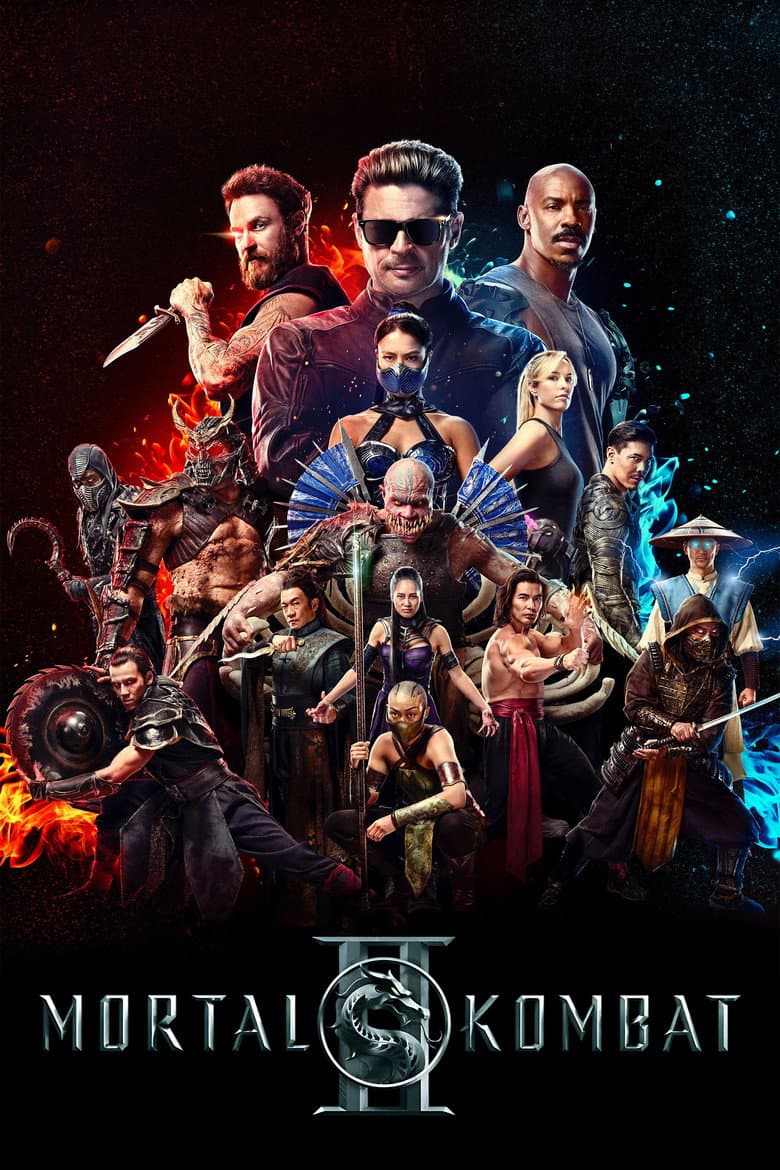
Movie · 2026
The fan favorite champions—now joined by Johnny Cage himself—are pitted against one another in the ultimate, no-holds barred, gory battle to defeat the dark rule of Shao Kahn that…
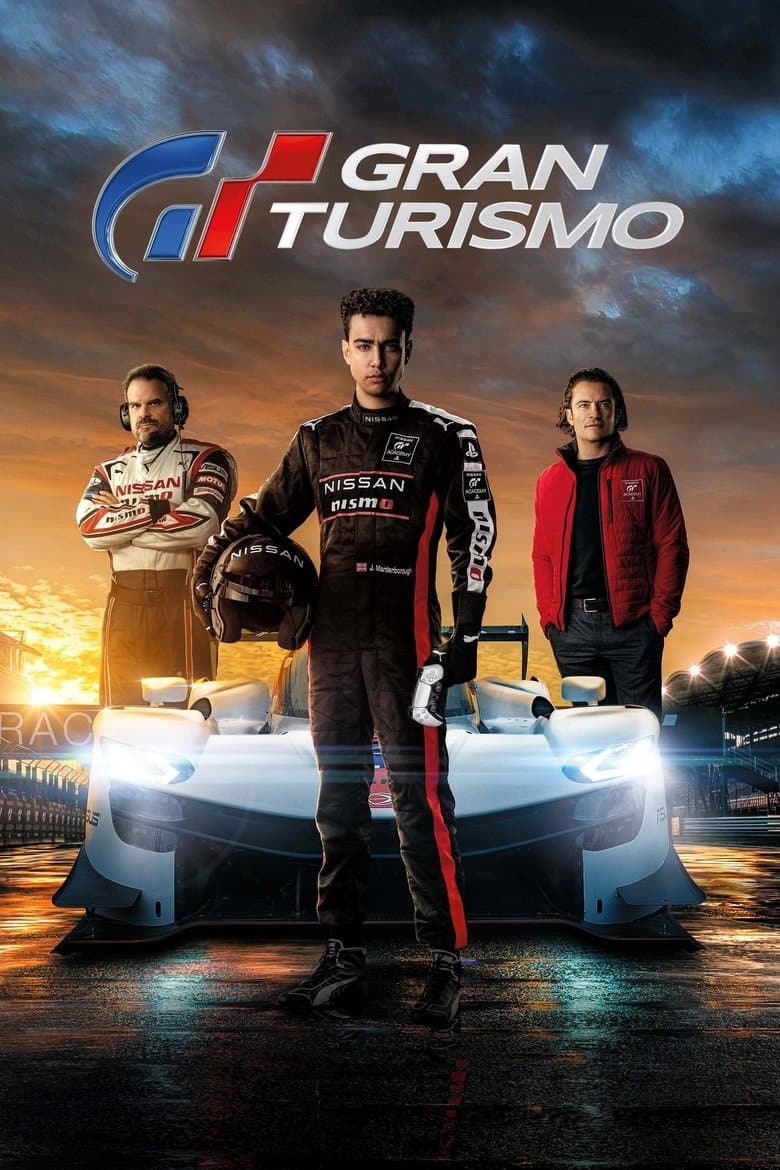
Movie · 2023
The ultimate wish-fulfillment tale of a teenage Gran Turismo player whose gaming skills won him a series of Nissan competitions to become an actual professional racecar driver.
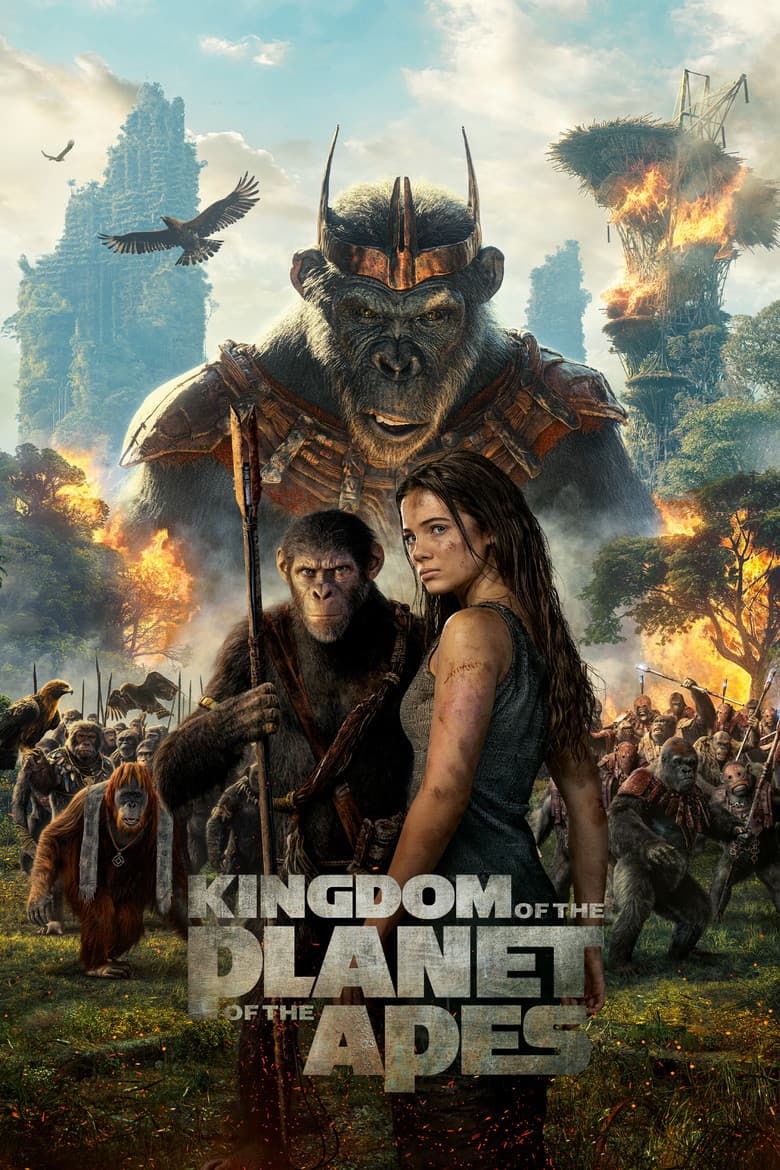
Movie · 2024
Several generations following Caesar's reign, apes – now the dominant species – live harmoniously while humans have been reduced to living in the shadows.
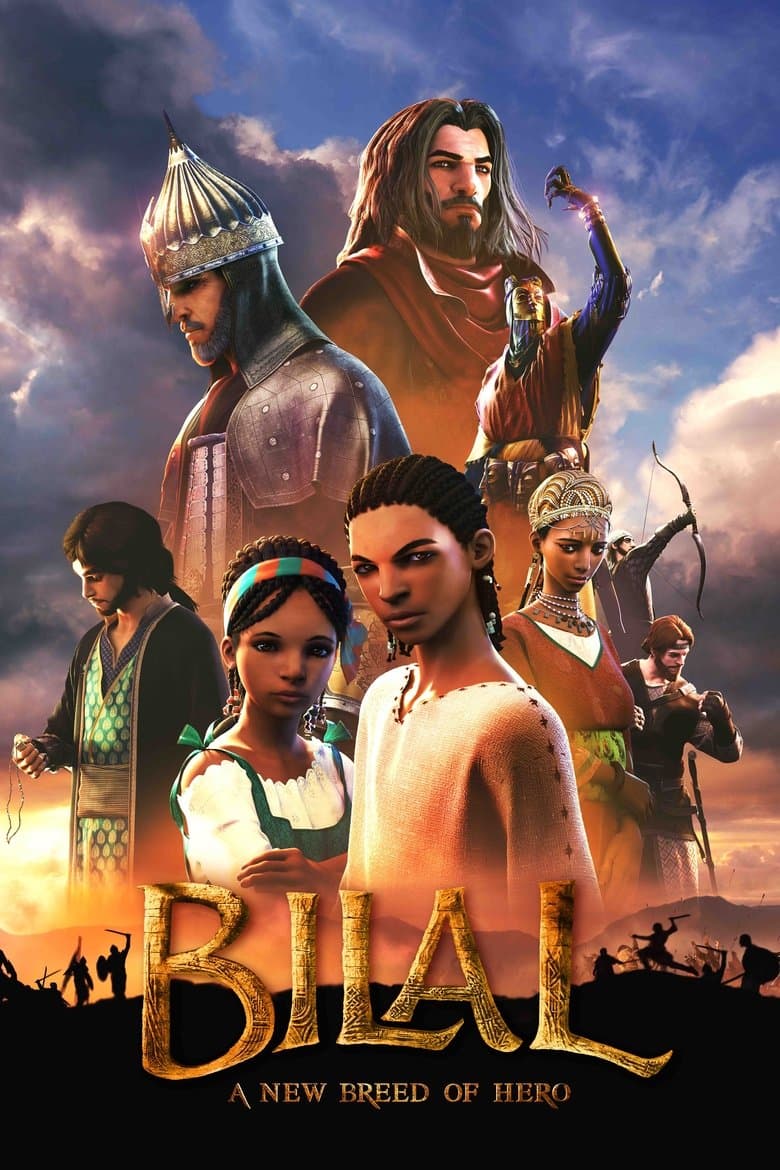
Movie · 2016
A thousand years ago, one boy with a dream of becoming a great warrior is abducted with his sister and taken to a land far away from home.
