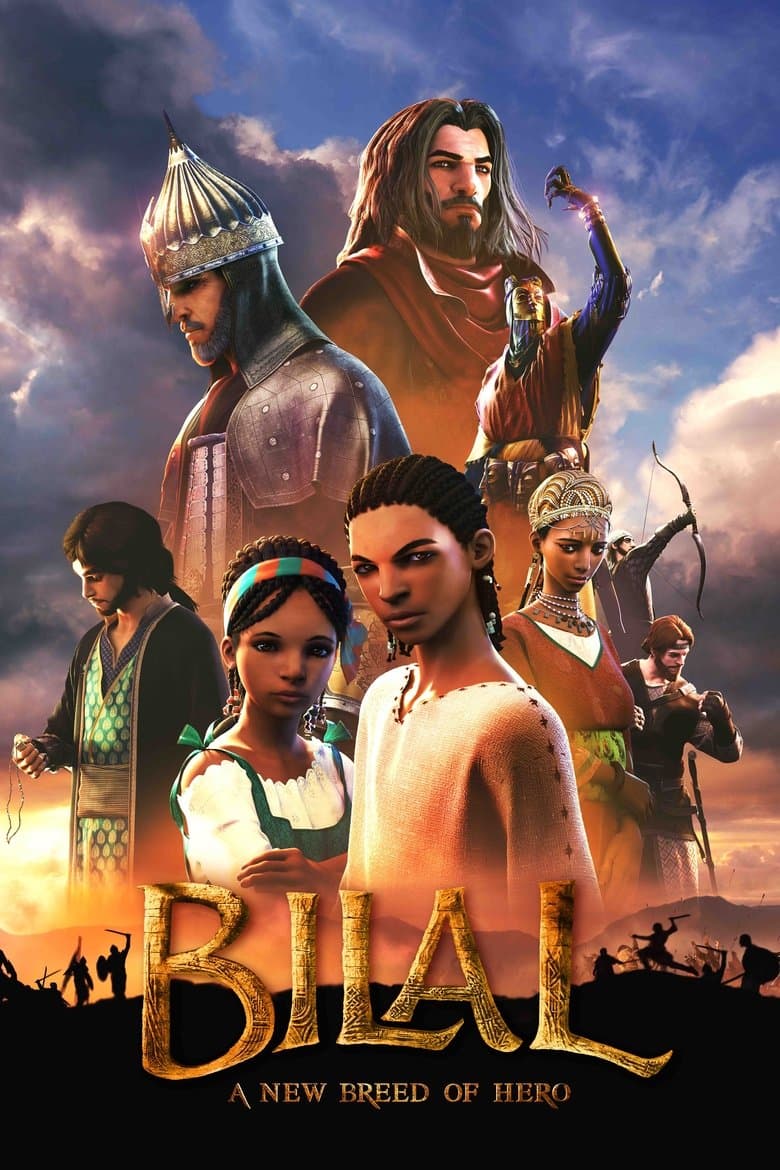
Movie review
September 8, 2016 · 109 min · PG-13 · Animation · Action · Adventure
Bilal: A New Breed of Hero is a UAE-made English 3D animated movie about Bilal ibn Rabah. He is an Abyssinian boy enslaved in seventh-century Mecca. He turns to belief in one God and to moral equality. He endures torture, wins freedom, becomes a warrior, and rises as a voice of the early Islamic movement. The story stresses courage, freedom from greed and idol worship, and equality before one God. Islam and Muhammad are left unnamed so a wide audience can follow the tale.
Viewers hear clear lines on equality before one God, freedom from chains, and greed as a master even of the powerful. The main arc is slavery, faith, and freedom, with monotheism set against idols and merchant greed. Equality and dignity for the enslaved sit at the center of the morals. Some people may map that onto race and justice themes because the hero is a black African man and the marketing sells a universal equality story. The equality packaging is light and nameable, not a modern identity-politics program or an attack on Western institutions.
Community feedback
Was our 21% Woke rating accurate?
Breakdown
These are the editorial factors and ratings behind our score for Bilal: A New Breed of Hero.
Woke representation / casting
Not present. Casting matches the historical figure and setting. Bilal was Abyssinian, and the Black voice leads fit that history rather than quota-style or world-mismatched casting. There are no gender-swapped leads or an engineered “one of each” ensemble beyond the story’s Meccan and Arabian world.
0%
Woke political dialogue
Characters speak clearly about equality before one God, freedom from chains, and greed as a master even of the powerful. They also talk about being judged by actions. That talk comes from monotheistic and anti-slavery ethics made broad for global viewers. It is not modern identity-politics slogans, but equality and anti-oppression language is still easy to hear and name.
18%
Identity-driven story themes
The core path is historical slavery, then faith, then freedom, with monotheism set against idols and merchant greed. Equality and dignity for the enslaved are central morals. Some modern viewers may map this onto race and justice framing because the hero is a black African man and marketing sells a universal equality story. Period anti-slavery and resistance to tyranny are not woke by themselves, so the score reflects light-to-noticeable equality packaging rather than a full systemic identity ideology.
25%
Western institutional / cultural critique
Not present. The film targets pre-Islamic Meccan idolatry, slavery, and greedy merchants in seventh-century Arabia. It does not attack Western institutions, Christianity, traditional Western gender norms, or contemporary conservative culture.
0%
Woke character or canon changes
Not relevant. Bilal remains the Abyssinian slave-turned-companion and first muezzin of tradition. Calling the faith story “The Movement” and leaving Muhammad and Islam unnamed are ordinary commercial adaptation choices, not DEI race or gender rewrites of the historical figure.
0%
Anti-woke backlash and complaints
Not present. There was no meaningful anti-woke campaign treating the film as DEI, race-swap, or identity propaganda. Debate that exists is mostly about quality and animation, or Muslim concern that the story is too secular. That sits outside this factor’s scope.
0%
Creator track record context
Cached creator scores show Kronemer and Wolfe leaning interfaith and positive Islam media, with Bacardi mild on gender and environment advocacy. Directors and most producers sit low to mild. The overall slate is mild intercultural and representation-adjacent rather than a hard activist pattern. That fits a universalized Muslim-history hero film more than modern DEI cinema.
22%
Production
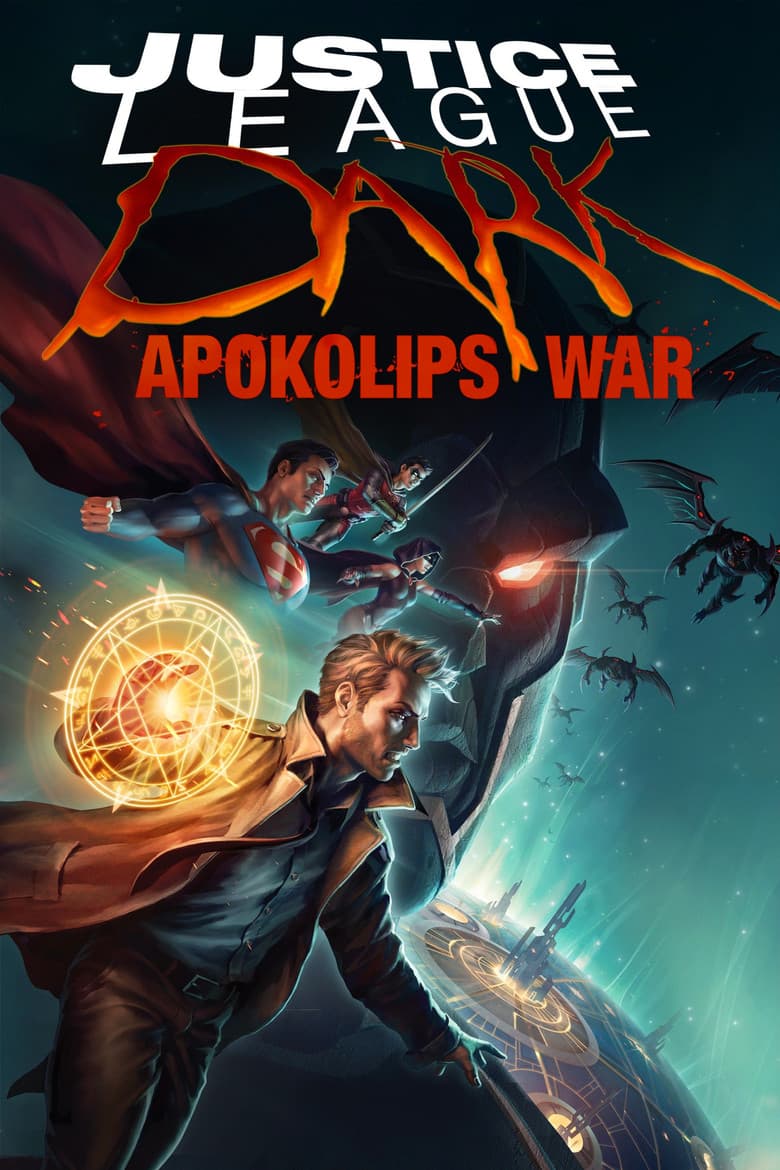
Movie · 2020
Earth is decimated after intergalactic tyrant Darkseid has devastated the Justice League in a poorly executed war by the DC Super Heroes.
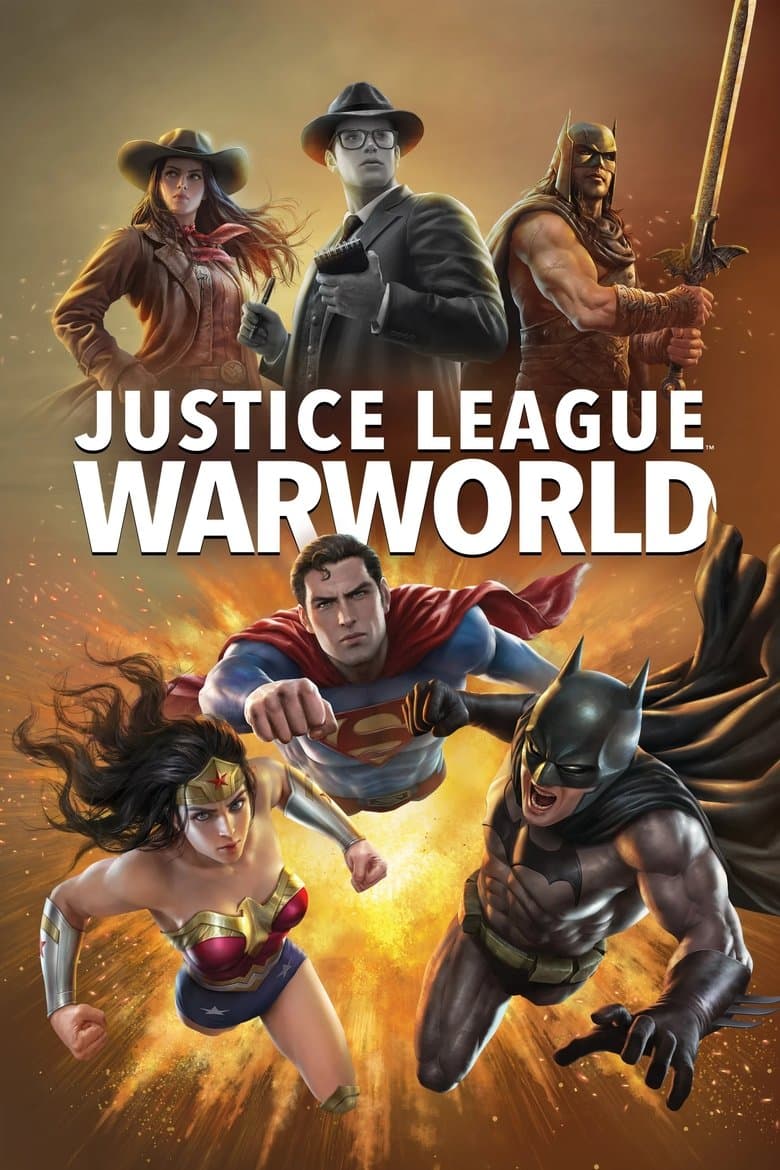
Movie · 2023
Until now, the Justice League has been a loose association of superpowered individuals. But when they are swept away to Warworld, a place of unending brutal gladiatorial combat…
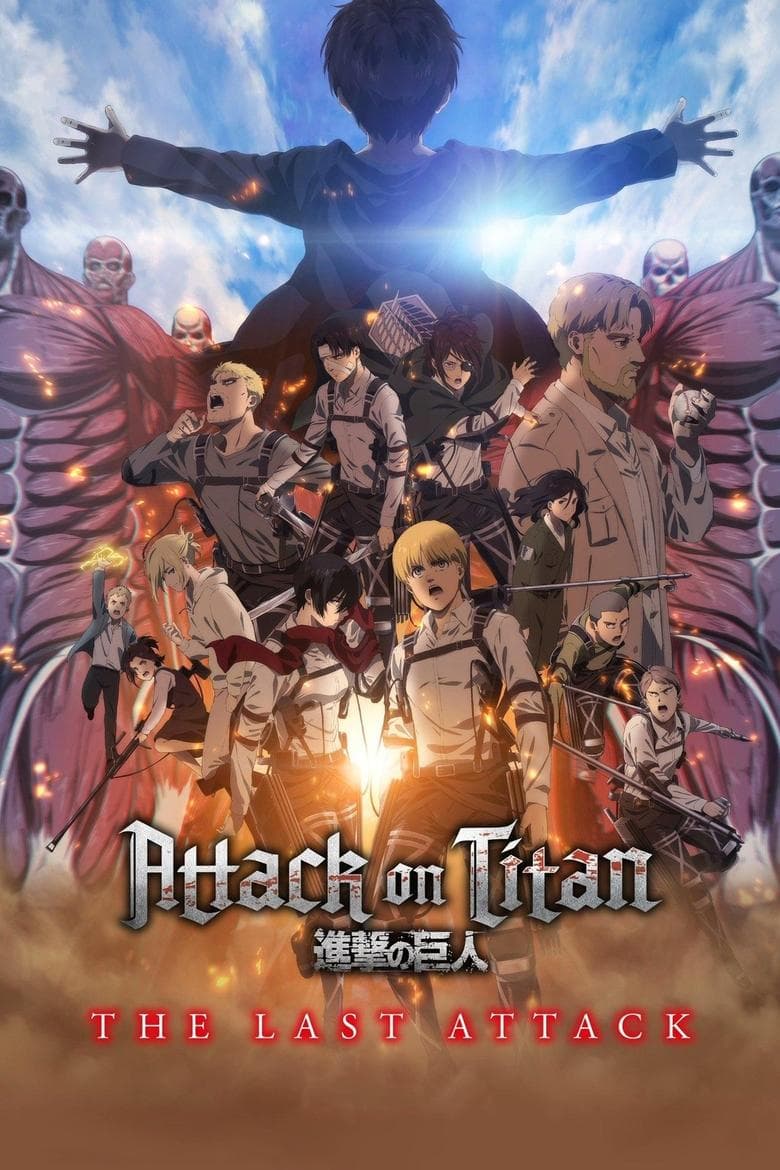
Movie · 2024
A colossal-sized omnibus film bringing together the last two episodes of Attack on Titan in the franchise's first-ever theatrical experience.

Movie · 2022
A new adventure begins for Luffy and his crew when mysterious pop superstar Uta unveils her identity — and launches a misguided plan for world peace.
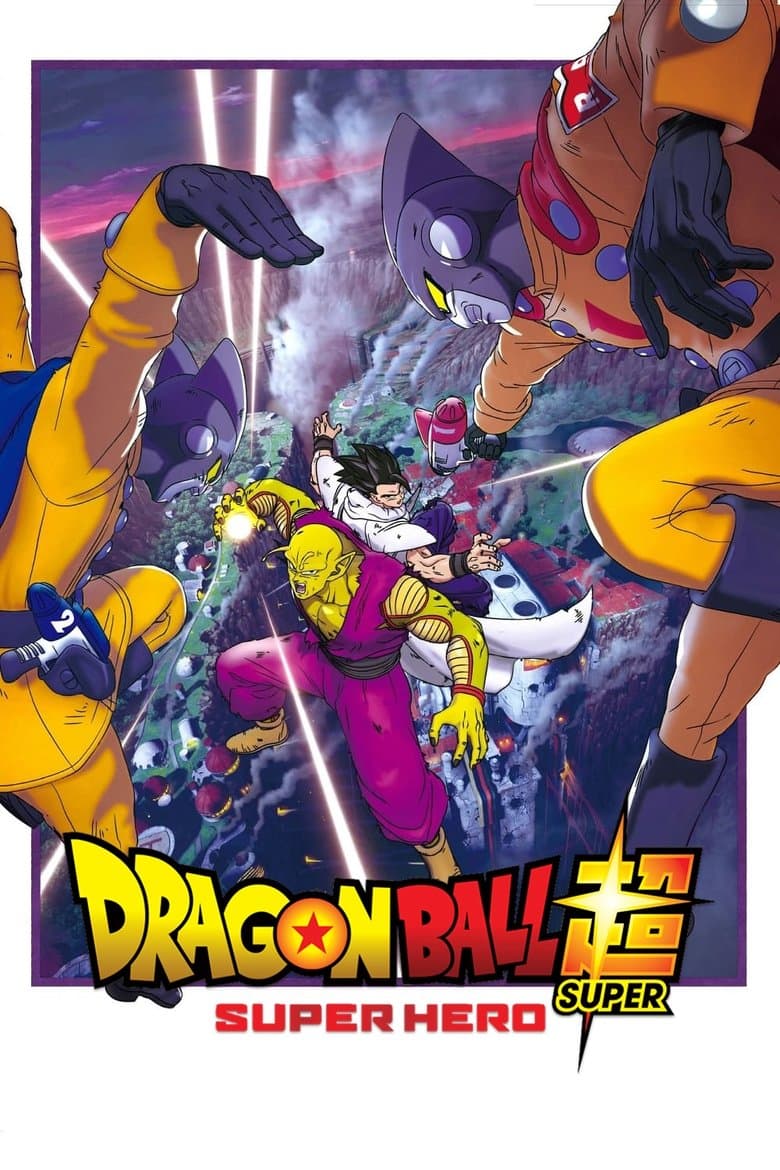
Movie · 2022
The Red Ribbon Army, an evil organization that was once destroyed by Goku in the past, has been reformed by a group of people who have created new and mightier Androids, Gamma 1…
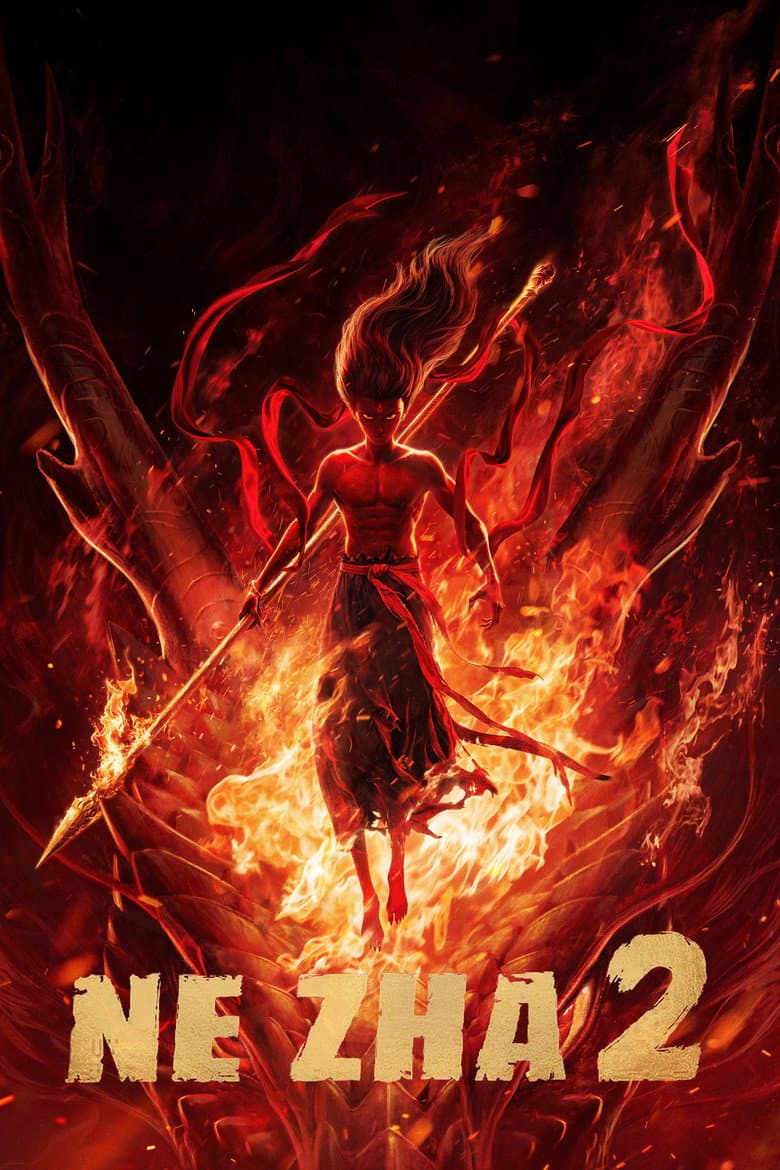
Movie · 2025
After a catastrophic event leaves their bodies destroyed, Ne Zha and Ao Bing are granted a fragile second chance at life.
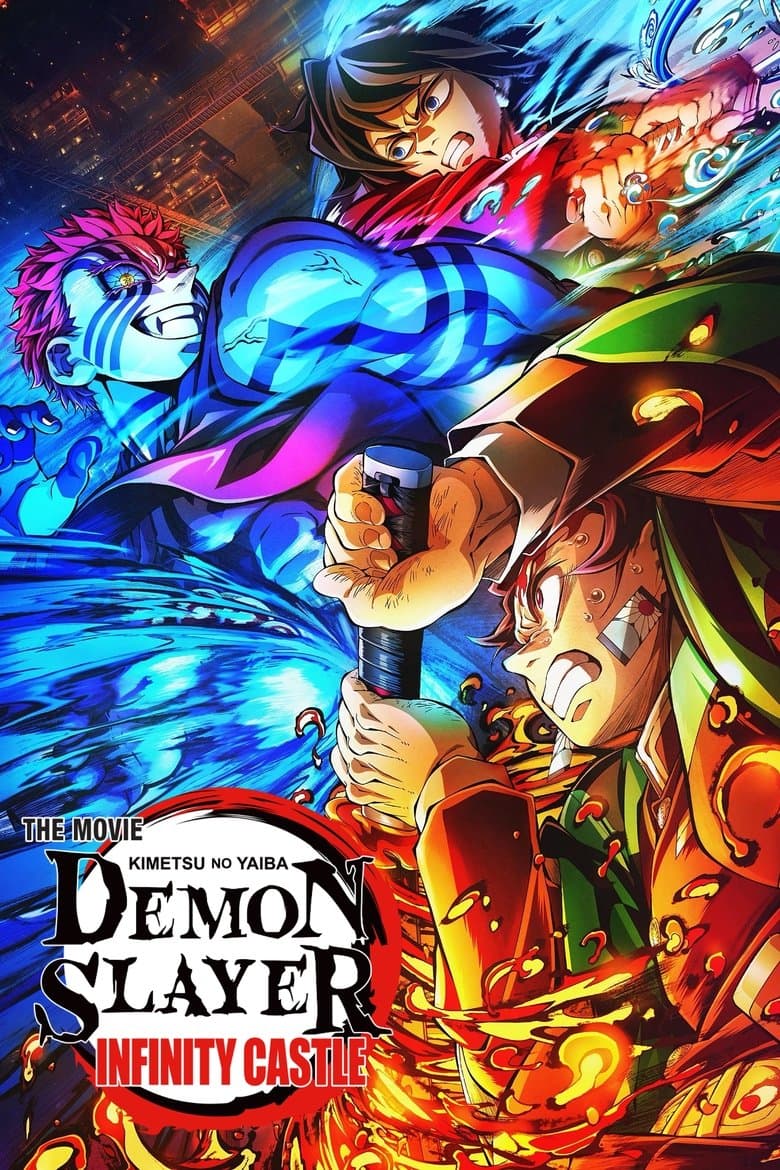
Movie · 2025
The Demon Slayer Corps are drawn into the Infinity Castle, where Tanjiro, Nezuko, and the Hashira face terrifying Upper Rank demons in a desperate fight as the final battle…
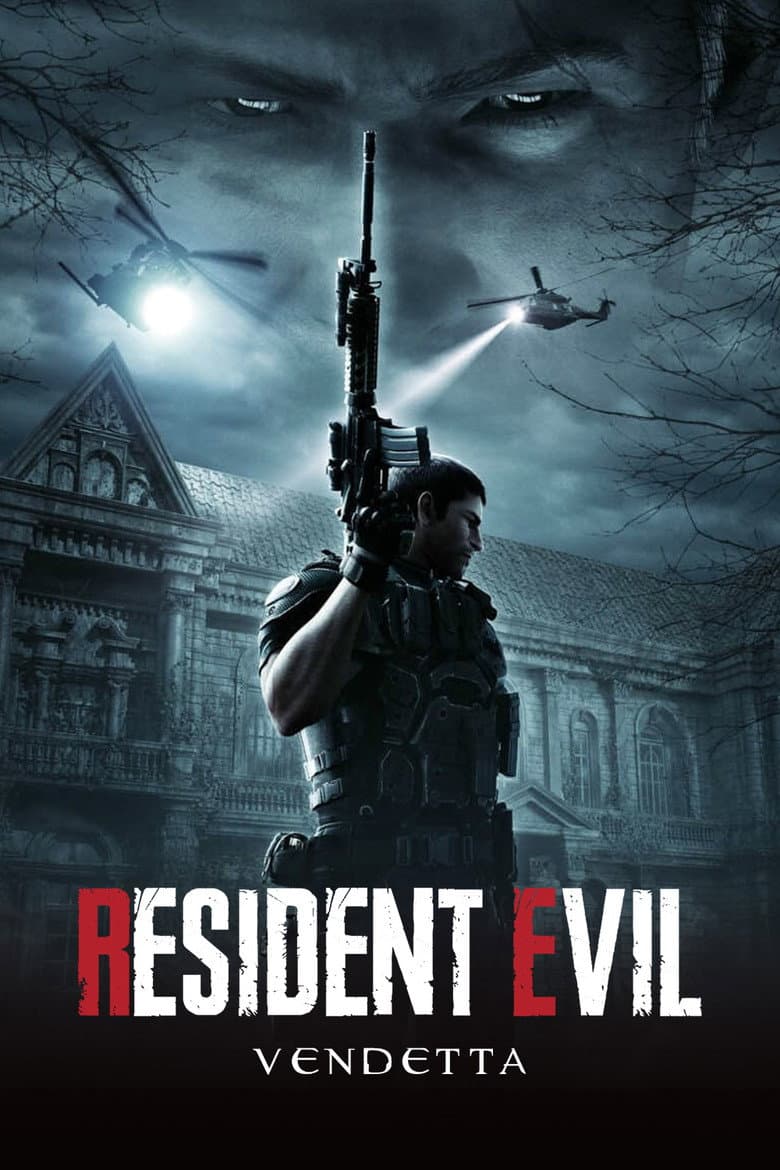
Movie · 2017
When a fearless enemy out for revenge unleashes a brutal and deadly new virus, BSAA captain Chris Redfield enlists the help of Agent Leon S.
