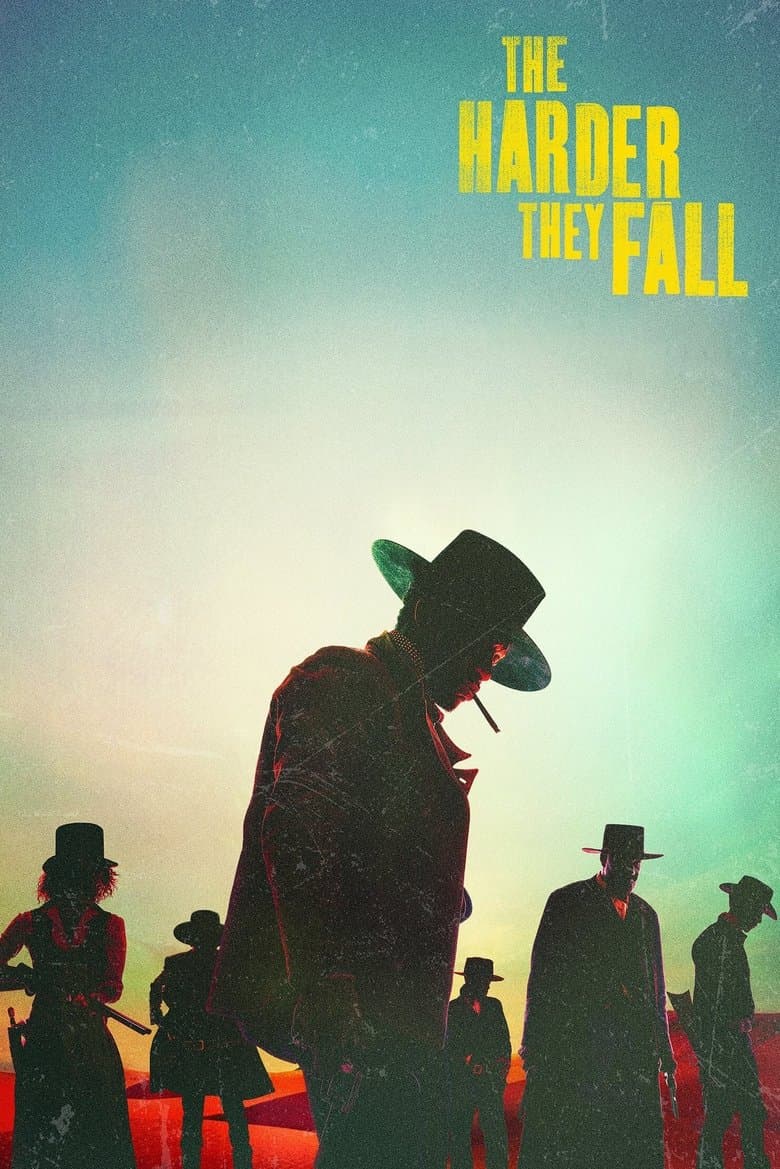
Nat Love is a black outlaw in the late 1800s American West. As a boy, he watched Rufus Buck kill his parents and cut a cross into his forehead. Years later, Nat gathers his gang and his old flame Stagecoach Mary to get revenge when Buck leaves prison. The movie is a loud, stylish action Western full of shootouts, train raids, and big star swagger.
A normal viewer will notice right away that almost everyone on screen is black, and the movie is built to put black cowboys front and center. Names match real people from history, but the plot is made up. Tough women like Mary, Trudy, and Cuffee fight and lead. Cuffee dresses and acts in a masculine way and shares a goodbye kiss with Mary, so queer identity shows up too. Race is not a long speech plot, but one bank-robbery town is painted all white on purpose so white people look like outsiders. Marketing and the director talk a lot about fixing old Westerns that left black people out. That mix of cast, history claim, strong women, and queer notes is easy to see.
Community feedback
Was our 87% Woke rating accurate?
Breakdown
These are the editorial factors and ratings behind our score for The Harder They Fall.
Woke representation / casting
All-star almost all-black cast is the film’s big sell. Strong women in major fighting and leading roles. Cuffee’s masculine presentation and queer-coded bond with Mary add clear identity casting. Viewers cannot miss the representation-first design, even though black cowboys are real history.
82%
Woke political dialogue
Not full of long activist speeches. Race does show in lines about a “white town,” money, and black outlaws. The all-white Maysville robbery plays race for style and irony more than a lecture. Easy to notice in spots, not constant talk.
40%
Identity-driven story themes
Main plot is revenge between outlaw gangs. Identity still shapes the whole frame: black West reclaiming, powerful women, and queer Cuffee/Mary notes. Slavery is not the engine of the story, but the “we were here too” idea and gender/queer beats are audience-visible.
62%
Western institutional / cultural critique
Story pokes at classic white-male Westerns and puts white townsfolk as strange “other” in the white-painted bank town. Strong women push against old “weak damsel” Western habits. Not a full attack on churches, capitalism, or modern parties.
50%
Woke character or canon changes
Real names, fake lives and meetings. Not classic race-swaps of white heroes. Cuffee’s clearer queer / gender-nonconforming framing of Cathay Williams is the clearest identity-style rewrite. Score stays moderate, not zero.
30%
Anti-woke backlash and complaints
Some right-leaning and online “woke / DEI / blackwashing” gripes and a National Review hit piece. No huge lasting boycott story. Bigger fights were colorism and Indigenous erasure, which do not count here.
28%
Creator track record context
Blends Samuel’s representation-first Western pattern (48), Jay-Z’s race-justice profile (62), Yakin (40), casting lead Thomas (44), and lower-scoring producers and craft crew. Fits a mid-range activist/representation context for this title.
50%
Production
Movie · 2023
After dominating the boxing world, Adonis Creed has thrived in his career and family life. When a childhood friend and former boxing prodigy, Damian Anderson, resurfaces after…
Movie · 2019
Vietnam War, 1966. Australia and New Zealand send troops to support the United States and South Vietnamese in their fight against the communist North.
Movie · 2025
In the late 1990s, up-and-coming mixed martial artist Mark Kerr aspires to become the greatest fighter in the world.
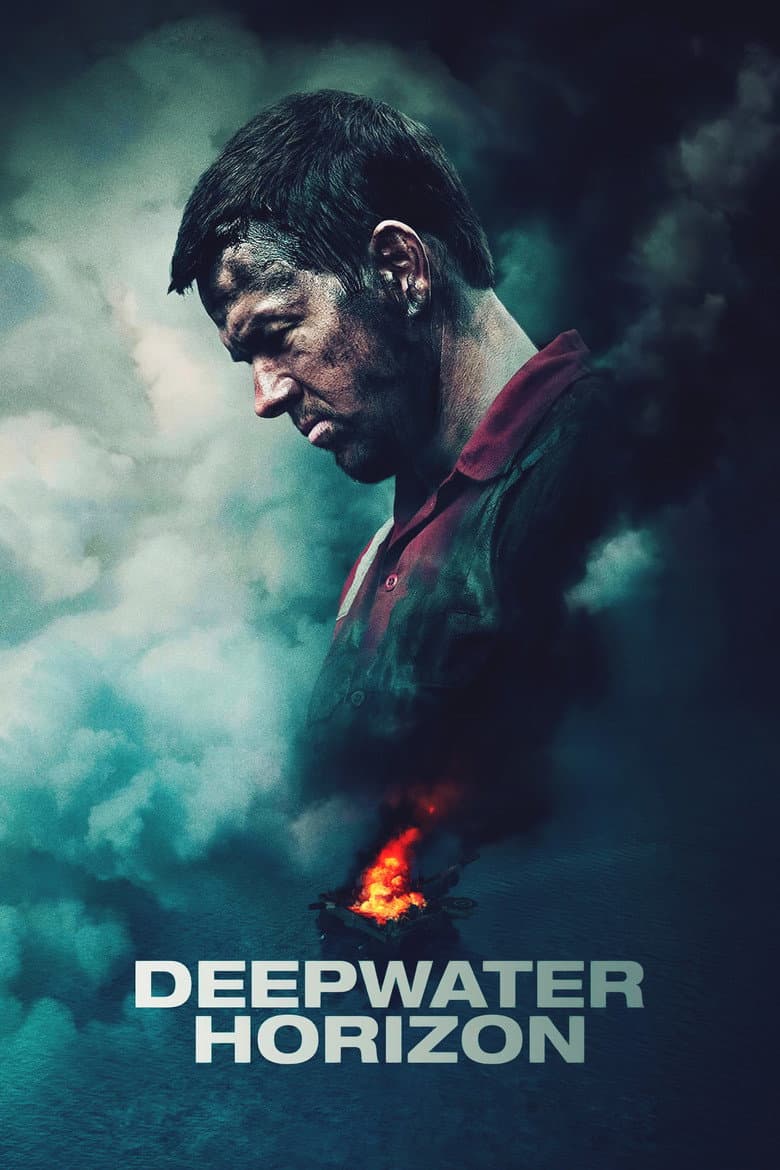
Movie · 2016
A story set on the offshore drilling rig Deepwater Horizon, which exploded during April 2010 and created the worst oil spill in U.S. history.
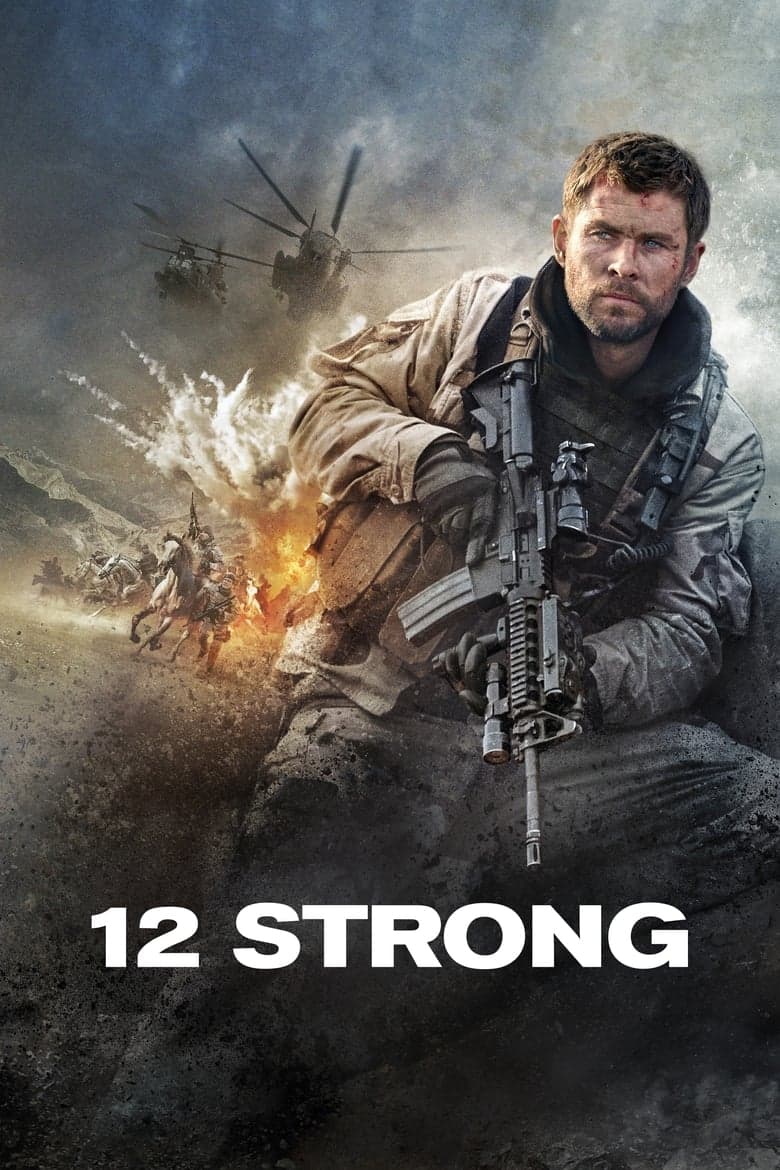
Movie · 2018
A team of special forces head into Afghanistan in the aftermath of the September 11th attacks in an attempt to dismantle the Taliban.
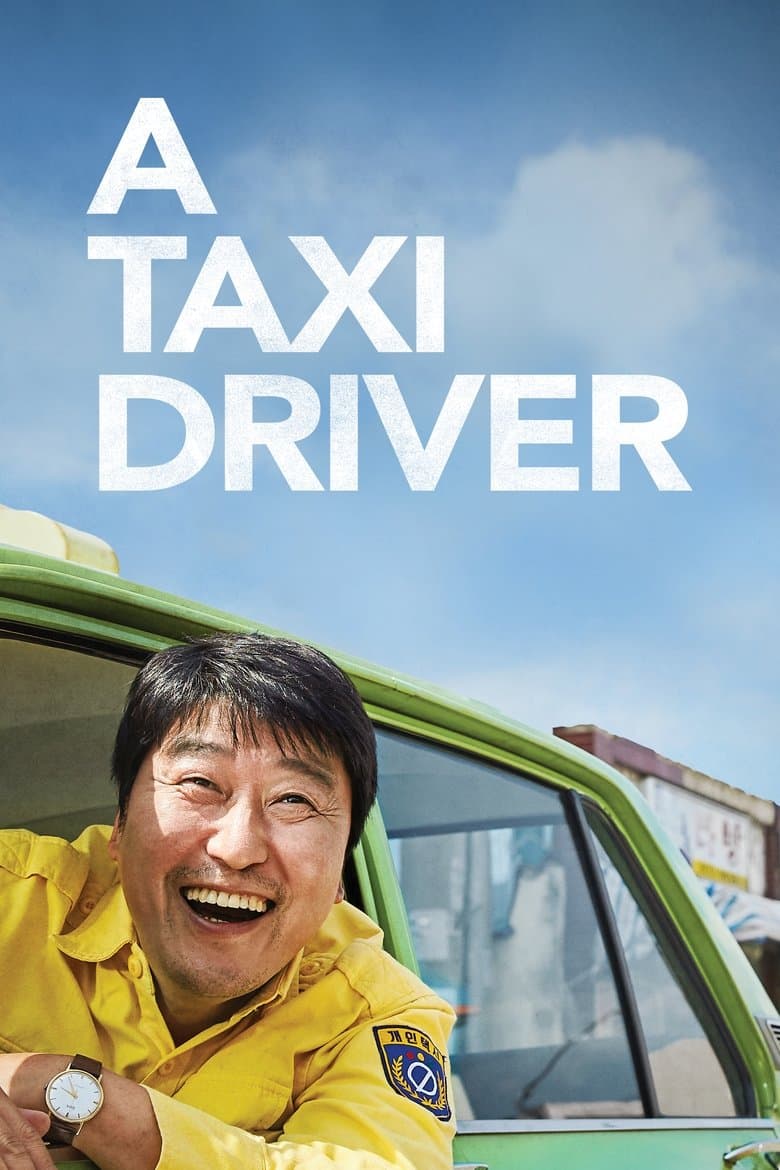
Movie · 2017
May, 1980. Man-seob is a taxi driver in Seoul who lives from hand to mouth, raising his young daughter alone.
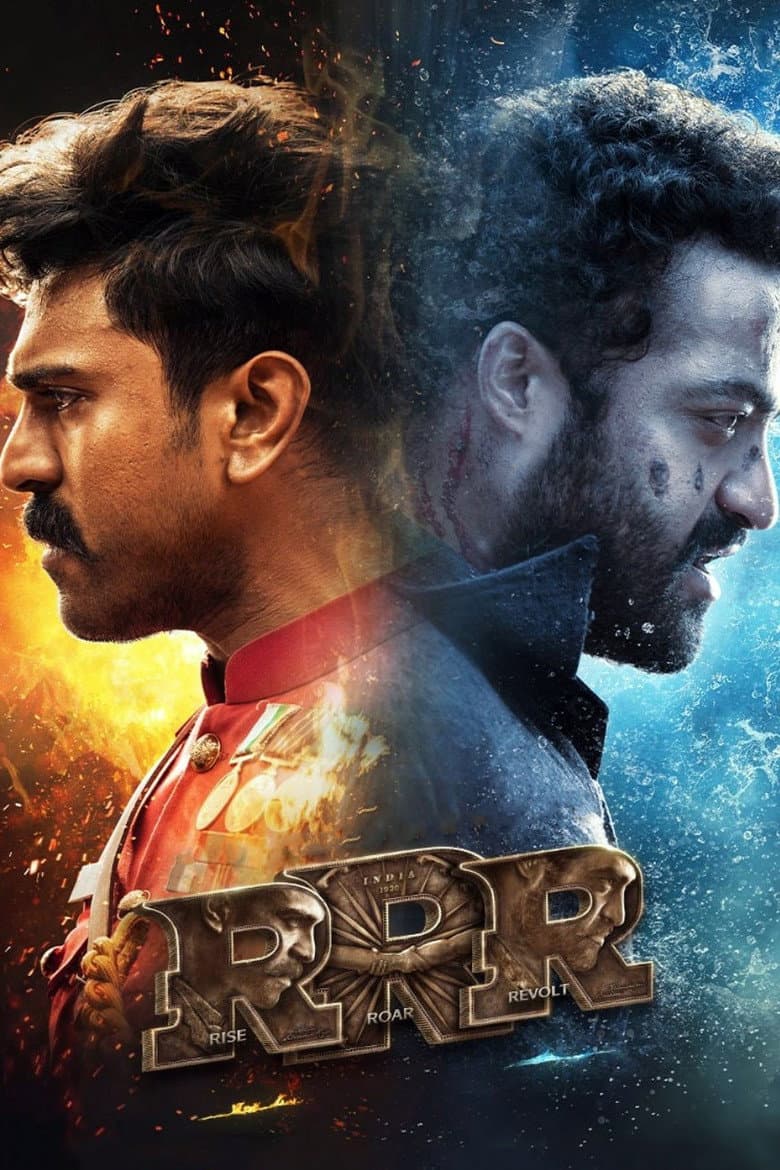
Movie · 2022
A fictional history of two legendary revolutionaries' journey away from home before they began fighting for their country in the 1920s.
Movie · 2021
Haunted by his mysterious past, a devoted high school football coach leads a scrawny team of orphans to the state championship during the Great Depression and inspires a broken…
