
Amy Loughren is a hard-working night nurse and single mom in New Jersey in 2003. She has a serious heart problem and keeps working so she can get health insurance. A new nurse, Charlie Cullen, becomes her friend and helps her at work and at home. After patients die in strange ways, Amy starts to fear Charlie is killing them, and she risks her job and her life to stop him. The mood is quiet, tense, and true-crime serious, not flashy.
The movie is mainly about trust, friendship, and a hospital system that protects itself instead of patients. Viewers clearly see hospitals hide bad news, move problem staff around, and put money and lawsuits first. Amy’s story as a sick single mom without good insurance sits at the center of that. The main fight is not race, gender lectures, or identity politics. It is a real serial-killer case told through one nurse’s courage and a broken care system. Creators also said out loud that the system was a second villain and that U.S. care still puts profit ahead of people.
Community feedback
Was our 25% Woke rating accurate?
Breakdown
These are the editorial factors and ratings behind our score for The Good Nurse.
Woke representation / casting
Leads match the real white nurse and killer. Supporting black actors (notably detective Baldwin and a police chief) appear in modern New Jersey roles without the plot or marketing treating identity as the point. Diversity is visible but background, not a quota-style main-cast push or race-swap of the core true-story heroes.
18%
Woke political dialogue
Talk is about hospital lies, risk managers, insurance waits, and staff who look away. That is system and money talk, not identity, race, gender, or queer activist lines. Viewers hear political edge, but it is care-system and liability talk, not woke slogan dialogue.
5%
Identity-driven story themes
Core themes are serial murder, friendship, fear, and a nurse who speaks up. Amy is a strong single mom because that is the real case, not a modern identity arc. Director praise for her as a human hero is light “strong woman” framing, not a race, gender, or LGBTQ identity crusade.
12%
Western institutional / cultural critique
The film and its makers clearly blame a profit-first hospital system that hid deaths and shuffled a killer from job to job. Amy’s lack of insurance and the cover-up plot make that hard to miss. It is progressive system critique of U.S. healthcare, not a focus on patriarchy, whiteness, colonial guilt, or traditional family as the enemy.
28%
Woke character or canon changes
Not relevant. Changes from the book (time cuts, some home-life beats, medical details) are normal drama choices, not identity-driven rewrites of real people or history.
0%
Anti-woke backlash and complaints
No meaningful right-leaning or anti-woke campaign treated this title as DEI, race-swap, or identity propaganda. Debate stayed on true crime and hospital failure.
0%
Creator track record context
Key names sit mostly low-to-mild on cached woke scores (Lindholm 23, Wilson-Cairns 14, Graeber 0; several producers near 0–15). Aronofsky is higher (44) with progressive eco and activist history, but that track record does not reshape this film into identity-first content.
20%
Production
Movie · 2018
Young and disenchanted Sam meets a mysterious and beautiful woman who's swimming in his building's pool one night.
Movie · 2023
Following the brutal murder of a young real estate agent, a hardened detective attempts to uncover the truth in a case where nothing is as it seems, and by doing so dismantles the…
Movie · 2024
Roy Freeman, an ex-homicide detective with a fractured memory, is forced to revisit a case he can't remember.
Movie · 2018
A former American G.I. joins a yakuza family after his release from prison in post-World War II Osaka.
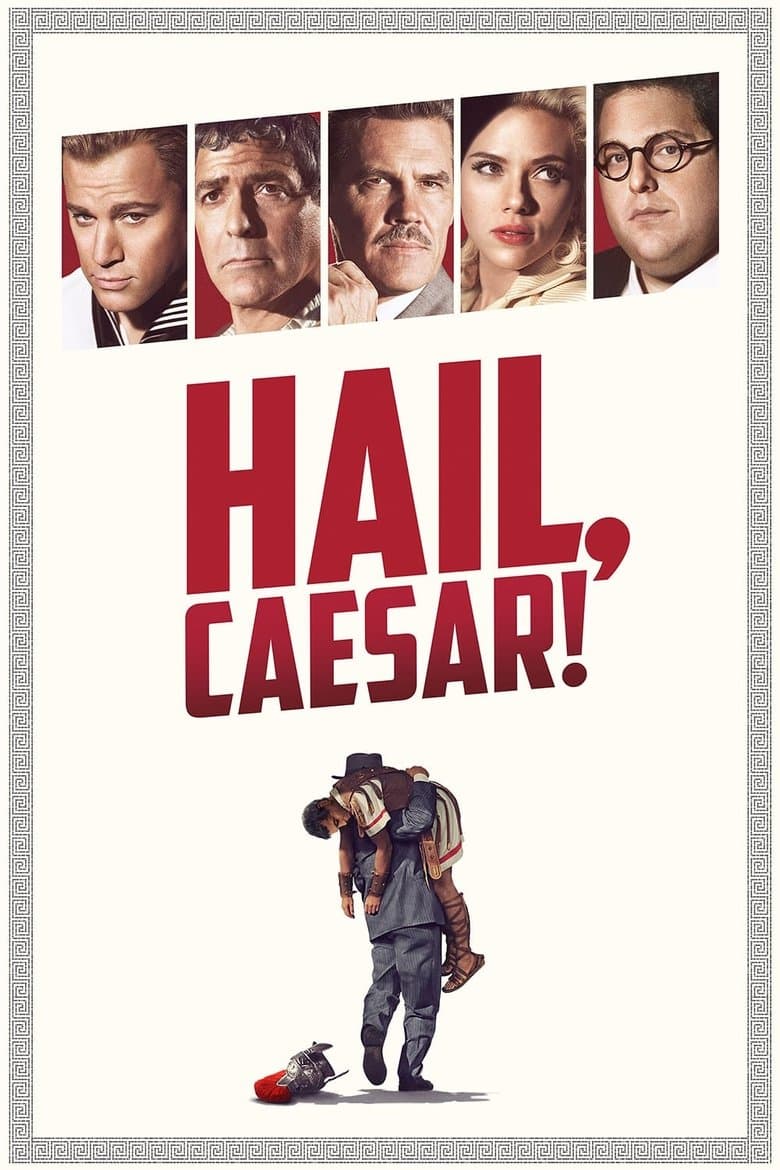
Movie · 2016
When a Hollywood star mysteriously disappears in the middle of filming, the studio sends their fixer to get him back.
Movie · 2017
Shot in reverse day-by-day through a week—a local sheriff embarks on a quest to unlock the mystery of three small-town criminals and a bank heist gone wrong.
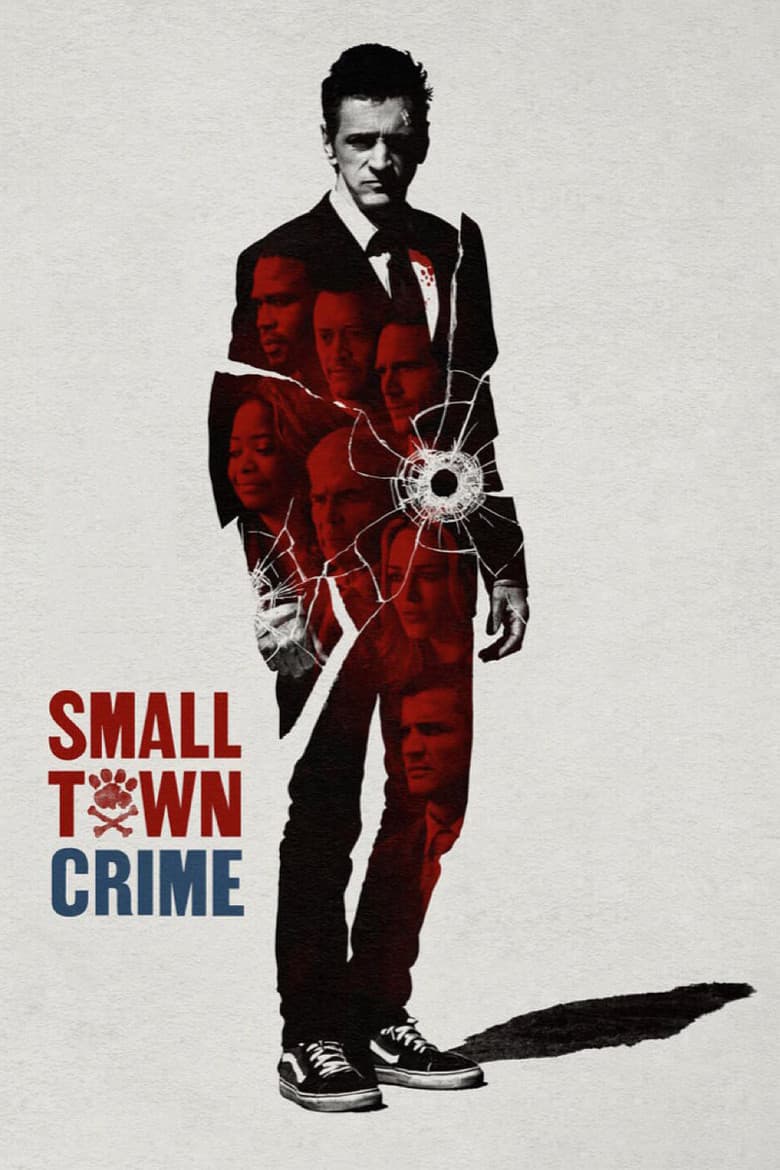
Movie · 2018
Mike Kendall, a disgraced ex-cop, is fighting a losing battle with the bottle. When he finds a woman left for dead at the side of a road, Kendall turns private eye to track down…
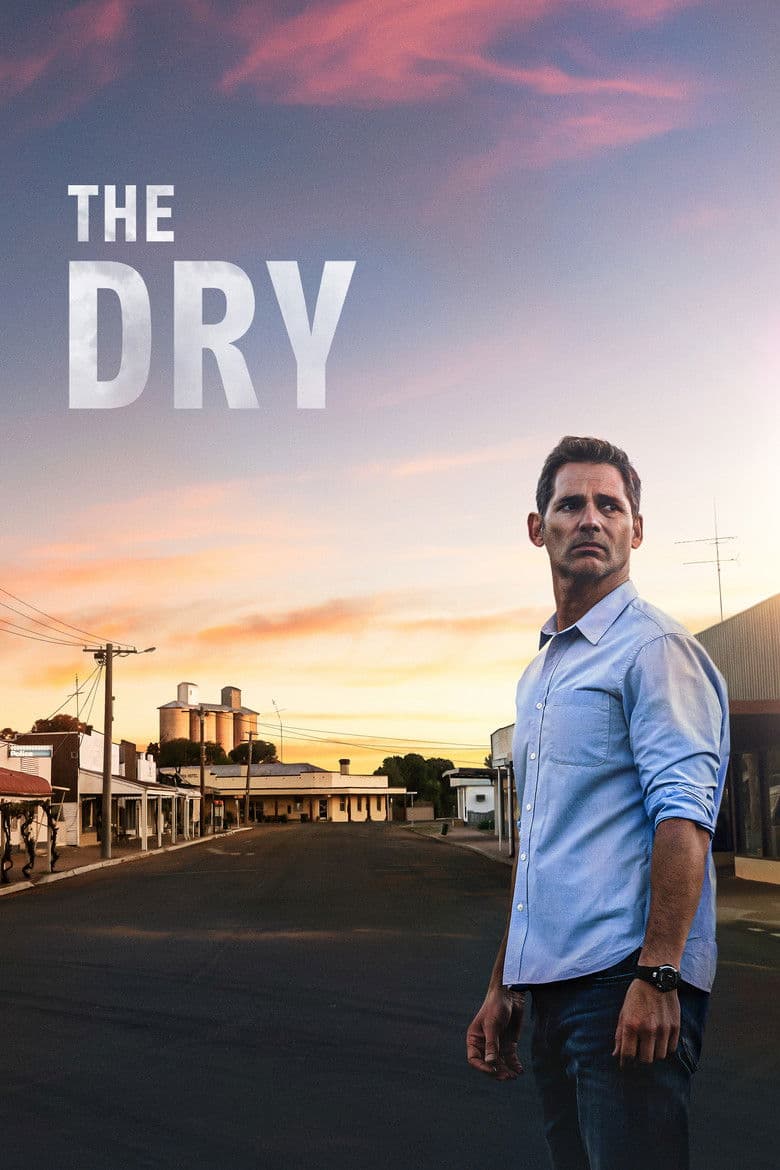
Movie · 2021
Aaron Falk returns to his drought-stricken hometown to attend a tragic funeral. But his return opens a decades-old wound - the unsolved death of a teenage girl.
