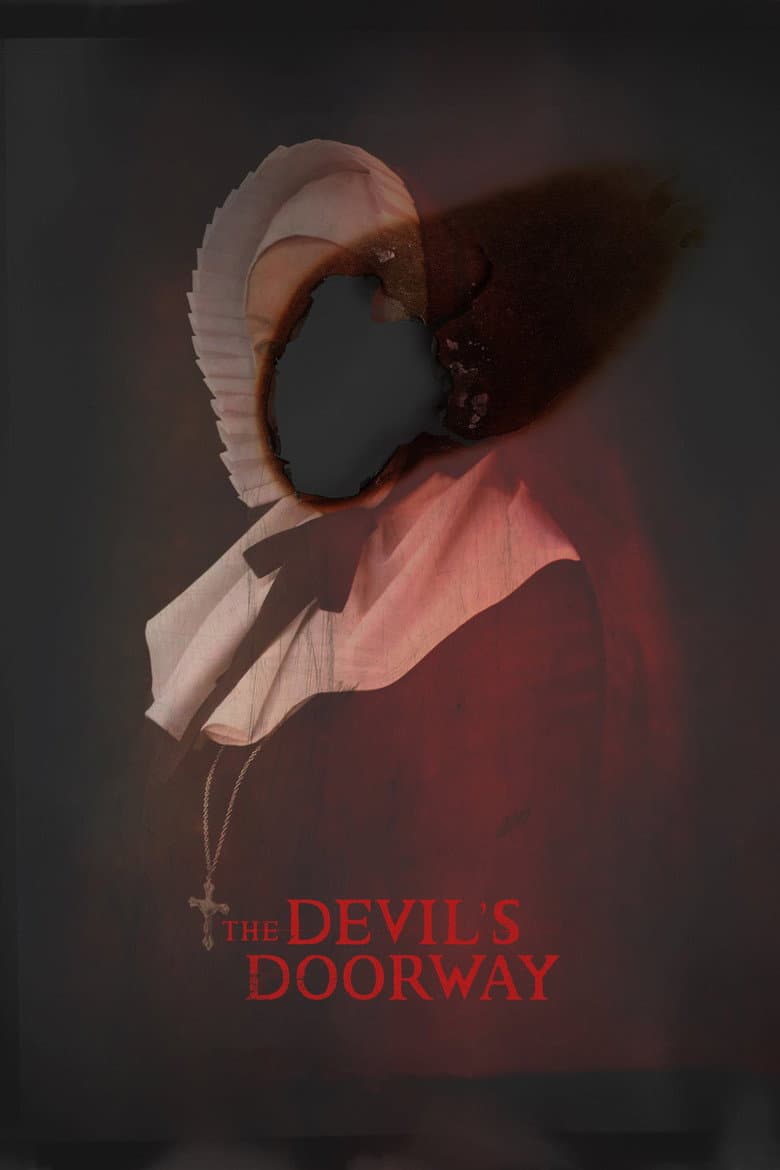
In the autumn of 1960, Father Thomas Riley and young Father John Thornton travel to an Irish Magdalene laundry. The Vatican sends them to film an investigation into a statue of the Virgin Mary that appears to bleed. Thomas doubts miracles, while John tries to follow his faith and protect the women held there. The priests find locked rooms, cruel treatment, hidden tunnels, dead children, and a pregnant girl named Kathleen. The film uses shaky 16mm images, dark halls, and religious horror to create a grim and tense mood.
The story shows the laundry as a place where nuns and church leaders control women called sinful or unwanted. Kathleen is chained, denied proper care, and forced through a terrifying birth while the adults argue about blame and duty. The film links the supernatural events to real abuse, secret graves, forced work, and silence around these homes. It also attacks the idea that church authority makes cruel acts holy, while Thomas slowly faces his part in the church's system. The strongest message is that human cruelty, not only demons, created the deepest horror.
Community feedback
Was our 54% Woke rating accurate?
Breakdown
These are the editorial factors and ratings behind our score for The Devil's Doorway.
Woke representation / casting
Not present. The main cast fits the Irish setting and the story roles. No unusual race, sexuality, disability, or modern diversity casting appears in the main roles.
0%
Woke political dialogue
Mother Superior says church men leave women to hide the church’s dirty work. She also points to babies born from abuse by priests. Father Thomas repeatedly says that human beings and church leaders can be worse than demons. These lines form a strong gender and institutional critique, but they are concentrated in a few scenes.
34%
Identity-driven story themes
The story centers on women being confined, shamed, and abused because church leaders call them immoral. Kathleen’s pregnancy makes control of a young woman’s body a main part of the horror. The film treats the laundry as a system that punishes women and hides the harm done to them. Thomas and John slowly learn that the supernatural threat is tied to this human abuse.
52%
Western institutional / cultural critique
The film presents the Catholic Church and the wider Irish system around it as the main human source of evil. Nuns and priests allow forced work, chains, sexual abuse, and hidden deaths to continue. The story places holy symbols beside cruelty and secret rituals. The film stays in 1960 Ireland, but the director linked its women’s rights themes to Ireland’s 2018 abortion vote.
55%
Woke character or canon changes
Not relevant. The film is an original story about fictional priests, nuns, and women in a Magdalene laundry. It does not change an established character, franchise, or known historical person.
0%
Anti-woke backlash and complaints
Not present. Searches found no specific anti-woke backlash, boycott, or review-bombing about this film. Public discussion focused on its Catholic abuse subject, horror style, and found-footage approach.
0%
Creator track record context
Aislinn Clarke has the strongest woke signal among the key creators. Her wider work often deals with women’s suffering, Irish identity, and abuse connected to Catholic institutions. She has described this film as a woman’s view of a male-controlled society and linked it to abortion politics. The other listed creators have little public record of political or identity-focused work.
42%
Production
Movie · 2021
A teenage girl living with schizophrenia begins to suspect her neighbor has kidnapped a child. Her parents try desperately to help her live a normal life, without exposing their…
Movie · 2018
A family is forced to live in silence while hiding from creatures that hunt by sound.
Movie · 2016
A mother and her 10-year old daughter are trapped in a forest. There is something in this forest. Something unlike anything they have heard before.
Movie · 2016
While surfing on a secluded beach, Nancy finds herself in the feeding grounds of a great white shark. Though stranded only 200 yards from shore, survival proves to be the ultimate…
Movie · 2020
Chloe, a teenager who is confined to a wheelchair, is homeschooled by her mother, Diane. Chloe soon becomes suspicious of her mother and begins to suspect that she may be…
Movie · 2017
A supernatural love story that centers on two parents whose life together falls apart after their son dies. The man, now a successful lawyer, and the woman, now married and an…
Movie · 2018
When Simon brings his twelve year-old son, Finn, to rural Vermont to help flip an old farmhouse, they encounter the malicious spirit of Lydia, a previous owner.
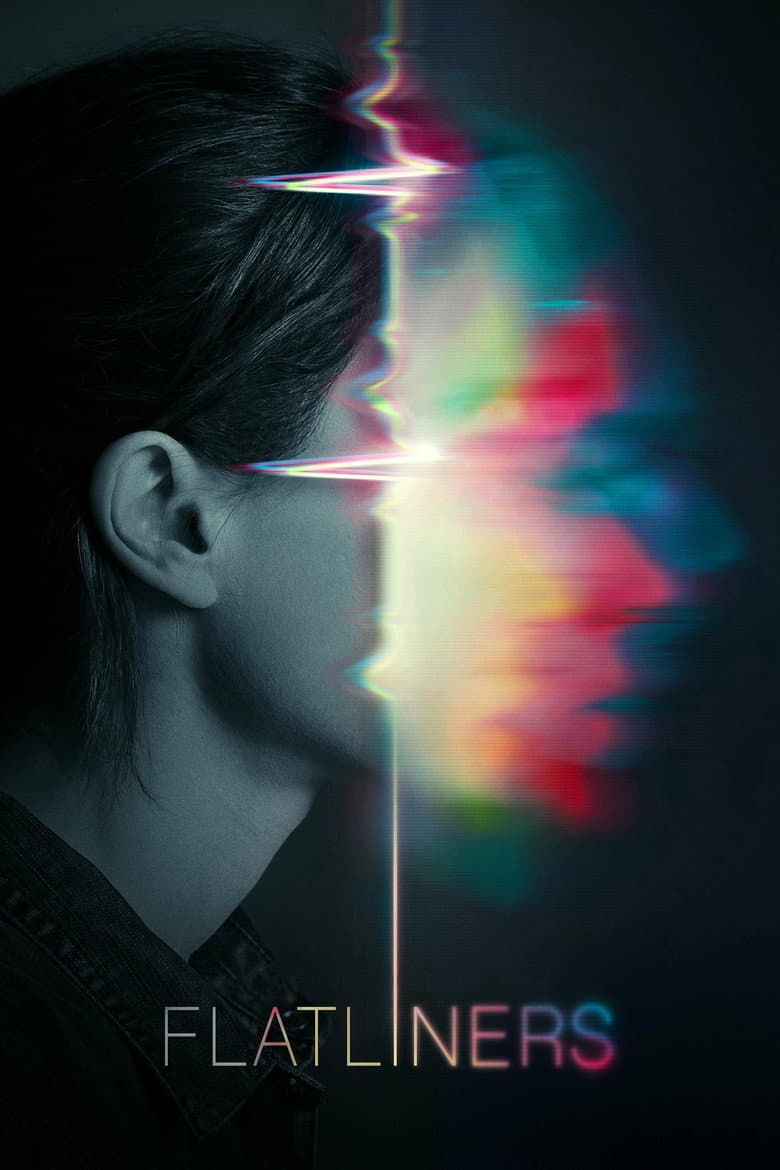
Movie · 2017
Five medical students, hoping to understand the mystery of what lies beyond life, embark on a dangerous experiment.
