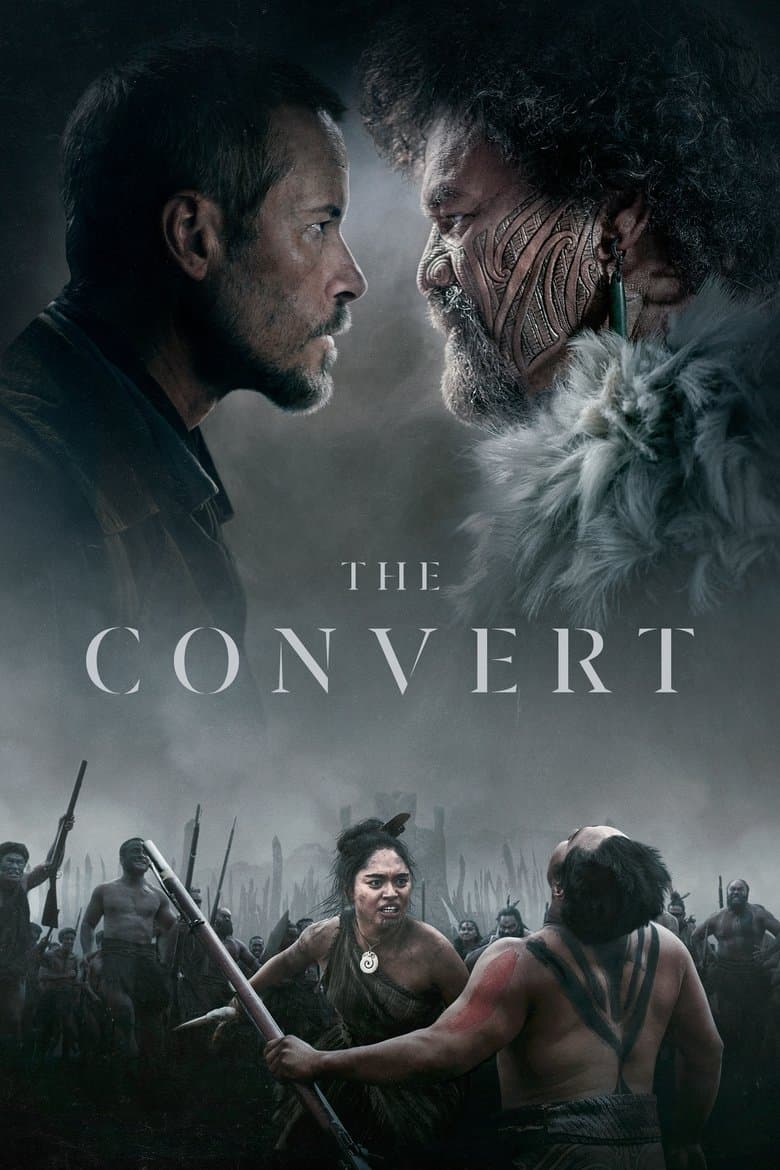
Thomas Munro is a former soldier who arrives in 1830s New Zealand as a lay preacher. He expects to guide British settlers, but he is pulled into a bloody fight between two Māori chiefs after he saves Rangimai, a chief’s daughter. Munro carries guilt from a past wartime mistake and tries to stop more killing while learning the rules of a world he does not understand. The film has a serious, violent tone, with long quiet stretches followed by brutal battles.
The film gives strong attention to Māori language, customs, warriors, and leaders, while it shows many British settlers as racist, greedy, and eager to profit from guns. Munro’s main change is that he stops acting like a Christian guide for the settlers and becomes an ally of the Māori community. Rangimai is a fierce fighter and remains separate from Munro as a love interest. The story is built around criticism of colonial rule and cultural conflict, but it stays in a historical setting and does not use modern political slogans.
Community feedback
Was our 44% Woke rating accurate?
Breakdown
These are the editorial factors and ratings behind our score for The Convert.
Woke representation / casting
Not present. The film uses Māori actors for Māori characters in a Māori setting, and the British lead plays a British missionary. The cast does not show a clear diversity pattern outside the story world.
0%
Woke political dialogue
Characters repeatedly discuss peace, war, guilt, and the harm caused by British racism. The film shows British traders selling muskets to rival Māori groups for profit. The moral speeches are tied to the 1830s conflict rather than current political slogans.
28%
Identity-driven story themes
The film puts Māori language, customs, war rituals, and tribal leaders near the center of the story. The story shows British settlers treating Māori as inferior and links their settlement to land control and gun trading. Munro’s main change is that he abandons his original mission and becomes an ally of the Māori community. Rangimai is shown as a fierce warrior and is kept separate from Munro as a love interest.
46%
Western institutional / cultural critique
The film repeatedly shows British settlers as racist, greedy, and willing to profit from weapons that increase Māori deaths. The settlement is presented as a foothold for wider colonial control, and Munro turns against that role. The story criticizes Western power through its historical setting, but it does not attack modern family life, gender roles, or Christianity as a whole.
34%
Woke character or canon changes
Not relevant. The film is an adaptation of Hamish Clayton’s historical novel, not a new entry in an established franchise. No clear identity-driven rewrite of a known character or real historical person is supported.
0%
Anti-woke backlash and complaints
One Rotten Tomatoes audience review called the film a typical Hollywood narrative because it makes the Westerner seem barbaric and the Māori seem enlightened. That complaint treats the film’s anti-Western framing as a political message. Most public reaction found in reviews and posts was mixed or supportive, so the complaint remains small and isolated.
10%
Creator track record context
Lee Tamahori has a history of Māori-focused work and public discussion of barriers for Māori filmmakers. Hamish Clayton’s source novel explores colonial contact, place, and who gets to tell history. Te Kohe Tuhaka supports stronger Māori voices and Māori-led screen work. The wider cached team shows little evidence of activist or identity-driven work.
30%
Production
Movie · 2023
When his aging mob boss is whacked, Charlie Swift, a loyal friend and hired gun, will stop at nothing to destroy the upcoming crew that took him out.
Movie · 2020
The incredible true story of Vietnam War hero William H. Pitsenbarger, a U.S. Air Force Pararescuemen medic who personally saved over sixty men.
Movie · 2019
Cal is a dedicated cop who also serves as a sergeant in the Marine Corps Reserve. When his reckless half brother lands in jail for accidentally killing a man, Cal and his buddies…
Movie · 2019
Vietnam War, 1966. Australia and New Zealand send troops to support the United States and South Vietnamese in their fight against the communist North.
Movie · 2024
In the near future, a group of war journalists attempt to survive while reporting the truth as the United States stands on the brink of civil war.
Movie · 2019
New Mexico Territory, 1880. Rio Cutler and his older sister Sara must abandon their home after an unfortunate event happens.
Movie · 2017
The story of the miraculous evacuation of Allied soldiers from Belgium, Britain, Canada and France, who were cut off and surrounded by the German army from the beaches and harbour…
Movie · 2022
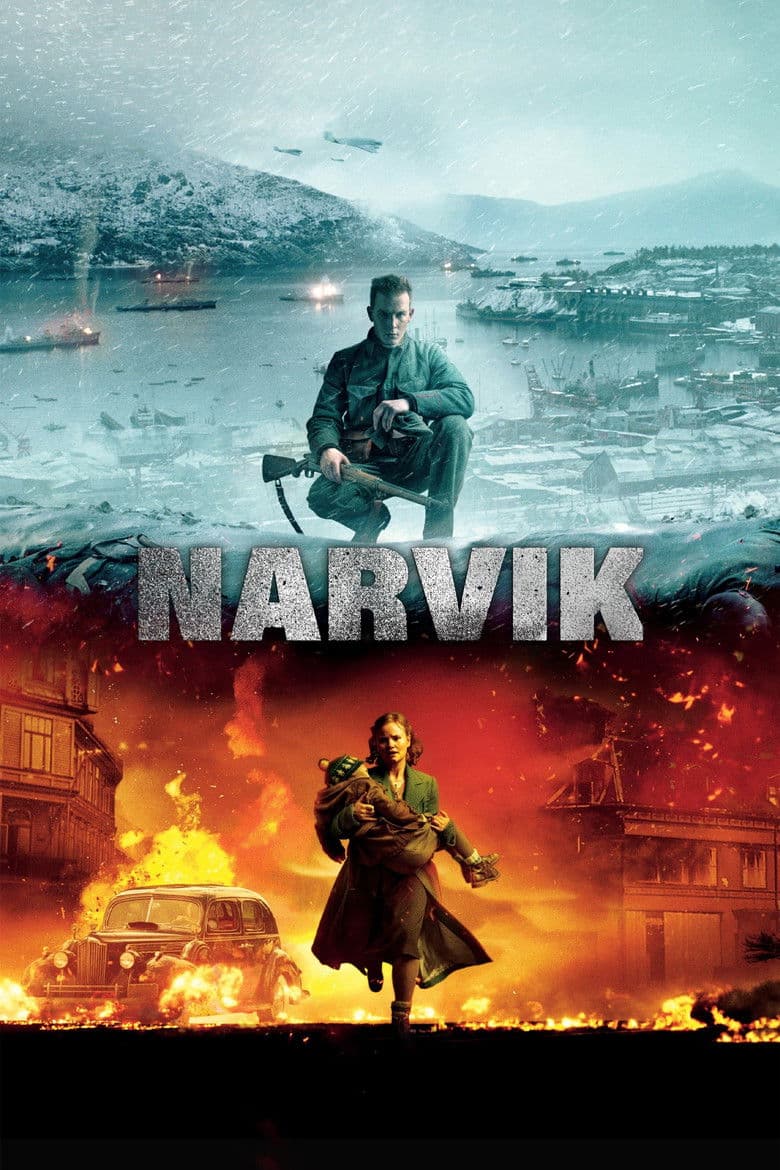
April, 1940. The eyes of the world are on Narvik, a small town in northern Norway, a source of the iron ore needed for Hitler's war machine.
