
Eddie Krumble is a widowed Los Angeles man who earns money by clapping and asking planned questions in infomercial audiences. He likes his small, quiet life and spends time with Chris, another paid audience member. A late-night host turns Eddie's repeated TV appearances into a joke, and the sudden fame costs him his job and strains his new romance with Judy, a gas station worker. The movie uses awkward comedy and a light romance to show how fame can hurt an ordinary person.
The film treats sudden fame as a trap that lets television turn a private person into a public joke. The late-night show and its hunt for Eddie drive the main conflict, while the broadcast spreads the stunt beyond the studio. Eddie's grief over his wife shapes his guarded life, and Judy offers him a chance to care about someone again. Chris gives Eddie company as both men try to earn money in a strange part of show business.
Community feedback
Was our 3% Woke rating accurate?
Breakdown
These are the editorial factors and ratings behind our score for The Clapper.
Woke representation / casting
Not present. The film uses a mixed Los Angeles cast, but no identity group is made into a message. Eddie, Judy, Chris, and the talk show staff are presented as story characters rather than diversity symbols. The story does not stress race, gender, religion, disability, or sexuality in its casting or plot.
0%
Woke political dialogue
Not present. The dialogue stays with paid audience work, infomercials, sudden fame, grief, and romance. The talk show makes jokes about Eddie, but it does not push modern identity, DEI, or activist ideas. No repeated political message shapes the plot.
0%
Identity-driven story themes
Not present. Eddie's main problem is unwanted fame after a television joke spreads. Judy's role centers on romance and privacy, while Chris provides friendship. The film does not build its character arcs around race, gender, sexuality, or activist identity.
0%
Western institutional / cultural critique
Not present. The film mocks the late-night show, infomercial business, and fame machine. That mockery targets media exploitation and public embarrassment, not gender roles, Christianity, family, conservatism, or a Western institution. The criticism stays personal and comic rather than becoming modern activist messaging.
0%
Woke character or canon changes
Not relevant. The story adapts Montiel's own novel about the invented Eddie Krumble. It does not change a known character, real person, or historical event.
0%
Anti-woke backlash and complaints
Not present. The X research pass found no anti-woke reaction or boycott talk. News, audience, and Reddit discussion focused on weak comedy, slow pacing, and the awkward romance. No clear complaint said the film pushed DEI, identity politics, or left-wing ideas.
0%
Creator track record context
Dito Montiel has a cached score of 3/100 and no clear activist record. Ed Helms has some voting-access work and helped make Rutherford Falls, which gives him limited representation-related context. Most other cached producers have low scores and no clear DEI or identity-first record. None of that context is clearly carried into The Clapper's story or marketing.
15%
Production
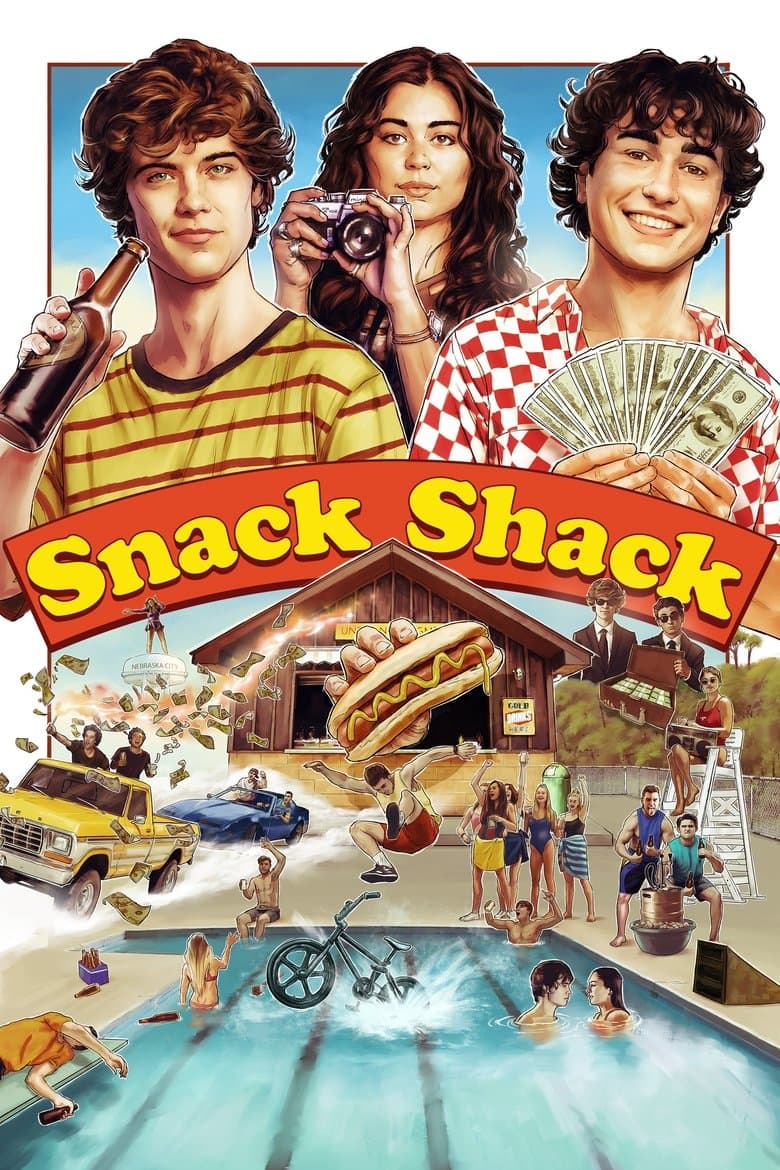
Movie · 2024
Inseparable best friends AJ and Moose decide to run the local pool's snack shack after their plan to sell home-brewed beer goes down the drain.
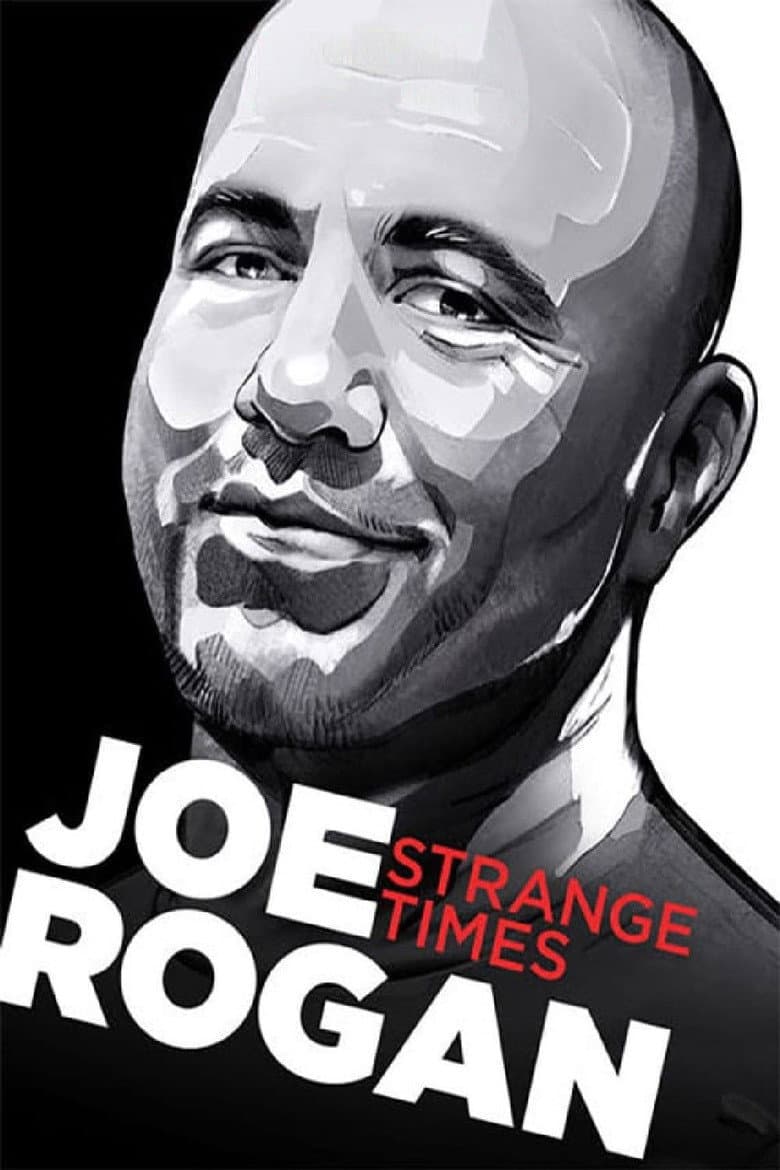
Movie · 2018
Outspoken as ever, comedian Joe Rogan takes on politics, pro wrestling, pot laws, cats, vegans and much more in a stand-up special shot in Boston.
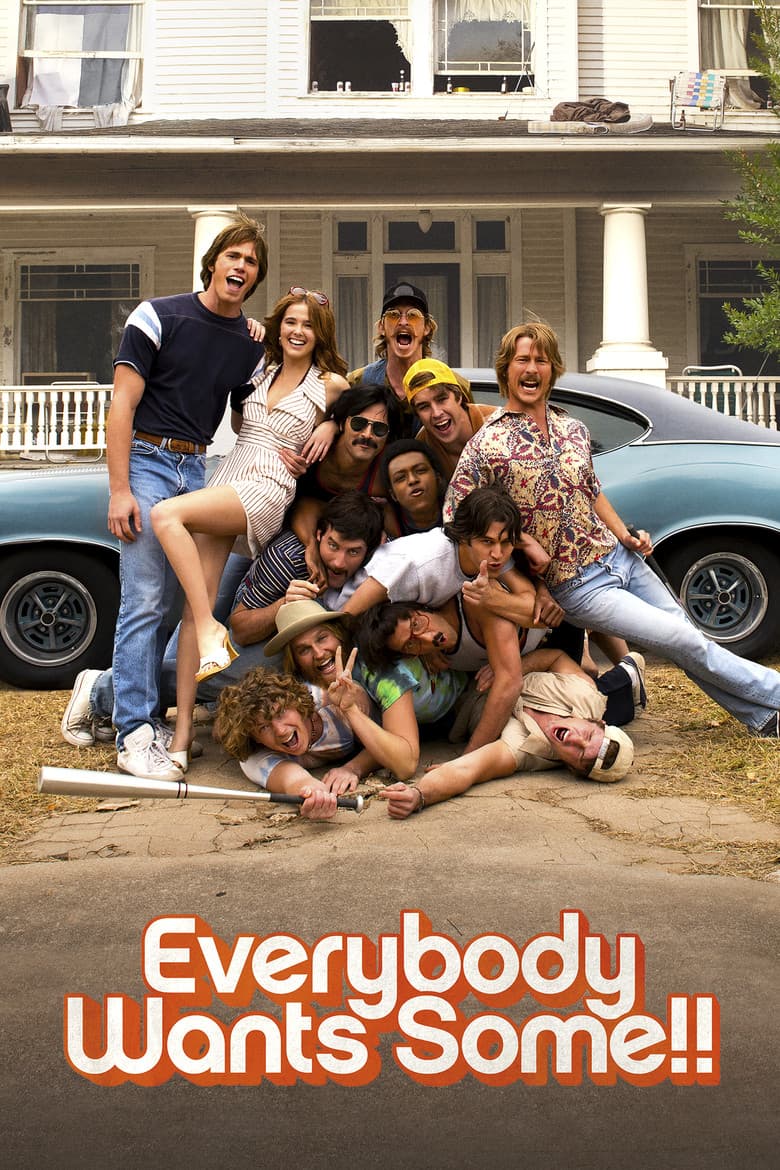
Movie · 2016
A comedy that follows a group of friends as they navigate their way through the freedoms and responsibilities of unsupervised adulthood.
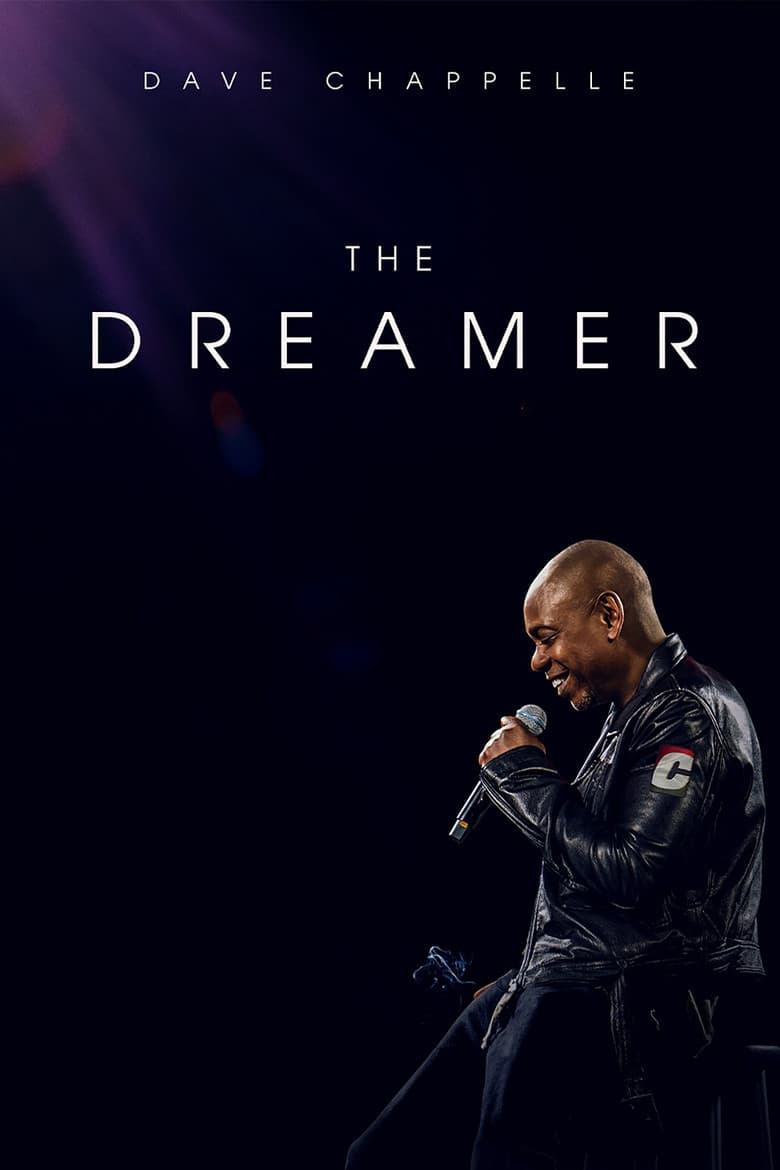
Movie · 2023
From his onstage tackle to the slap heard round the world, Dave Chappelle lets loose in this freewheeling and unfiltered stand-up comedy special.
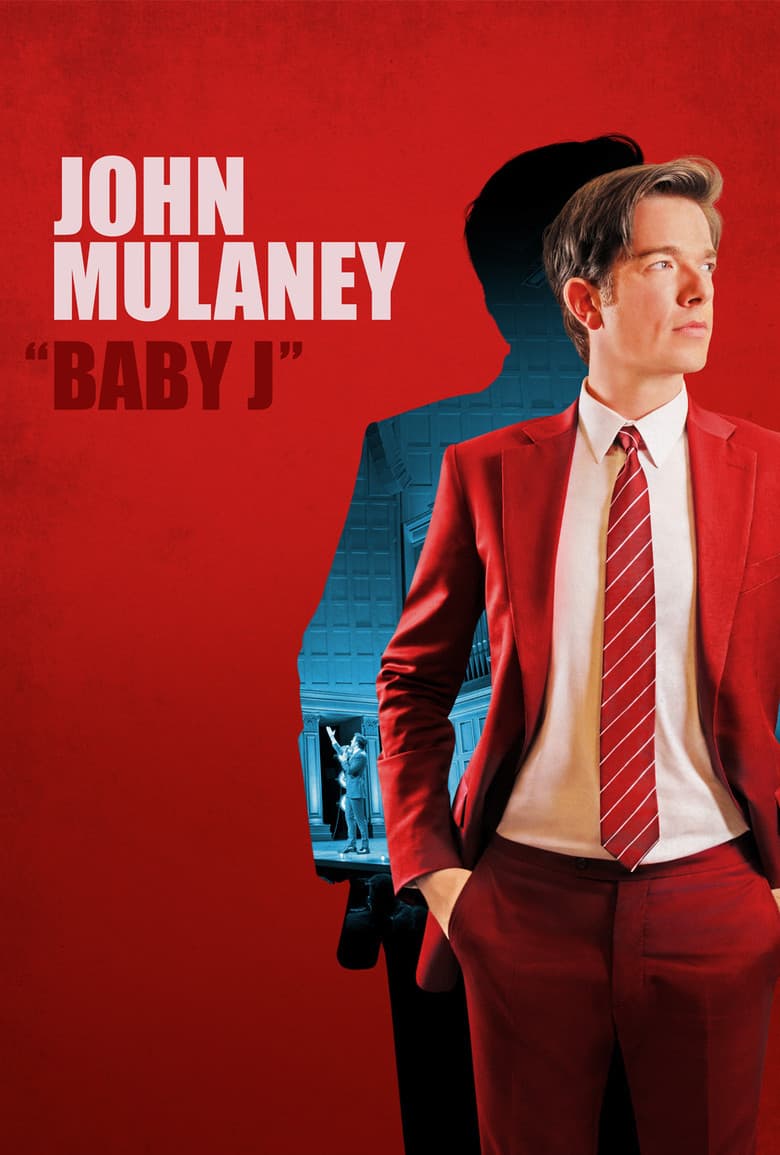
Movie · 2023
A chaotic intervention. An action-packed stay in rehab. After a weird couple of years, John Mulaney comes out swinging in his return to the stage.
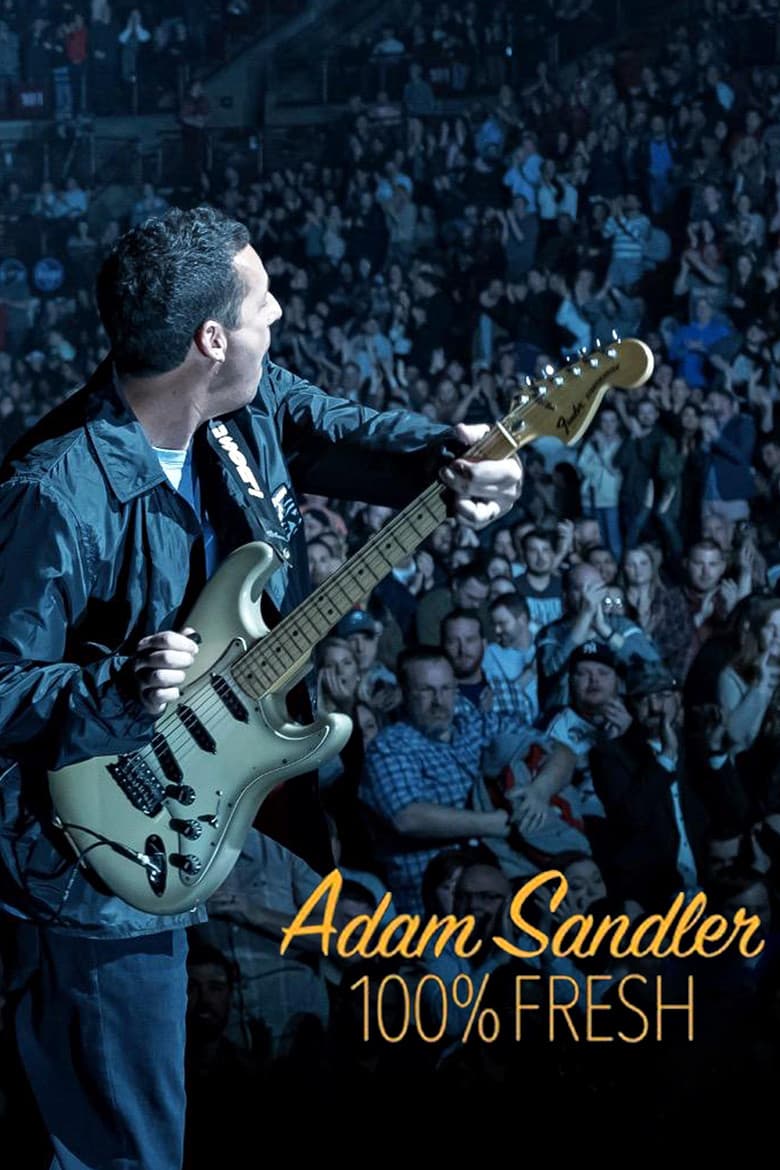
Movie · 2018
Adam Sandler takes his comical musical musings back out on the road, from comedy clubs to concert halls to one very unsuspecting subway station.
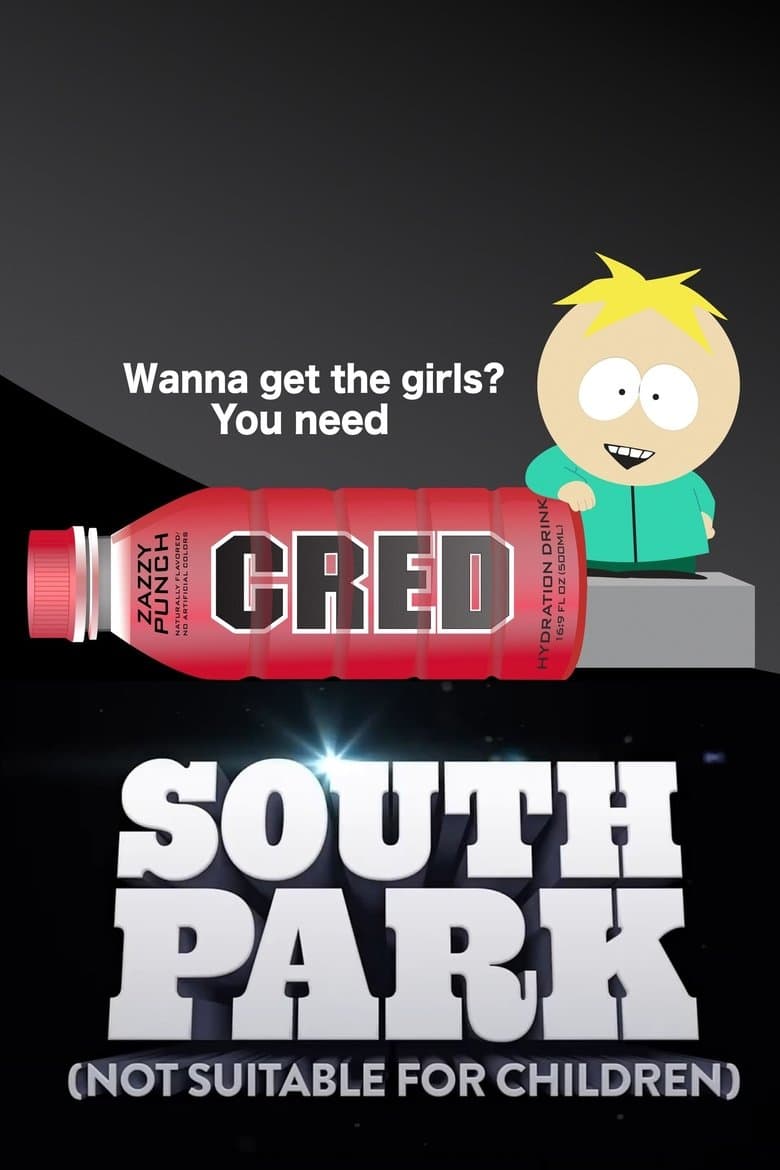
Movie · 2023
After it's discovered that a teacher at South Park Elementary has an OnlyFans page, Randy is compelled to take a closer look at the seedy underbelly of the world of online…
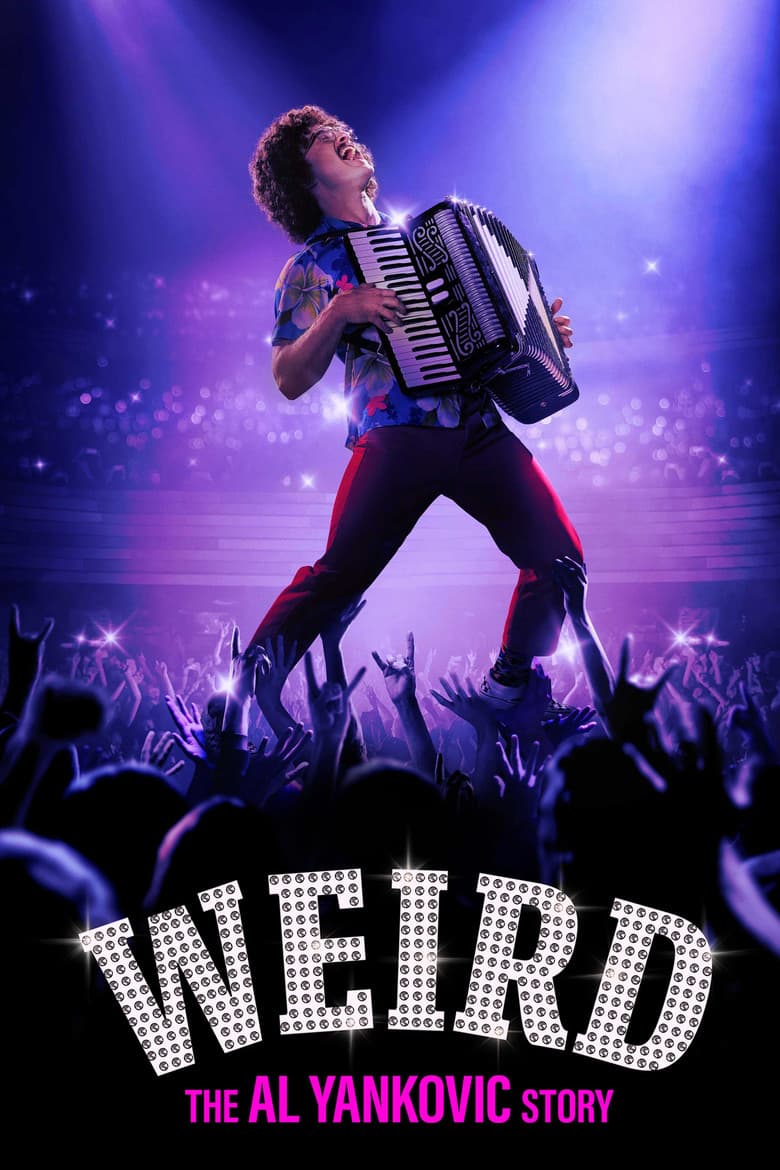
Movie · 2022
Exploring every facet of ‘Weird Al’ Yankovic’s life, from his meteoric rise to fame with early hits like ‘Eat It’ and ‘Like a Surgeon’ to his torrid celebrity love affairs and…
