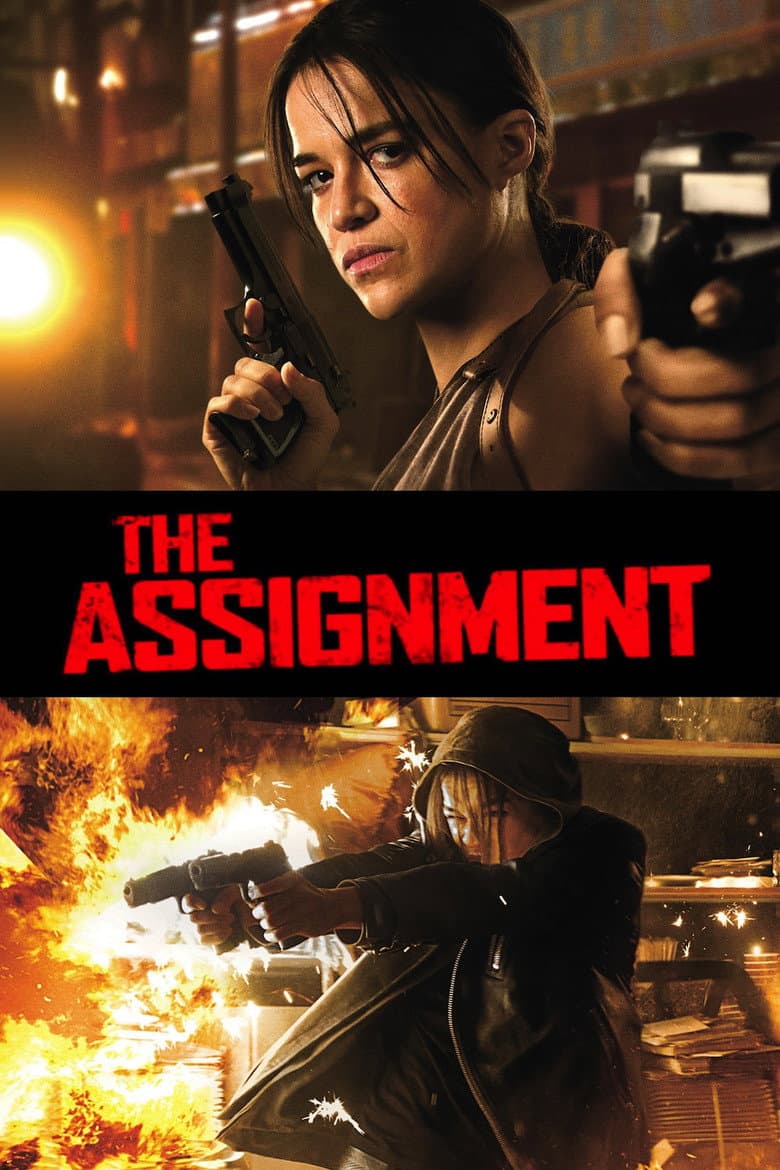
Frank Kitchen works as a ruthless hired killer in a violent criminal world. After Frank kills Dr. Rachel Kay’s brother, Dr. Kay kidnaps him and forces him to undergo surgery that changes his body from male to female. Frank wakes up confused and angry, then searches for the people behind the attack while trying to understand what happened. The story uses prison interviews, flashbacks, gun fights, and a revenge hunt with a dark comic book style.
The film makes gender and personal identity central to the conflict. Dr. Kay says that Frank has escaped a macho prison, but Frank rejects the change because someone forced it on him. Frank remains violent after the surgery, so the story asks whether a different body can change a person’s mind or behavior. Frank also begins a sexual relationship with Johnnie after becoming physically female, but the film treats these ideas as lurid revenge pulp instead of a careful story about real trans lives.
Community feedback
Was our 60% Woke rating accurate?
Breakdown
These are the editorial factors and ratings behind our score for The Assignment.
Woke representation / casting
Michelle Rodriguez plays Frank before and after the surgery. The film uses a female actor for a male assassin and keeps her as the character’s female body after the surgery. Sigourney Weaver plays the brilliant surgeon who controls the central experiment. These choices make gender and female power highly visible, but the film does not present an identity-focused group of characters or a message about diversity-first casting.
45%
Woke political dialogue
Dr. Kay says that she freed Frank from the “macho prison” of his old life. The film later discusses the idea that gender connects to identity rather than body parts. The prison interviews return to these ideas several times. The movie does not create a wider debate about rights, laws, or political groups.
35%
Identity-driven story themes
Forced body change drives the entire revenge plot. Frank rejects the idea that a female body should decide who he is, while Dr. Kay claims that the change can give him a new life. Frank also has sex with Johnnie after the surgery, so the movie shows a relationship between two female bodies. The story repeatedly asks whether body, gender, and behavior are the same thing, but it presents these ideas through violent pulp and punishment instead of a realistic trans life story.
74%
Western institutional / cultural critique
Dr. Kay attacks Frank’s old male violence as a “macho prison.” The film places a woman in control as the smartest surgeon and gives her the idea that removing male traits may change a violent man. The story shows that Frank remains dangerous after the surgery, so its message is mixed rather than a clear attack on men. The movie does not broadly attack religion, family life, capitalism, or Western institutions.
29%
Woke character or canon changes
Not relevant. The film tells an original revenge story. The film does not change an established character, canon, or real historical figure.
0%
Anti-woke backlash and complaints
Not present. The supplied X research found no anti-woke complaints about the film. Trans advocates and other critics provided the main reported criticism. They called the premise harmful.
0%
Creator track record context
Walter Hill and Denis Hamill have low cached woke scores and no strong DEI record. Hill has criticized Hollywood’s woke and politically correct environment. Producer Saïd Ben Saïd has made an anti-colonial film and a queer historical drama, which adds some context. The wider crew has little public activist or identity-focused history.
18%
Production
Movie · 2023
Over many missions and against impossible odds, Dom Toretto and his family have outsmarted, out-nerved and outdriven every foe in their path.
Movie · 2018
Agent Matt Graver teams up with operative Alejandro Gillick to prevent Mexican drug cartels from smuggling terrorists across the United States border.
Movie · 2019
Super-assassin John Wick returns with a $14 million price tag on his head and an army of bounty-hunting killers on his trail.
Movie · 2020
Marcus and Mike are forced to confront new threats, career changes, and midlife crises as they join the newly created elite team AMMO of the Miami police department to take down…
Movie · 2023
Robert McCall finds himself at home in Southern Italy but he discovers his friends are under the control of local crime bosses.
Movie · 2019
The chilling true story of a newly married FBI poster boy assigned to an Appalachian mountain town in Kentucky.
Movie · 2017
In April 2015, the Hatton Garden Safe Deposit Company, an underground safe deposit facility in London's Hatton Garden area, was burgled by 4 elderly men.
Movie · 2024
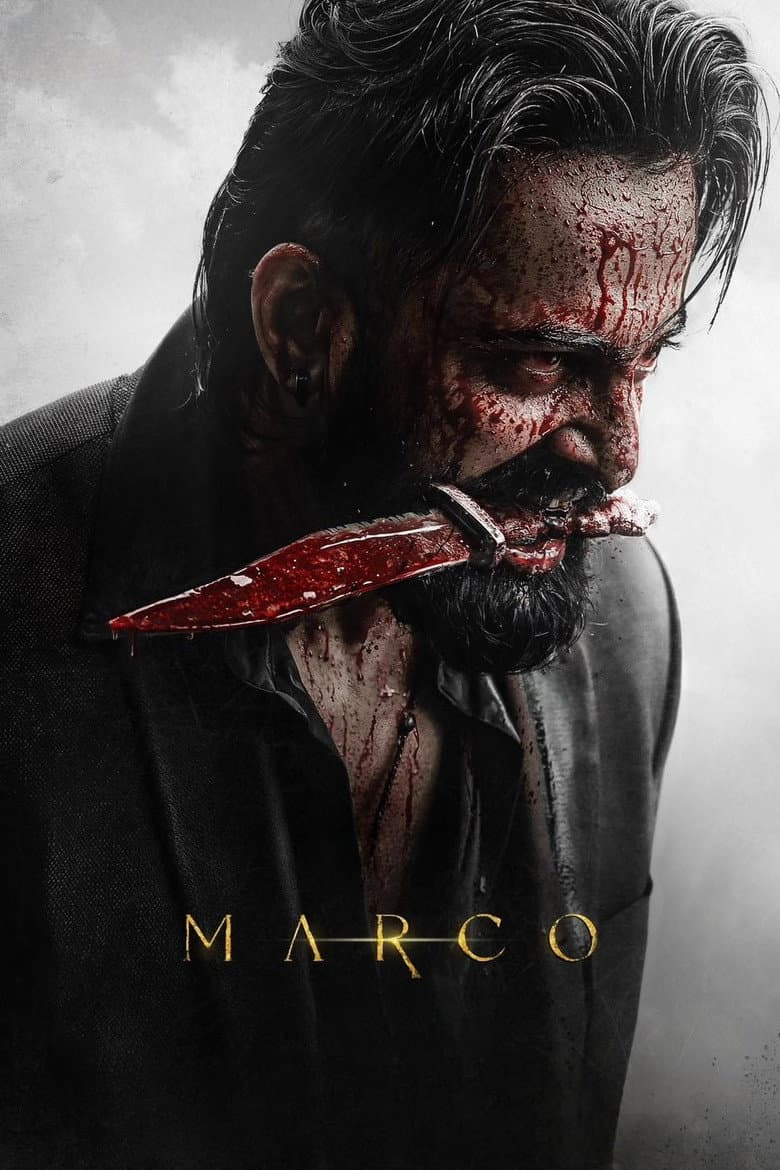
The adoptive son of the Adattu family, Marco, sets off on a ruthless quest for vengeance after his brother is brutally murdered, finding only betrayal, loss and unimaginable…
