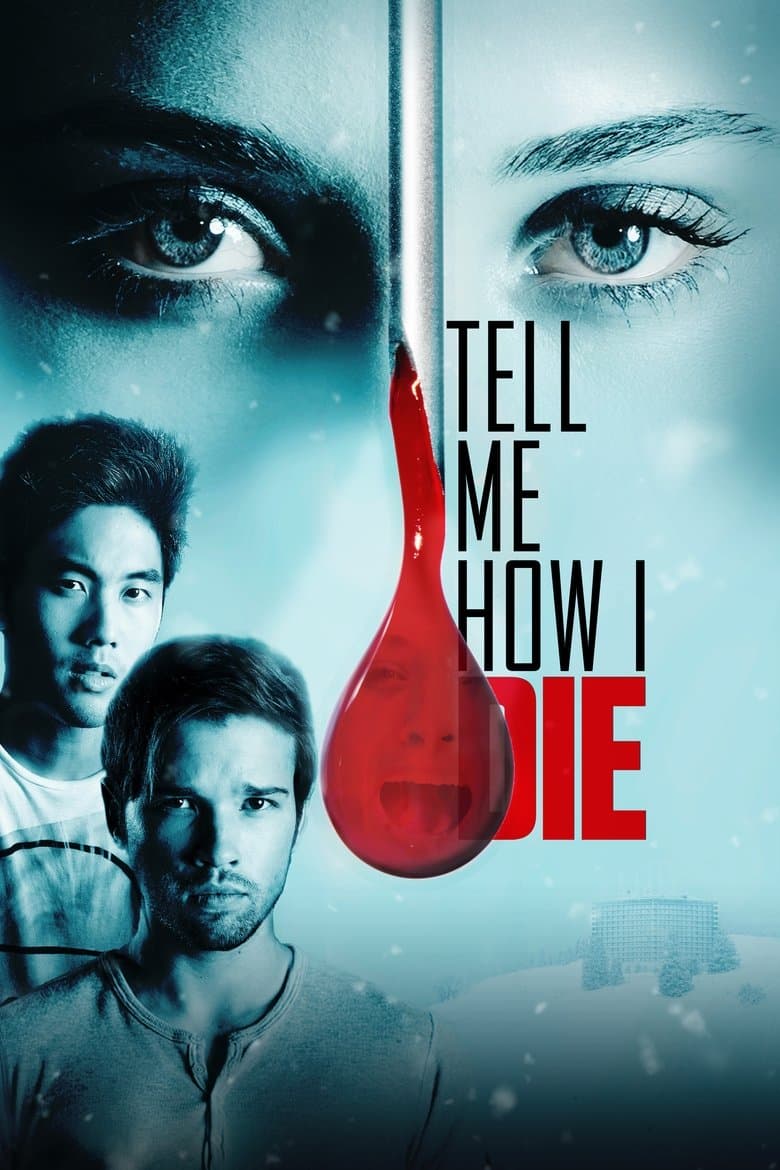
Tell Me How I Die follows Anna Nichols and Den Ferguson, two college students who join a paid drug study because they need money. The study takes place at a locked research center during a snowstorm, where the volunteers are watched by doctors and staff. The memory drug gives several students visions of their own deaths, and a violent killer begins using those visions against them. Anna, Den, and a few other survivors search the building for a way out while the danger grows. The film has a cold, tense horror tone with mystery, sudden attacks, and a final fight for survival.
The story treats the trial as a warning about doctors who chase a breakthrough without protecting the people in the study. Anna tries to separate a real future from a vision that may change when people hear it. Den keeps returning to help others even when escape seems safer. The group argues about fate, free will, and whether knowledge can become a trap. Its main concern is how fear, betrayal, and the need to survive change the group.
Community feedback
Was our 0% Woke rating accurate?
Breakdown
These are the editorial factors and ratings behind our score for Tell Me How I Die.
Woke representation / casting
Not present. The film uses a mixed modern college cast, but it gives no identity reason for those choices. Race, gender, sexuality, disability, and religion do not become social messages in the story.
0%
Woke political dialogue
Not present. The dialogue deals with the drug trial, fear, survival, and fate. It contains no modern identity, DEI, or activist message.
0%
Identity-driven story themes
Not present. Anna is a capable survivor, but the film does not build a gender or identity message around her. The story focuses on visions, murder, drug testing, and fate.
0%
Western institutional / cultural critique
Not present. The film shows doctors hiding dangerous research and mistreating test subjects. This is a horror plot about unsafe experiments, not a wider attack on modern culture, religion, gender roles, or Western institutions.
0%
Woke character or canon changes
Not relevant. The film is an original story about a drug trial and does not change a known character, source, or historical event.
0%
Anti-woke backlash and complaints
Not present. Public reaction focused on writing, pacing, acting, stereotypes, and the ending. No anti-woke or identity-politics complaints were found in the reviewed coverage.
0%
Creator track record context
Not present. The listed creators have mainly commercial genre and entertainment careers. No strong woke or activist pattern is tied to this film or its creative team.
0%
Movie · 2023
Father Gabriele Amorth, Chief Exorcist of the Vatican, investigates a young boy's terrifying possession and ends up uncovering a centuries-old conspiracy the Vatican has…

Movie · 2022
Finney Blake, a shy but clever 13-year-old boy, is abducted by a sadistic killer and trapped in a soundproof basement where screaming is of little use.
Movie · 2025
When Polly receives a mysterious box, it comes with one rule: place inside something she needs, something she hates, and something she loves.

Movie · 2025
A collection of Halloween-themed videotapes unleashes a series of twisted, blood-soaked tales, turning trick-or-treat into a struggle for survival.

Movie · 2024
Nothing is what it seems when a twisted one-night stand spirals into a serial killer’s vicious murder spree.
Movie · 2026
After a young couple witnesses a gruesome highway accident, they soon realize they did not leave the crash scene alone, as a demonic presence called the Passenger that won't stop…
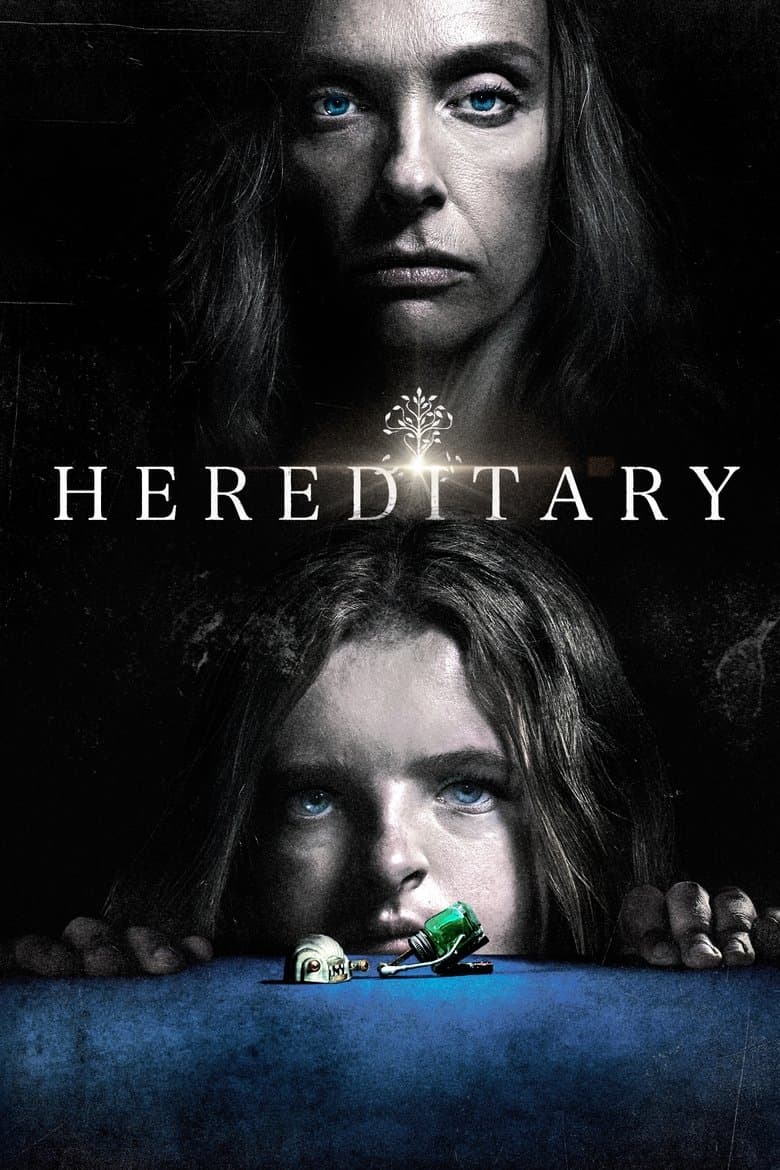
Movie · 2018
Following the death of the Leigh family matriarch, Annie and her children uncover disturbing secrets about their heritage.
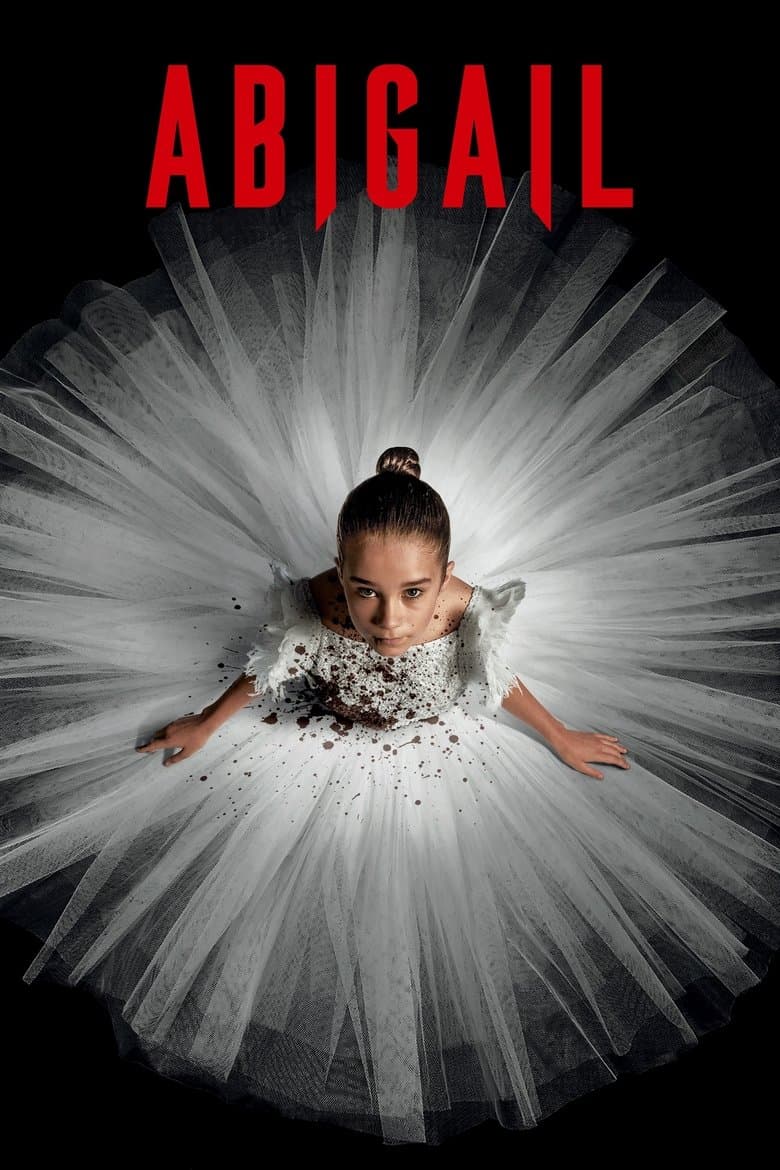
Movie · 2024
A group of criminals kidnap a teenage ballet dancer, the daughter of a notorious gang leader, in order to obtain a ransom of $50 million, but over time, they discover that she is…
