
Stargirl follows Leo Borlock, a shy teenager living in Mica, Arizona, after the death of his father. He tries to stay unnoticed at his new high school, where students punish anyone who seems strange. Stargirl Caraway arrives as a homeschooled girl who wears bright clothes, plays the ukulele, and treats strangers with unusual kindness. Their romance grows during a football season, but the school turns against her after one kind act is seen as betrayal, giving the movie a sweet but sad growing-up tone.
The film makes self-expression its clearest social message. Stargirl keeps showing students that they should not hide their real selves just to win approval. Leo becomes more honest, while Stargirl learns that being different does not excuse hurting people and that she must also care for her own needs. The movie shows a mixed group of students and gives a South Asian friend, a Hispanic teacher, and a black adult visible roles, but their identities are not major story subjects. These ideas are noticeable and repeated, yet they stay inside a gentle teen romance about school pressure, kindness, and first love instead of modern political or identity debates.
Community feedback
Was our 44% Woke rating accurate?
Breakdown
These are the editorial factors and ratings behind our score for Stargirl.
Woke representation / casting
Disney’s D23 marketing says the youth cast was built to support a lesson in diversity. The film gives Leo a South Asian best friend, a Hispanic teacher, and a black adult friend in visible supporting roles beside the white leads. The Arizona school setting makes a mixed cast believable, and the story does not make race or gender a plot issue. The clear diversity framing in marketing still makes this more than ordinary background casting.
40%
Woke political dialogue
Not present. The film contains no dialogue that promotes DEI, gender politics, race politics, or activist causes. A speech topic mentions Internet censorship, but the speech argues for patience and slower judgment instead of taking a political side.
0%
Identity-driven story themes
Stargirl repeatedly presents personal self-expression and refusal to fit in as good choices. The school’s demand that she act normal is shown as harmful, and Leo changes when he stops hiding his own interests. Stargirl also learns that kindness can have a bad effect when she does not understand someone’s situation, so the story includes a limit on her message. This theme drives the central conflict, but it concerns personality and school belonging rather than race, sex, or current identity politics.
38%
Western institutional / cultural critique
The film criticizes the school’s popularity system and its pressure to dress, act, and think like the crowd. Public shaming on the student TV show is treated as cruel, and Leo’s wish to disappear is shown as unhealthy. The criticism stays at the level of teenage peer pressure. The story does not attack parents, religion, capitalism, or Western institutions.
18%
Woke character or canon changes
The film changes Leo’s friend Kevin’s last name from Quinlant in the novel to Singh, matching actor Karan Brar’s South Asian identity. That change gives a supporting character a clearer ethnic identity in the movie. The main characters keep their original genders and roles, and no major hero or leader is swapped. Other changes mainly update the time, music, and plot structure.
16%
Anti-woke backlash and complaints
Not present. The available posts, reviews, and news items do not accuse the movie of pushing woke, DEI, or identity-politics content. Negative comments focus on its pace, style, or changes from the book.
0%
Creator track record context
Julia Hart’s work repeatedly centers women, female agency, and underrepresented viewpoints. Jordan Horowitz has a queer family drama credit, and Kristin Hahn has promoted body positivity, inclusive stories, and more opportunities for women in film. Jerry Spinelli often writes about outsiders, empathy, and prejudice, but his public profile is not strongly activist. The other listed producers have little public identity-politics record, so creator context is supporting evidence rather than the movie’s main message.
45%
Production

Movie · 2017
In 1843, despite the fact that Dickens is a successful writer, the failure of his latest book puts his career at a crossroads, until the moment when, struggling with inspiration…
Movie · 2020
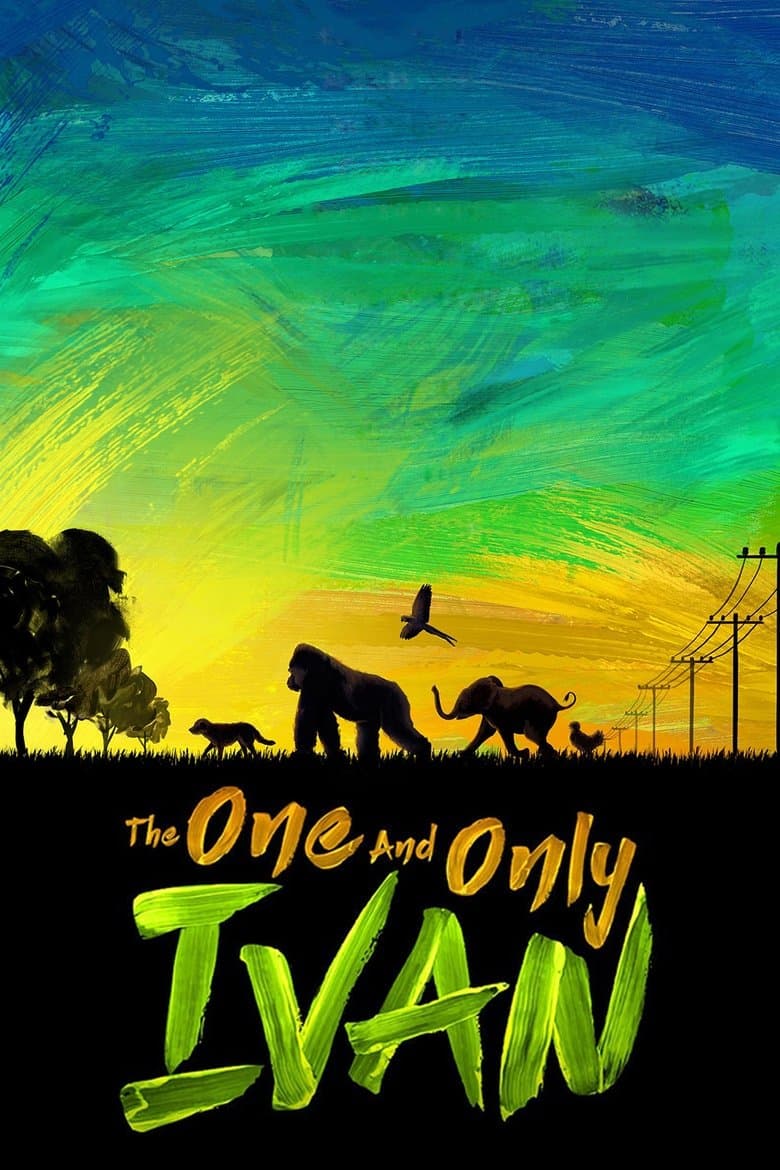
A gorilla named Ivan who’s living in a suburban shopping mall tries to piece together his past, with the help of other animals, as they hatch a plan to escape from captivity.

Movie · 2022
Marcel is an adorable one-inch-tall shell who ekes out a colorful existence with his grandmother Connie and their pet lint, Alan.
Movie · 2022
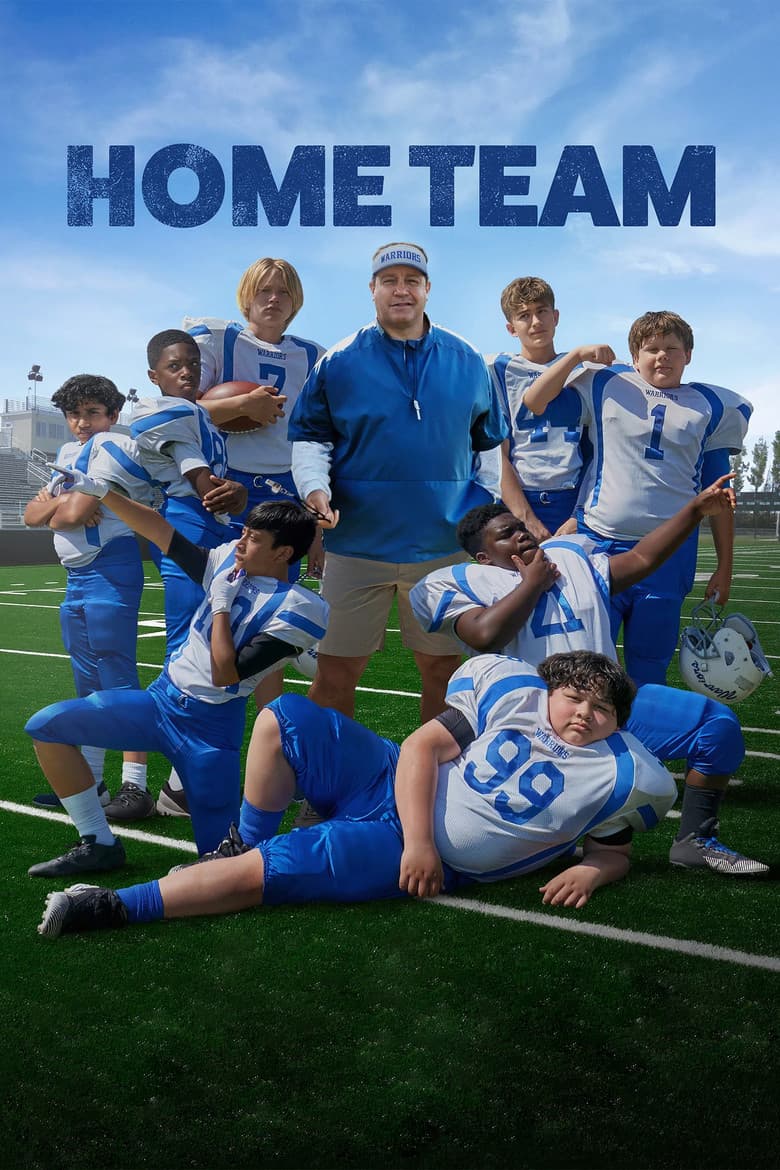
Two years after a Super Bowl win when NFL head coach Sean Payton is suspended, he goes back to his hometown and finds himself reconnecting with his 12-year-old son by coaching his…

Movie · 2017
The film follows a man with an unwanted gift for healing who meets a teenager with cancer who helps him to find himself.

Movie · 2024
The Herdman kids are undeniably the worst kids in the history of the world. They lie, steal, cheat, bully and overall terrorize their small community.

Movie · 2017
A dog goes on quest to discover his purpose in life over the course of several lifetimes with multiple owners.

Movie · 2016
Set against the backdrop of a beautiful garden in the heart of London, this contemporary fairy tale revolves around the unlikely friendship between a reclusive young woman and a…
