
Amber is a tired manager at an Italian restaurant chain in Bakersfield, California. She wins a work trip to Italy and expects good food, rich people, and a chance to fall in love. The company instead puts her in a poor hotel and keeps the group under close watch. The trip shifts from a bright romance to a strange and dark comedy as Amber tries to learn what is really happening.
The film gives its main attention to Amber’s trouble with Nick, the rich company owner who uses his job and charm to pull her into a private romance. Amber slowly sees that his attention is part of a pattern involving other women and chooses to leave him. The story also includes a short sexual encounter between Amber and Kat, his female assistant, but it does not become a lasting romance or the main plot. The film’s clearest social message is that women can be trained to stay polite even when a powerful man makes them feel unsafe.
Community feedback
Was our 30% Woke rating accurate?
Breakdown
These are the editorial factors and ratings behind our score for Spin Me Round.
Woke representation / casting
Not present. The cast includes different kinds of workers, but the film does not frame their identities as a message. The central female roles fit the story about women at a work retreat.
0%
Woke political dialogue
Not present. The characters do not debate elections, parties, activism, or identity politics. Their talk stays on work, romance, fear, and the strange trip.
0%
Identity-driven story themes
The film centers Amber’s growth after a powerful man draws her into a private romance. Nick uses his job, money, and charm to test women’s limits, and Amber learns to reject that pattern. The story treats women’s pressure to stay polite as one reason bad behavior can be missed. Amber and Kat kiss and have a sexual encounter, but their queer connection is brief and does not become the central story.
30%
Western institutional / cultural critique
The film repeatedly shows Nick using a company retreat and his power over workers to control private meetings with women. Amber’s fear grows as the group loses passports and learns that past retreats mostly chose women. The story treats male entitlement and pressure on women to stay polite as dangers. Its attacks on a rich restaurant owner and wealthy party guests are mostly dark class satire, so the wider critique stays limited.
32%
Woke character or canon changes
Not relevant. The film is an original story about an American restaurant manager and does not change a known character, canon, or real event.
0%
Anti-woke backlash and complaints
One fringe online review used the word “mega-woke” while discussing Alison Brie and the film’s brief same-sex scene. The post did not show a large campaign or spread into major news coverage. Most public discussion focused on the confusing plot, weak comedy, or the short Brie and Plaza encounter.
4%
Creator track record context
Cached context gives Alison Brie a 40/100 score because of liberal views and support for gay rights and environmental causes. Cached context gives Jeff Baena 20/100 and gives the listed producers and casting directors mostly 0 to 16/100. The record points to mild liberal creator context, not a strong identity-driven or DEI campaign. The film itself follows that mild pattern because its gender theme is personal and story-based.
24%
Production

Movie · 2019
Oh, Ramona! seeks the transformation of Andrew from a teenager into an adult who lives candidly and selflessly his first love story, innocent and uninvolved, alternating with the…

Movie · 2022
Peter and Emma thought they were on the precipice of life’s biggest moments – marriage, kids, and houses in the suburbs – until their respective partners dumped them.
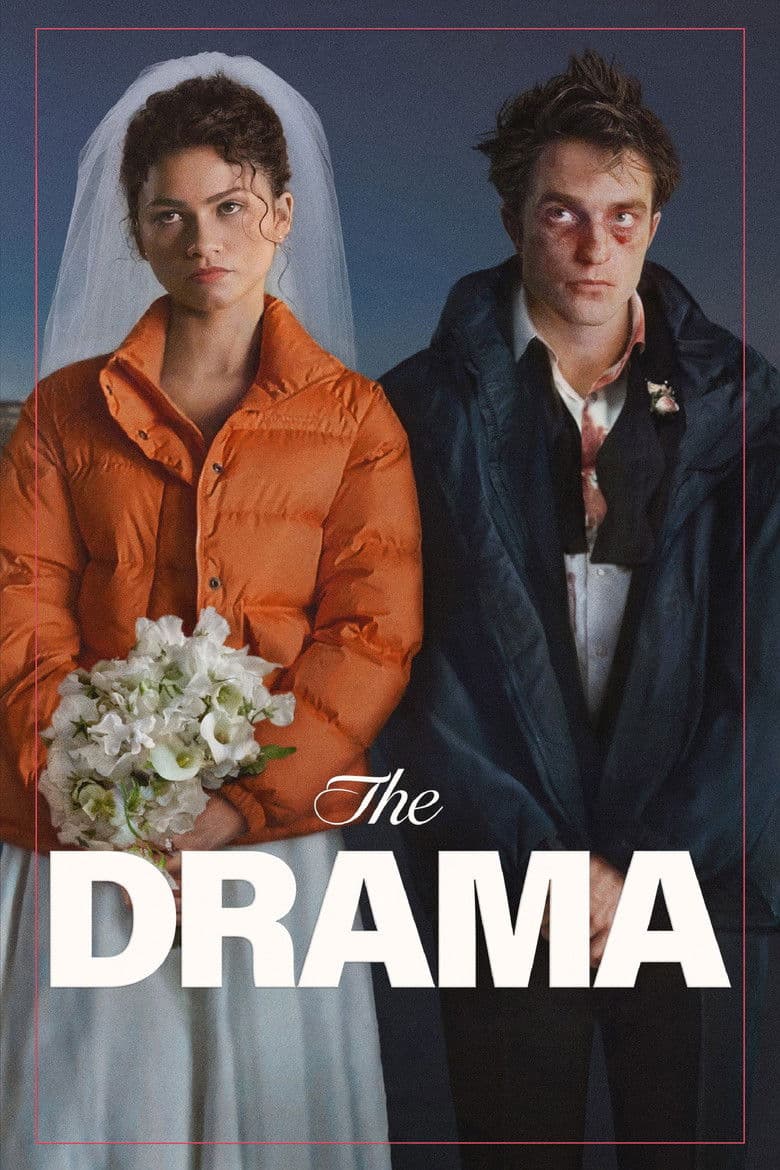
Movie · 2026
A happily engaged couple is put to the test when an unexpected turn sends their wedding week off the rails.
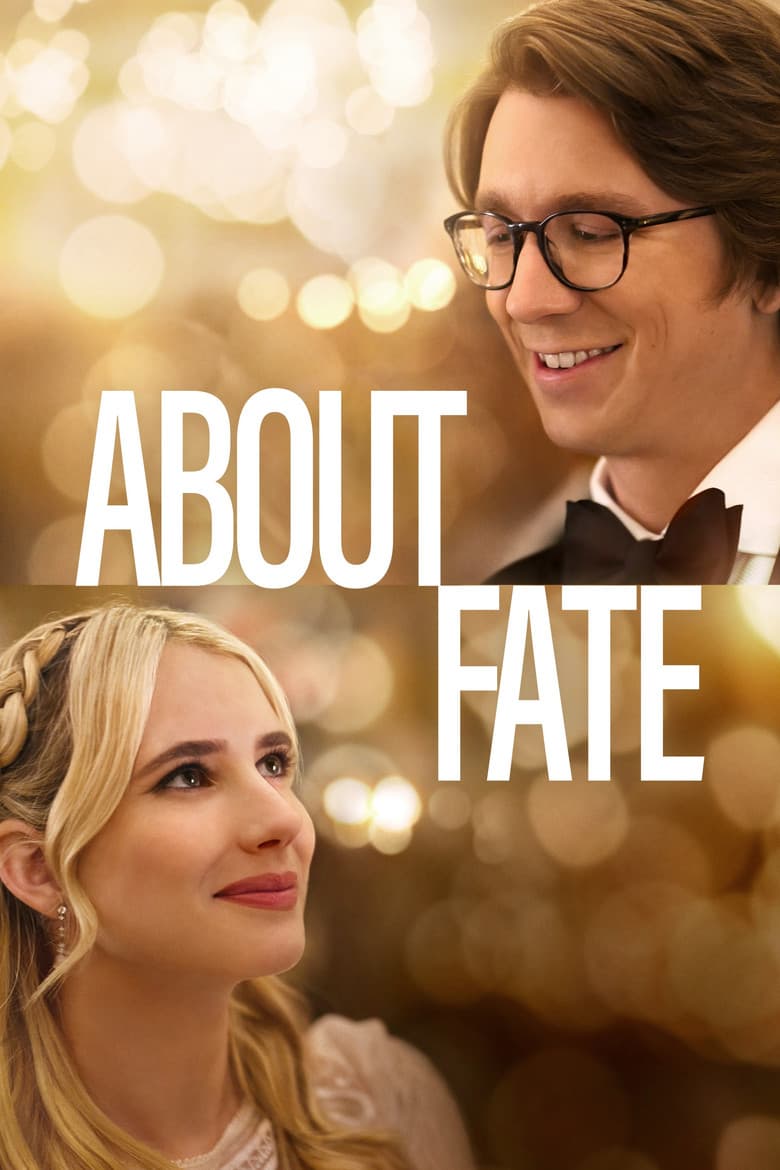
Movie · 2022
Two strangers believe in love but never seem to be able to find its true meaning. In a wild twist of events, fate puts each in the other's path on one stormy New Year's Eve.
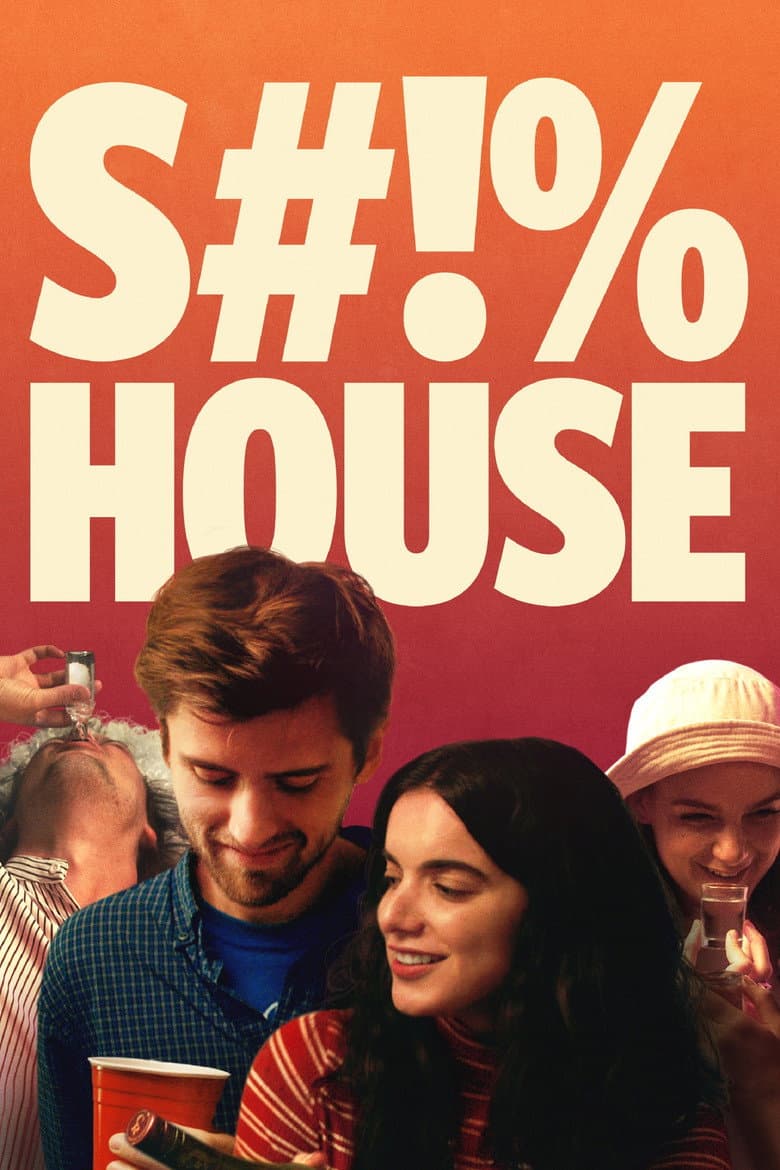
Movie · 2020
Lonely college freshman Alex has closed himself off from his peers, who all appear to have this whole "college thing" figured out.

Movie · 2023
College freshman Abby tries to distance herself from her dark past while resisting her attraction to bad boy Travis.
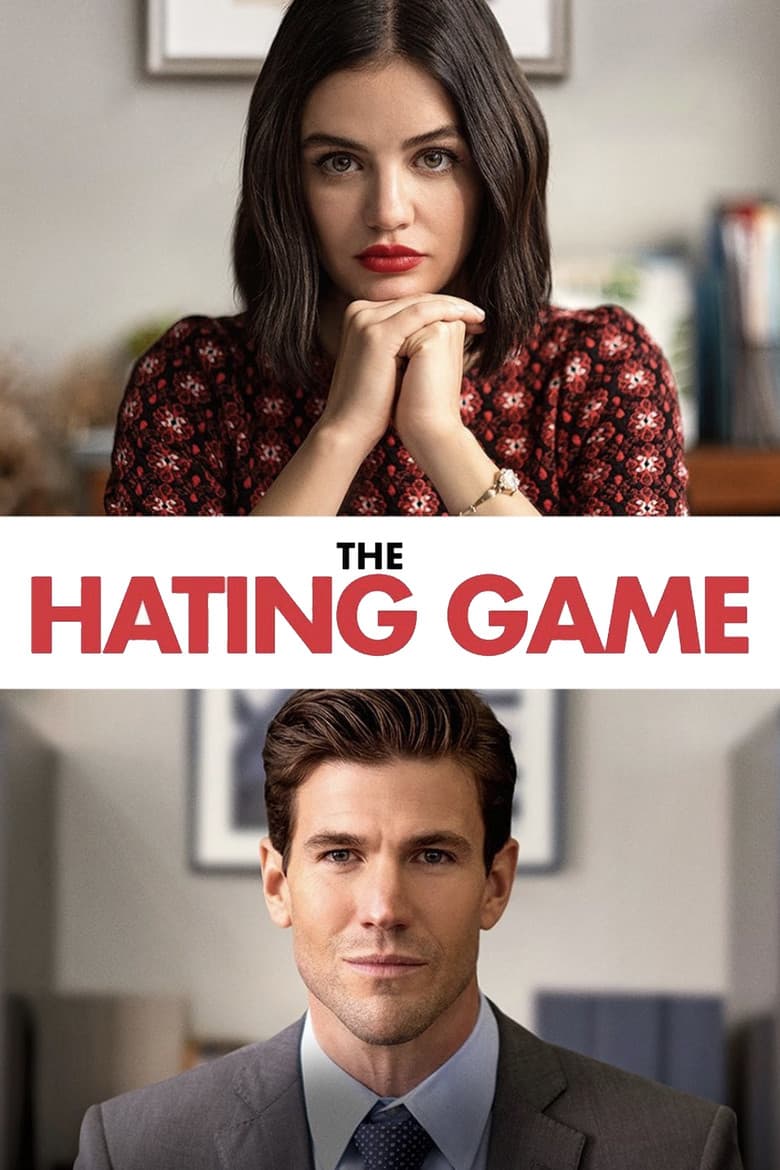
Movie · 2021
Resolving to achieve professional success without compromising her ethics, Lucy embarks on a ruthless game of one-upmanship against cold and efficient nemesis Joshua, a rivalry…

Movie · 2016
A week in the life of Paterson, a poet bus driver, and his wife Laura, a very creative artist, who live in Paterson, New Jersey, hometown of many famous poets and artists.
