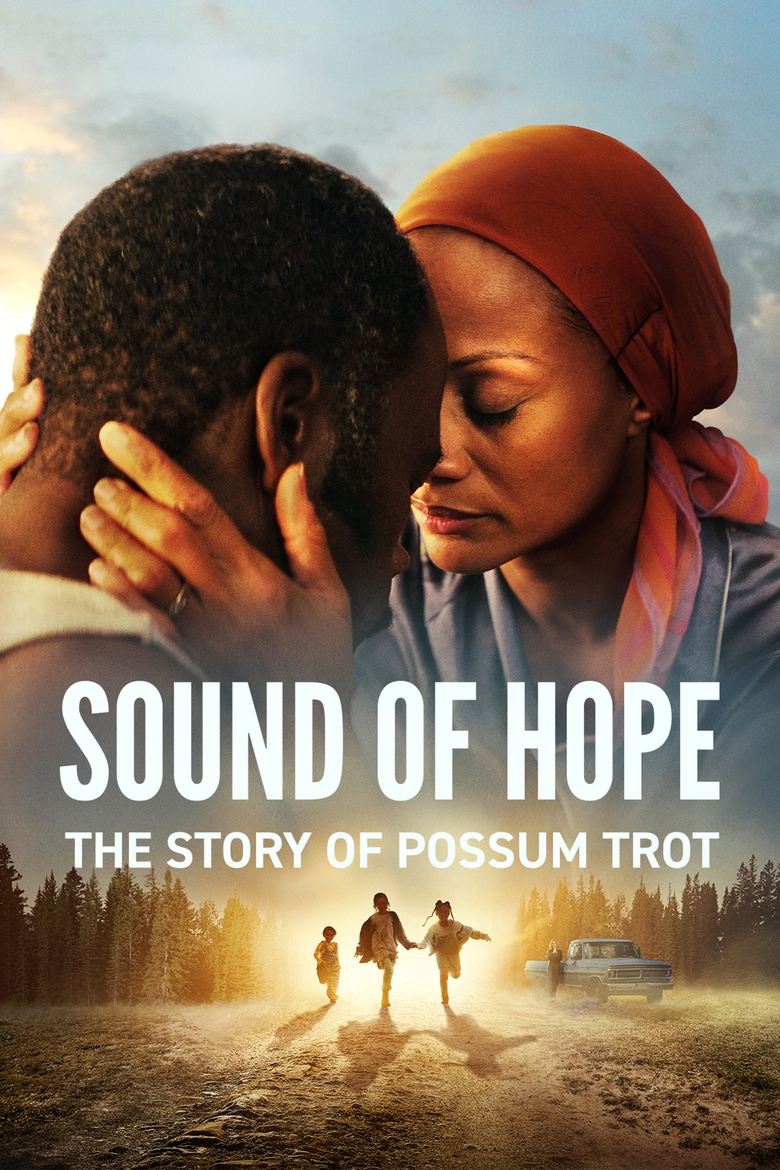
Donna Martin lives in Possum Trot, a small East Texas town, with her husband, Reverend W.C. Martin, and their children. After her mother dies, Donna feels called to help children trapped in foster care. The Martins adopt several children and encourage 22 church families to adopt 77 children who are hard to place. The film is emotional, serious, and strongly shaped by Christian faith. The film centers on adoption, church service, family duty, trauma, and community action. Its main message says that faith and determined love can help children who have been badly hurt. The Black church community is shown as caring, brave, and willing to make sacrifices. The story does not focus on modern identity politics, activist slogans, or attacks on traditional social values.
Community feedback
Was our 4% Woke rating accurate?
Breakdown
These are the editorial factors and ratings behind our score for Sound of Hope: The Story of Possum Trot.
Woke representation / casting
Not present. The cast matches the mainly Black church community shown in the true story. The film does not present its casting as a broad diversity campaign.
0%
Woke political dialogue
Not present. The dialogue centers on faith, adoption, family duty, and foster care. No modern identity, DEI, or activist talking points were found.
0%
Identity-driven story themes
Not present. The story follows children, parents, church members, trauma, and adoption. It does not make race, gender, sexuality, or group identity the main political message.
0%
Western institutional / cultural critique
Not present. The film shows problems in the foster system, but it does not frame them as an attack on Western culture, family roles, Christianity, or capitalism.
0%
Woke character or canon changes
Not relevant. The film is based on a real adoption story. No identity-based change to an established character or historical figure was reported.
0%
Anti-woke backlash and complaints
Not present. No anti-woke complaint that the film pushes DEI, identity politics, or left-wing messaging was found. Right-leaning praise and the Daily Wire dispute were not anti-woke backlash.
0%
Creator track record context
Most key creators have low woke scores and focus on Christian or humanitarian stories. Letitia Wright has a stronger history of black representation and social themes. Her influence is supporting context, but the film itself does not follow that pattern in an activist way.
18%
Production

Movie · 2021
Two couples meet for a painful and raw conversation in the aftermath of a violent tragedy.
Movie · 2016
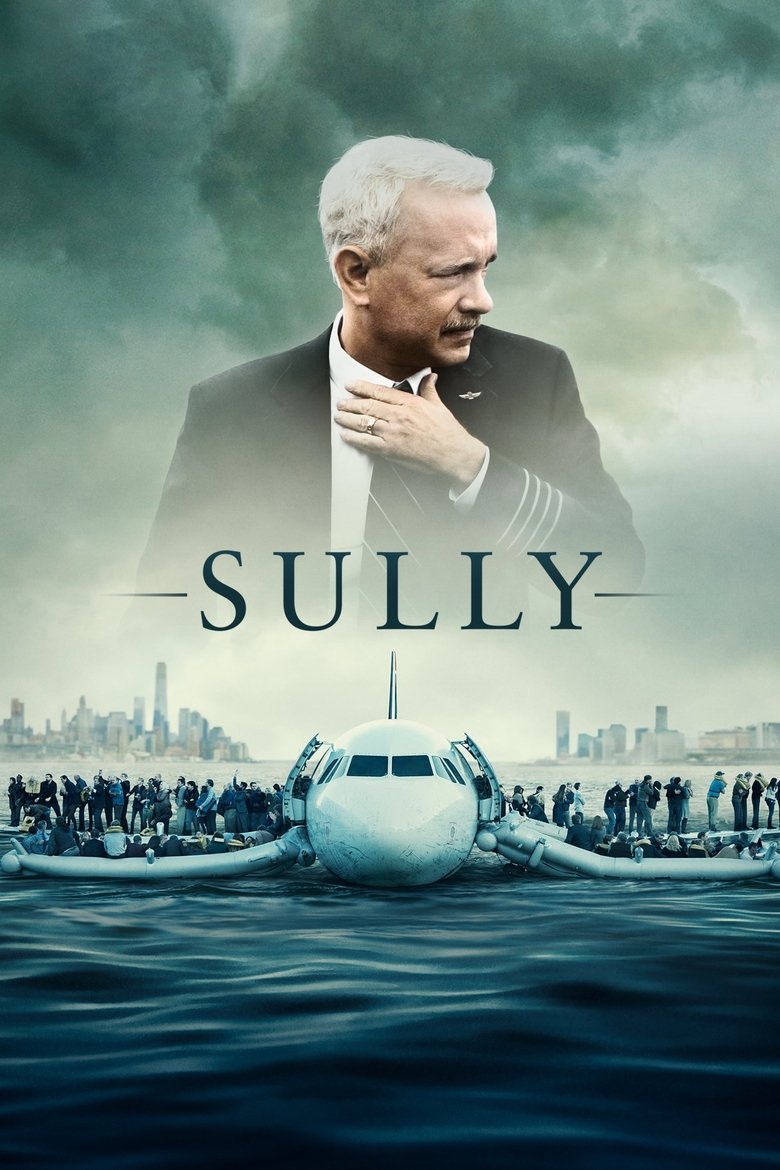
On 15 January 2009, the world witnessed the 'Miracle on the Hudson' when Captain 'Sully' Sullenberger glided his disabled plane onto the Hudson River, saving the lives of all 155…

Movie · 2017
Members of the Granite Mountain Hotshots battle deadly wildfires to save an Arizona town.
Movie · 2022
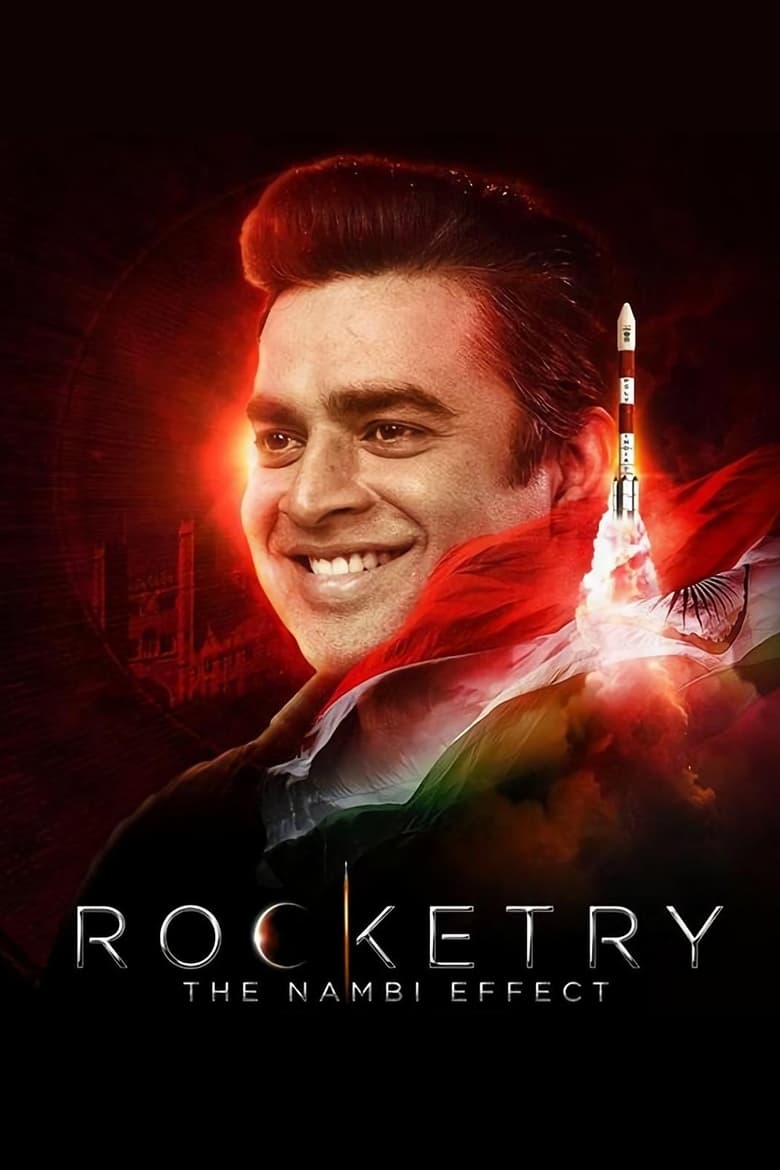
The story of the great Indian rocket scientist, Shri Nambi Narayanan's life, a true patriot, who was turned into a villain in the blink of an eye after being falsely accused of…

Movie · 2022
Based on a true tragedy, the emotionally triggering film sheds light on the plight of Kashmiri Pandits (Hindus), a religious minority in the 1990s Kashmir valley, who were…
Movie · 2020
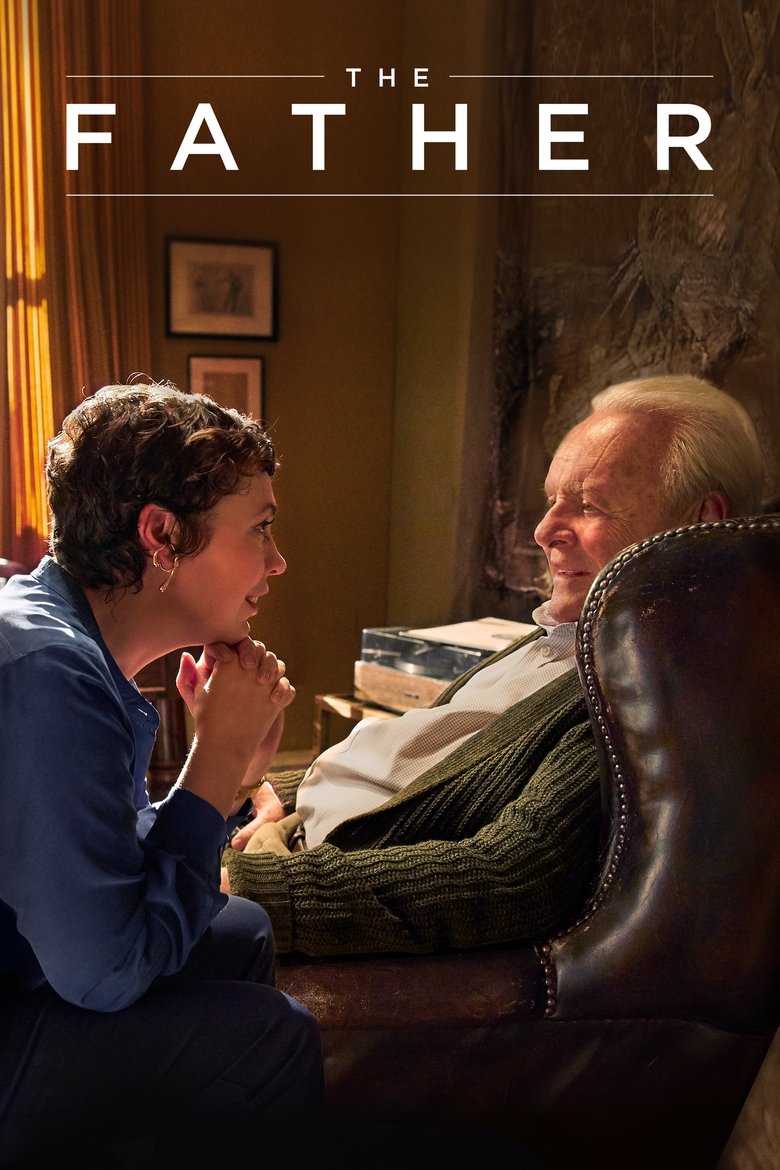
A man refuses all assistance from his daughter as he ages and, as he tries to make sense of his changing circumstances, he begins to doubt his loved ones, his own mind and even…
Movie · 2022
A quiet, neglected girl is sent away from her dysfunctional family to live with relatives for the summer. She blossoms in their care, but in this house where there are meant to be…
Movie · 2023
The story of J. Robert Oppenheimer's role in the development of the atomic bomb during World War II.
