
Movie review
September 20, 2018 · 96 min · PG · Kids · Fantasy · Animation · Comedy · Adventure · Family
Migo is a cheerful young yeti who lives in a hidden village high above the clouds. His life changes after he meets Percy, a human whose kind is said not to exist. The village leader casts Migo out because his discovery goes against the sacred stones that guide every part of yeti life. Migo then begins a funny and fast trip below the clouds to prove the truth and bring Percy home.
The story gives its strongest message to leaders who use fear and false rules to control people. The sacred stones and strange daily acts make the village belief system look foolish, and the story rewards the young yetis who question it. Meechee is a smart female leader who runs a hidden science group and pushes Migo to seek proof. The two species also learn that fear of outsiders can be broken by meeting them and telling the truth.
Community feedback
Was our 71% Woke rating accurate?
Breakdown
These are the editorial factors and ratings behind our score for Smallfoot.
Woke representation / casting
Meechee is a smart female leader who runs the secret science group and gives the story its clearest call to question authority. She saves Percy and pushes Migo toward the truth. Several major yetis are voiced by black and Latino stars, although the characters do not carry those human races on screen. Migo and Percy remain the male leads, so the pattern is clear but not dominant.
28%
Woke political dialogue
The opening song tells yetis to obey the stones and push questions away. The Stonekeeper bans a person who disagrees, calls his false laws good lies, and says leaders must control information for public safety. The story keeps returning to truth, fear, and the right to challenge leaders. The message is central, but it does not name real parties, elections, or policies.
55%
Identity-driven story themes
The story treats humans and yetis as two groups taught to fear each other. The Stonekeeper presents all humans as a dangerous outside group, while humans react to yetis as monsters. Migo and Percy break that fear through friendship, and the ending asks both communities to accept each other. The group message is central, but it is not tied to a named race, sex, or LGBTQ identity.
42%
Western institutional / cultural critique
The yeti belief system uses sacred stones, a creation story, daily acts of faith, and a robed leader. The movie reveals that the leaders invented every stone and use fear to keep the village obedient. The story makes the young questioners brave and proves the old beliefs false. The leader has a real safety reason and later helps the heroes, but the attack on closed religion and blind tradition stays central.
72%
Woke character or canon changes
Not relevant. The movie does not change a known character or real person for identity reasons.
0%
Anti-woke backlash and complaints
Several Christian and right-leaning reviewers said the film mocks faith or aims its message at Christianity. They compared the stones to the Ten Commandments and called the story anti-religious or agenda-driven. Parent comments also argued that it teaches children to distrust religious leaders and old beliefs. The complaints were real and repeated, but they did not become a large or lasting public campaign.
46%
Creator track record context
Most cached scores for the director, writers, casting director, and producers sit between 0 and 15. Nicholas Stoller is the main high result at 56 because of his queer representation work. Courtenay Valenti is another higher result at 45 because of her work for underrepresented filmmakers. The full group still has a low track record score.
14%
Production

Movie · 2025
Desperate to be a big guy, SpongeBob sets out to prove his bravery to Mr. Krabs by following The Flying Dutchman – a mysterious swashbuckling ghost pirate – on a seafaring…
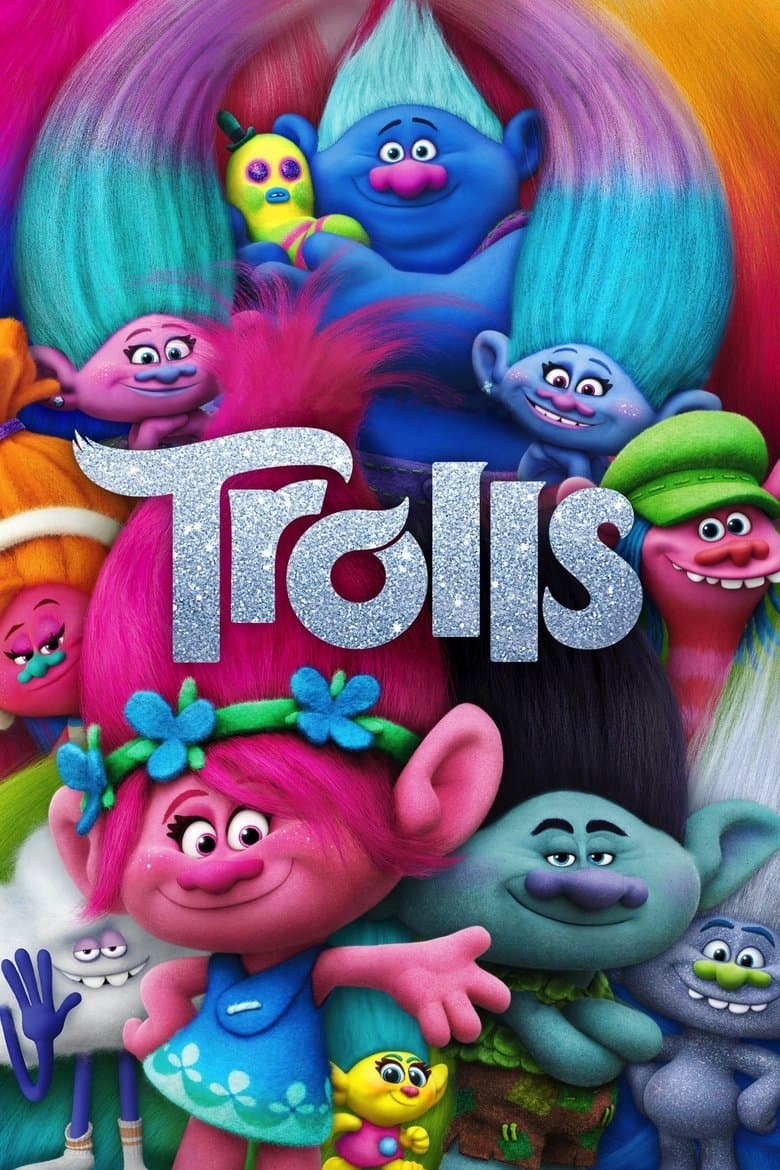
Movie · 2016
After the monstrous Bergens invade Troll Village, Princess Poppy, the happiest Troll ever born, and overly-cautious, curmudgeonly outcast Branch set off on a journey to rescue her…
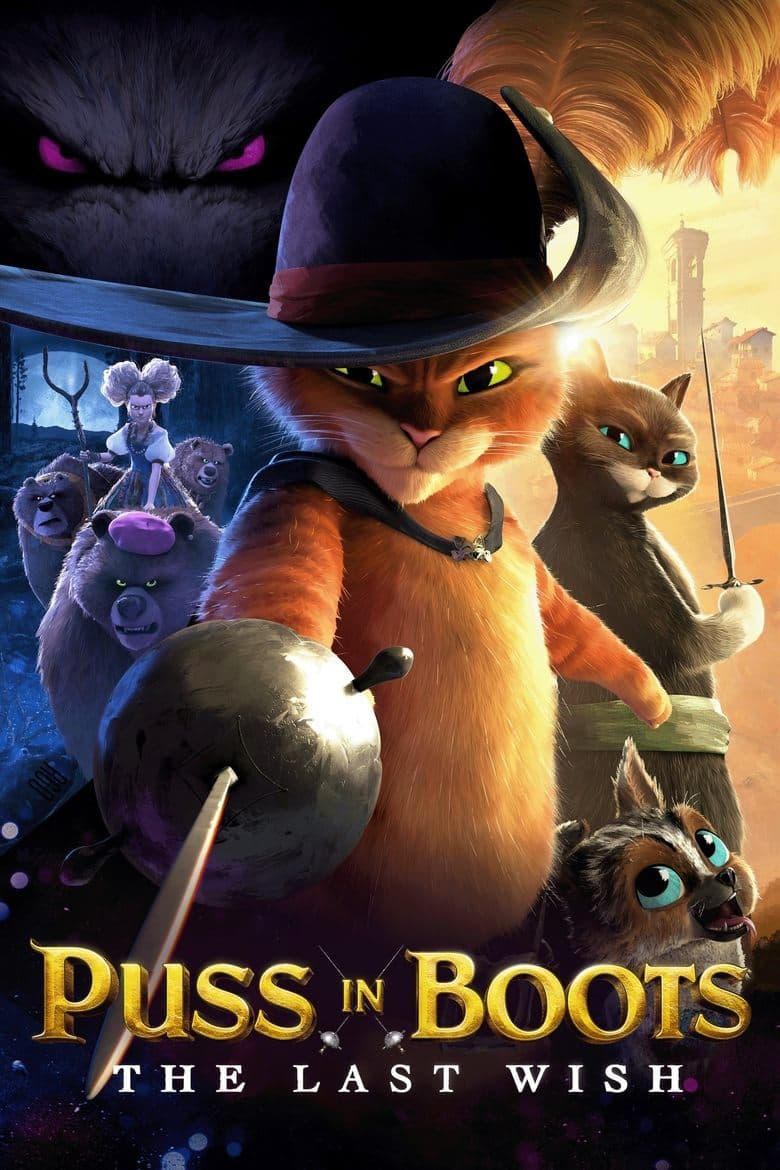
Movie · 2022
Puss in Boots discovers that his passion for adventure has taken its toll: He has burned through eight of his nine lives, leaving him with only one life left.
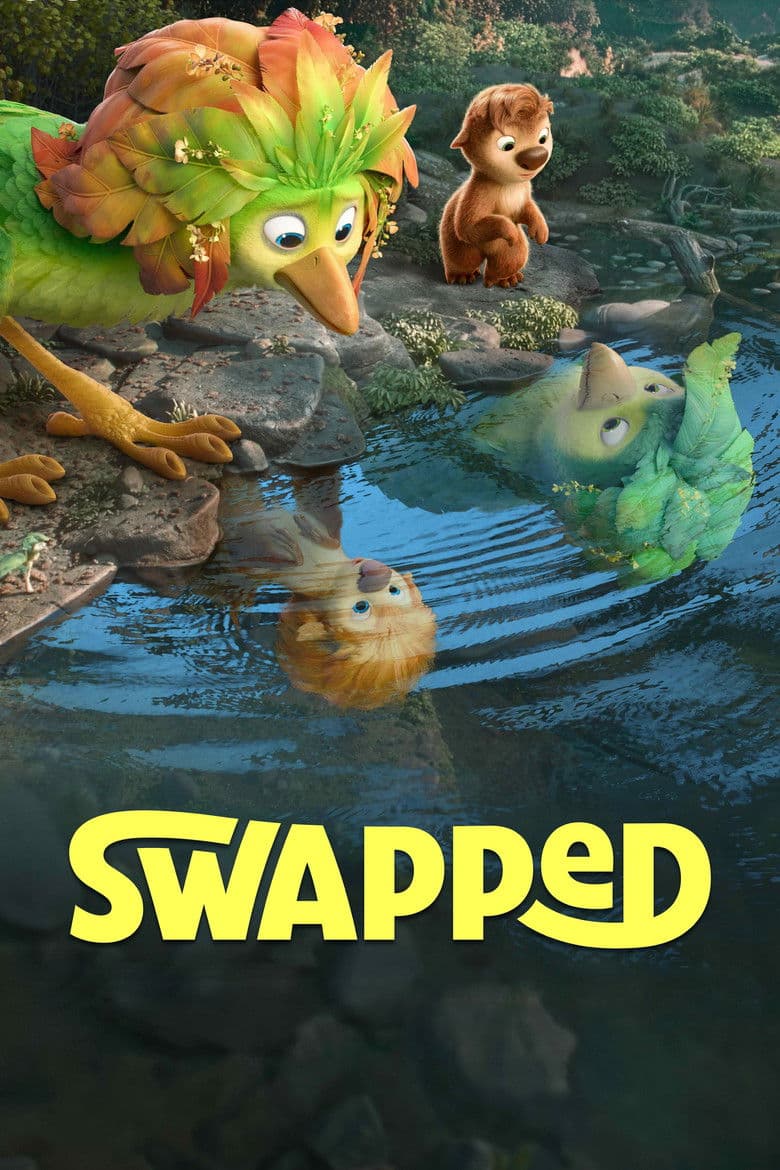
Movie · 2026
A small woodland creature and a majestic bird, two natural sworn enemies of the Valley, magically trade places and set off on an adventure of a lifetime to switch back.

Movie · 2019
A young girl named June with a big imagination makes an incredible discovery -- the amusement park of her dreams has come to life.

Movie · 2019
Marla is forced to abandon her carefully structured life to embark on an epic journey to find her younger brother Charlie who has disappeared into the vast and wondrous animated…
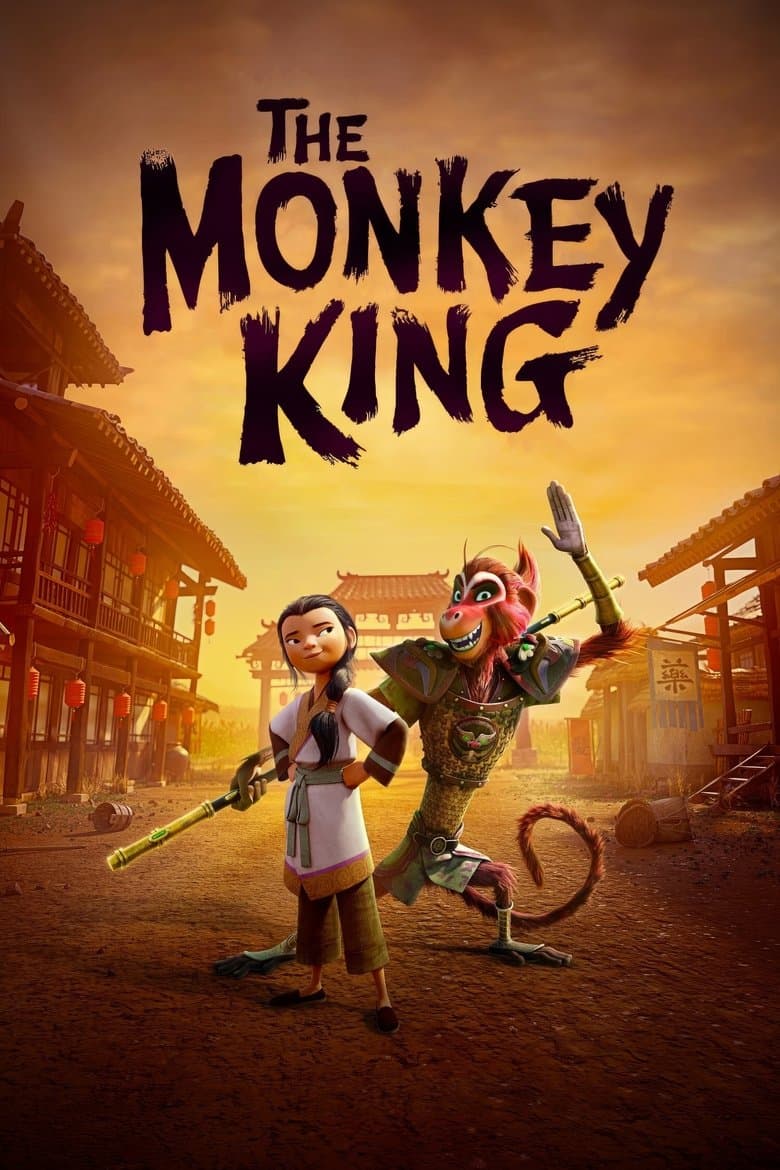
Movie · 2023
A stick-wielding monkey teams with a young girl on an epic quest for immortality, battling demons, dragons, gods — and his own ego — along the way.
Movie · 2019
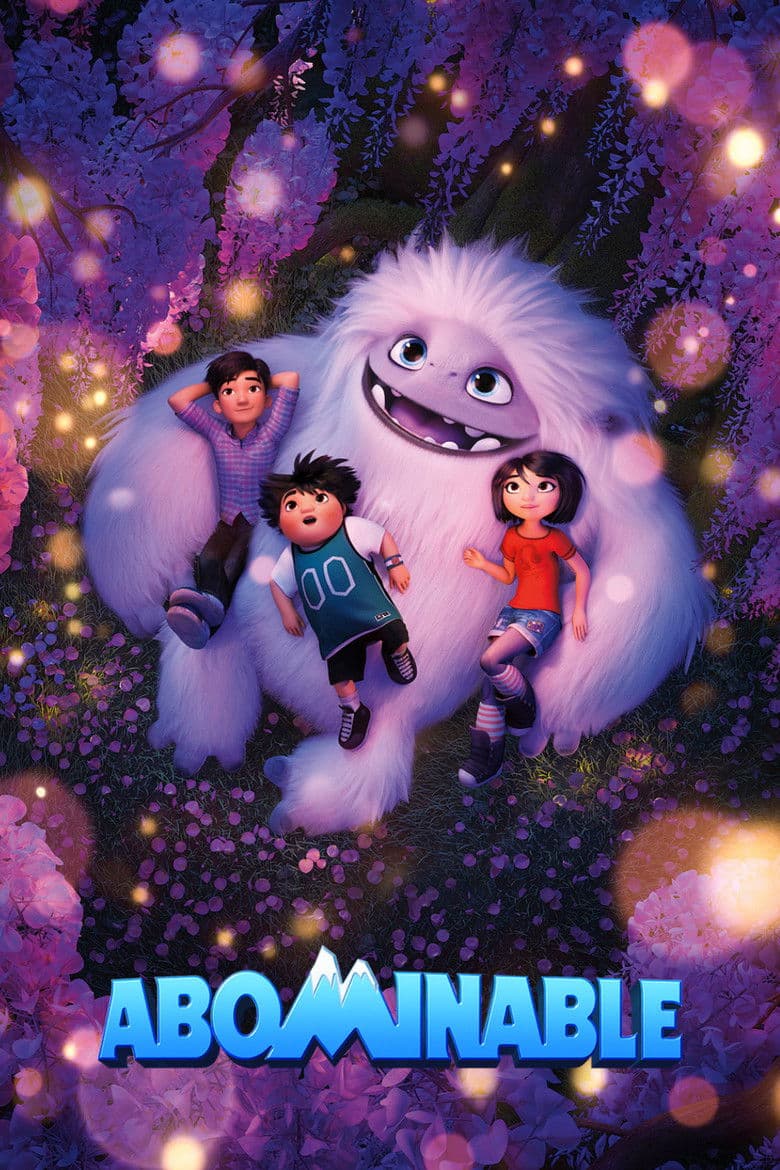
A group of misfits encounter a young Yeti named Everest, and they set off to reunite the magical creature with his family on the mountain of his namesake.
