Movie review
September 1, 2021 · 132 min · PG-13 · Fantasy · Action · Adventure
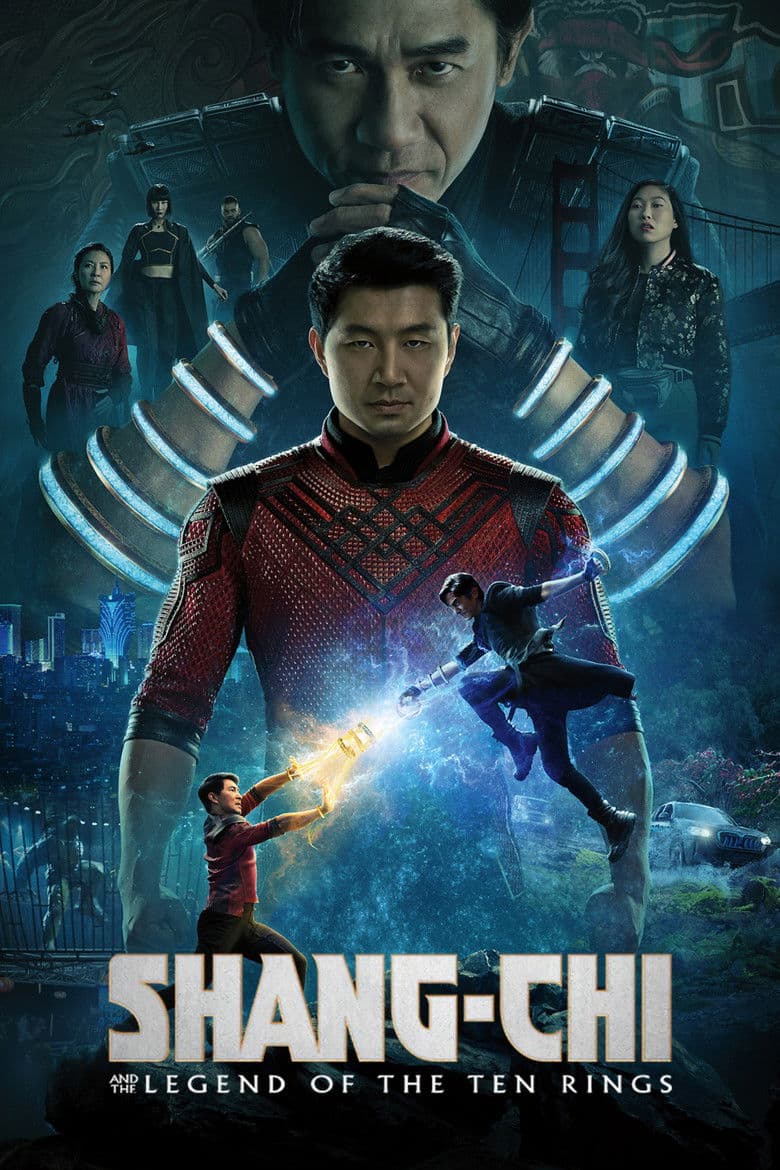
Shang-Chi is a young man living a quiet life in San Francisco under a fake name. He is really the son of Wenwu, a long-lived warlord who runs the secret Ten Rings group and wears ten magic rings. When his past catches up with him, he must team up with his best friend Katy and his sister Xialing. They face family secrets, big martial-arts fights, and a hidden village tied to Chinese myths. The tone mixes fun action, family drama, and fantasy.
A normal viewer would notice this film as Marvel’s big Asian-led superhero movie. Marketing and reviews pushed Asian representation and pride. The story itself is mostly about a broken family, training, and a monster threat, not long political speeches. Clear identity elements still show up: a mostly Asian cast in a Chinese-rooted tale, creators talking about fixing racist comic ideas, and Xialing’s arc against her father’s sexist rules, ending with her taking charge and training women too. Those parts are easy to see, but the movie still plays like a martial-arts family adventure more than a full activist message film.
Community feedback
Was our 52% Woke rating accurate?
Breakdown
These are the editorial factors and ratings behind our score for Shang-Chi and the Legend of the Ten Rings.
Woke representation / casting
First MCU film with an Asian lead and a mostly Asian cast, pushed hard as representation. Casting matches Chinese characters and the story world, so it is not race-swapping white roles, but promo and franchise framing make identity very visible. Marketing heavily pushed all-Asian cast as historic MCU diversity milestone.
30%
Woke political dialogue
Talk is mostly family, fighting, and myth. Light lines about a father’s old gender rules and everyday Asian American life. No long activist speeches about race systems, capitalism, or modern party politics.
18%
Identity-driven story themes
Asian heritage, living between cultures, and “owning who you are” sit near the center of how the film is framed. Xialing’s path against sexist exclusion and her ending as leader who trains women add a clear gender-empowerment beat. Still mainly family action-fantasy, not a full social-justice sermon.
40%
Western institutional / cultural critique
Mild pushback on one father’s traditional gender bias. Not a broad attack on Western governments, churches, capitalism, or Western culture as a whole.
18%
Woke character or canon changes
Father rewritten away from Fu Manchu-style racist caricature into Wenwu; comic white mother replaced with a Chinese mother; creators openly aimed to drop Asian stereotypes and fix past MCU Mandarin issues. Ring redesign and other tweaks are ordinary adaptation, not scored as woke.
46%
Anti-woke backlash and complaints
Some online and later MCU debates call it part of Marvel’s “woke” diversity slate. That complaint is real but smaller and less focused than for several other Phase 4 titles. Many viewers did not treat the film as political.
18%
Creator track record context
Feige, Alonso, and Finn bring higher diversity-advocacy patterns. Cretton and Callaham framed this title around Asian authenticity and stereotype cleanup. Several other listed producers and the action director have low or no activist public records.
36%
Production
Movie · 2021
Washed-up MMA fighter Cole Young, unaware of his heritage, and hunted by Emperor Shang Tsung's best warrior, Sub-Zero, seeks out and trains with Earth's greatest champions as he…
Movie · 2018
Lara Croft, the fiercely independent daughter of a missing adventurer, must push herself beyond her limits when she finds herself on the island where her father disappeared.
Movie · 2016
The peaceful realm of Azeroth stands on the brink of war as its civilization faces a fearsome race of invaders: orc warriors fleeing their dying home to colonize another.
Movie · 2022
A new adventure begins for Luffy and his crew when mysterious pop superstar Uta unveils her identity — and launches a misguided plan for world peace.
Movie · 2016
European mercenaries searching for black powder become embroiled in the defense of the Great Wall of China against a horde of monstrous creatures.
Movie · 2022
Prince Amleth is on the verge of becoming a man when his father is brutally murdered by his uncle, who kidnaps the boy's mother.
Movie · 2018
It has been ten years since The Battle of the Breach and the oceans are still, but restless. Vindicated by the victory at the Breach, the Jaeger program has evolved into the most…
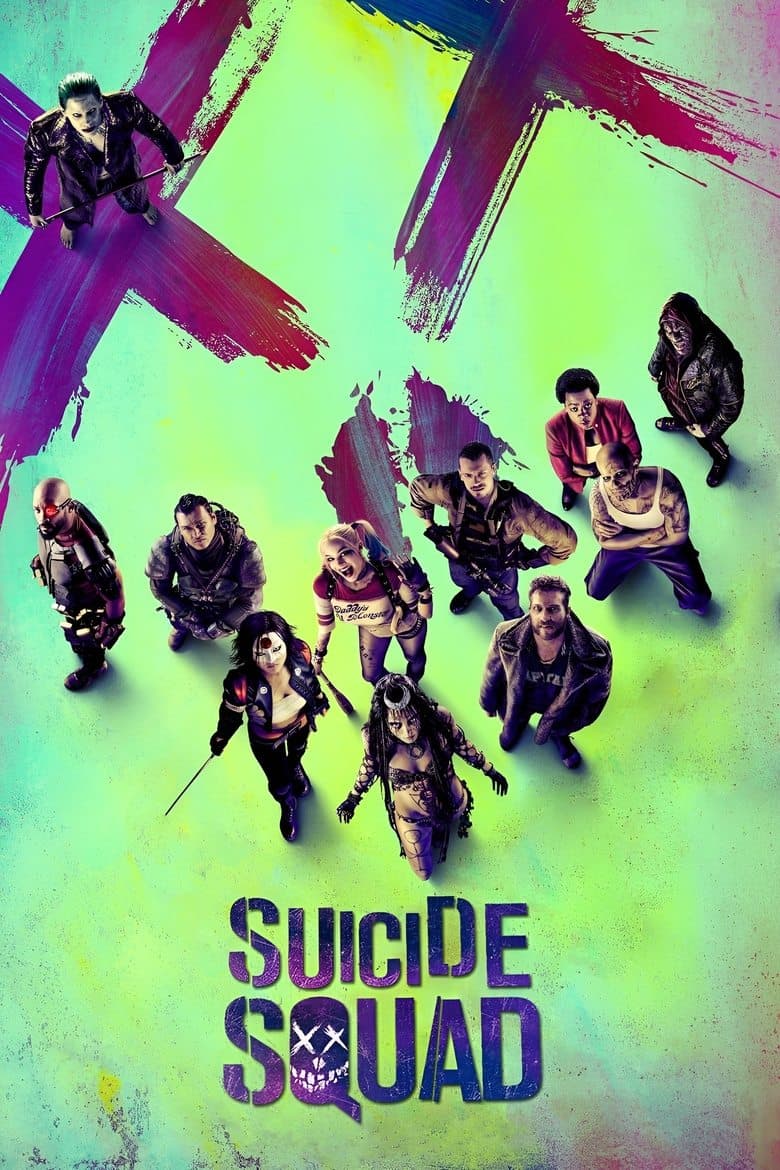
Movie · 2016
From DC Comics comes the Suicide Squad, an antihero team of incarcerated supervillains who act as deniable assets for the United States government, undertaking high-risk black ops…
