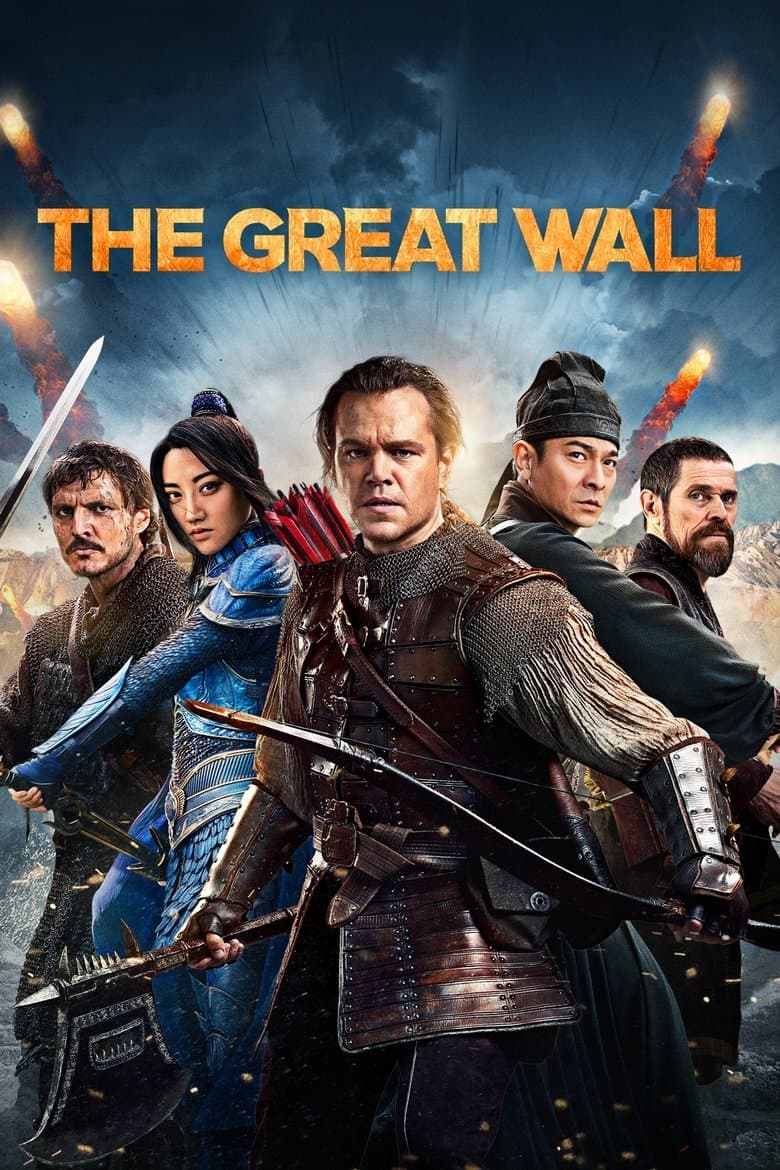
William Garin is an Irish mercenary who crosses into ancient China with his Spanish partner, Tovar, to steal black powder. The two men are caught by the Nameless Order, a large army guarding the Great Wall from the Tao Tei, strange beasts that attack every sixty years. Commander Lin Mae leads the Crane unit, while Strategist Wang studies how the creatures can be stopped. The film uses bright colors, fast battles, and a simple change from greed to duty.
The clearest identity signal is the all-female Crane unit, which fights as an elite part of the army and places Lin Mae in a top command role. The story treats her skill and courage as part of the army’s heroism, but the plot spends more time on trust, sacrifice, and battle than on gender. William begins as a selfish killer who trusts no one, then learns that the Chinese soldiers fight for trust, sacrifice, and the safety of others. The story ends with teamwork across cultures, while the monsters and the battle remain the main focus.
Community feedback
Was our 30% Woke rating accurate?
Breakdown
These are the editorial factors and ratings behind our score for The Great Wall.
Woke representation / casting
The film gives Commander Lin Mae a high military rank and makes her the leader of the all-female Crane Corps. The blue-armored women carry out dangerous aerial attacks and stay in the main defense. Jing Tian described the role as showing equal leadership and girl power in interview coverage. The Chinese casting fits the setting, so the score comes from the strong female-leader pattern and not from the large Chinese cast.
32%
Woke political dialogue
Not present. No political, activist, or identity-focused dialogue exists; all conversation concerns tactics, survival, greed versus duty, and immediate battle needs.
0%
Identity-driven story themes
The film makes the female Crane Corps an elite part of its heroic battle. The story presents Lin Mae as a skilled commander who earns respect from men and women. Jing Tian framed the film’s equal leadership and girl power as a key appeal of the role. The larger message centers on trust, duty, and sacrifice, so the gender message is visible but not the whole plot.
28%
Western institutional / cultural critique
Not present in this title.
0%
Woke character or canon changes
Not present in this title.
0%
Anti-woke backlash and complaints
A few right-leaning or anti-PC writers called the Matt Damon debate a politically correct controversy and defended the film’s casting. Some reviews also called the Chinese military idealized or the movie pro-Chinese propaganda. The larger 2016 backlash came from Asian American critics who objected to whitewashing and a white-savior setup, so that reaction is not counted here. The anti-woke response stayed small and did not become a major campaign.
14%
Creator track record context
Zhang Yimou’s past work often shows women trapped by old male-led systems, which gives a mild representation-focused context. Marshall Herskovitz has Democratic work, climate activism, and earlier TV stories about social issues. Thomas Tull has no strong left or identity-driven record, while Hana Sooyeon Kim, Helen Jarvis, and Zhao Xiaoding have no high-confidence activist record. The team adds light context, but it does not show a strong activist pattern tied to this film.
22%
Production
Movie · 2016
Fearing the actions of a god-like Super Hero left unchecked, Gotham City’s own formidable, forceful vigilante takes on Metropolis’s most revered, modern-day savior, while the…
Movie · 2018
Lara Croft, the fiercely independent daughter of a missing adventurer, must push herself beyond her limits when she finds herself on the island where her father disappeared.
Movie · 2017
When Mahendra, the son of Bāhubali, learns about his heritage, he begins to look for answers. His story is juxtaposed with past events that unfolded in the Mahishmati Kingdom.
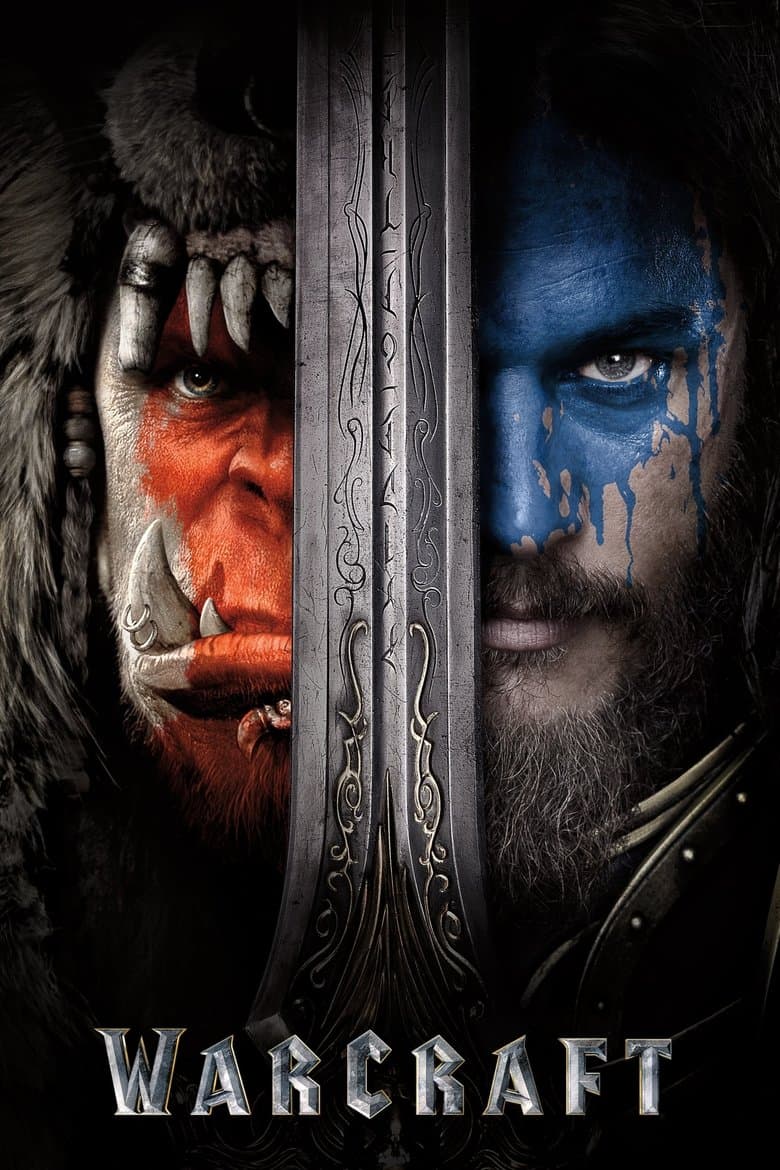
Movie · 2016
The peaceful realm of Azeroth stands on the brink of war as its civilization faces a fearsome race of invaders: orc warriors fleeing their dying home to colonize another.
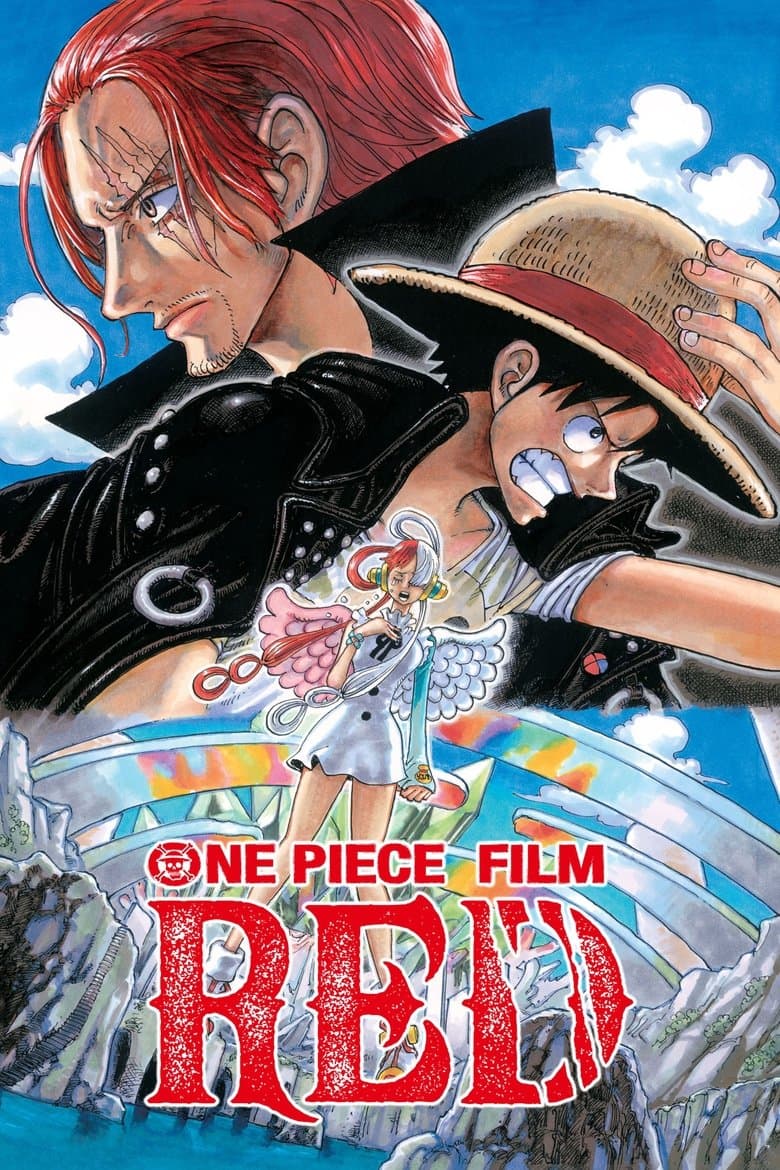
Movie · 2022
A new adventure begins for Luffy and his crew when mysterious pop superstar Uta unveils her identity — and launches a misguided plan for world peace.
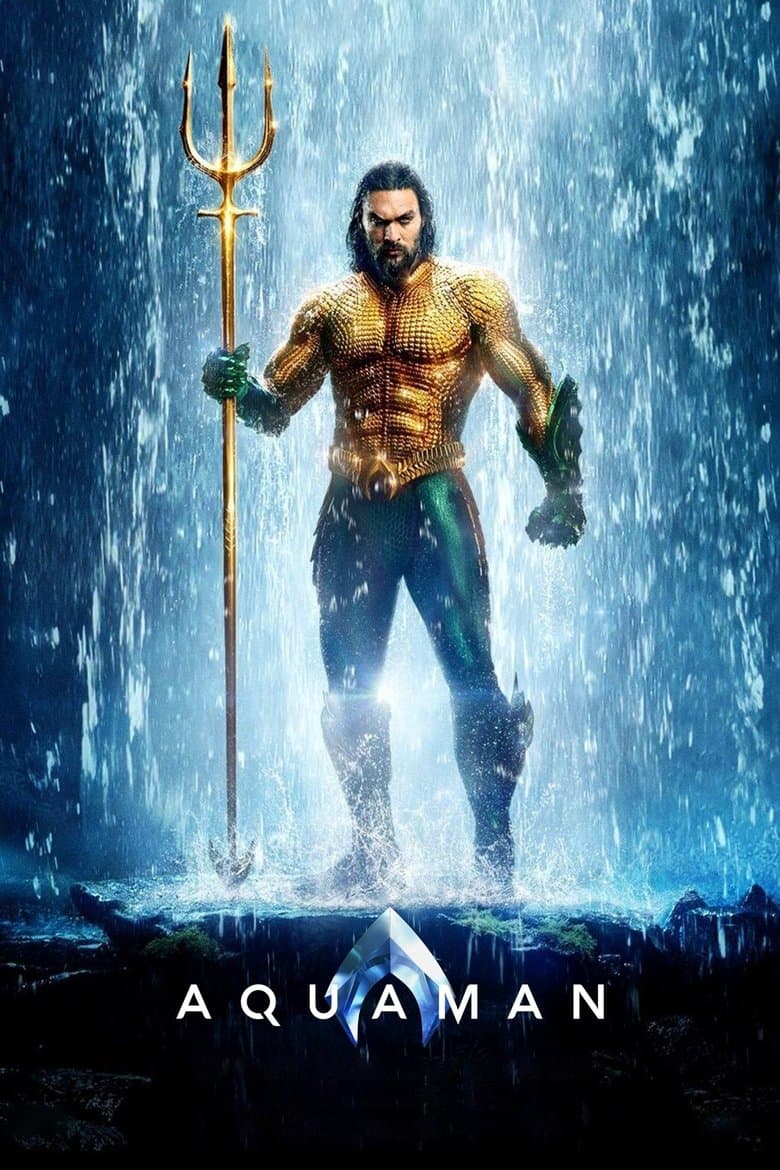
Movie · 2018
Half-human, half-Atlantean Arthur Curry is taken on the journey of his lifetime to discover if he is worth of being a king.
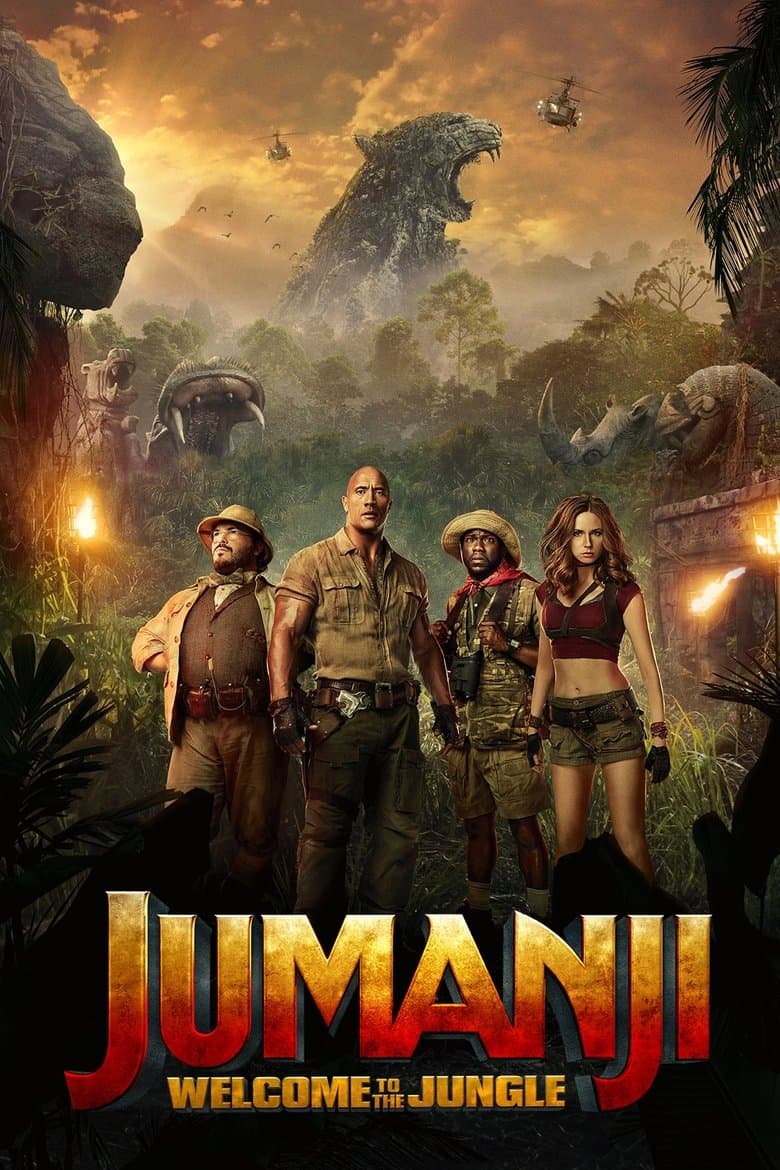
Movie · 2017
Four teenagers in detention discover an old video game console with a game they’ve never heard of. When they decide to play, they are immediately sucked into the jungle world of…
Movie · 2026
The fan favorite champions—now joined by Johnny Cage himself—are pitted against one another in the ultimate, no-holds barred, gory battle to defeat the dark rule of Shao Kahn that…
