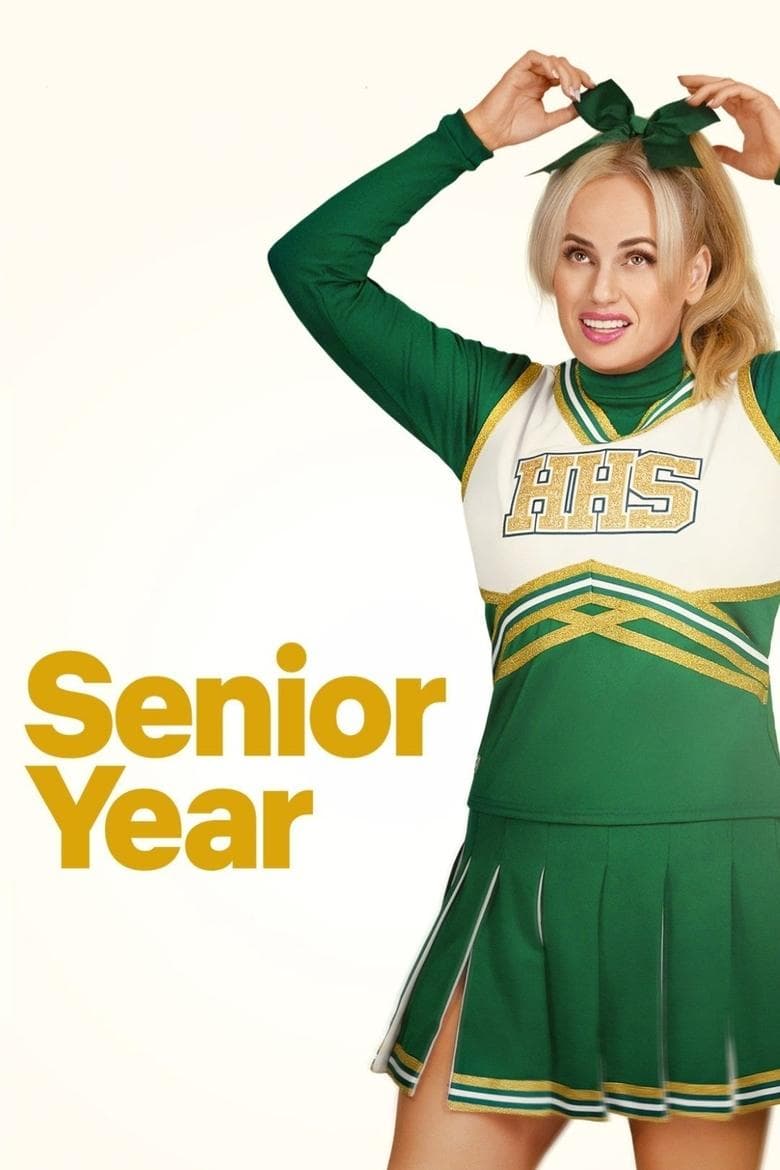
Senior Year follows Stephanie Conway, a popular cheerleader who falls during a stunt in 2002 and spends twenty years in a coma. At age 37, she returns to Harding High to finish the last month of school, win prom queen, and chase the life she thinks she lost. Her old friend Martha is now the principal, while her old boyfriend is married to her rival and has a daughter who rules the school online. The film is a loud, raunchy comedy built around early 2000s songs, clothes, jokes, and a clash between two school generations.
The film repeatedly contrasts Stephanie’s competitive cheer culture with a school that removes prom king and queen, treats every student as a leader, and uses cheers about climate change, gun control, consent, and plastic straws. The school also uses gender-neutral cheer clothes and teaches students to avoid some older insults. Martha’s story adds a clear identity theme because she says she was a closeted lesbian who feared rejection. Gay student Yaz and Indian student Janet join the visible outsider group, while Lance is a gender-bending boy who dates the popular girl. The main story still follows Stephanie learning that friends and honesty matter more than status.
Community feedback
Was our 56% Woke rating accurate?
Breakdown
These are the editorial factors and ratings behind our score for Senior Year.
Woke representation / casting
The film gives major student roles to a black friend, an Indian friend, a gay boy, and a gender-bending male prom king. The student group makes race, sexuality, and gender expression easy to notice in its outsider circle. A diverse American school can support a mixed cast, so this remains a clear but moderate representation pattern. The film does not openly sell the casting as a diversity campaign.
35%
Woke political dialogue
The school’s cheer squad repeatedly performs messages about climate change, gun control, consent, and plastic straws. Students also talk about everyone winning, avoiding some old words, and building a socially aware brand. The lines appear as a running joke about modern school culture, while the film also treats kindness and inclusion as good. This makes the political dialogue noticeable across the middle of the movie.
45%
Identity-driven story themes
Martha reveals that she was a closeted lesbian who feared rejection from her friends. Gay student Yaz and gender-bending Lance are treated as accepted parts of the school. Stephanie learns to value inclusion, honest friendship, and being herself over status. The identity material supports a meaningful subplot, but Stephanie’s popularity and personal growth remain the main story.
42%
Western institutional / cultural critique
Principal Martha removes prom king and queen, stops ranking students, and puts the cheer team in loose gender-neutral uniforms. The school leadership treats sexualized cheerleading, competition, and old popularity rules as problems. Stephanie mocks these changes, so the film does not give a simple one-sided approval. The school debate returns through several scenes, making this more than a single joke.
36%
Woke character or canon changes
Not relevant. This is an original story with no established characters, canon, or real historical figures being changed.
0%
Anti-woke backlash and complaints
The Federalist argues that the film shows a “woketopia” where competition, prom titles, and old rules have been removed. That article says the movie may normalize far-left practices even while it mocks them. Some online reviews and audience posts also mention the film’s woke jokes, but they mostly focus on weak humor, the plot, or nostalgia. No major organized backlash appeared in the reviewed coverage.
27%
Creator track record context
The supplied context rates Brandon Scott Jones at 60/100 and producer Rebel Wilson at 49/100. Jones links the film’s all-inclusive school and queer visibility to his experience as a closeted queer teen. Wilson describes the story as a way to play with how “woke” and “fluid” society had become. Alex Hardcastle is rated 26/100 in the supplied context, and the other listed creators have low or limited activist records.
45%
Production
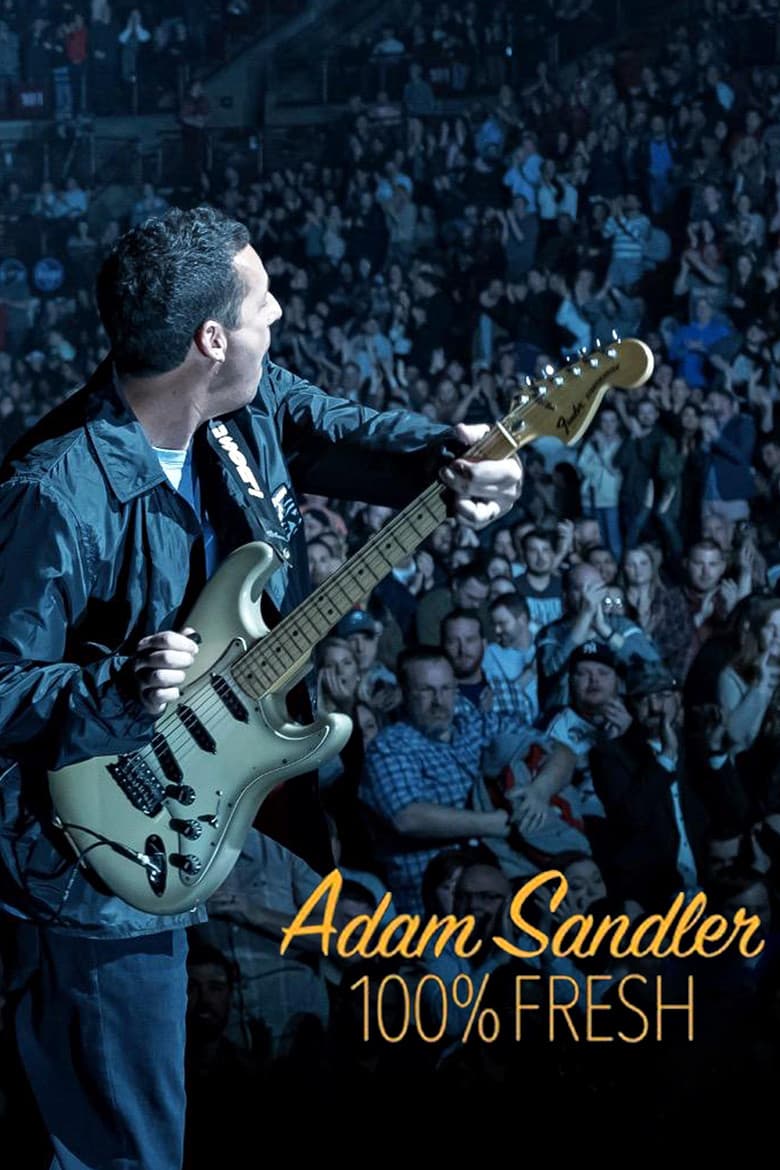
Movie · 2018
Adam Sandler takes his comical musical musings back out on the road, from comedy clubs to concert halls to one very unsuspecting subway station.
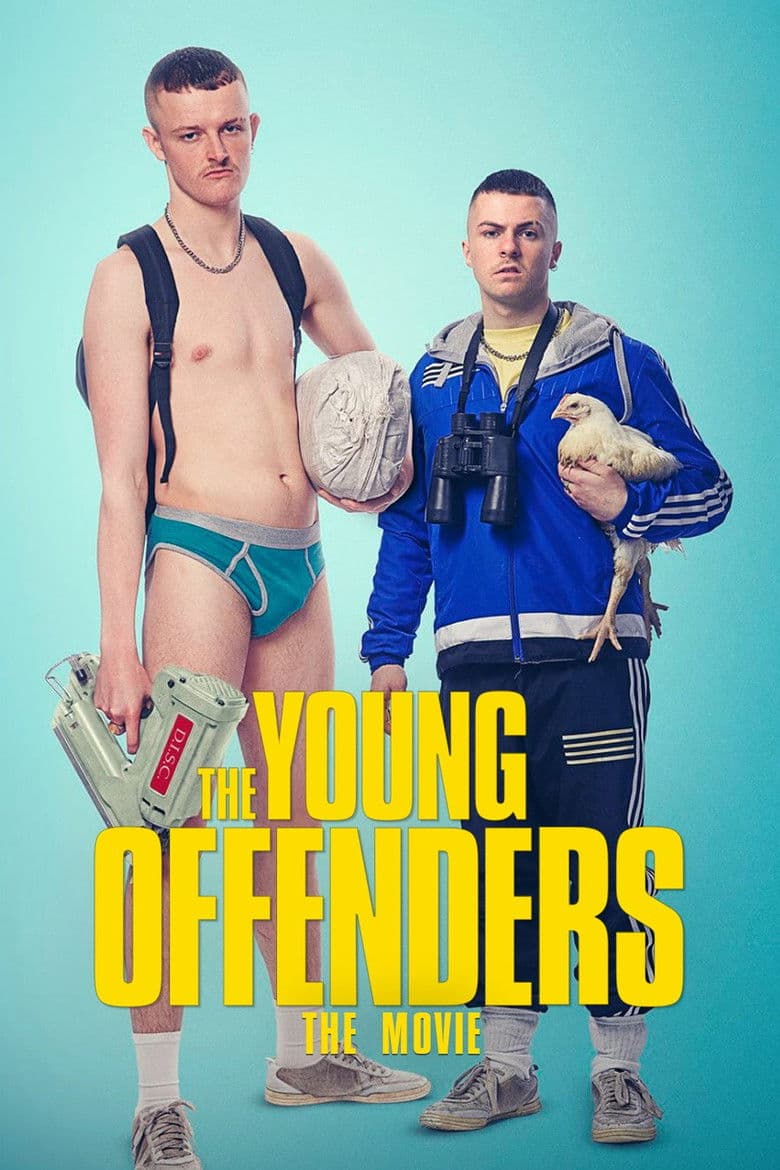
Movie · 2016
Two teenage boys from inner-city Cork steal bicycles and ride off on a 160km quest to find an unrecovered bale of cocaine worth 7,000,000 euros.
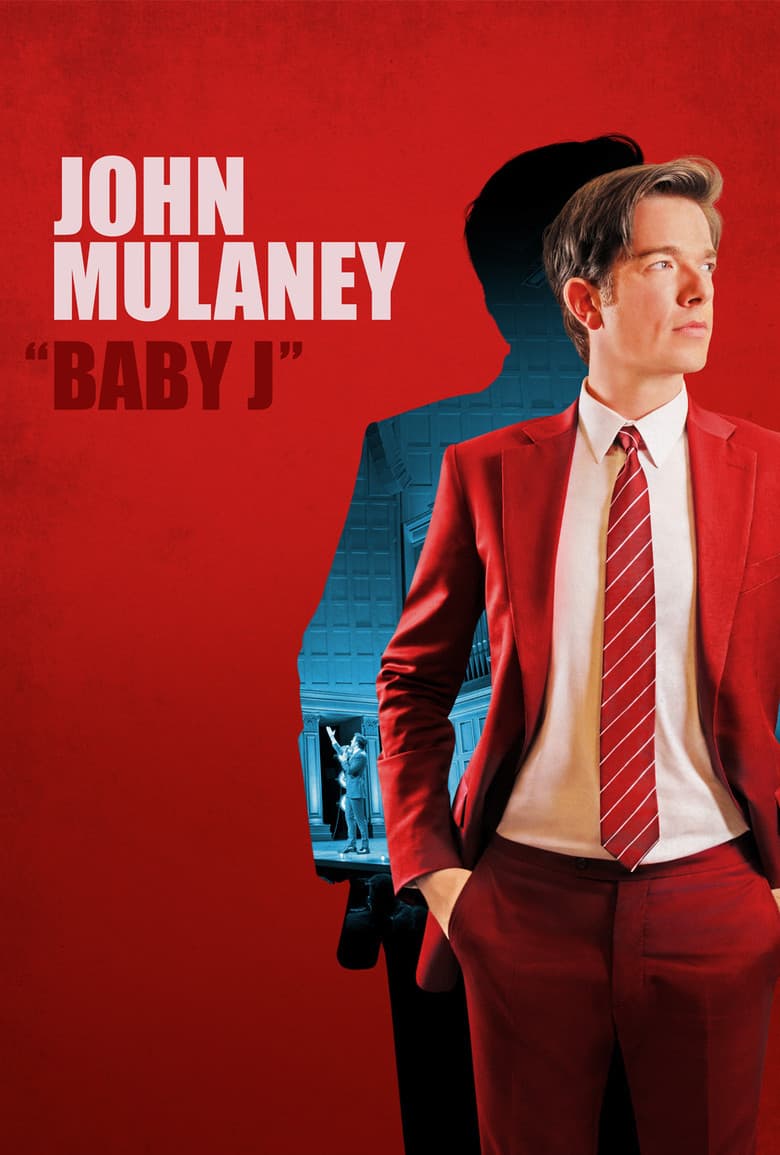
Movie · 2023
A chaotic intervention. An action-packed stay in rehab. After a weird couple of years, John Mulaney comes out swinging in his return to the stage.
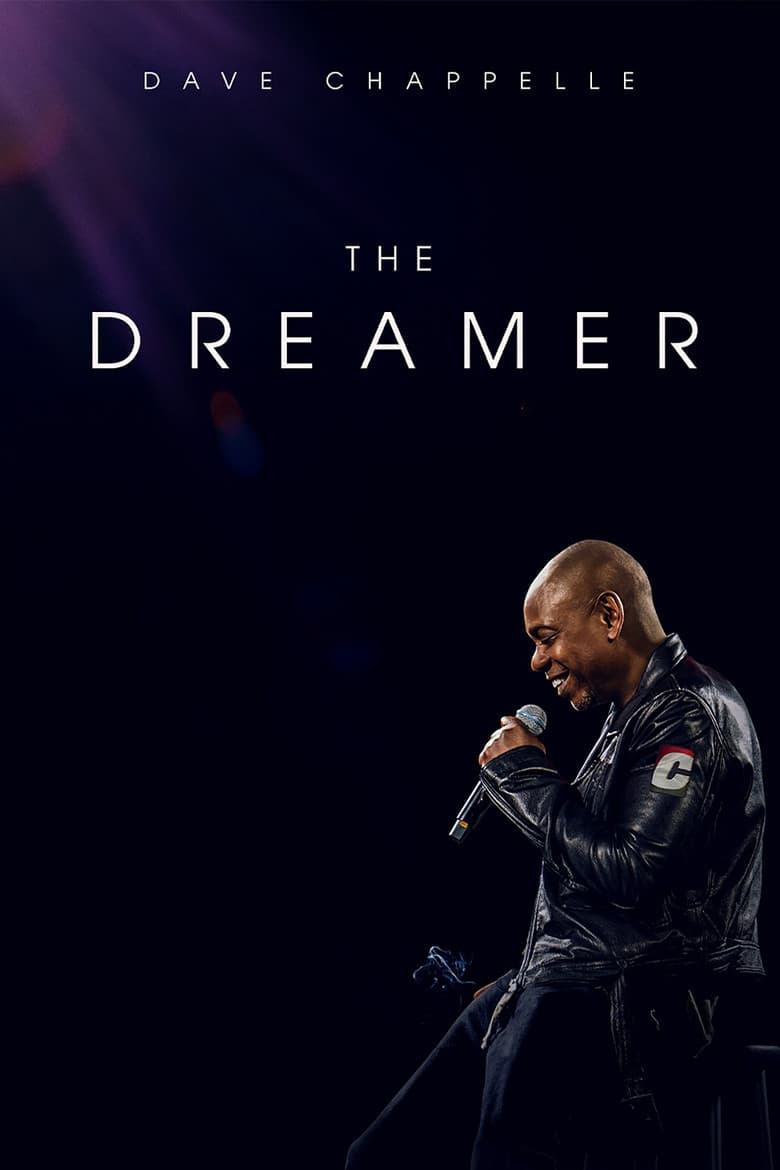
Movie · 2023
From his onstage tackle to the slap heard round the world, Dave Chappelle lets loose in this freewheeling and unfiltered stand-up comedy special.
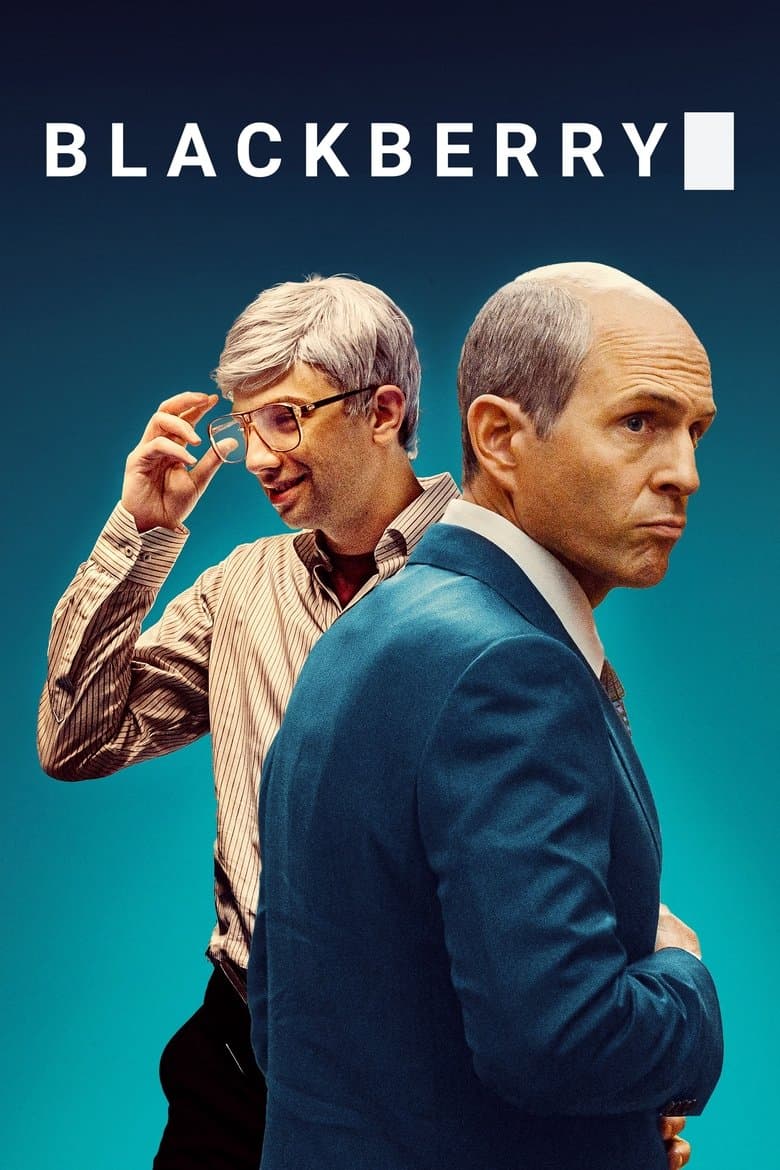
Movie · 2023
Two mismatched entrepreneurs – egghead innovator Mike Lazaridis and cut-throat businessman Jim Balsillie – joined forces in an endeavour that was to become a worldwide hit in…
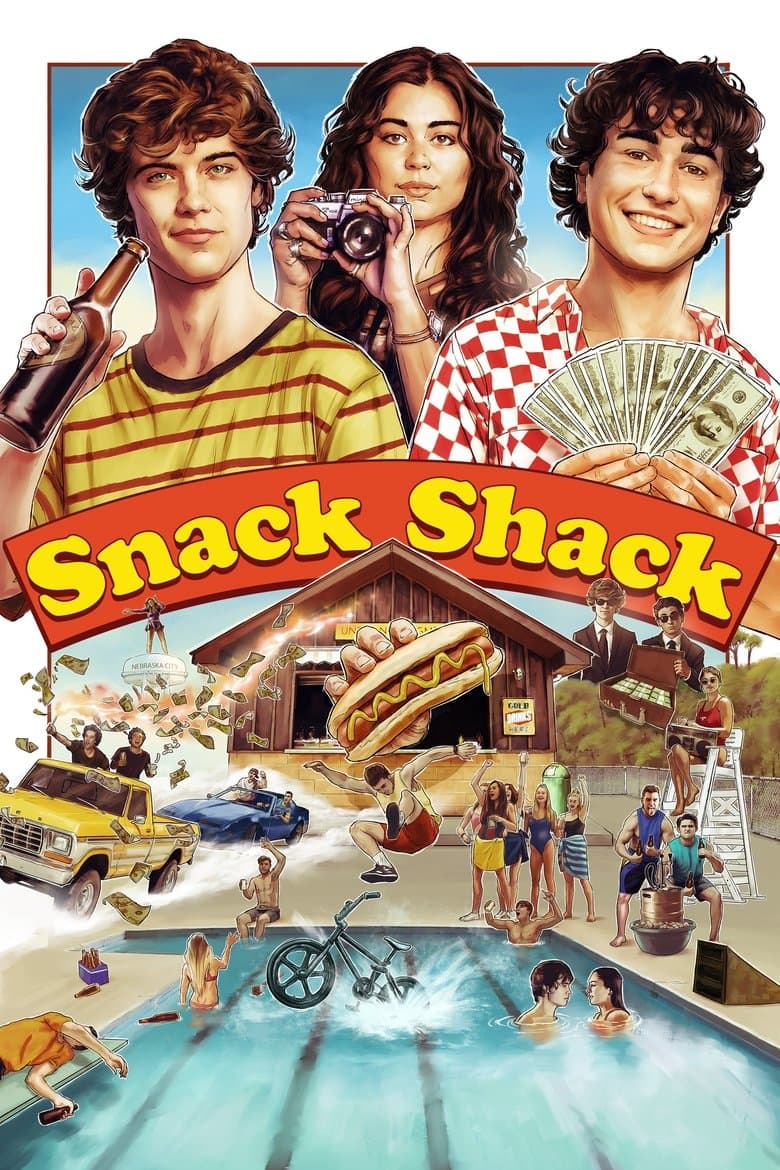
Movie · 2024
Inseparable best friends AJ and Moose decide to run the local pool's snack shack after their plan to sell home-brewed beer goes down the drain.
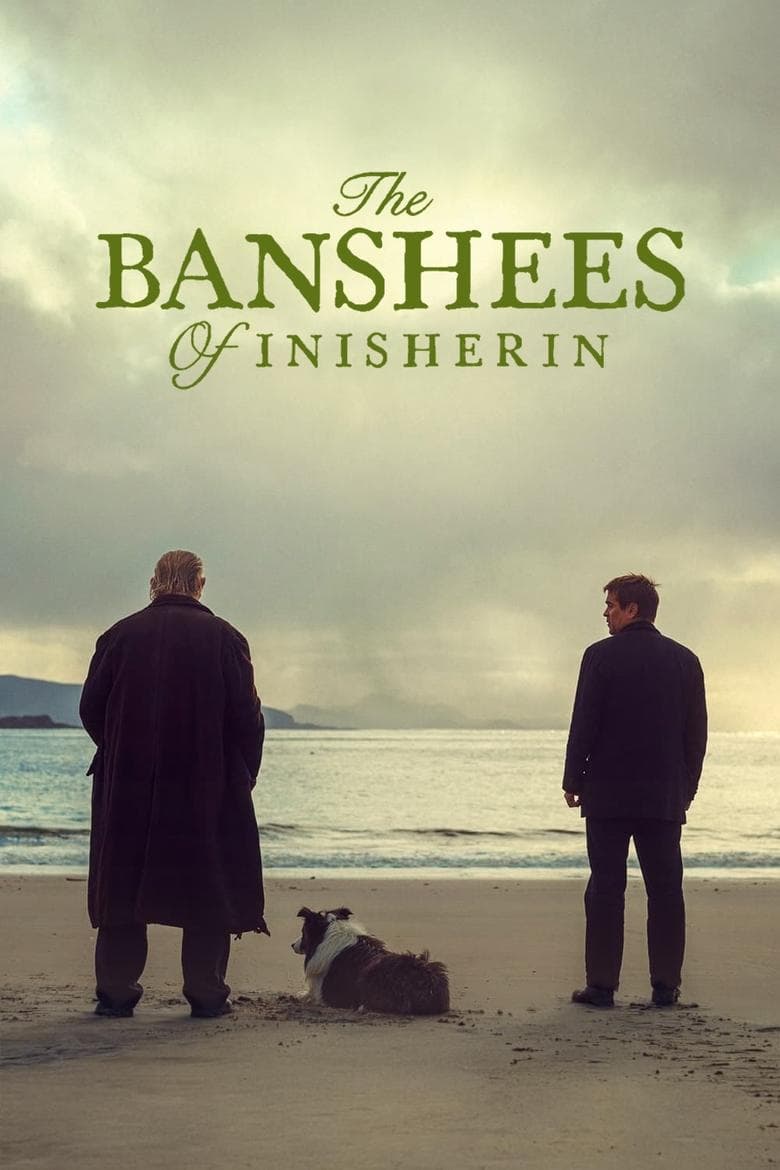
Movie · 2022
Two lifelong friends find themselves at an impasse when one abruptly ends their relationship, with alarming consequences for both of them.
Movie · 2016
A comedy that follows a group of friends as they navigate their way through the freedoms and responsibilities of unsupervised adulthood.
