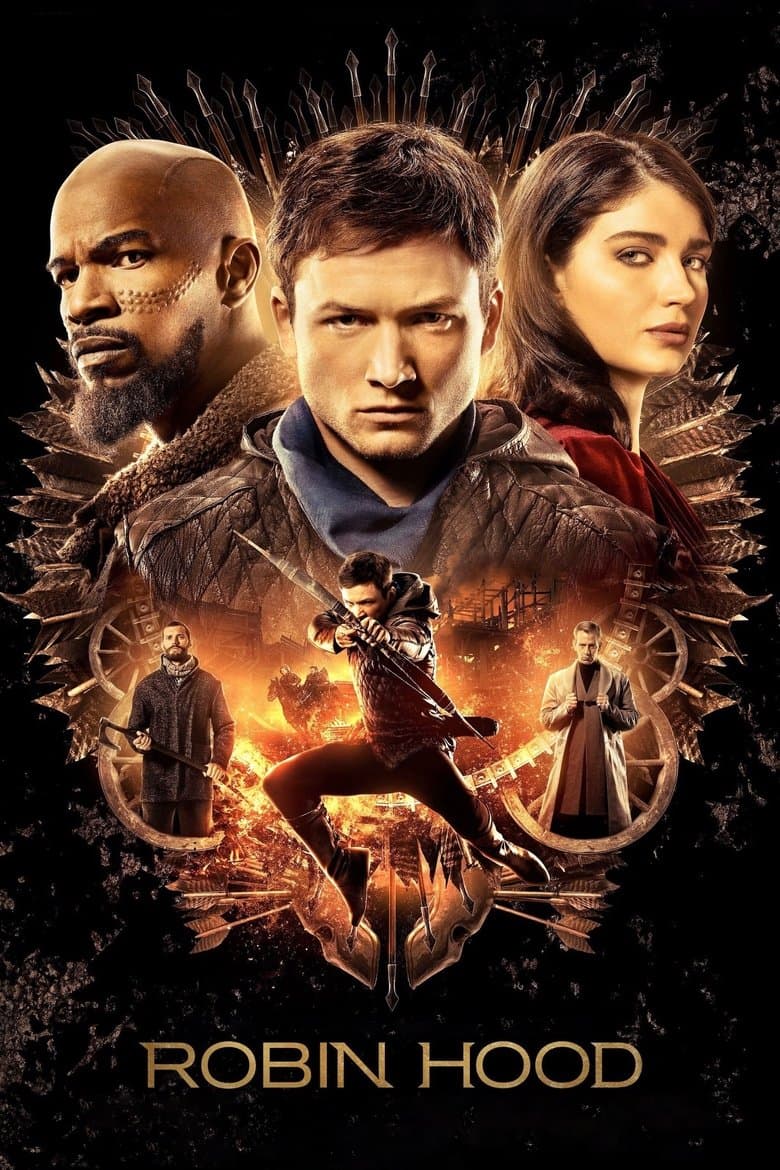
Robin of Loxley is an aristocrat who is drafted into the Crusades. He returns home to find that the Sheriff has seized his lands and drained Nottingham of its wealth. A Moorish warrior named Yahya, reimagined as John, trains him as a thief. Together they rob the regime and try to spark a revolt. The plot paints the Church and crown as war-profiteering conspirators who fund both sides of the Crusades, with action that feels closer to modern war films than classic medieval legend.
The most visible casting choice is Jamie Foxx as Yahya, a Moorish mentor in a heroic co-lead role that reworks Little John. The story treats the Crusades as unjust and frames the Catholic Church as a central villain through a cardinal who funds both armies for power. Marian acts more like a political rebel among the oppressed than a pure damsel. Will Scarlet becomes an ambitious people's politician who later turns villain. Dialogue centers on taxes, stolen wealth, and corrupt rulers rather than race or gender jargon. Class revolt and anti-war feeling drive the story more than identity politics.
Community feedback
Was our 59% Woke rating accurate?
Breakdown
These are the editorial factors and ratings behind our score for Robin Hood.
Woke representation / casting
Jamie Foxx plays Little John as Yahya, a Moorish commander who mentors Robin in a heroic co-lead role. This is a clear race and culture rewrite of a classic English folk figure. Marketing and Foxx’s press pushed the diversity angle of Black kids seeing someone like them in an iconic mentor role. Robin and Marian stay white European leads, so the main visible choice is that mentor casting rather than a full mixed ensemble.
42%
Woke political dialogue
The talk focuses on taxes, stolen wealth, war funding, and standing up to corrupt rulers. That language matches classic Robin Hood themes with a modern protest feel. The Sheriff scares people with talk of Arabs invading if they refuse to pay. There is little jargon about race, gender, or sexuality, so the politics stay mostly class and anti-corruption.
22%
Identity-driven story themes
Yahya’s Moorish identity and his wish to end the Crusades shape his bond with Robin. The Sheriff uses John’s faith against him, and a sympathetic Saracen mentor trains the English hero. Marian works as a rebel among the oppressed rather than a pure damsel. Class revolt and anti-war feeling drive the plot more than race or gender identity politics.
34%
Western institutional / cultural critique
The Catholic Church is a main villain through a cardinal who funds both Crusader and Saracen armies to grab power after the king. The Sheriff’s regime taxes and exiles the poor to pay for war. The look deliberately echoes modern warfare and protest with draft notices, a coal-town underclass, and riot imagery. It goes past generic rich-are-corrupt stories into a Church and crown war-profit plot that some viewers read as a contemporary institutional attack.
48%
Woke character or canon changes
Little John is rewritten as Yahya, a Moorish or Arabian warrior instead of a traditional English Merry Man. Press around Foxx stressed the diversity angle of that swap. Marian becomes more of a political freedom fighter, and Will Scarlet turns into an ambitious people’s politician who becomes a villain and the new sheriff. These changes mix identity and politics into the legend beyond ordinary shortening or modernization.
44%
Anti-woke backlash and complaints
Some viewers complained about race-swapping Foxx into Little John or about an Arabian mentor with an American accent. A few also claimed the film casts Crusade-era Arabs as heroes against an evil Church. There was no large, lasting culture-war campaign. Most rejection focused on quality, anachronism, and box-office failure rather than woke politics as the main charge.
18%
Creator track record context
Cached scores put Bathurst and both writers near 17, with most producers in the low-to-mid teens or twenties. DiCaprio scores 46 as an environmental progressive who is a commercial producer here, and casting’s Deborah Aquila scores 27 as inclusion-minded. The team looks mostly commercial with mild progressive producer and casting signals. It is not a strongly activist creative slate for this title.
23%
Production
Movie · 2019
A big-game hunter for zoos books passage on a Greek shipping freighter with a fresh haul of exotic and deadly animals from the Amazon, including a rare white Jaguar – along with a…
Movie · 2016
From DC Comics comes the Suicide Squad, an antihero team of incarcerated supervillains who act as deniable assets for the United States government, undertaking high-risk black ops…
Movie · 2016
The most dangerous former operative of the CIA is drawn out of hiding to uncover hidden truths about his past.
Movie · 2023
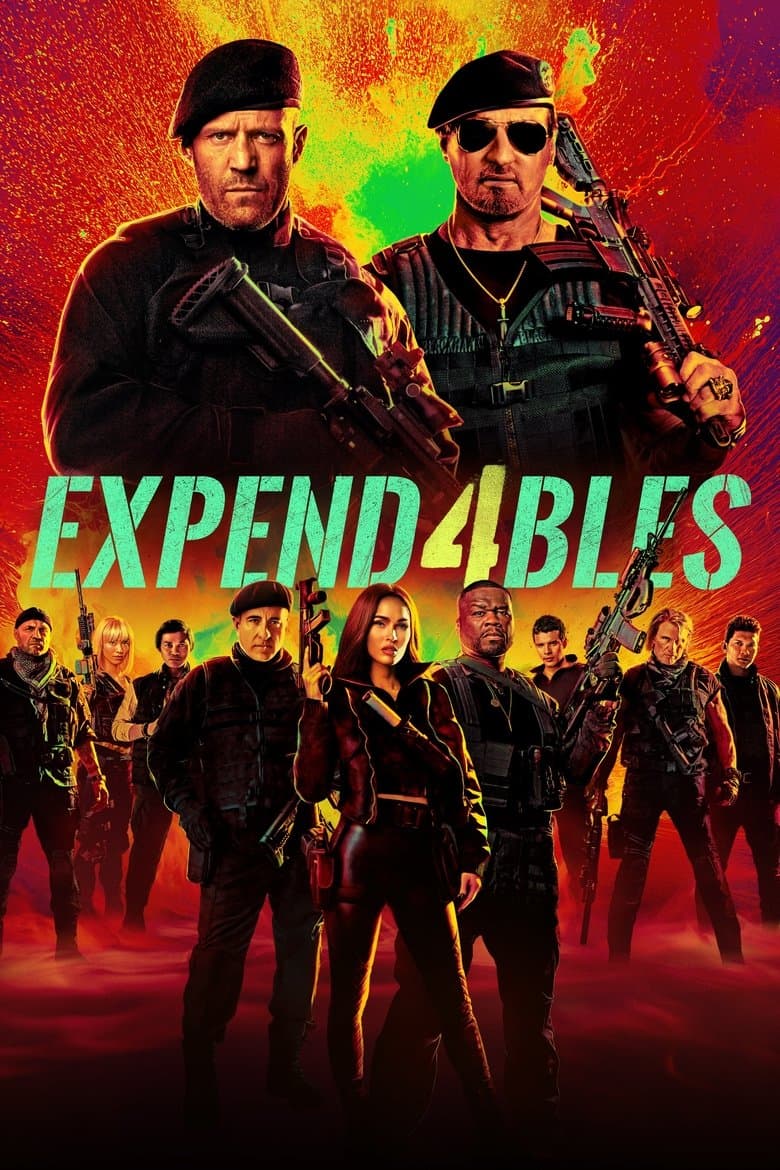
Armed with every weapon they can get their hands on and the skills to use them, The Expendables are the world’s last line of defense and the team that gets called when all other…
Movie · 2019
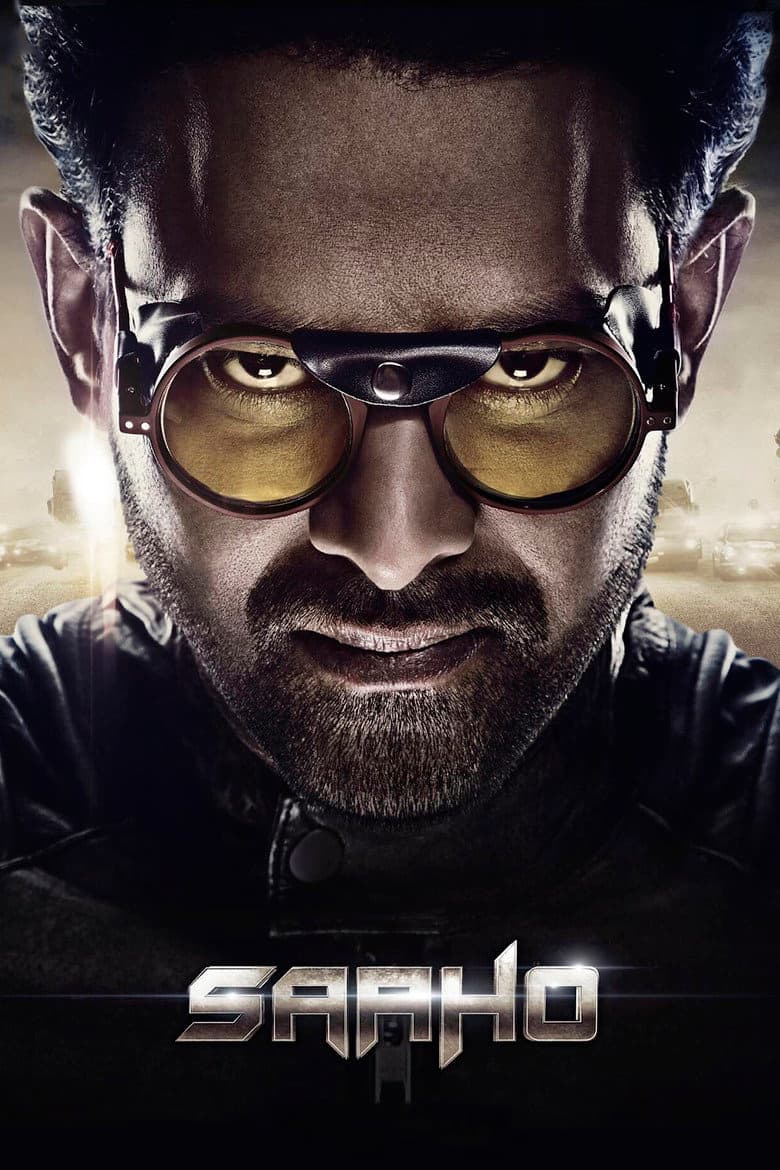
A battle for power ensues as warring gangters thrive to gain possession of a "black box" that can make them richer than they already are, and an undercover cop intervenes with the…
Movie · 2018
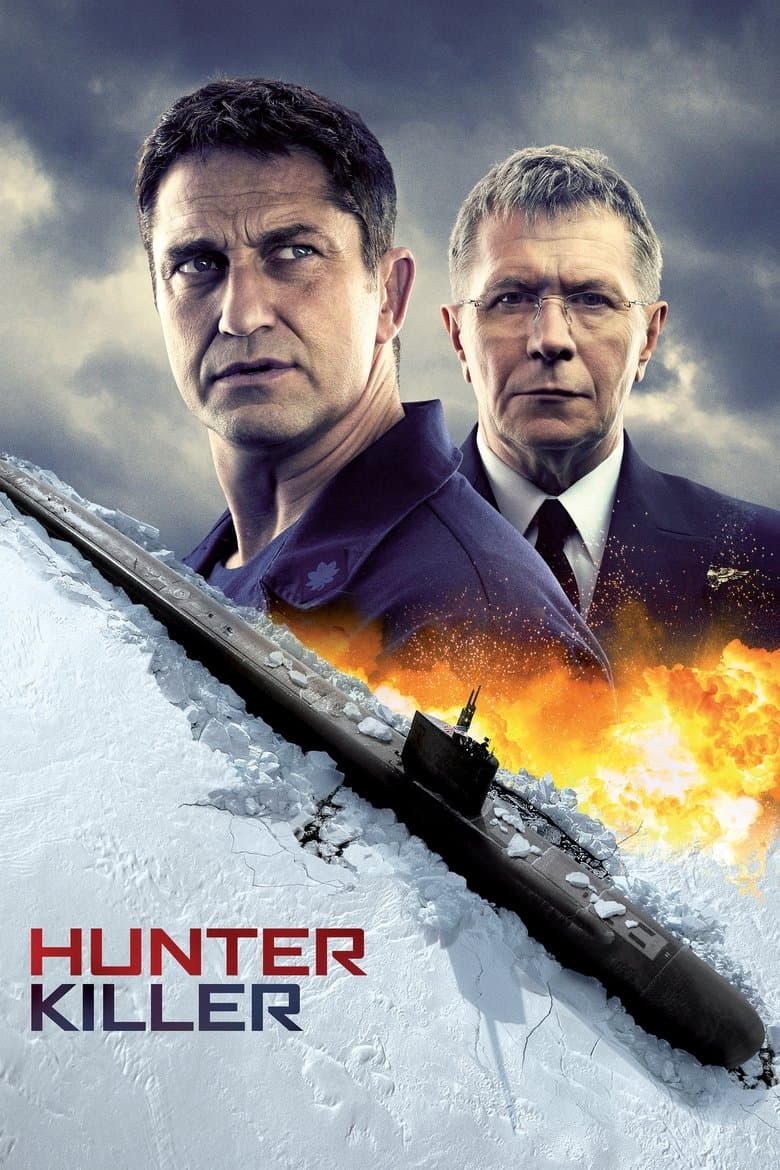
Captain Glass of the USS Arkansas discovers that a coup d'état is taking place in Russia, so he and his crew join an elite group working on the ground to prevent a war.
Movie · 2020
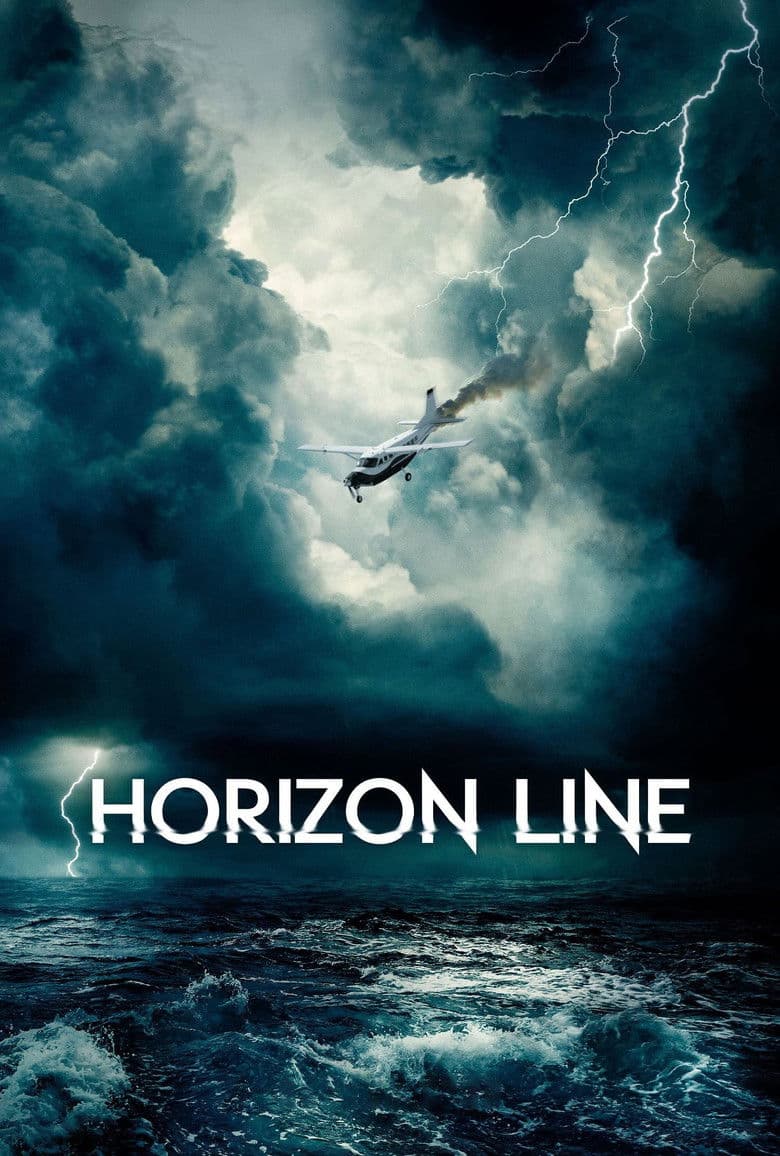
A couple flying on a small plane to attend a tropical island wedding must fight for their lives after their pilot suffers a heart attack.
Movie · 2021
Washed-up MMA fighter Cole Young, unaware of his heritage, and hunted by Emperor Shang Tsung's best warrior, Sub-Zero, seeks out and trains with Earth's greatest champions as he…
