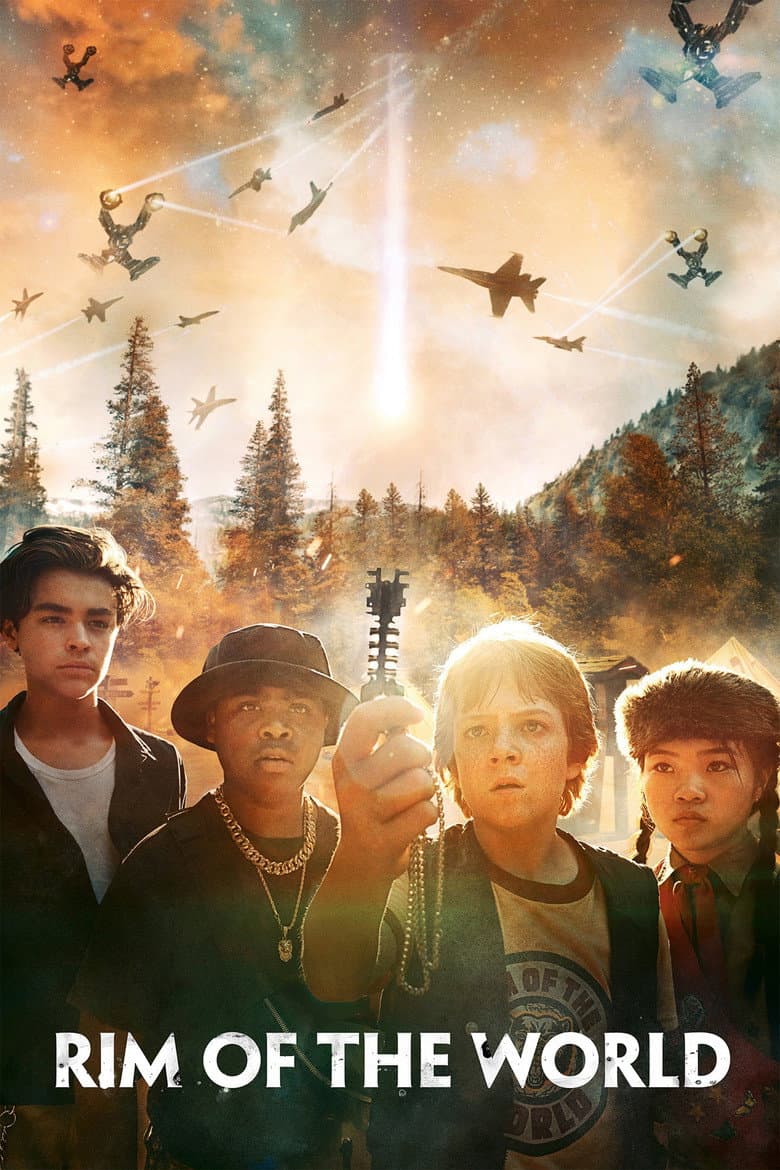
Alex is a shy thirteen-year-old boy who is still hurt by his father's death. His mother sends him to a summer camp in the mountains east of Los Angeles, where he meets ZhenZhen, Dariush, and Gabriel. An alien attack leaves the four campers alone with a key that can stop the invasion. They travel to NASA's Jet Propulsion Laboratory while monsters, criminals, and broken adults stand in their way. The film uses loud jokes, scary attacks, and a fast adventure style.
The clearest woke elements are the mixed group of young heroes and a short camp scene about race and class. The scene jokes that Toy Story shows white control over working-class toys, and it mentions Rosa Parks. ZhenZhen is also presented as a tough girl who drives, starts the emergency power, and traps an alien dog after a general doubts her strength. These points are visible, but they stay beside the main story about courage, friendship, grief, and learning to trust other people.
Community feedback
Was our 27% Woke rating accurate?
Breakdown
These are the editorial factors and ratings behind our score for Rim of the World.
Woke representation / casting
The four central campers include a white boy, an Asian girl, a black boy, and another white boy. Modern Southern California makes this mix plausible, so the casting is a mild signal rather than a strong mismatch. The film makes race and national background more visible through jokes about the “black man” and Alex's Mandarin greeting to ZhenZhen.
20%
Woke political dialogue
A camp scene talks about race and class through jokes about Toy Story. The characters say that white people control the toys and call this a ruling-class system. The scene also mentions Rosa Parks, but the movie does not return to political debate after this isolated exchange.
24%
Identity-driven story themes
The film gives ZhenZhen a brief backstory in which her father wanted a boy. The story then shows her as a tough protector who drives, restores power, and locks an alien dog away. These girl-power moments recur during the final journey, but the movie shares the hero work with Alex, Dariush, and Gabriel.
23%
Western institutional / cultural critique
A short camp conversation says Toy Story shows white control over working-class toys and calls that a ruling-class system. Soldiers and adult leaders also fail, so the children take control of the mission. These moments are jokes or adventure pressure, and the film does not make a broad attack on family, Christianity, or Western culture.
15%
Woke character or canon changes
Not relevant. The movie is an original story and does not change an established character, canon, or real historical figure.
0%
Anti-woke backlash and complaints
A few small X accounts called the film woke garbage or said the woke meter became extreme at camp. The posts had very little engagement, and no major right-leaning account, boycott, or review-bomb drive appeared in the supplied search. The backlash is fringe.
12%
Creator track record context
Stored creator profiles rate Zack Stentz at 31/100 and McG at 18/100. Stentz has defended same-sex relationships as normal storytelling, but there is no strong activist pattern tied to this movie. Most other listed creators have stored scores from 7 to 30 and no known identity-politics focus.
15%
Production
Movie · 2018
As the Avengers and their allies have continued to protect the world from threats too large for any one hero to handle, a new danger has emerged from the cosmic shadows: Thanos.
Movie · 2026
The evil Empire has fallen, and Imperial warlords remain scattered throughout the galaxy. As the fledgling New Republic works to protect everything the Rebellion fought for, they…
Movie · 2019
Ever since US Diplomatic Security Service Agent Hobbs and lawless outcast Shaw first faced off, they just have traded smack talk and body blows.
Movie · 2022
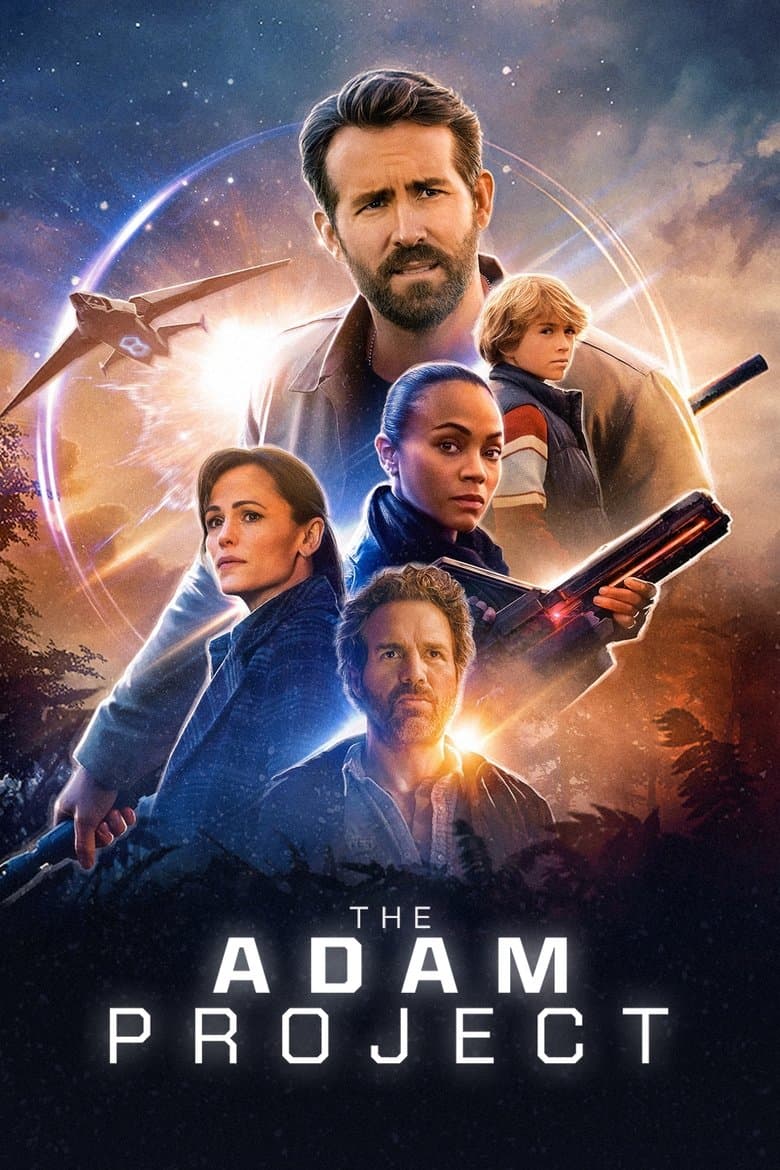
After accidentally crash-landing in 2022, time-traveling fighter pilot Adam Reed teams up with his 12-year-old self on a mission to save the future.
Movie · 2024
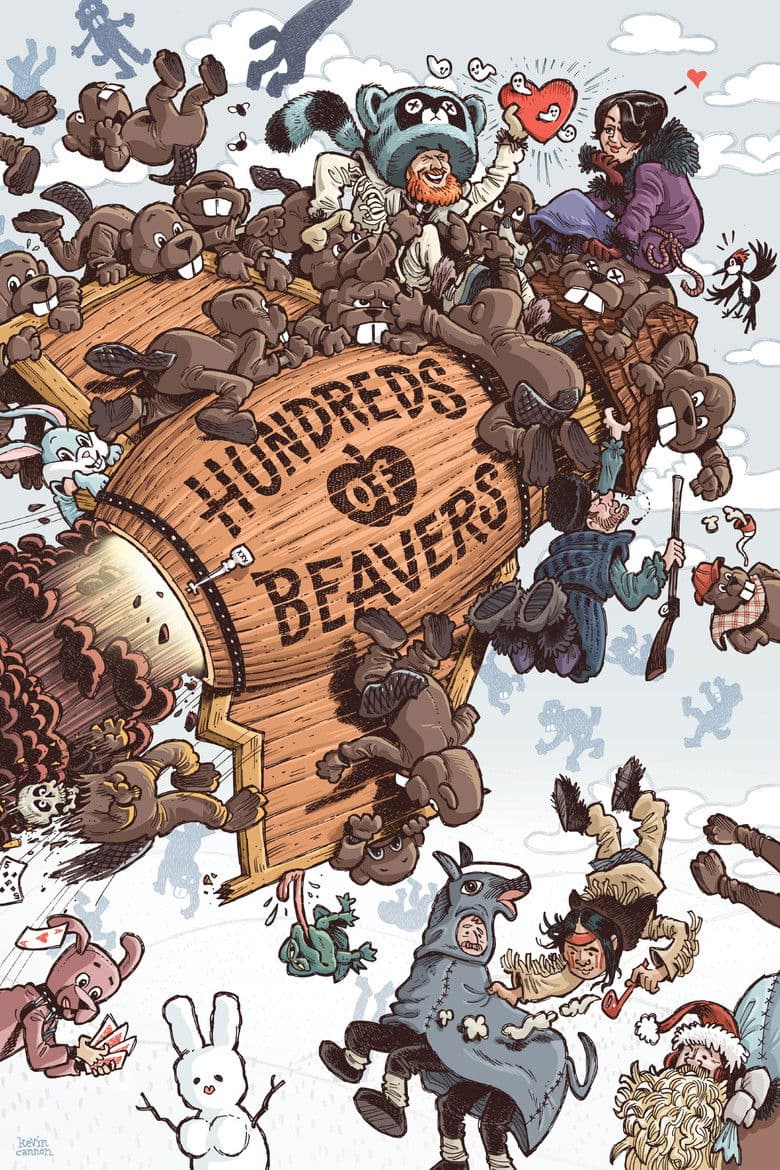
In the 19th century, a drunken applejack salesman must go from zero to hero and become North America's greatest fur trapper by defeating hundreds of beavers.

Movie · 2023
Dan Morgan is many things: a devoted husband, a loving father, a celebrated car salesman. He's also a former assassin.
Movie · 2024
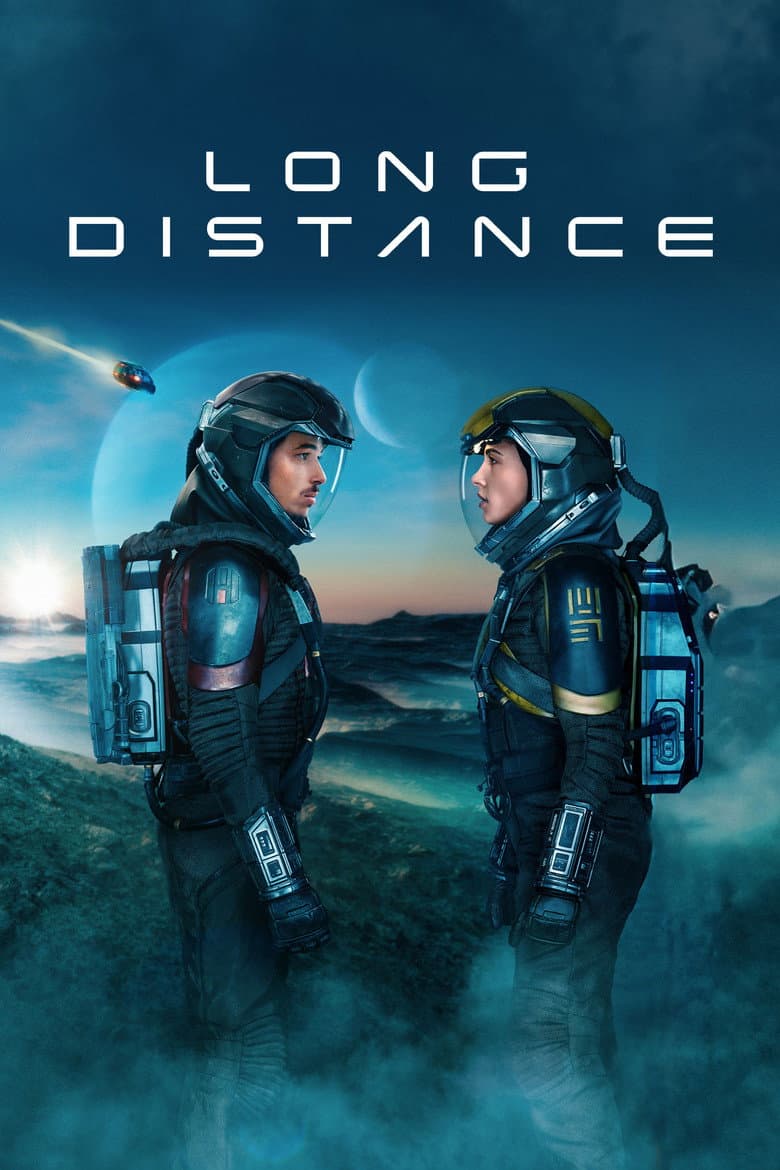
After crash-landing on an alien planet, an asteroid miner must contend with the challenges of his new surroundings, while making his way across the harsh terrain to the only other…
Movie · 2024
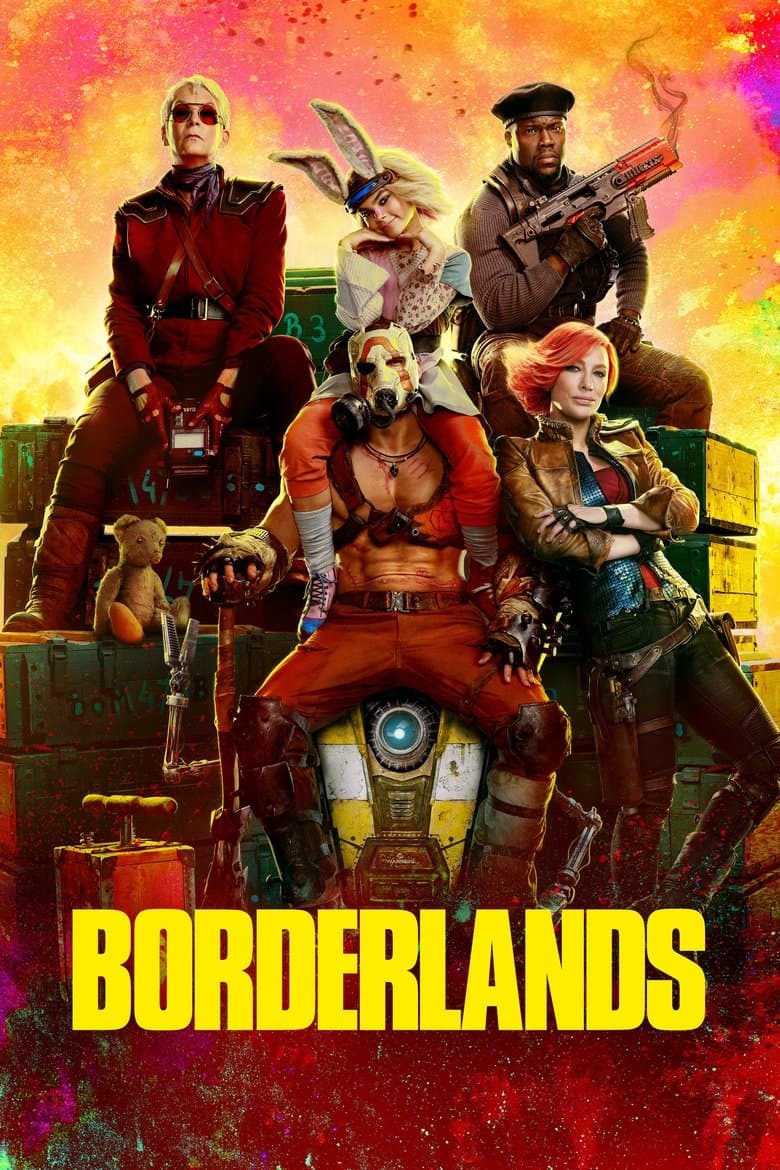
Returning to her home planet, an infamous bounty hunter forms an unexpected alliance with a team of unlikely heroes.
